

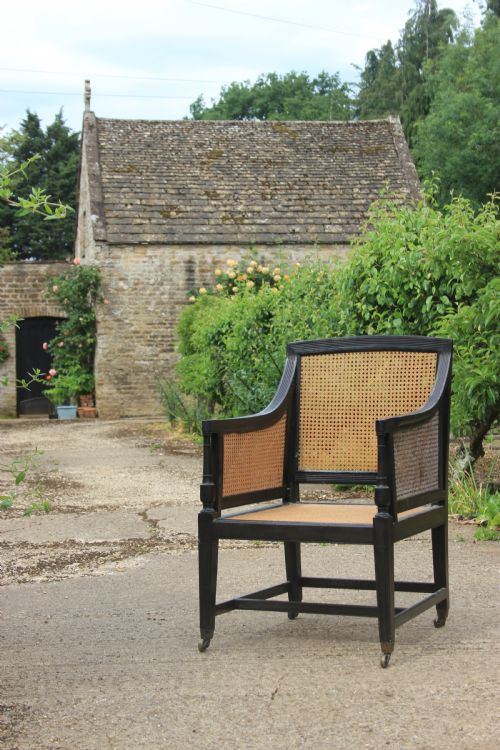
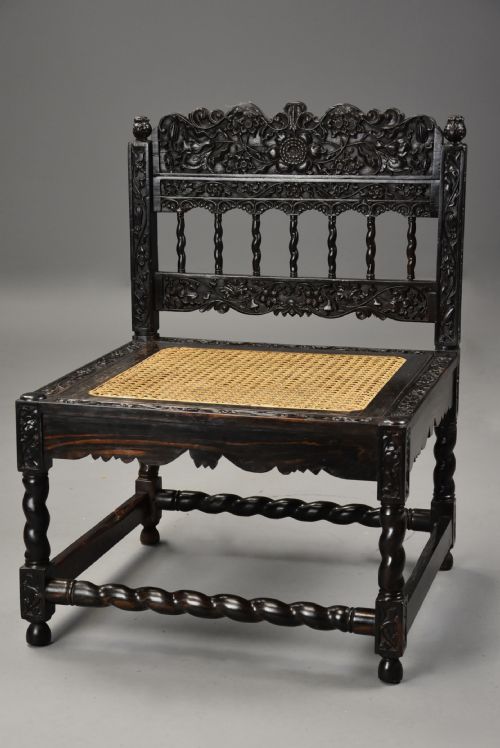


Anglo Indian Cane Chair
An anglo indian cane chair brings rich tropical hardwoods and intricate colonial craftsmanship directly into a room.
Anglo Indian Cane Chair
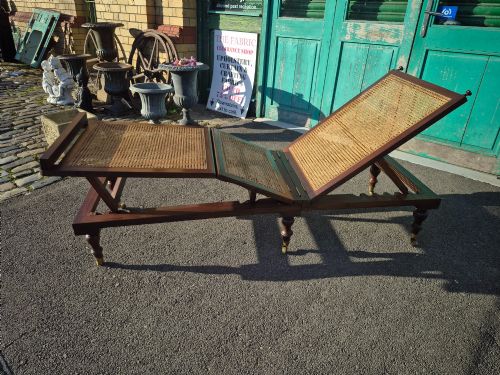
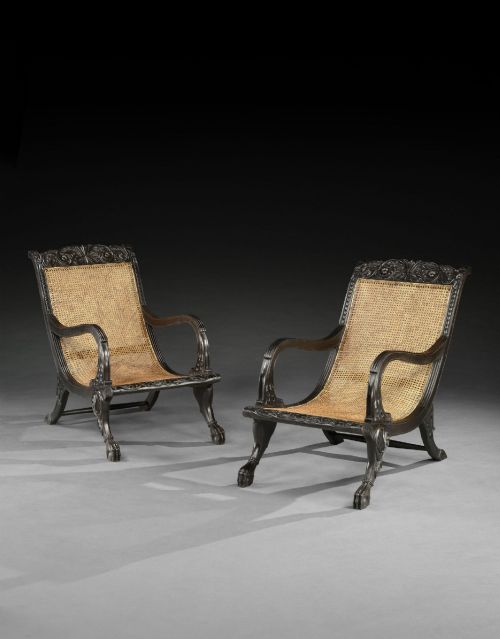
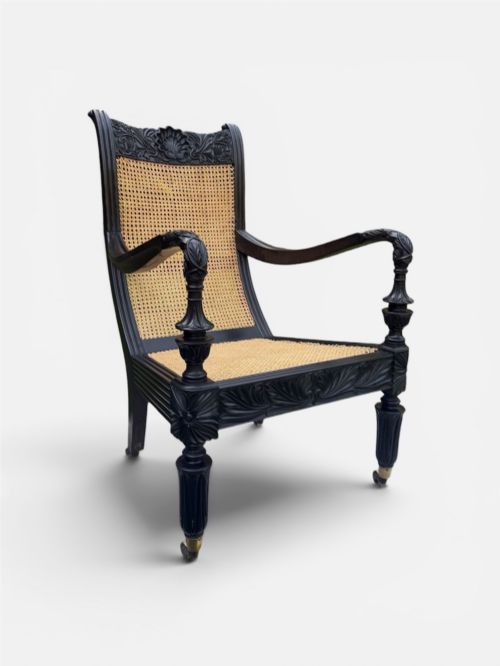
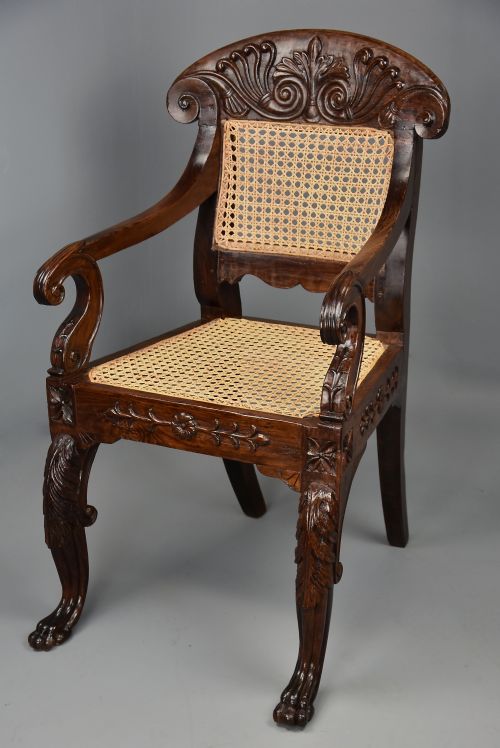
When you search for an anglo indian cane chair, you encounter seating produced across several centuries under colonial influence. These pieces range from armchairs and side chairs to larger daybeds and reclining plantation chairs.
The materials and forms vary widely, drawing on regional workshops in places such as Ceylon and the Coromandel Coast. Many examples reflect stylistic shifts from Regency and Victorian periods through to Art Deco.
Materials and Construction
Makers utilised dense tropical timbers including solid ebony, teak, padouk, satinwood, and rosewood as the structural foundation. These heavy woods were carved with deep floral and foliage motifs by skilled regional artisans.
Cane and rattan panels were woven tightly into seats and backrests to provide flexible, cool support in warm climates. Brass fittings and components occasionally appear on campaign and folding forms to facilitate adjustment and mobility.
Listings feature timbers such as ebony, teak, rosewood, padouk, and satinwood alongside woven cane and rattan.
Distinctions in Quality
The depth and crispness of the hand carving separate standard seating from exceptional examples. Dense timbers like solid ebony command attention when the relief work remains sharp and uncompromised by wear.
The integrity of the woven cane seating and the retention of original timber finishes dictate the overall stature of a piece. Uniformity across matched pairs or large sets elevates certain examples significantly.
The Anglo Indian Cane Chair Glossary
- Cane
- Woven material derived from the outer portion of rattan palms, used extensively for seats and backrests. It provides resilience and breathability.
- Bergere
- An enclosed upholstered or caned armchair with a wooden frame. This form appears frequently in colonial seating.
- Padouk
- A heavy, durable tropical hardwood with reddish tones utilised in carved furniture. It takes fine detail well.
- Plantation Chair
- A reclining seat featuring extended arms designed for resting legs. These chairs often incorporate caned panels and folding mechanisms.
- Campaign Style
- Portable furniture designed for easy transport and military use. Brass mounts and folding elements characterise these pieces.
Anglo Indian Cane Chair: Frequently Asked Questions
How do I care for caned furniture?
Keep the cane hydrated by wiping it periodically with a damp sponge to prevent brittleness.
Avoid placing these chairs in direct sunlight or beside intense heat sources.
Are plantation chairs comfortable?
Yes, their deep seats and extended armrests are specifically engineered for relaxation.
Adding a squab cushion provides extra support during extended periods of sitting.
Where were these chairs made?
Production took place across various workshops in regions under British colonial influence, including Ceylon and mainland India.
Local artisans combined traditional European furniture styles with indigenous carving techniques.
Can I use these chairs daily?
Sturdy frames and tight cane work tolerate regular daily use in domestic settings.
Consider the weight distribution and avoid heavy impacts on the woven panels.