





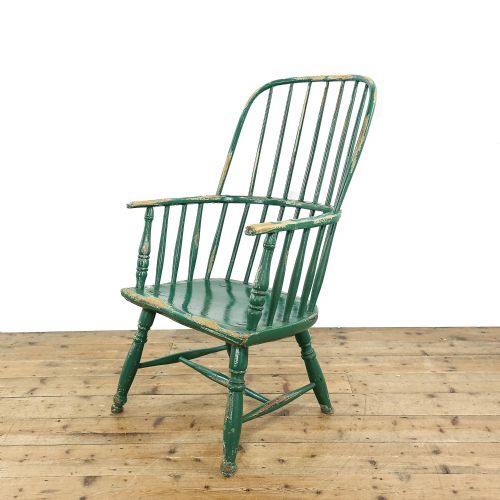


Green Painted Armchair
A green painted armchair brings colour and history to a room, offering a seat shaped by centuries of changing tastes and painted finishes.
Green Painted Armchair
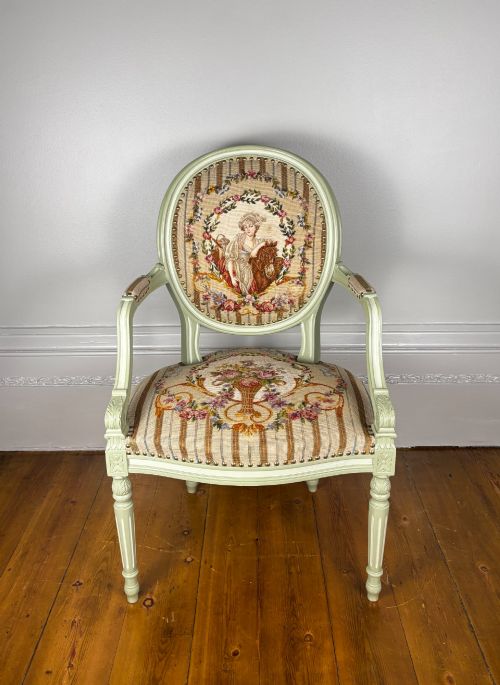
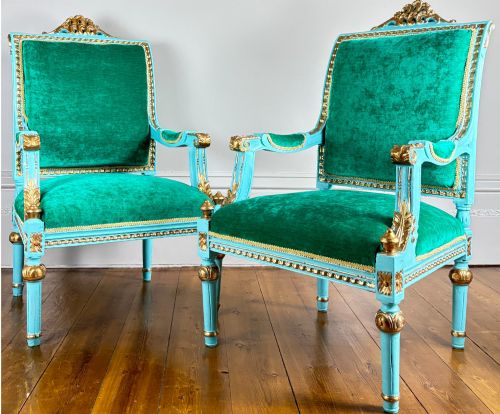
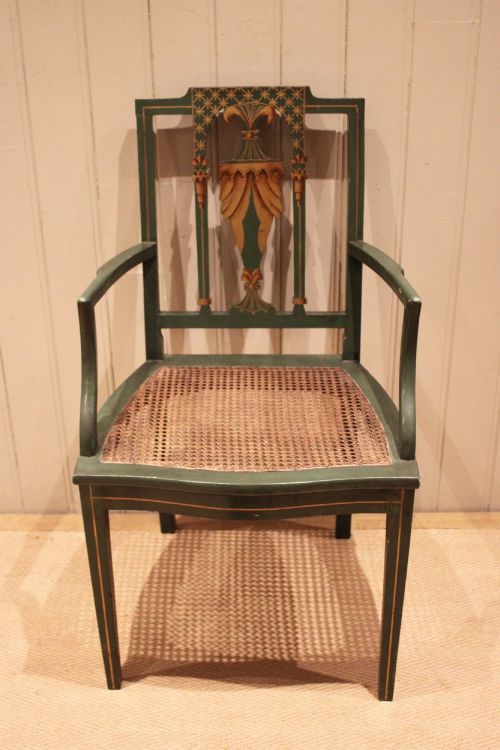
A green painted armchair encompasses various forms ranging from Georgian and Edwardian seating to Art Deco designs, all sharing a painted wooden structure. Buyers looking at this selection will encounter open armchairs, library chairs, and garden sets finished in pigment.
The periods represented stretch across the eighteenth, nineteenth, and twentieth centuries. Pieces include eighteenth century George III and Sheraton examples alongside nineteenth century Irish vernacular items and later twentieth century bentwood and cast iron versions.
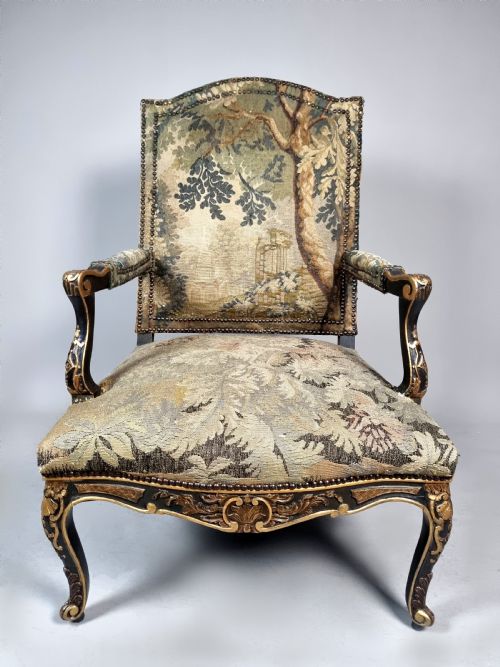
Origin and style vary widely across the inventory, taking in French Louis XV revival pieces, Italian carved seats, and Scandinavian painted designs. Buyers most frequently meet nineteenth century items and twentieth century interpretations within these listings.
Materials and construction
Makers built these frames primarily from wood, utilising carved timber, bentwood, and satinwood, occasionally complemented by brass elements. Paint forms the primary surface treatment, applied over wood to colour and protect the structure.
Upholstery materials provide seating comfort, incorporating velvet, tapestry, and various fabrics. Iron appears in specific outdoor settings, notably in garden sets and patio furniture from the twentieth century.
Green Painted Armchair Retail Price Guide 2026
Typical asking prices for green painted armchair among the pieces listed under this phrase on Sellingantiques today, from the lower quarter to the upper quarter. They describe what is for sale here now, not the wider market.
One canvas intrudes among the timber seating, reminding buyers that a red armchair can sometimes sneak into a green painted world.
Distinctions in quality
Quality rests upon the execution of the woodwork and the retention of the original painted surface. Finer examples display precise carving, balanced proportions, and integrated decorative schemes that reflect the prevailing style of their period.
The integrity of the upholstery and the harmony between the painted finish and the structural form dictate the standing of an individual piece. Superior items maintain their historical character through careful preservation of materials and surface patination.
Heals·Anton Rosen
The Green Painted Armchair Glossary
- Gainsborough chair
- A wide seat with open arms designed in the eighteenth century, typically upholstered on the back and seat.
- Bergere
- An enclosed upholstered armchair with wooden framing, often featuring cane panels on the sides or back.
- Bentwood
- Wood softened by steam and bent into curved structural shapes, frequently utilised in twentieth century seating.
- Simulated satinwood
- A painted surface treatment designed to imitate the appearance of expensive figured timber using common woods.
- Vernacular
- Objects made by local craftsmen following regional traditions rather than high-style metropolitan patterns.
Green Painted Armchair: Frequently Asked Questions
What is a green painted armchair?
A green painted armchair is a wooden seat finished with coloured pigment, spanning periods from the eighteenth century to the twentieth century.
These pieces encompass formal library chairs, open French revival designs, and rustic vernacular seating.
How do I date a green painted armchair?
Dating relies on stylistic clues, construction methods, and the specific decorative vocabulary of periods like the Georgian or Edwardian eras.
Changes in upholstery techniques and wood selection also provide reliable indicators of age.
Where were these armchairs placed?
Historical examples served in libraries, parlours, and drawing rooms as both functional seating and decorative furniture.
Later twentieth century variations found places in patios, gardens, and modern interiors.
Are painted finishes original?
Surface treatments vary between original historical pigments and later decorative layers applied during subsequent refurbishments.
Examining the wear patterns and underlying wood helps determine the history of the finish.