

Antique Style Salon Chairs
These antique style salon chairs bring period French and English seating into modern rooms through ornate carvings and exposed timber frames.
Antique Style Salon Chairs
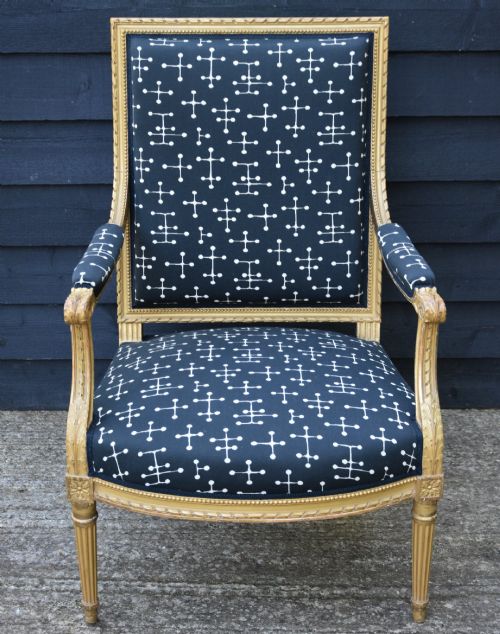
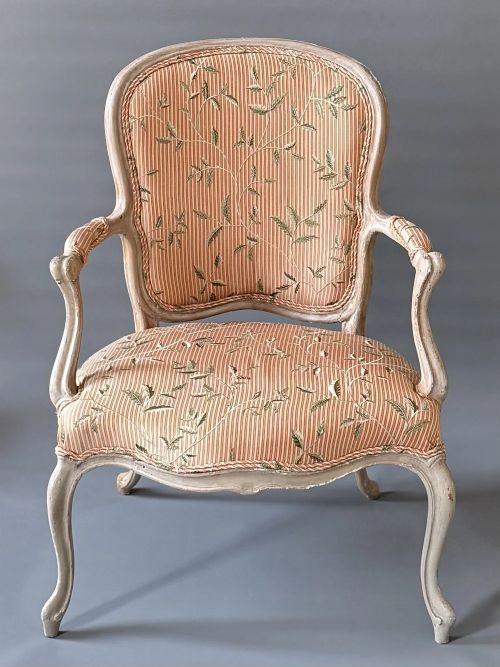
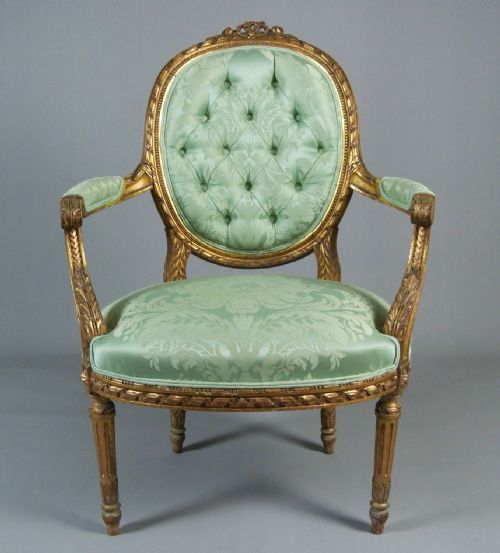
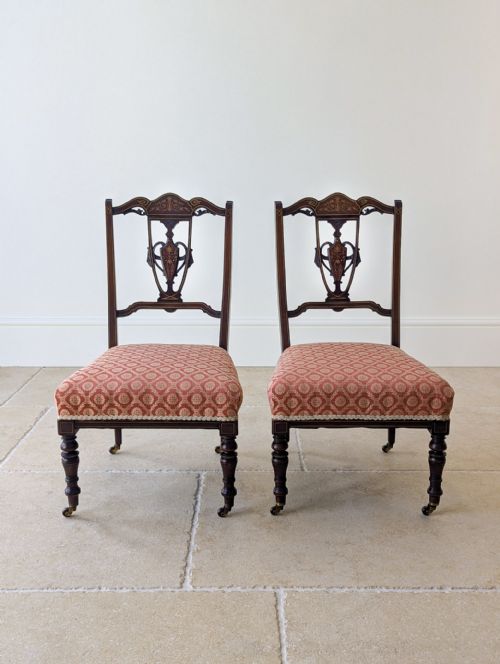
These antique style salon chairs encompass armchairs, side chairs, and full salon suites originating from the eighteenth, nineteenth, and early twentieth centuries. Buyers searching for antique style salon chairs encounter pieces reflecting revival aesthetics such as Louis XVI, Louis XV, and Rococo forms.
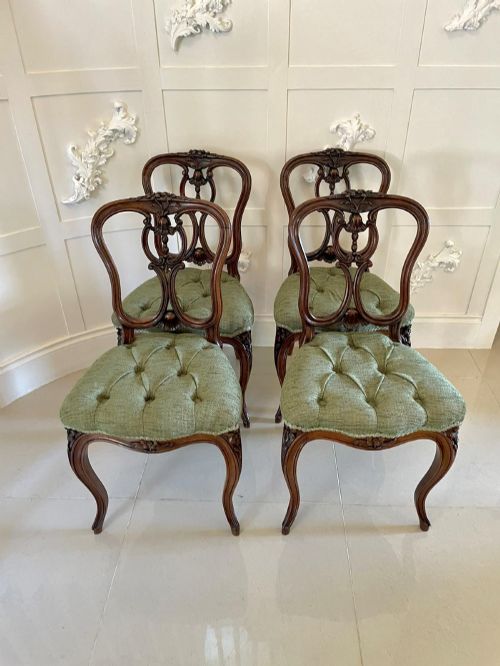
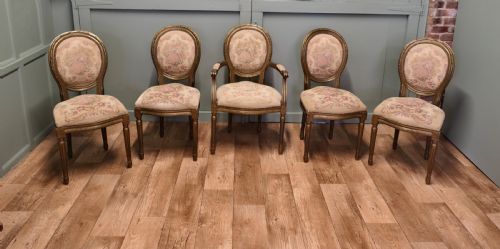
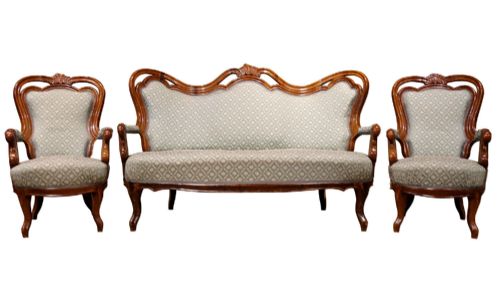
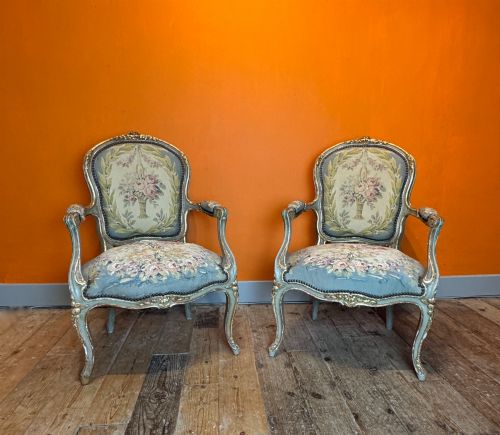
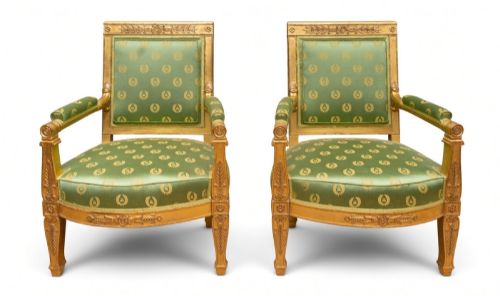
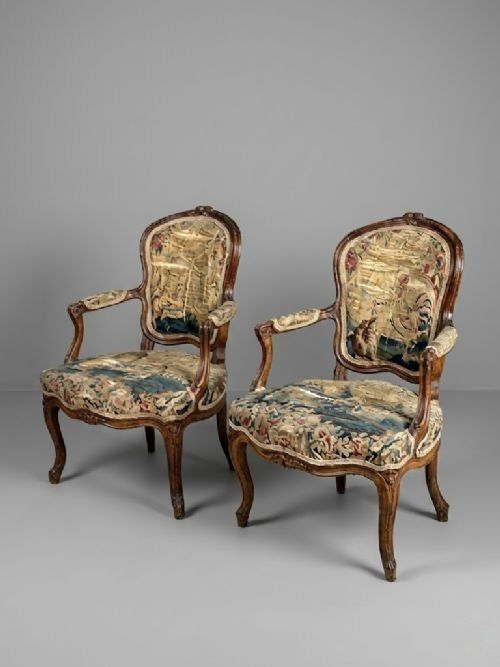
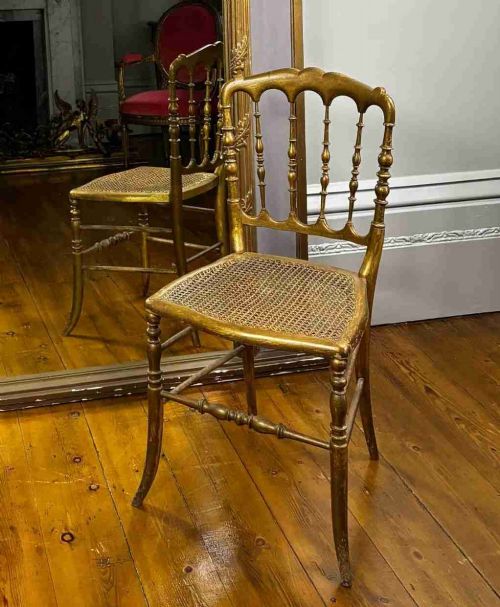
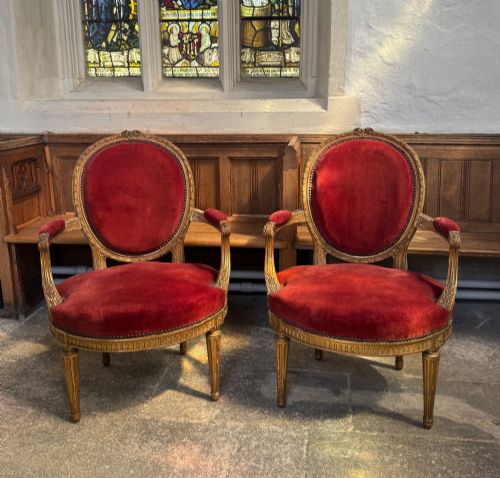
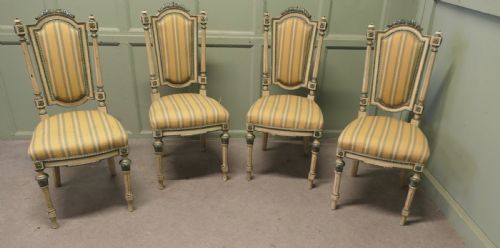
The selection ranges from single open armchairs to matched sets of four or five pieces, often designed for formal reception rooms. Walnut, mahogany, and giltwood frames dominate the physical evidence, housing upholstered panels and occasionally caned seats.
Materials and construction methods
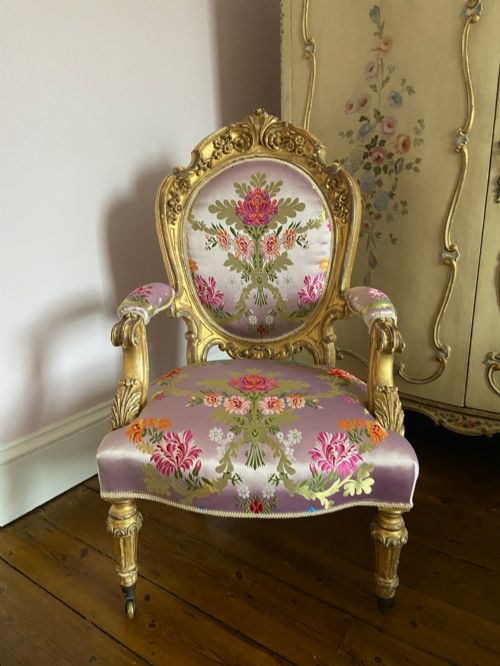
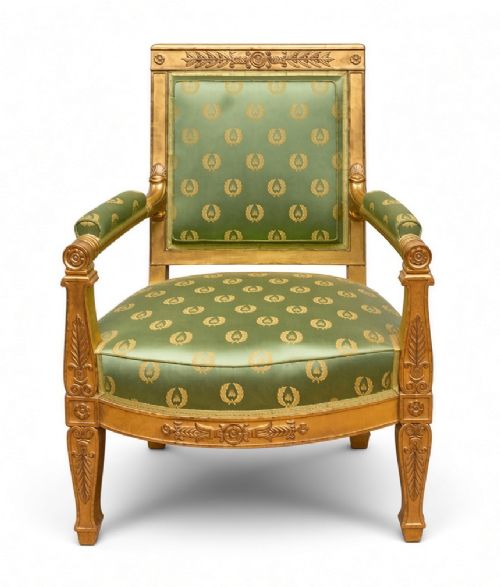
Frames rely on hardwoods including walnut, beech, and mahogany, shaped through manual carving and joinery. Giltwood surfaces feature applied gold leaf over gesso, while painted versions utilise parcel gilt detailing to highlight carved motifs.
Upholstery materials span silk, velvet, tapestry, and fabric, frequently secured with deep buttoning or decorative trim. Ormolu mounts and brass accents appear on specific revival pieces to emulate court furniture.
At least one gilded armchair on record spent time residing inside the Palais de Tuileries.
Distinctions in construction and finish
Superior examples exhibit crisp, deep hand-carving in the wood rather than shallow machine shaping. The execution of the gilding and the integrity of the joinery distinguish workshop standards across different periods.
The choice and execution of upholstery materials also dictate the overall standard, with hand-woven tapestries and silk fabrics representing higher levels of finish compared to standard modern textiles.
Jacob Desmalter·Thomas Chippendale·Blaise Maucuy
The Antique Style Salon Chairs Glossary
- Fauteuil
- An open-framed upholstered armchair with exposed wooden arms originating in France. These seats feature padded armrests and curved legs characteristic of eighteenth-century design.
- Bergère
- An enclosed upholstered armchair featuring solid upholstered sides filled with a padded cushion. This form provides a deeper seat than a standard open armchair.
- Giltwood
- Timber coated with a thin layer of gold leaf over a prepared ground. It appears widely on decorative frames across revival periods.
- Ormolu
- Gilded bronze mounts applied to furniture for decorative effect. This technique accents mahogany and walnut frames on nineteenth-century revival pieces.
- Caning
- Woven rattan or cane material utilised for chair seats and backs. It offers a lighter texture compared to solid wood or upholstered panels.
Antique Style Salon Chairs: Frequently Asked Questions
How do I identify Louis XVI style chairs?
Louis XVI style chairs display straight, fluted legs and geometric frames derived from neoclassical architecture. Carvings frequently incorporate ribbons, fluting, and laurel wreaths.
These characteristics contrast with the curved cabriole legs and asymmetrical ornamentation found on earlier Louis XV designs.
Where were salon chairs originally placed?
These seating pieces belonged in formal reception rooms and parlours used for entertaining guests. They were arranged informally to encourage conversation rather than placed against walls.
Sets often included matching sofas or settees to complete the salon suite layout.
Are these chairs suitable for daily use?
Period salon chairs function well in living spaces when paired with supportive upholstery and stable frames. Solid walnut and mahogany construction provides structural durability for regular sitting.
Careful placement away from direct heat sources helps preserve the antique wood and delicate surface finishes.