
Vintage Bronze Figurine
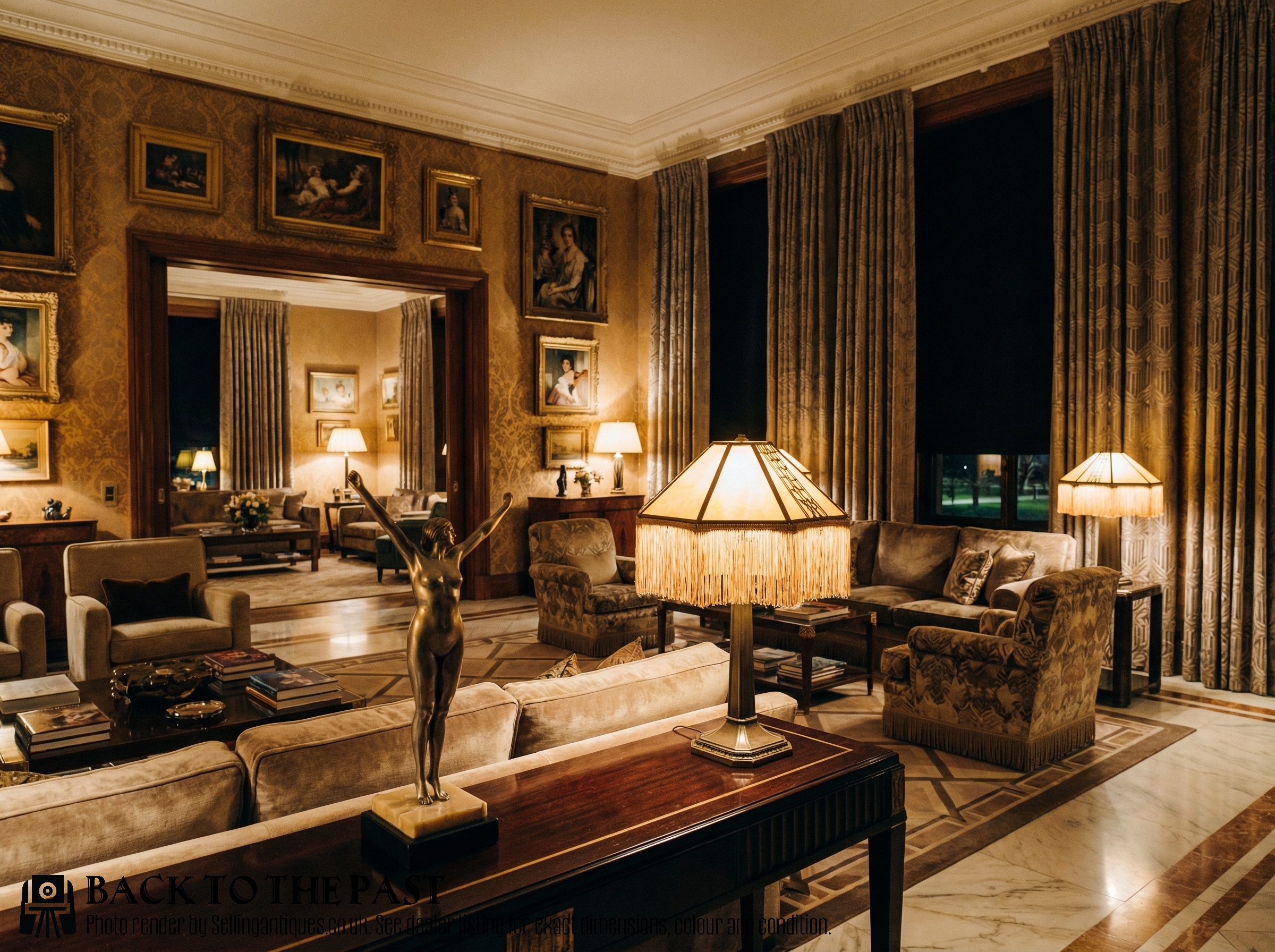
A vintage bronze figurine captures movement and form in cast metal, bringing domestic display pieces from the nineteenth and twentieth centuries into modern interiors.
Vintage Bronze Figurine
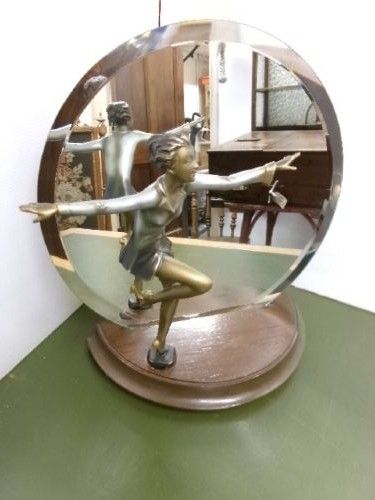
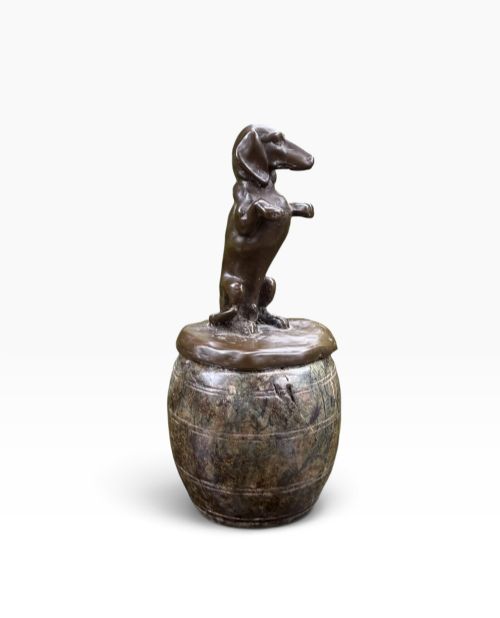
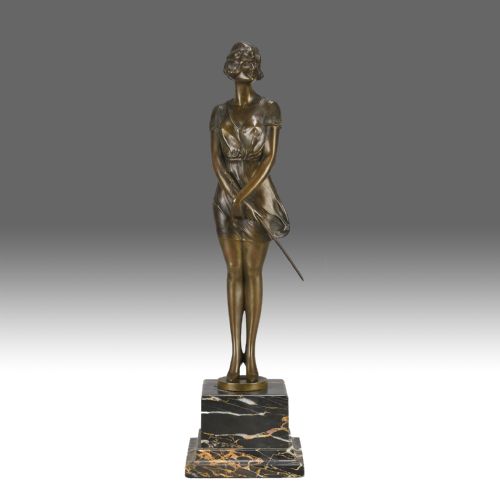
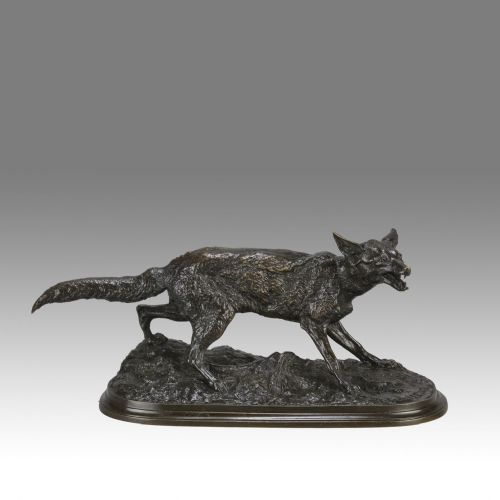
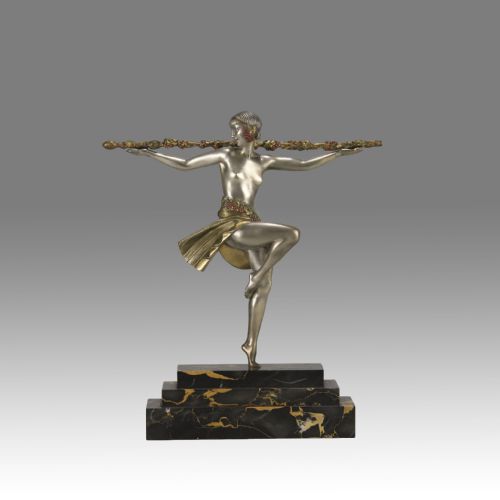
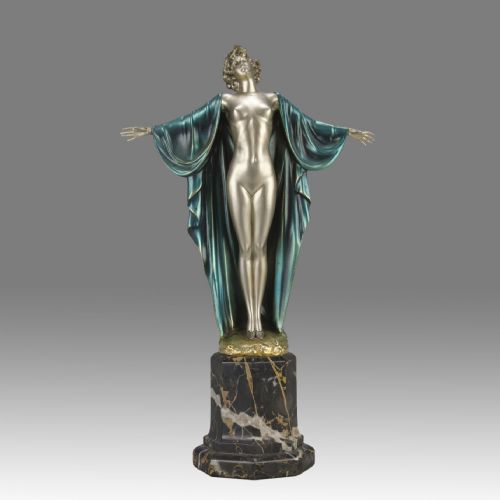
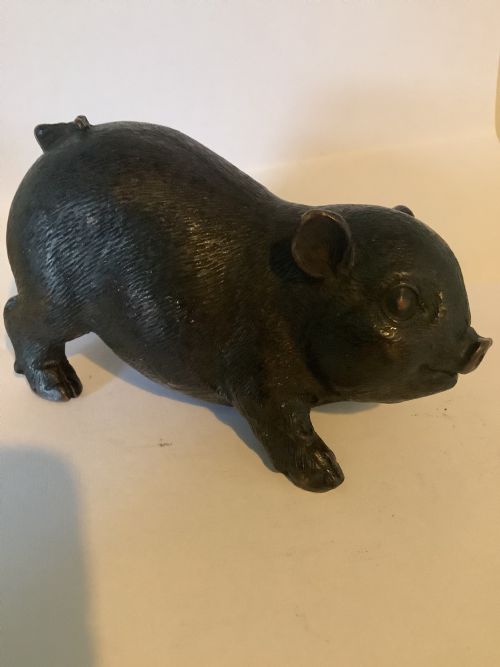
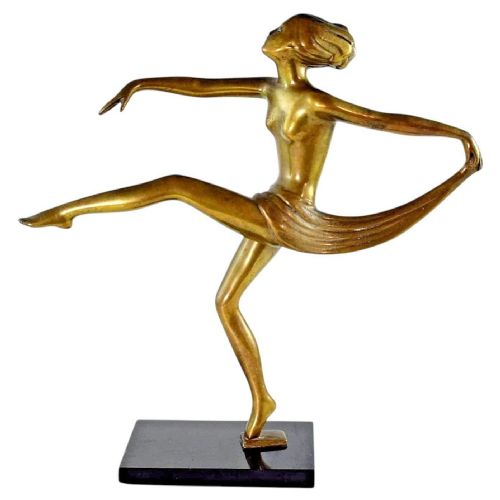
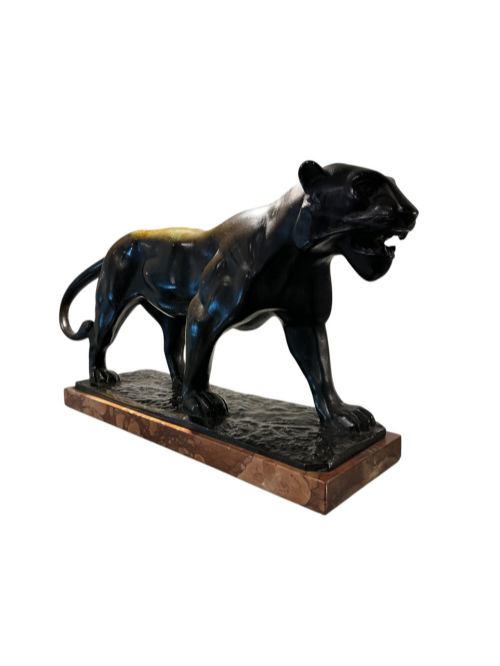
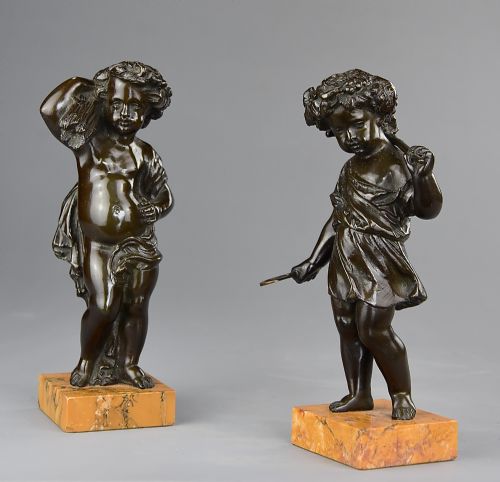
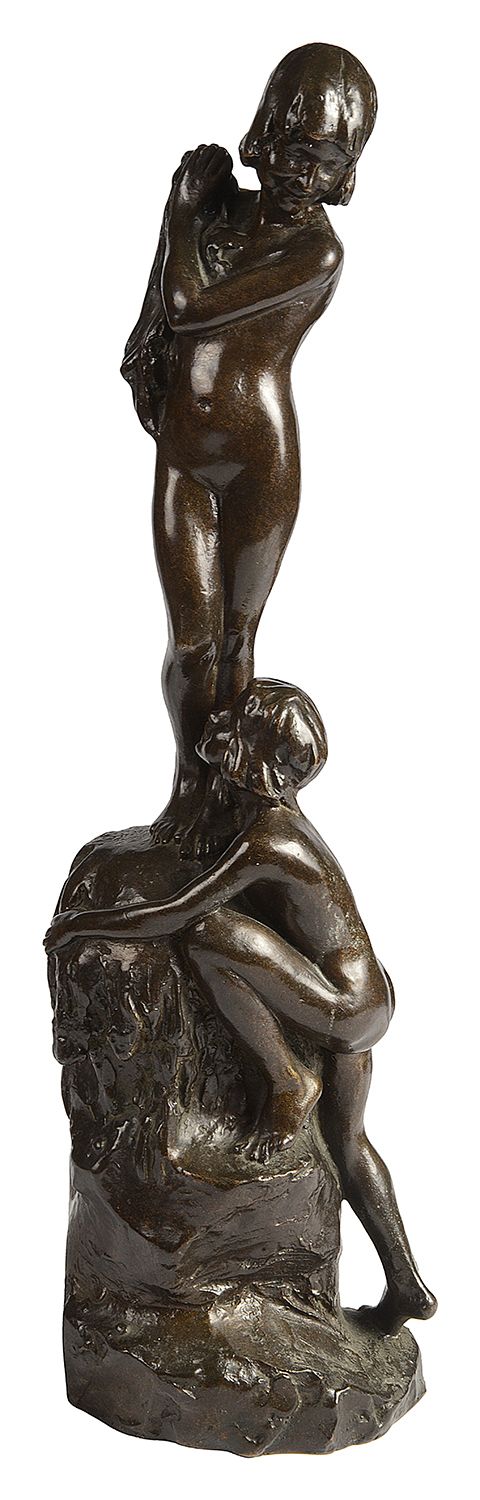
When searching for a vintage bronze figurine, a buyer encounters a diverse selection of sculptural objects spanning the Victorian era through the Art Deco period. These works encompass human figures, dancers, and animal studies cast in metal, frequently mounted on heavy stone plinths.
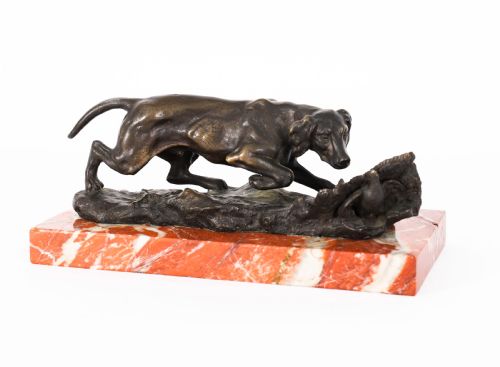
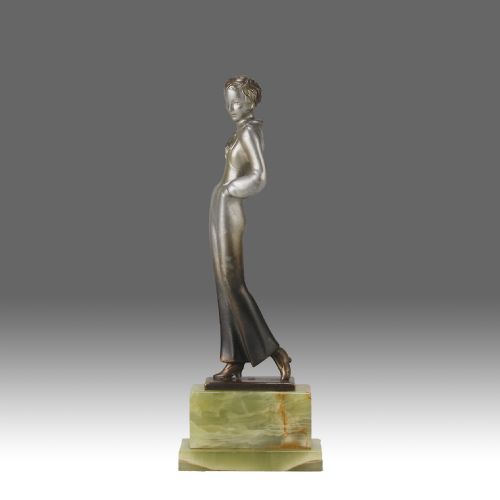
The most common examples on this page date from the early twentieth century, particularly the 1920s and 1930s. Art Deco dancers and animalier studies of dogs, horses, and birds dominate the selection, often combining metalwork with marble or onyx bases.
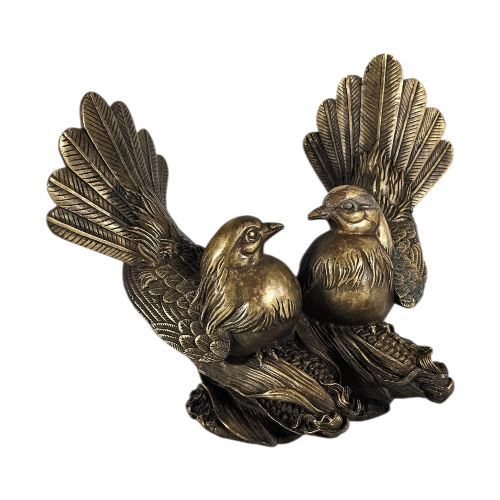
Originating from European workshops, particularly Austrian and French foundries, alongside Asian craft traditions, these sculptures served as decorative mantel and table ornaments. Their subjects range from classical allegorical figures to naturalistic depictions of wildlife.
Materials and production methods
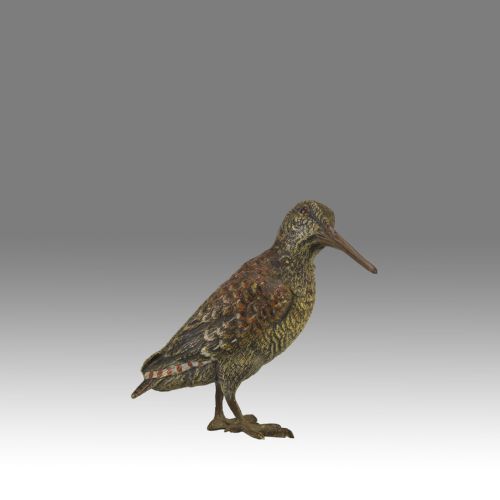
Foundries utilised traditional casting methods to produce these sculptures, pouring molten metal into moulds before applying surface finishes. Many pieces feature cold-painted polychrome decoration, where vibrant pigments were applied directly to the metal surface.
Sculptors combined bronze with contrasting materials such as marble, onyx, and slate to provide stable plinths for the figures. Spelter also appears as a cost-effective alternative metal used to create similar figurative forms during the early twentieth century.
Surface patination was achieved through chemical treatments that created rich brown, green, or gilt finishes on the metal. Artisans hand-finished the cast details, smoothing seams and enhancing the texture of feathers, fur, and drapery.
Vintage Bronze Figurine Retail Price Guide 2026
Typical asking prices for vintage bronze figurine among the pieces listed under this phrase on Sellingantiques today, from the lower quarter to the upper quarter. They describe what is for sale here now, not the wider market.
Materials recorded across the inventory include patinated bronze, marble, onyx, spelter, and painted metal surfaces.
Quality and execution
The crispness of the casting determines how well fine details like facial expressions, musculature, and textures are preserved. Superior pieces show sharp definition without the blurring or softening typical of secondary casts.
The application and preservation of cold-painted pigments significantly influence the desirability of painted metalwork. Intact, original polychrome surfaces demonstrate careful preservation and superior initial craftsmanship.
The choice and integration of the mounting base contribute to the overall balance of the object. High-quality sculptures feature substantial, well-fitted marble or onyx plinths that complement the proportions of the metal figure.
Carl Kauba·Bruno Zach·P J Mêne·Franz Bergman·Pierre le Faguays·Ferdinand Preiss·Josef Lorenzl·Alexandre Ouline·Antoine Louis Barye
The Vintage Bronze Figurine Glossary
- Animalier
- A term describing nineteenth-century sculpture focused on the realistic portrayal of animals, particularly predators, horses, and domestic pets. These works captured creatures in motion or repose.
- Cold-painted bronze
- A technique where metal sculptures are painted with oil or enamel colours without subsequent firing. This method was particularly prevalent in Austrian workshops producing small decorative items.
- Spelter
- A zinc alloy commonly utilised as a less expensive substitute for bronze in manufacturing decorative figures and lamps. It frequently received bronze-toned or painted surface finishes to mimic true metal.
- Patination
- The natural or chemically induced surface coloration of metal resulting from age or treatment. Artisans controlled this process to enhance the visual depth of bronze sculptures.
- Vienna bronze
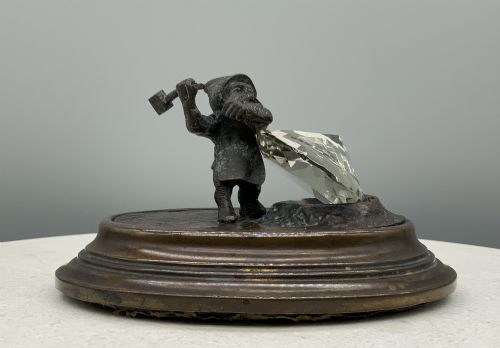
- Small, highly detailed miniature bronze sculptures produced in Austrian foundries during the late nineteenth and early twentieth centuries. They are frequently characterised by humorous or exotic subjects.
Vintage Bronze Figurine: Frequently Asked Questions
How do I clean a bronze sculpture?
Dust the surface gently with a soft, dry brush to remove accumulated particles without disturbing the underlying patination.
Avoid using water, chemical polishes, or abrasive cloths, as these substances can strip the original finish and damage the metal.
What is the difference between bronze and spelter?
Bronze is a durable copper alloy that takes fine casting details and develops a rich natural patina over time. Spelter is a softer, zinc-based metal that feels lighter and often shows pitting or fatigue beneath its surface paint.
Where were Vienna bronzes made?
These miniature sculptures were produced primarily in specialised foundries located in Vienna, Austria, during the late nineteenth and early twentieth centuries.
Artisans in these workshops specialised in intricate animal studies and figurative groups finished with cold-painted pigments.
How do I identify an Art Deco figure?
Art Deco figures typically feature streamlined geometry, stylized human forms, and dynamic poses associated with 1920s and 1930s design. They frequently stand on stepped marble or onyx bases rather than traditional ornate plinths.