
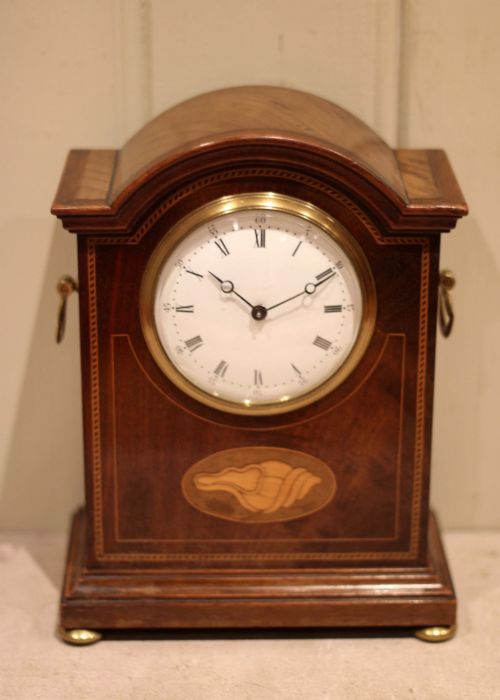
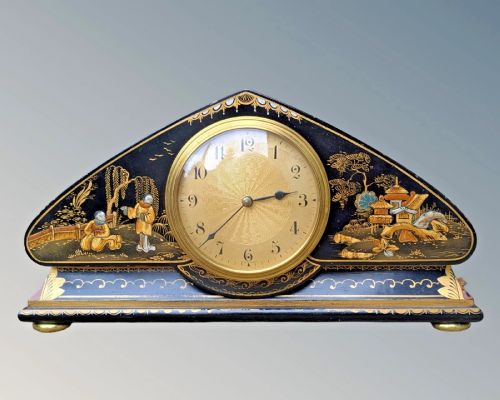
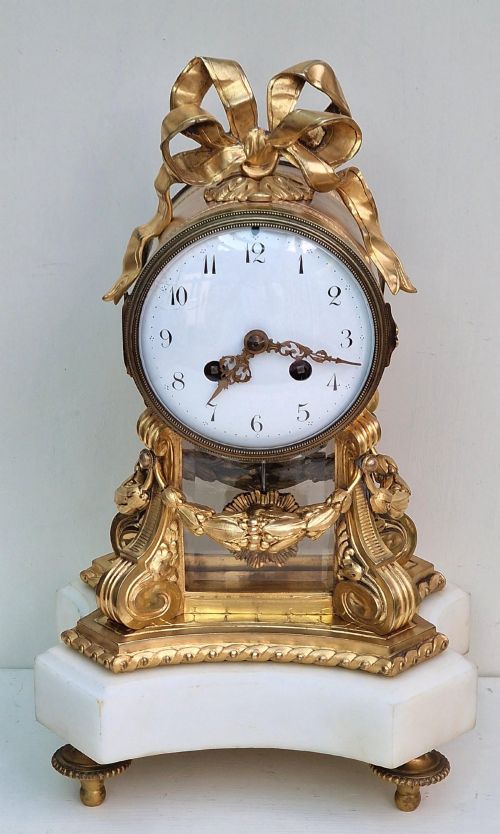
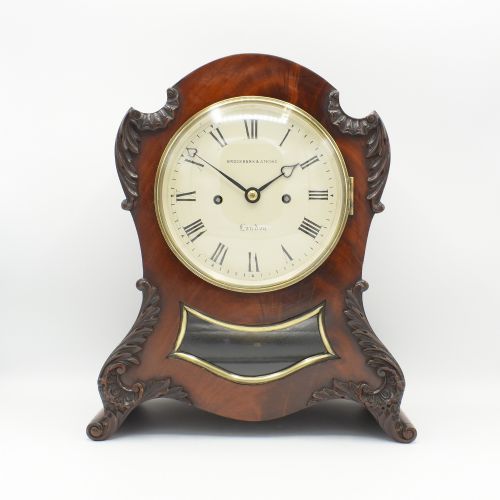
Vintage Brass Table Clock
A vintage brass table clock brings mechanical precision and nineteenth or twentieth-century craftsmanship directly onto the mantelpiece.

Vintage Brass Table Clock
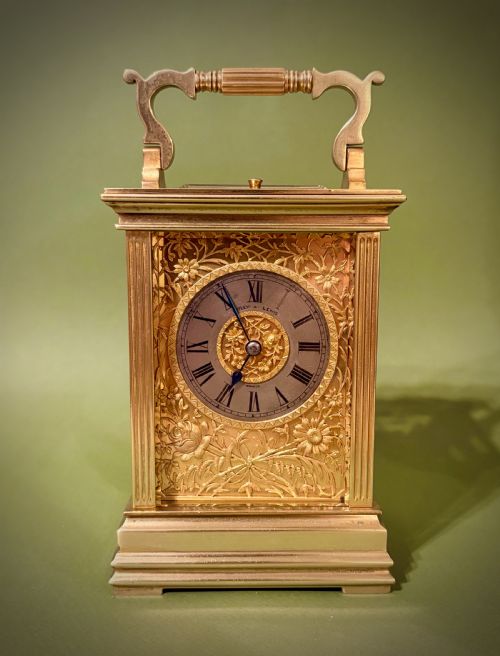
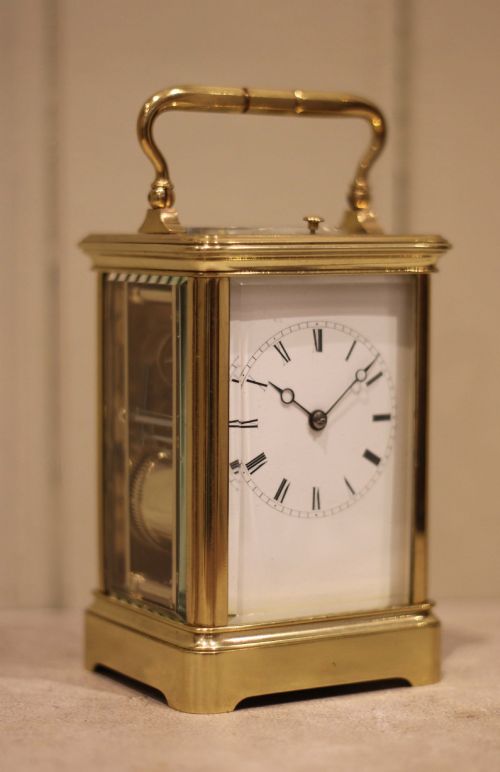
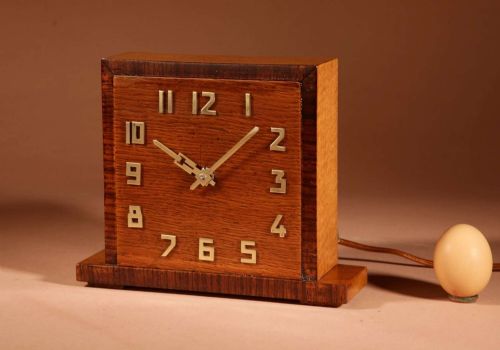
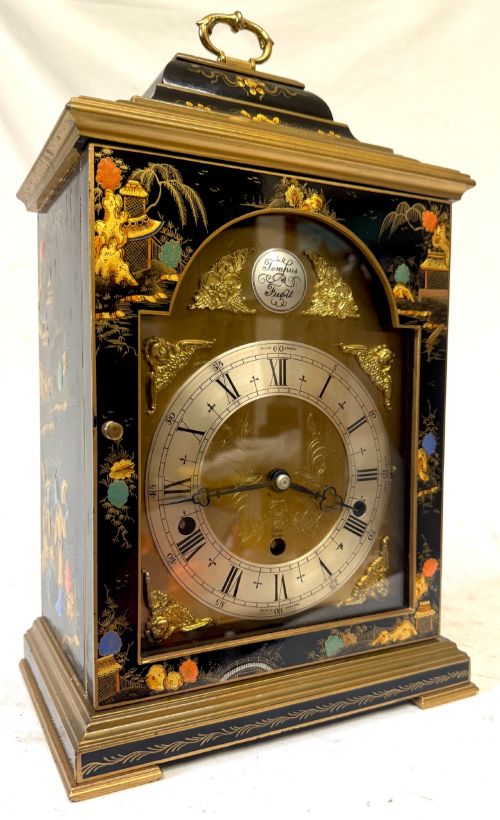
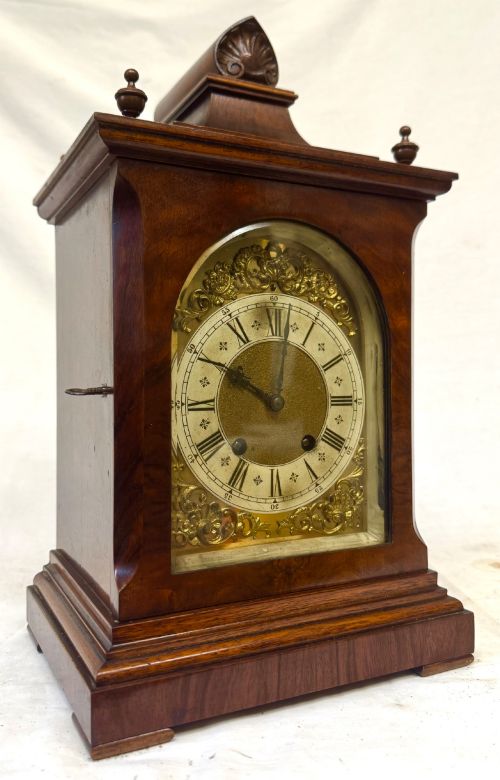
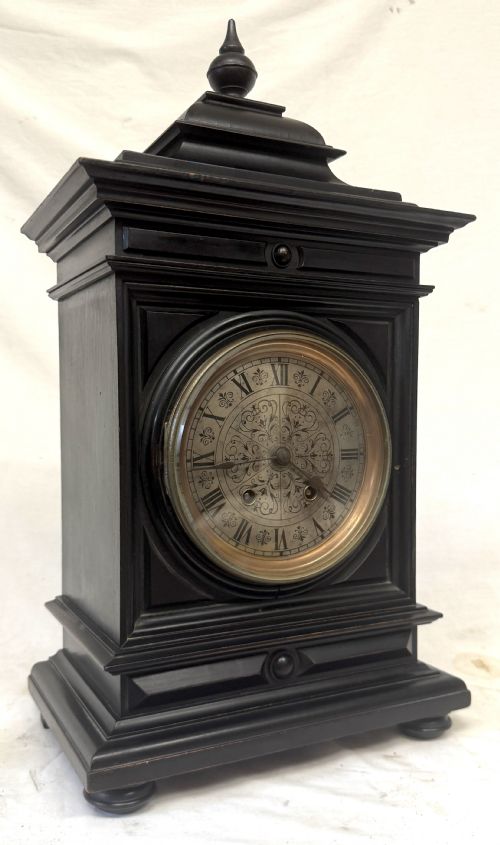
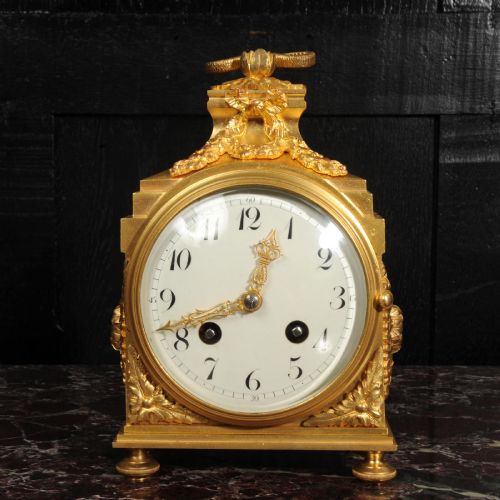
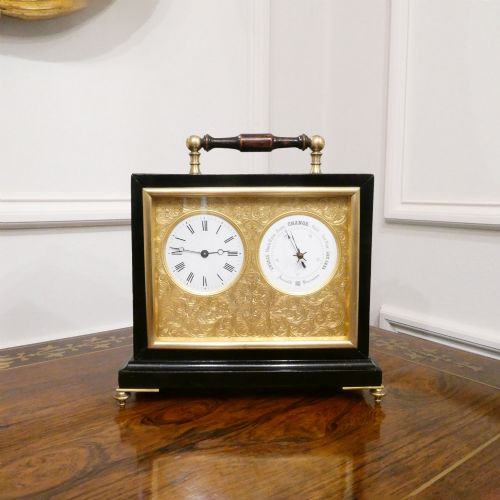
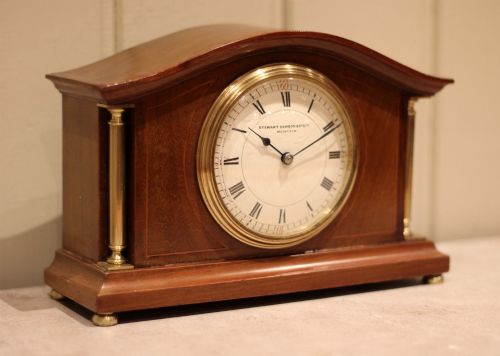
A vintage brass table clock encompasses items recorded across periods spanning the nineteenth and twentieth centuries, including Victorian, Edwardian, and Art Deco eras. Buyers searching this phrase meet forms such as carriage clocks, desk clocks, and mantel clocks.
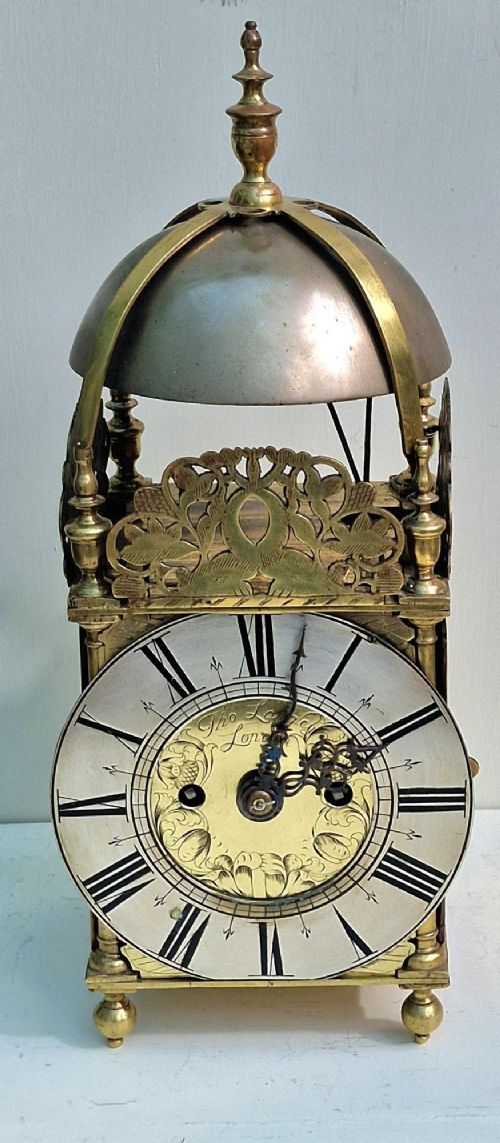
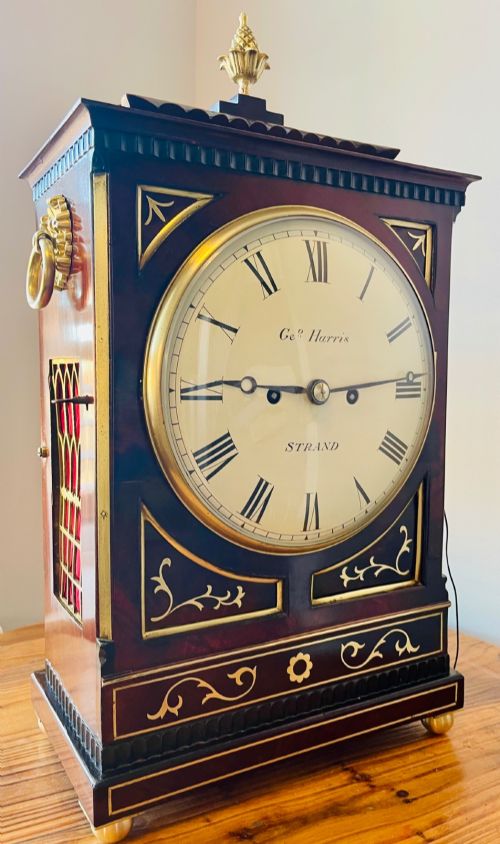
The material evidence shows these timepieces often combine brass with glass, enamel, and various woods like mahogany, oak, and rosewood. Origin markings point to English, French, and German makers creating bracket clocks and skeleton clocks alongside standard table timepieces.
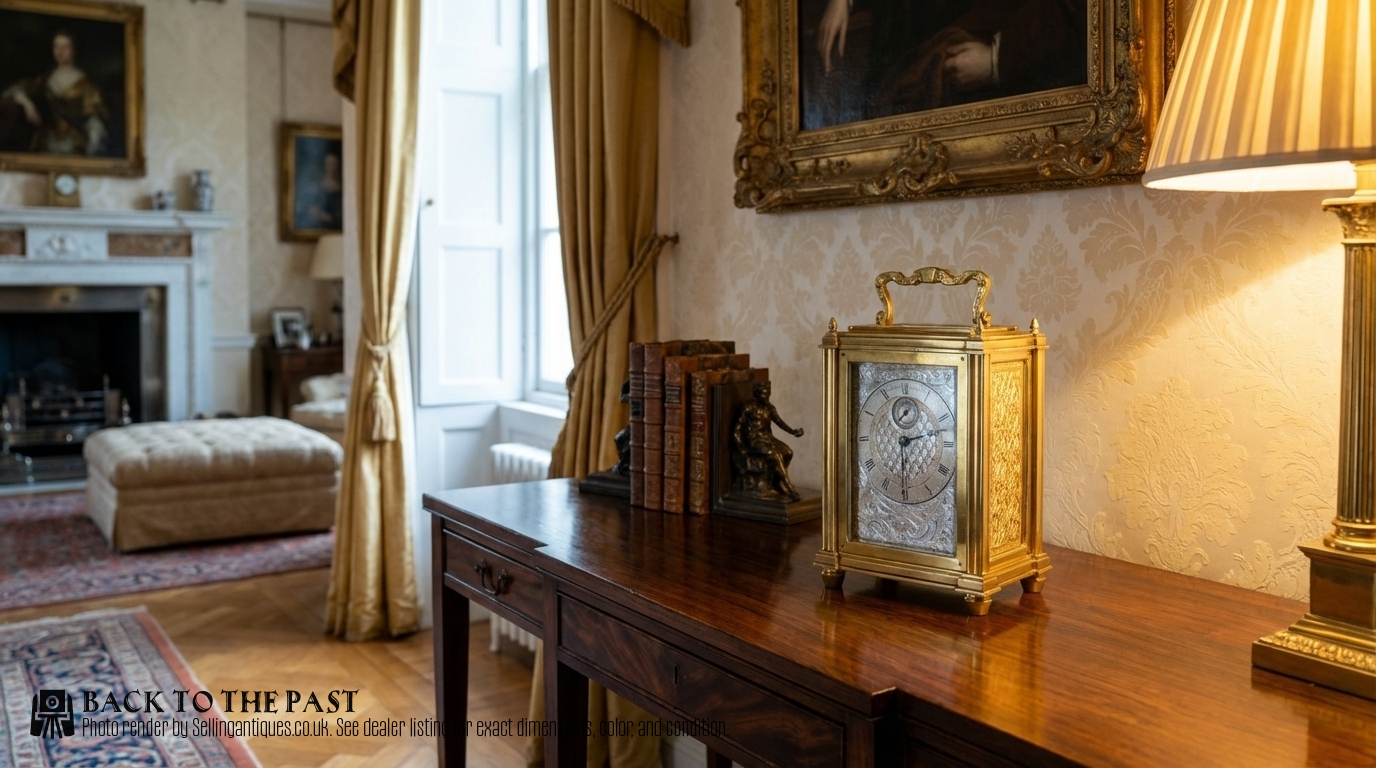
Materials and construction
Makers utilised cast and polished brass alongside gilt bronze and gilt brass to form the primary structures and bezels of these clocks. Glass panels frequently protect delicate dials, allowing light to reach silvered, white marble, or champlevé enamel faces.
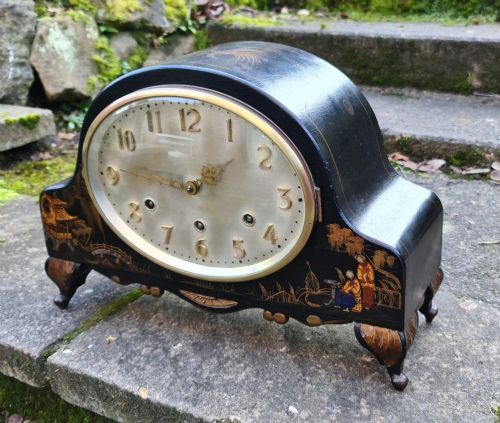
Wooden cases constructed from mahogany, rosewood, and oak provide sturdy housings for mechanical movements driven by fusee or spring mechanisms. Artisans incorporated intricate details such as inlay, lacquer work, and patinated hammering on metal surfaces.
Vintage Brass Table Clock Retail Price Guide 2026
Typical asking prices for vintage brass table clock among the pieces listed under this phrase on Sellingantiques today, from the lower quarter to the upper quarter. They describe what is for sale here now, not the wider market.
Some nineteenth-century French officers clearly valued punctuality, commissioning miniature brass clocks robust enough for military campaigns.
Distinctions in standard
Quality separates through the crispness of brass casting, the refinement of dial engraving, and the precision of the internal mechanical movement. Clocks featuring hand-chiselled gilt bronze or detailed champlevé enamel sit at the higher end of the scale.
The integrity of the housing and movement combination determines overall standard, with fully restored mechanical components and intact original glass panels indicating superior preservation.

Thomas Langley·Brockbanks and Atkins·William Gard·Barwise London·Mappin and Webb·Walker and Hall·Winterhalder·Richard Winter
The Vintage Brass Table Clock Glossary
- Carriage clock
- A portable timepiece traditionally fitted with a folding handle and glass panels on all sides for travelling. These pieces originated in France during the nineteenth century.
- Bracket clock
- A portable table clock historically designed to sit upon a wall bracket or table surface. They often feature striking mechanisms and intricate wooden cases.
- Fusee
- A conical pulley used within clock movements to maintain equal force on the gear train as the mainspring unwinds. This device improves the timekeeping accuracy of the clock.
- Skeleton clock
- A timepiece engineered with an open framework that exposes the gear trains and escapement. This design allows observers to watch the mechanical operation from multiple angles.
- Champlevé enamel
- A technique where troughs are carved into a metal surface and filled with vitreous enamel powder before firing. The resulting piece shows vibrant coloured patterns flush with the surrounding metal.
Vintage Brass Table Clock: Frequently Asked Questions
How do I wind a mechanical table clock?
Insert the appropriate key into the winding arbor on the dial or backplate and turn it gently until resistance is felt. Care must be taken not to overwind the spring.
Most mechanical clocks require a regular weekly or daily routine to maintain consistent operation. Ensure the clock stands on a level surface before setting the hands.
Where should I place a brass table clock?
Select a stable, vibration-free surface such as a wooden mantelpiece, desk, or sideboard away from direct sunlight and moisture. Placement in steady ambient temperatures helps protect delicate internal metals and wood veneers.
Ensure the location allows easy access for winding and setting the time without knocking surrounding decorative items.
How can I tell the period of my clock?
Examine the materials, case style, dial design, and any maker signatures stamped on the movement or face. Stylistic markers such as Art Deco geometric lines or Victorian mahogany inlays point to specific decades.
Comparing structural details with documented examples from similar makers provides a reliable method for dating the piece.
What maintenance do these clocks need?
Routine care involves dusting the exterior brass and glass components with a soft, dry cloth. Avoid applying commercial polishes directly onto historic metal surfaces to preserve original patination.
Internal movements benefit from professional cleaning and lubrication every few years to keep the gear trains running smoothly.