


Vintage Brass Coffer
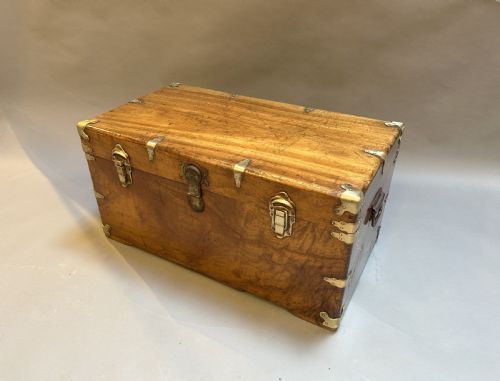
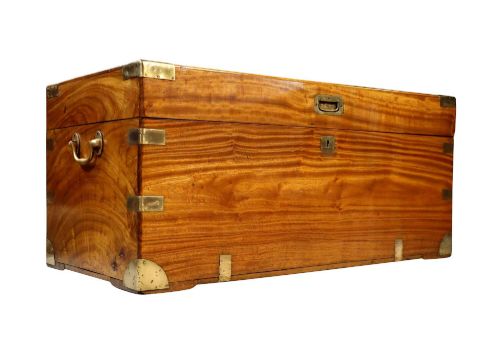
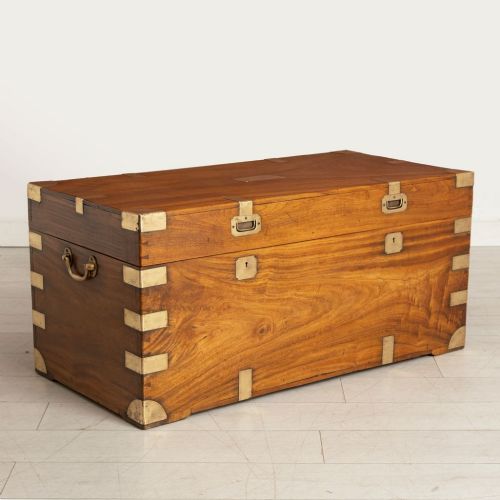
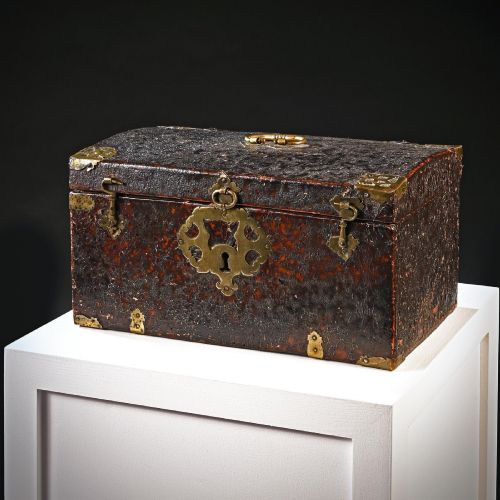
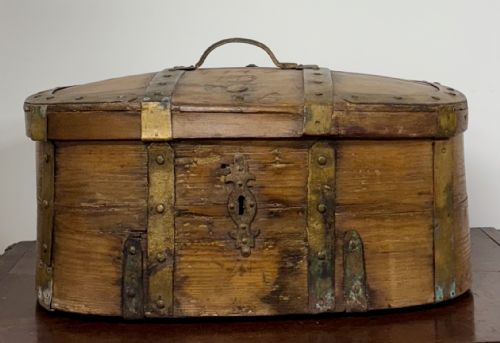
These vintage brass coffer examples comprise timber trunks and boxes bound in metal, built to travel and hold valuables.
Vintage Brass Coffer
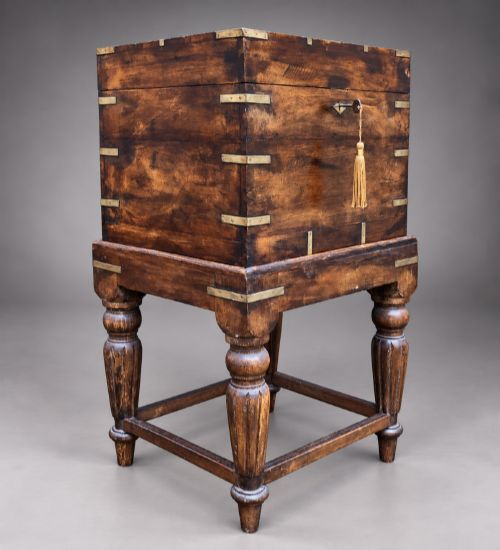
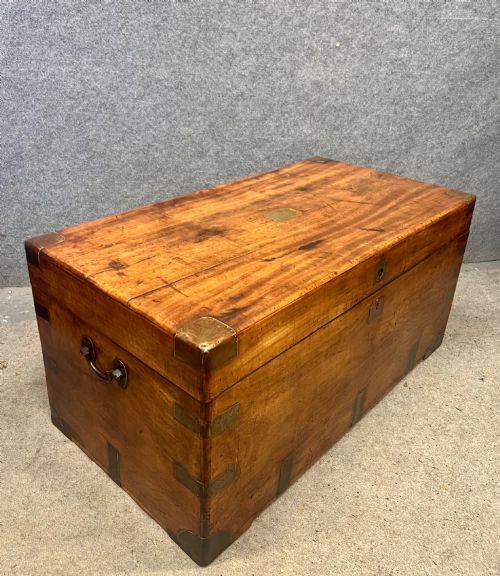
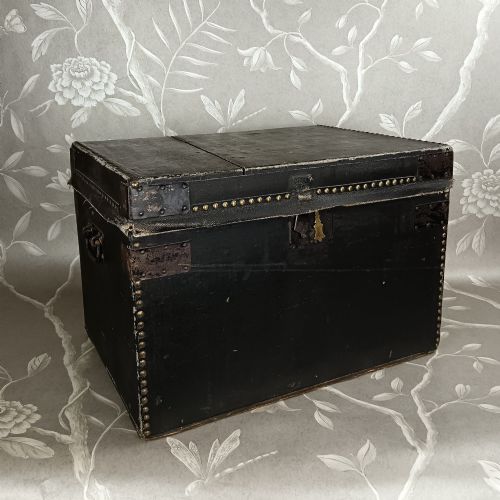
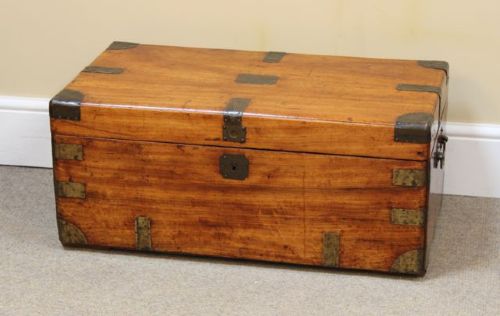
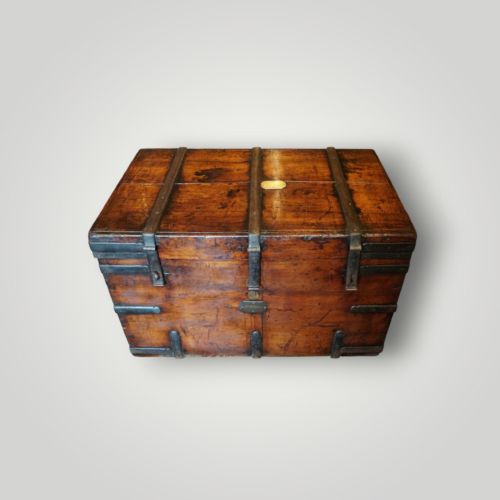
A vintage brass coffer takes the form of a sturdy wooden trunk or chest strengthened with metal corners, straps, and corner brackets. These pieces emerge predominantly from the nineteenth century, including Victorian campaign and military styles designed for transport.
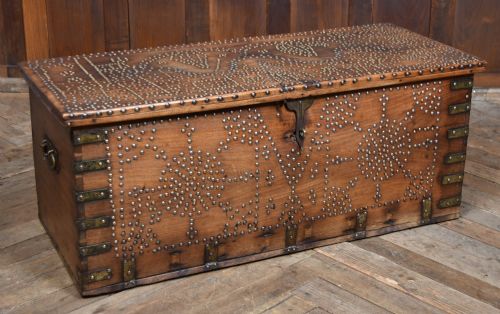
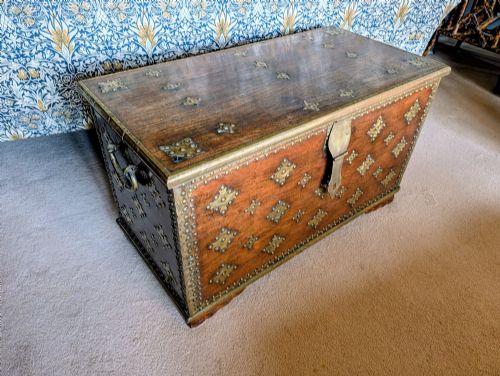
The traveller encounters camphor wood, teak, padouk, and mahogany timbers enclosed in brass bindings, alongside leather and iron bound variants. Many examples show the influence of colonial trade and military movement, particularly through Anglo-Indian and Zanzibar forms.
Storage trunks and deed boxes dominate the selection, functioning historically as secure receptacles for documents and personal effects during long journeys. The nineteenth-century campaign chest stands as the most frequent meeting point for buyers seeking this aesthetic.
How they were made
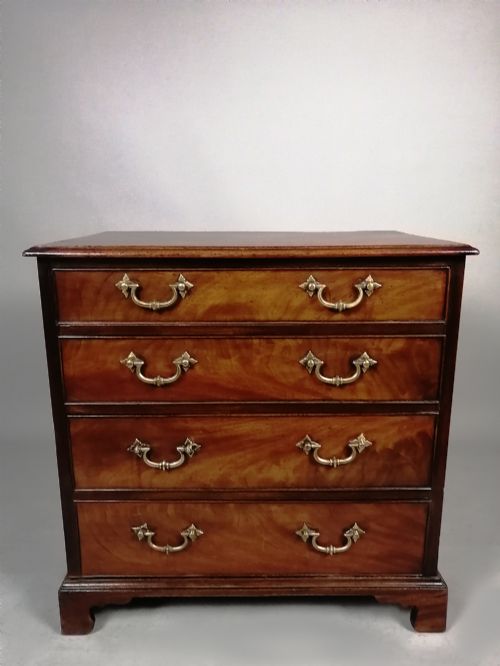
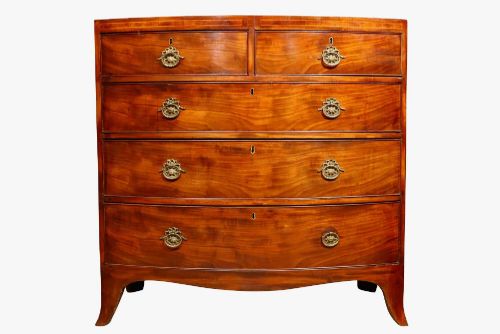
Joiners constructed these boxes from durable tropical hardwoods like camphor wood and padouk, which resisted insects and damp conditions during transit. Pine, oak, and mahogany also appear in domestic chests and drawers.
Metalworkers reinforced the timber bodies using brass straps, corner braces, and decorative studwork, secured with iron or brass nails. Leather covers appear on specific travelling trunks, finished with metal bindings and carrying handles.
Listings feature eighteenth and nineteenth century periods, utilising camphor wood, teak, oak, and leather alongside brass and iron.
What varies in quality
The integrity of the original brass mounts and corner brackets dictates much of the physical distinction between pieces. Complete flush-fitting hardware and original inset carrying handles indicate superior workshop standards.
Timber selection and the crispness of dovetail joinery separate standard utility trunks from luxury commissioned pieces. Well-figured camphor wood or dense padouk combined with meticulous brass stud work marks the upper tier of surviving examples.
Samuel Pratt·Wm. Insall of Bristol·Arthur Wannop
The Vintage Brass Coffer Glossary
- Campaign chest
- A modular chest of drawers or trunk made in sections with recessed brass handles for military transport.
- Camphor wood
- An aromatic timber native to Asia, prized for its insect-repelling properties in storage trunks.
- Studwork
- Decorative or reinforcing metal pins driven into leather or wood surfaces in patterns along trunk edges.
- Deed box
- A smaller secure container utilised for holding legal documents, title deeds, and valuable papers.
- Zanzibar chest
- An ornate storage box featuring elaborate brass stud decoration and straps, associated with East African trade routes.
Vintage Brass Coffer: Frequently Asked Questions
What is a vintage brass coffer used for?
These chests function as practical storage furniture for blankets, linens, and personal possessions within modern rooms. Their sturdy construction suits placement at the foot of a bed or as a living room coffee table.
Historically, owners packed these trunks for maritime voyages and military campaigns to protect uniforms and papers. The internal compartments kept belongings organised during transit across difficult terrain.
How do I identify a campaign trunk?
Campaign trunks feature recessed brass handles and reinforced metal corners designed to withstand rough handling without snagging. They frequently separate into distinct sections for easier loading onto pack animals or ships.
Look for durable tropical hardwoods like camphor wood or teak beneath the protective metal bindings. Maker stamps and brass military plaques often appear on superior examples from the nineteenth century.
How do I care for camphor wood?
Maintain camphor wood chests by dusting with a dry cloth and avoiding direct sunlight to prevent the timber from drying out. Periodic application of natural wax preserves the lustre of the wood and the distinct aroma.
Keep the metal bindings clean by wiping them gently without harsh chemical polishes that might damage the surrounding timber. Ensuring stable room humidity prevents the wood from warping over time.
Are these trunks waterproof?
Original nineteenth-century travelling trunks provided weather resistance during transit rather than complete waterproofing. The tight grain of woods like teak and camphor offered natural defence against damp conditions.
Leather-covered variants relied on treated hides and metal edging to shed moisture during carriage. Modern placement should avoid damp areas to protect the historic internal linings and paper labels.