


Oriental Wooden Trunk
An oriental wooden trunk offers enduring utility and regional character, bringing centuries of craftsmanship and storage to the modern room.
Oriental Wooden Trunk
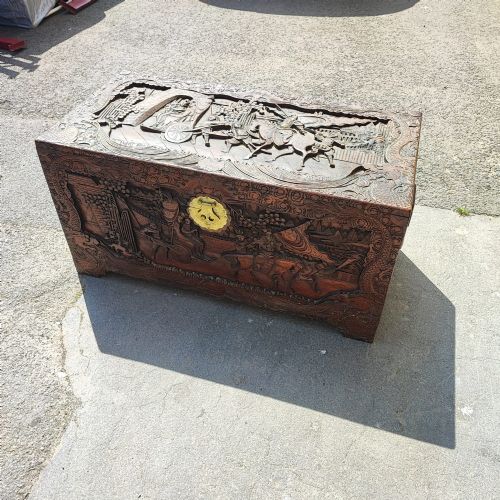
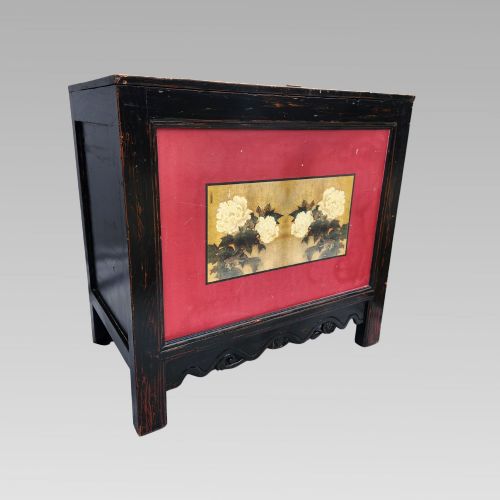
An oriental wooden trunk serves as a practical storage chest or blanket box while carrying distinct historical designs from distant workshops. Buyers exploring this category encounter a range of forms, from campaign chests and blanket boxes to lacquered coffers.
The pieces appearing on this page span several centuries, with nineteenth-century examples and early twentieth-century variations forming the majority of the current selection. These items originated across diverse regions including China, Japan, and India, reflecting traditional local trades.
Forms vary considerably, encompassing simple storage trunks, cabinet combinations, and occasional tables. Buyers frequently find camphor wood and hard woods shaped into sturdy boxes designed for travel or domestic storage.
Materials and construction methods
Carpenters utilised resilient regional timbers, predominantly camphor wood, teak, rosewood, and general hardwoods, selected for their durability and resistance to insects. These woods were often heavily carved with figurative or floral motifs using traditional hand tools.
Metal hardware played a crucial structural and decorative role, featuring brass hinges, corners, and straps alongside iron or copper elements. Lacquer finishes were also applied to specific surfaces, occasionally combined with leather or painted details.
Oriental Wooden Trunk Retail Price Guide 2026
Typical asking prices for oriental wooden trunk among the pieces listed under this phrase on Sellingantiques today, from the lower quarter to the upper quarter. They describe what is for sale here now, not the wider market.
Current listings incorporate eighteenth-century export pieces alongside nineteenth-century campaign trunks and twentieth-century camphor wood blanket boxes.
Assessing quality and execution
Quality rests upon the depth and crispness of the hand carving, the integrity of the timber joints, and the survival of original hardware. Finer trunks display meticulous relief work on camphor wood and robust joinery designed to endure long journeys.
The presence of untouched period finishes, such as original black lacquer or authentic brass mountings, elevates an example. Conversely, heavy later alterations or replaced structural elements alter the character of the piece.
The Oriental Wooden Trunk Glossary
- Camphor wood
- A fragrant timber native to Asia, prized for storage chests because its natural scent deters moths and insects. It is soft to work yet stable over time.
- Coffer
- A heavy wooden chest traditionally used for storing valuables or documents. These pieces often feature secure locking mechanisms and reinforced iron or brass banding.
- Chinoiserie
- European interpretation and imitation of Chinese and East Asian artistic traditions, particularly popular in decorative lacquerwork and painted furniture. This style appears on several storage chests.
- Tansu
- Traditional Japanese mobile cabinetry and storage chests constructed from wood with distinct iron fittings. These items were built in sections for practical household organisation.
- Zanzibar chest
- A heavy hardwood storage trunk decorated with brass studs and intricate strapwork, originating from East Africa and influenced by Indian craftsmanship. They were built for maritime trade and travel.
Oriental Wooden Trunk: Frequently Asked Questions
What were oriental wooden trunks used for originally?
These chests served primarily for storing garments, blankets, and personal valuables during domestic life or maritime transit. Campaign trunks and travel boxes were specifically constructed to withstand the rigours of long journeys.
Over time, many functioned as stationary furniture within homes, acting as blanket boxes or coffee tables while keeping contents protected from humidity and pests.
How do I care for a camphor wood trunk?
Keep the wood away from direct heat sources and sudden humidity shifts to prevent the timber from splitting. Dust the carved surfaces gently with a dry cloth and avoid harsh chemical polishes.
If the characteristic camphor aroma fades, lightly sanding the interior can sometimes revive the natural scent. Ensure brass hardware is cleaned gently without abrasive materials.
How do I date an antique wooden trunk?
Examine the construction methods, tool marks on the interior boards, and the style of the brass or iron hardware. Nineteenth-century examples often display hand-cut dovetails and heavy regional mounts.
Compare the specific motifs and lacquer techniques against documented periods like the Qing Dynasty or Meiji period. Makers and dates stamped or written on the underside also provide direct clues.
Can I use a trunk as a coffee table?
Flat-topped trunks and coffers function very well as living room tables while offering hidden storage for blankets and books. Ensure the lid is structurally stable and supports weight without flexing.
Place protective pads beneath objects placed on top to safeguard the antique lacquer or polished wood surface.