




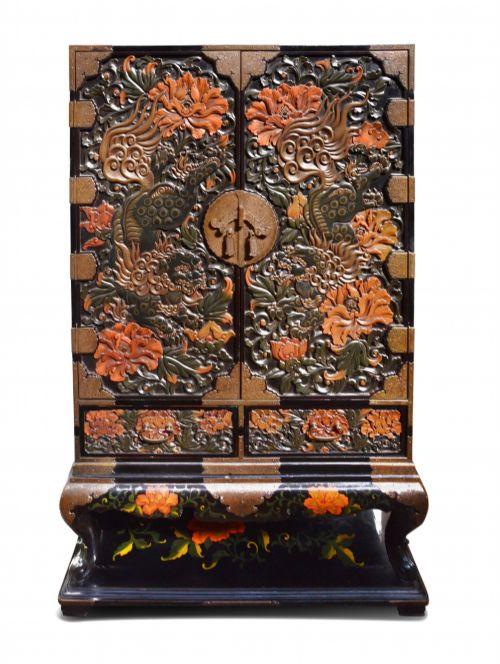
Oriental Brass Chest
An oriental brass chest brings textured metalwork and rich timbers together, offering practical storage with distinct global trade roots.
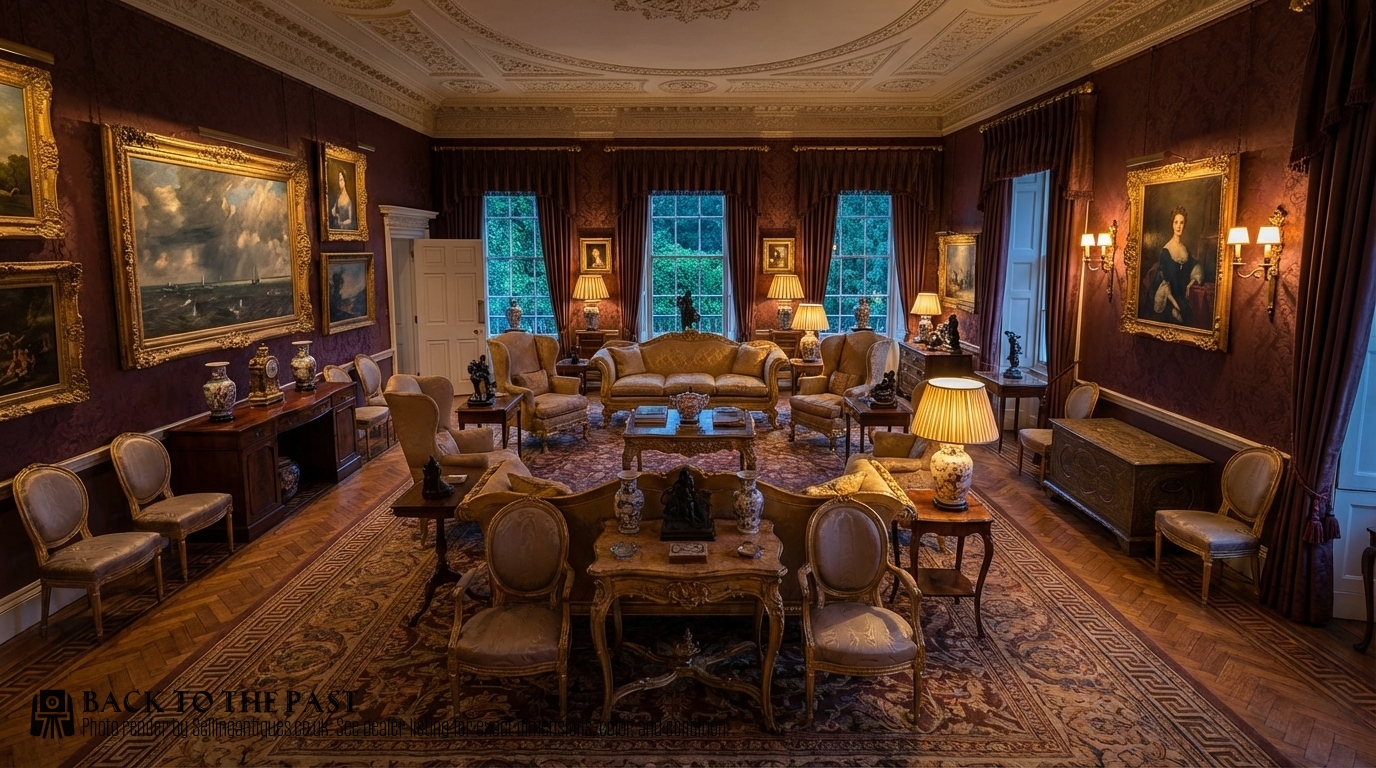
Oriental Brass Chest
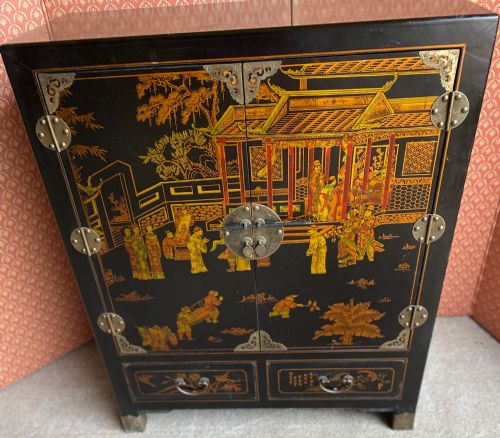
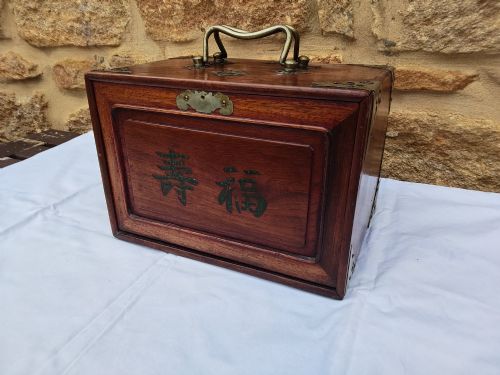
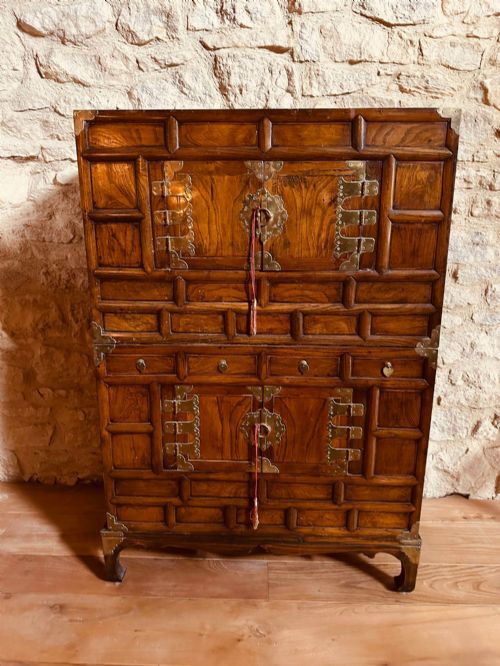
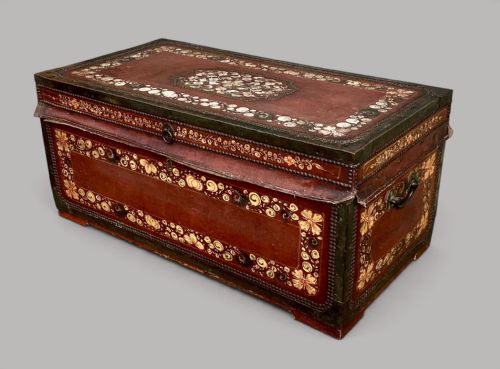
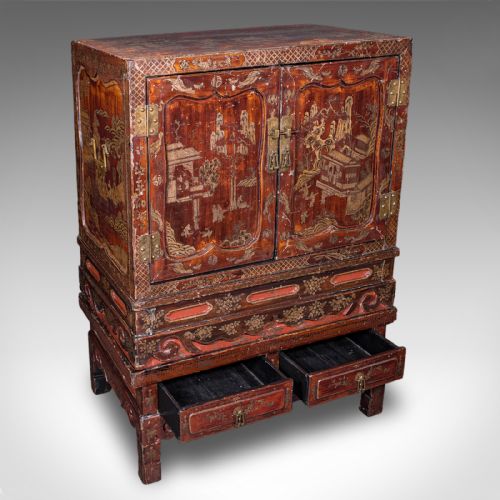
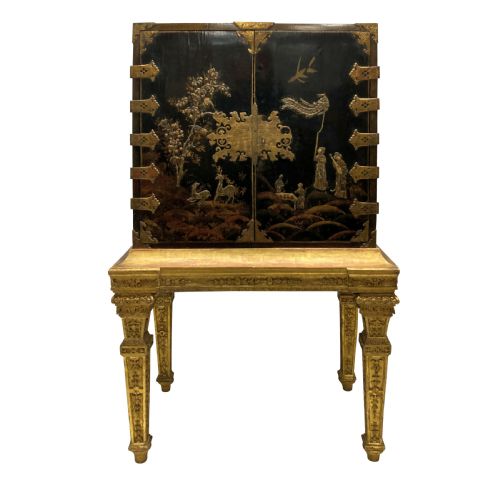
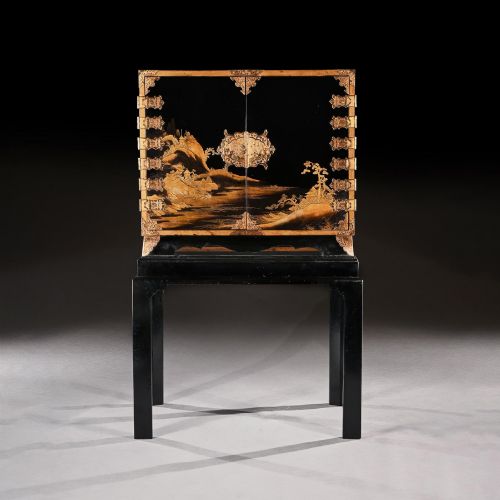
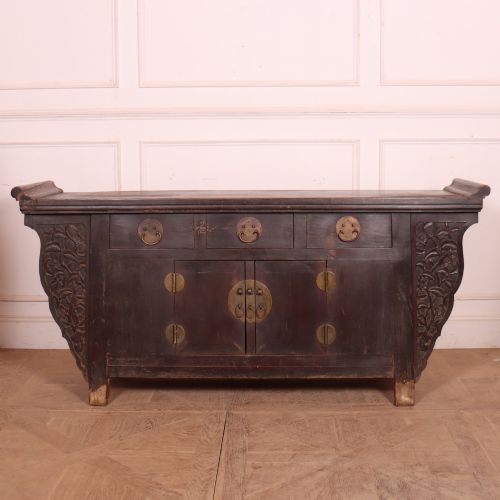
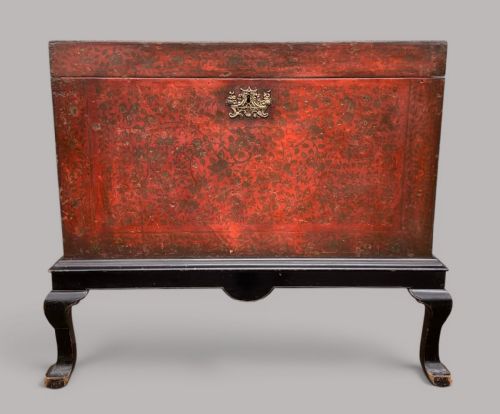
An oriental brass chest encompasses a broad category of storage furniture, ranging from heavy camphor wood travel trunks to standing cabinets on stands.
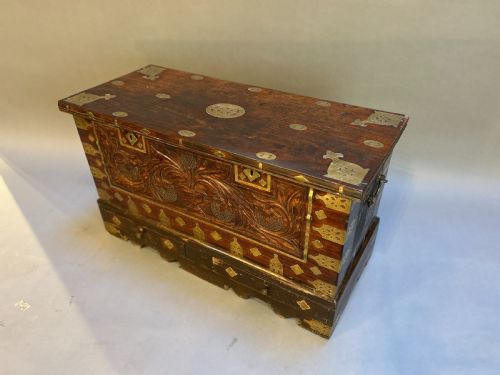
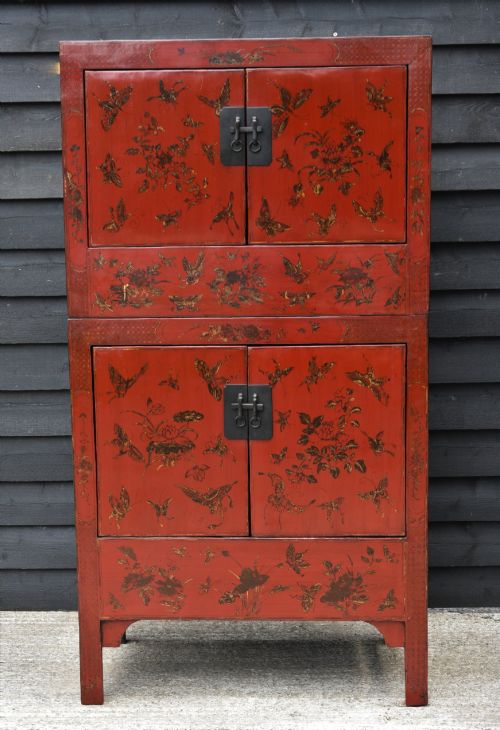
Buyers seeking an oriental brass chest frequently encounter nineteenth-century camphor wood boxes, teak trade chests, and elaborate lacquered cabinets.
Origins stretch across China, India, Korea, and East Africa, reflecting the maritime trade routes that connected distant workshops with British homes.
Materials and Construction
Timbers such as camphor wood, teak, elm, and rosewood form the sturdy primary carcases, chosen for durability and resistance to pests.
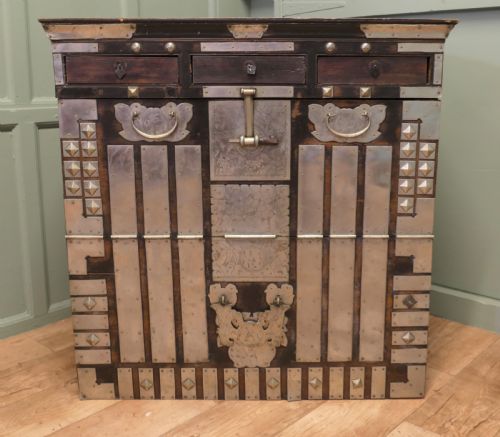
Brass hardware, including bound corners, decorative lock plates, and substantial hinges, reinforces the structural joints while providing visual contrast.
Surfaces frequently layer red or black lacquer, polychrome paint, or intricate hand-carved panels depicting traditional motifs.
Oriental Brass Chest Retail Price Guide 2026
Typical asking prices for oriental brass chest among the pieces listed under this phrase on Sellingantiques today, from the lower quarter to the upper quarter. They describe what is for sale here now, not the wider market.
Certain archive pieces are decorated with lions and elephants, merging utilitarian brass hardware with menagerie wildlife.
Craftsmanship and Proportion
Quality rests in the crispness of the brass detailing and the weight of the metal hardware relative to the timber carcase.
Finer examples retain original locks, hinges, and patinated surfaces rather than modern replacements.
Proportion and the depth of hand-carved relief work distinguish standard utility trunks from exceptional export pieces.
Harrods
The Oriental Brass Chest Glossary
- Camphor wood
- A fragrant timber traditionally utilised for storage chests due to its natural insect-repellent properties. It often retains its distinct aromatic scent.
- Zanzibar chest
- A heavy travel chest originating from East Africa and India, defined by dense hardwoods and elaborate brass studwork and strapwork.
- Chinoiserie
- European artistic interpretation of Chinese and East Asian decorative styles, commonly applied to lacquered cabinets and stands.
- China Trade
- Goods manufactured in East Asia specifically for export to Western markets during the eighteenth and nineteenth centuries.
- Bandaji
- A traditional Korean blanket chest constructed with prominent metal hardware and framing, often utilising elm or other native woods.
Oriental Brass Chest: Frequently Asked Questions
How do I care for a camphor wood chest?
Keep the wood away from direct heat sources and strong sunlight to prevent the timber and lacquer from drying out. Dust regularly with a dry cloth and avoid harsh chemical polishes.
Allow the interior to breathe periodically. The natural scent of the wood guards against pests naturally without requiring chemical treatments.
Were these chests used for travel?
Many examples, particularly those bound in brass with sturdy carrying handles, served as luggage and travel trunks for merchants and officials.
Heavier standing cabinets and blanket boxes remained stationary in homes, serving as permanent storage furniture for textiles and valuables.
How can I tell the period of a chest?
Examine the construction methods, such as dovetailing, tool marks on the timber, and the style of the brass hardware. Earlier pieces from the seventeenth and eighteenth centuries often display different joinery and hand-hammered metal.
Compare the surface finish and decorative motifs with documented examples from the same region and trade era.
Where should I place a chest in my home?
A large trunk works well at the foot of a bed or as a coffee table in a living room, providing hidden storage. Smaller table cabinets find a place on sideboards or desks.
Ensure the room has stable humidity levels to protect the antique wood and brass components from expansion and contraction.