


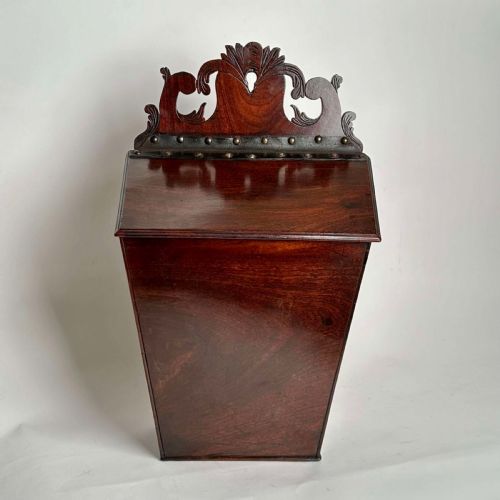

Carved Brass Storage Box
These carved brass storage box pieces span centuries of global trade, offering sturdy timber construction embellished with intricate metalwork for your home.

Carved Brass Storage Box
When you search for a carved brass storage box, you encounter a diverse array of chests, trunks, and coal boxes originating from British, European, and colonial workshops. These vessels served practical purposes for holding household goods, textiles, and fuel across multiple centuries.
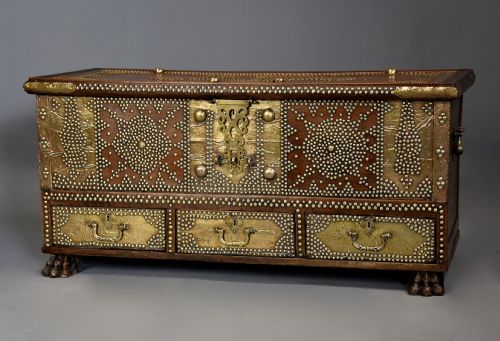
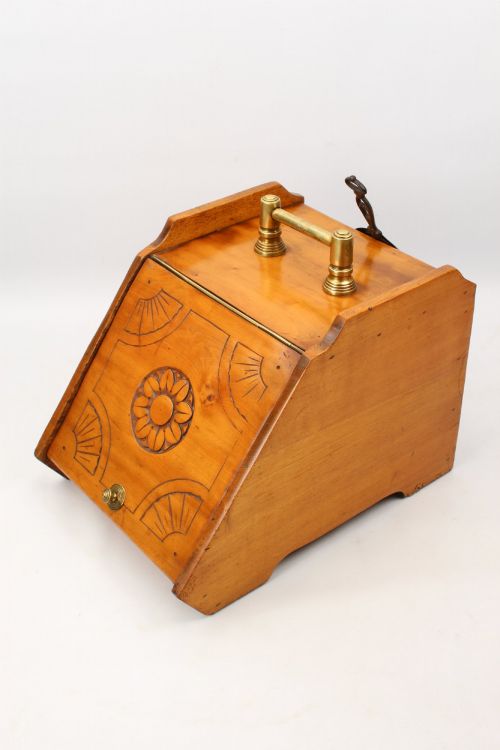
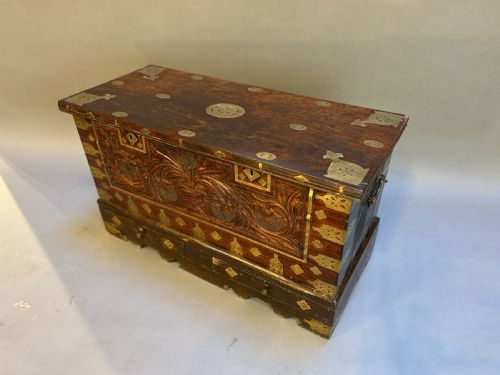
The versions most likely to appear on this page include nineteenth-century camphor wood blanket boxes, Victorian oak coal scuttles, and heavy Zanzibar trade chests. Each form carries distinct regional characteristics tied to its original domestic or mercantile function.
How carved brass storage box pieces were made
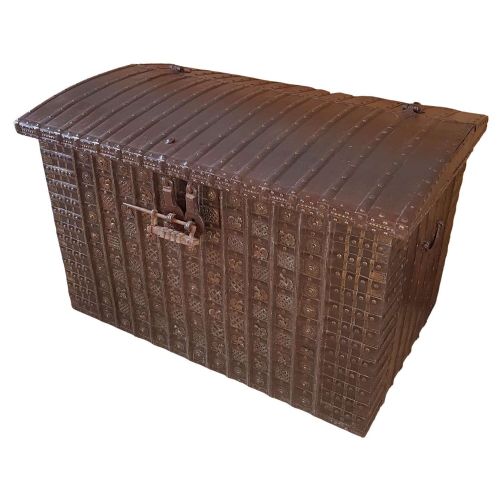
Artisans constructed these vessels using dense hardwoods such as mahogany, oak, teak, and camphor wood, joined with traditional framing methods. Metalwork played a structural and decorative role, featuring heavy brass studs, strapwork, and hinges hammered or cast by hand.
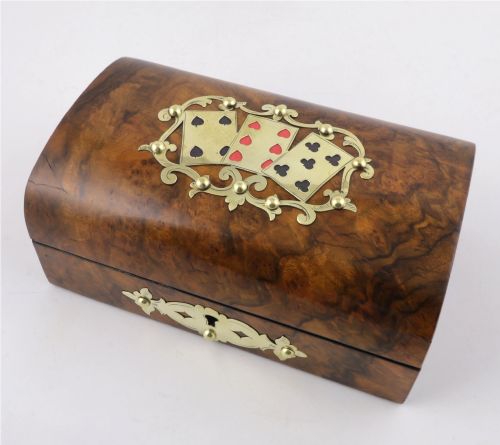
Surface ornamentation combined deep relief carving in wood with applied brass plates and corner brackets. Makers utilised local timbers available to their workshops, pairing regional woods with imported brass components.
What varies in quality
The calibre of a piece depends on the depth and precision of the wood carving alongside the weight and complexity of the brass embellishments. Superior examples display crisp joinery and robust metal mountings that remain tightly fixed to the timber substrate.
Proportion and material selection also distinguish finer items, particularly where dense hardwoods like teak, rosewood, or ebony meet meticulously punched and engraved brass work. Lesser pieces often rely on simpler timber frames with minimal surface decoration.
The Carved Brass Storage Box Glossary
- Mule chest
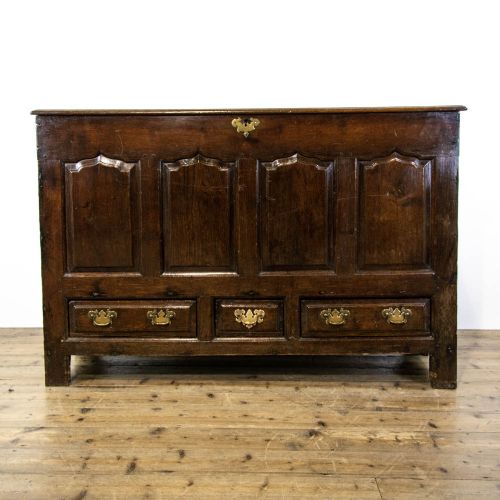
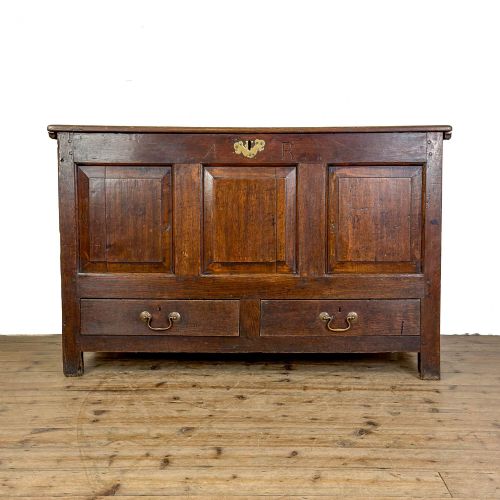
- A storage chest featuring one or more drawers beneath the main lidded compartment. This form developed in regional British workshops during the eighteenth century.
- Coal scuttle
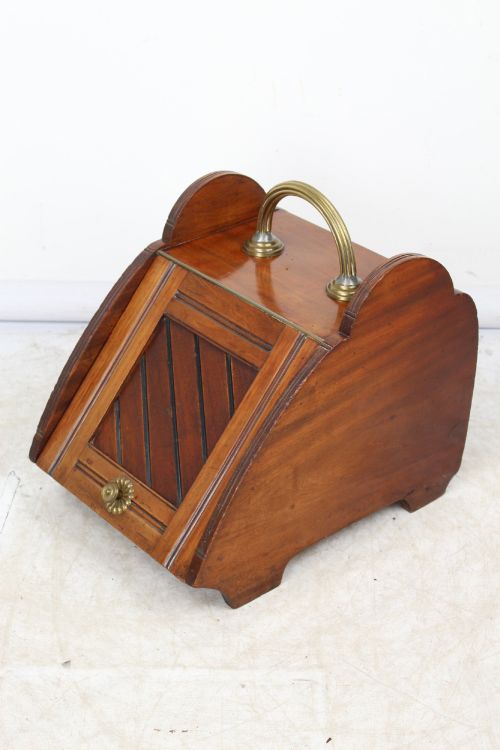
- A domestic container designed to hold coal for a fireplace, often fitted with a metal liner and a matching shovel. Victorian examples frequently incorporate brass handles and decorative wooden panels.
- Zanzibar chest
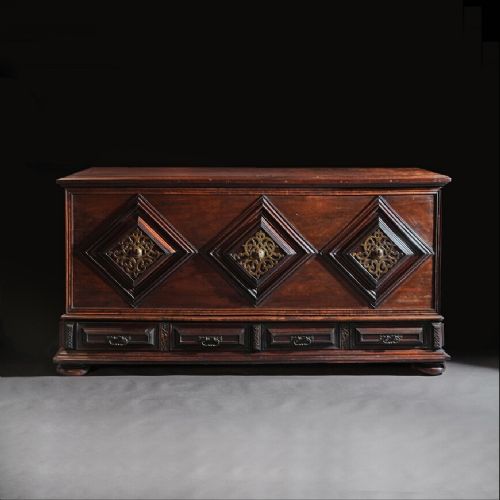
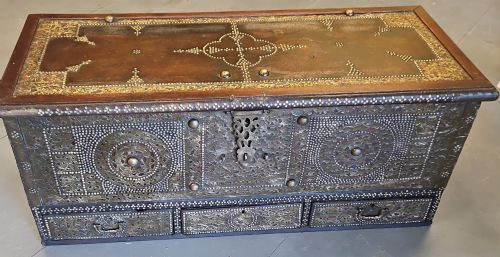
- A heavy trading chest made from hardwoods such as teak or camphor wood, heavily decorated with brass studs and strapwork. These pieces reflect trade routes connecting India, the Middle East, and East Africa.
- Purdonium
- A specific type of Victorian coal box that opens to reveal an internal metal hod or tipping container. They are typically fashioned from oak or walnut with brass fittings.
Carved Brass Storage Box: Frequently Asked Questions
How were Zanzibar chests used?
Zanzibar chests functioned as secure travelling trunks and domestic storage for merchants operating across maritime trade routes. Their sturdy hardwood construction protected valuable goods during long voyages.
In homes, they served as prominent furniture for storing textiles and valuables, with heavy brass studding and hardware providing both reinforcement and status.
How do I care for camphor wood?
Camphor wood requires minimal maintenance due to the timber's natural oils and aromatic qualities. Keep the wood away from direct heat sources and strong sunlight to prevent the surface from drying out.
Dust the carved exterior gently with a dry cloth and avoid applying heavy commercial polishes that might seal the wood pores.
Are coal scuttles still usable?
Antique coal scuttles can still hold fuel near a fireplace, provided the internal metal liner remains intact and sound. Many owners also utilise them as dry storage bins for kindling or household items.
When placing them near an active fire, ensure the brass fittings and wooden panels are protected from excessive heat exposure to preserve the finish.