


Vintage Bevelled Glass
Vintage bevelled glass captures light with angled edge work, bringing depth and period character to mirrors, clocks, and lanterns.
Vintage Bevelled Glass
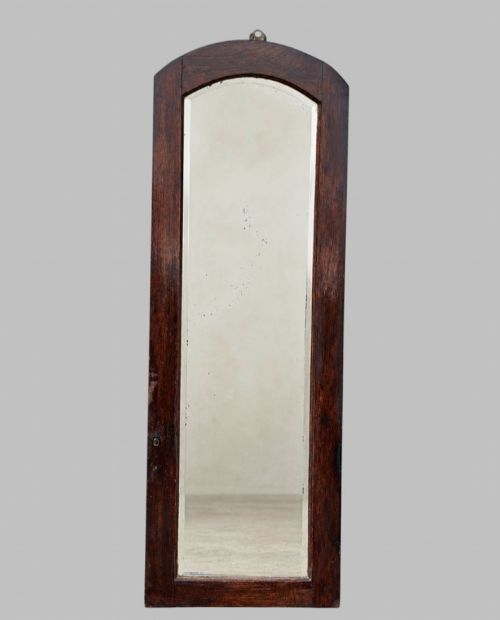
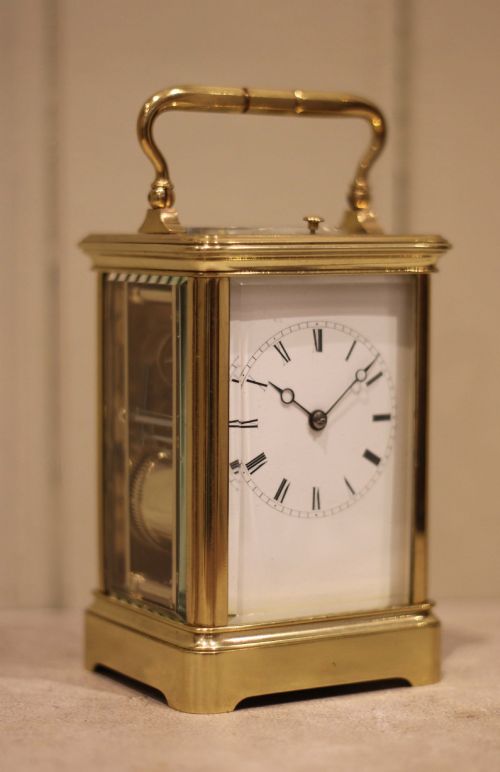
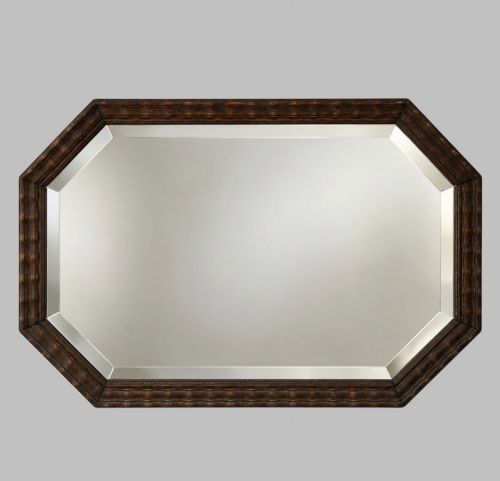
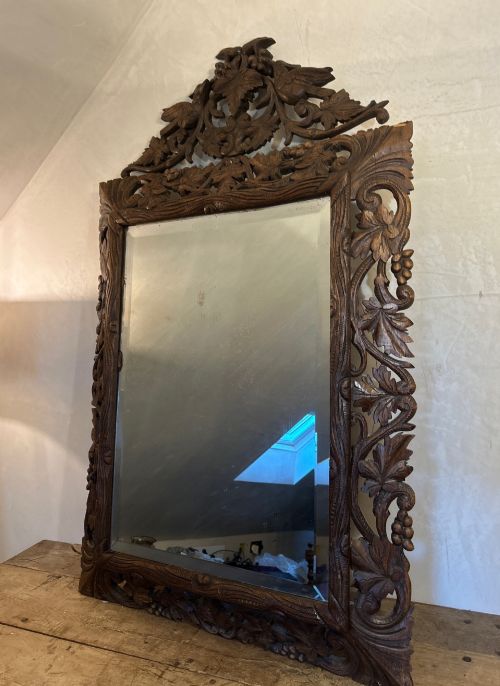
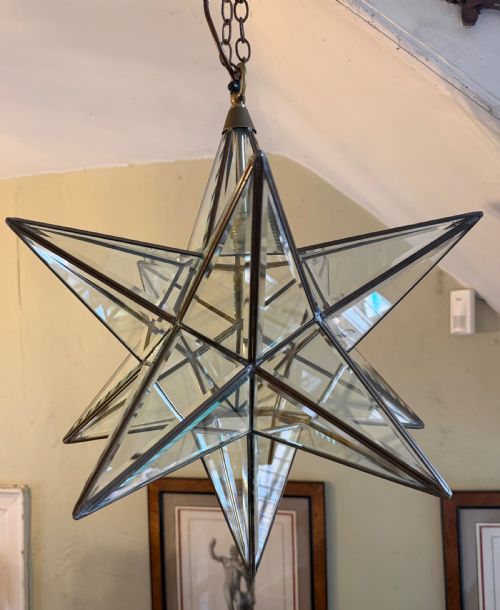
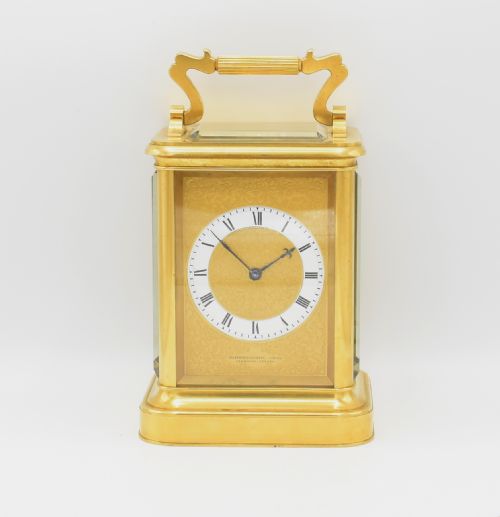
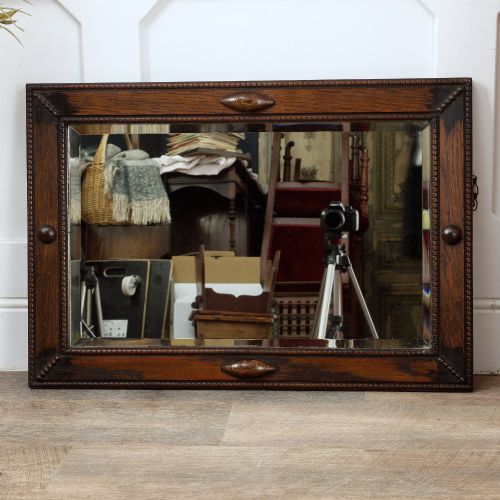
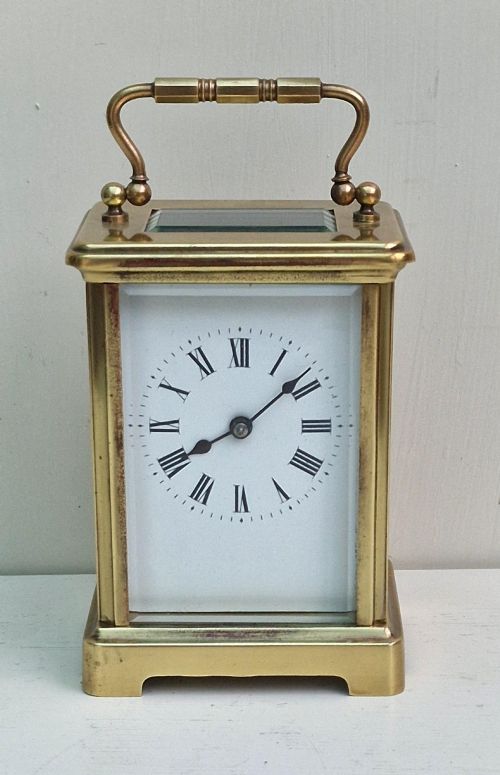
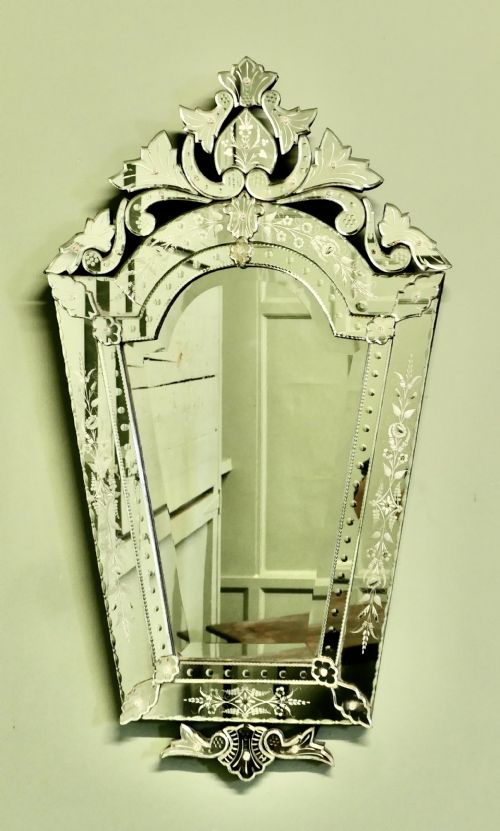
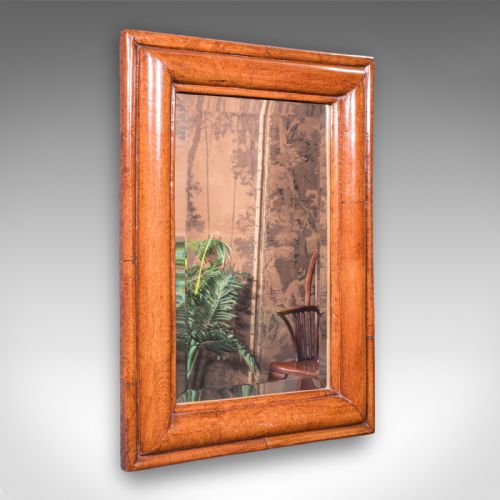
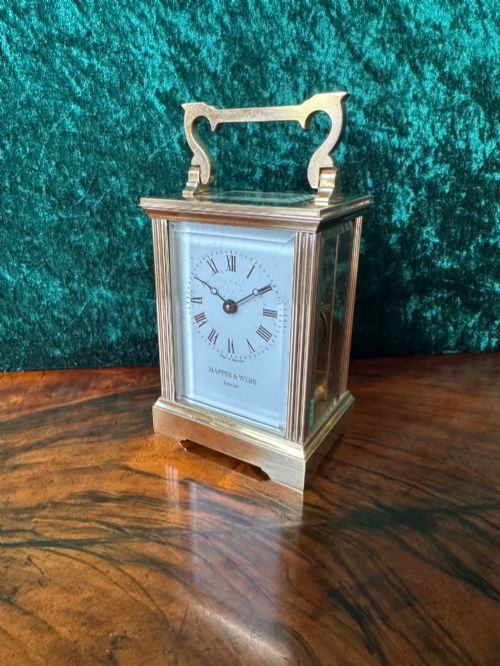
When searching for vintage bevelled glass, buyers encounter a diverse selection of decorative items fashioned across the Victorian, Edwardian, and Art Deco eras. Wall mirrors and carriage clocks dominate the selection, alongside hanging lanterns, jewellery boxes, and barographs housed in timber cases.
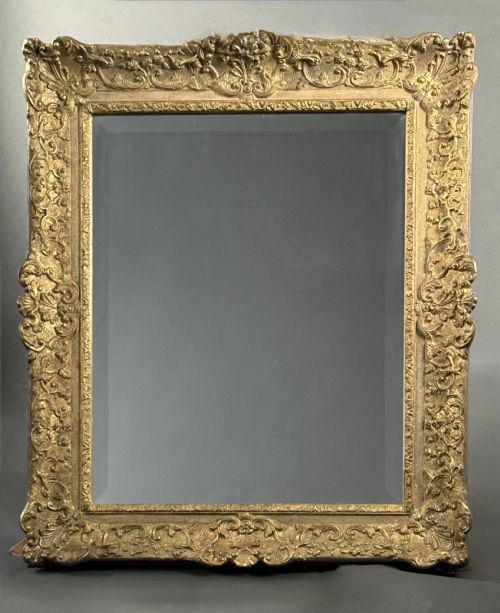
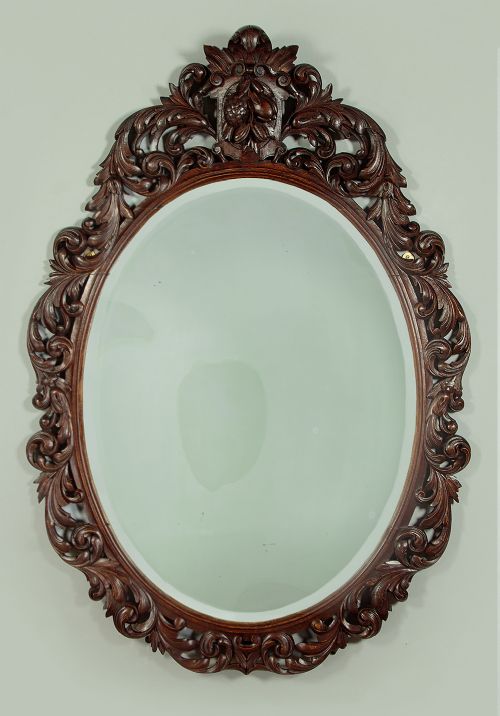
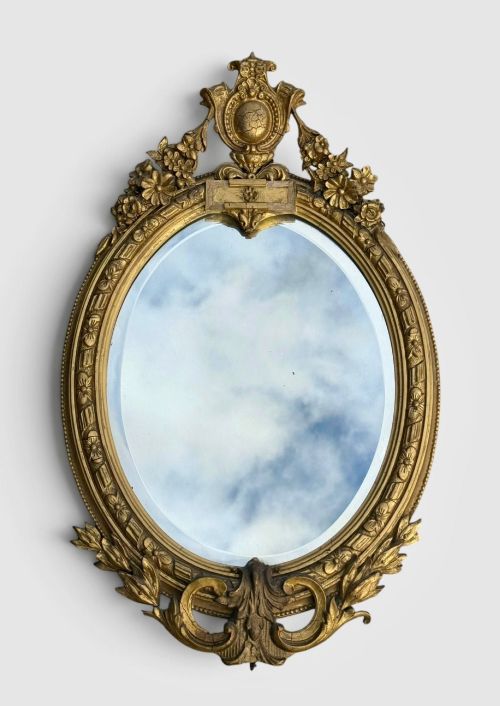
The most common versions on this page are substantial oak and giltwood wall mirrors alongside brass-framed carriage clocks fitted with clear glass panels. These objects range from restrained early twentieth-century oak frames to ornate Rococo Revival and Venetian creations.
Originating predominantly from British and French workshops, these pieces showcase the domestic and public utility of angled glass platework. Pieces span from the late nineteenth century through to mid-century Venetian trays and mirrors.
Quality factors in construction
The standard of a piece rests on the depth and clarity of the glass plate and the execution of its ground perimeter. Superior items feature substantial glass free from distortion, paired with crisp hand-carved woodwork or finely cast metal mounts.
Makers such as Waring and Gillow or Goldsmiths Alliance Ltd demonstrated higher craftsmanship through robust mechanical movements in clocks and precise joinery in furniture. Secondary examples rely on simpler stamped brass frames and standard commercial glass plates.
Listings feature French Renaissance Revival and Art Nouveau styles alongside Edwardian and Victorian wall mirrors.
Waring and Gillow·Goldsmiths Alliance Ltd·Mappin and Web
The Vintage Bevelled Glass Glossary
- Bevelled glass
- Glass that has had its outer edges ground and polished to an angled slope. This technique adds refractive quality and visual depth to mirrors and clock panels.
- Carriage clock
- A small, spring-driven clock designed for travel, housed in a brass frame with glass panels on all sides. These typically feature intricate escapements and striking mechanisms.
- Gilt gesso
- A plaster-like material applied to wood frames and coated with gold leaf. This technique allowed makers to achieve elaborate, sculpted surface decoration.
- Barograph
- A recording barometer enclosed in a wood case with bevelled glass viewing panels. It tracks atmospheric pressure onto a rotating drum chart.
- Venetian mirror
- An ornate mirror style originating in Italy, characterised by etched glass sections and decorative glass elements applied to the frame.
Vintage Bevelled Glass: Frequently Asked Questions
How do I clean vintage bevelled glass?
Use a soft microfiber cloth and a mild, ammonia-free glass cleaner applied to the cloth rather than directly onto the glass. This prevents moisture from seeping behind the plate and damaging the silvered backing or wooden frame.
Take care around the ground edges and any aged metal or wood surrounds. Avoid abrasive materials that can scratch the vintage surface.
Were carriage clocks used in carriages?
Carriage clocks were originally built for wealthy travellers in the nineteenth century to keep time on bumpy journeys. They typically featured sturdy brass cases and protective leather travelling outer cases.
Over time, they transitioned into decorative domestic timepieces for mantels and desks. Their complex spring movements allowed them to operate accurately regardless of orientation.
What is an oak barograph used for?
An oak barograph records continuous changes in atmospheric pressure onto a paper chart over the course of a week. The bevelled glass case protected the delicate mechanical linkages while allowing clear observation of the rotating drum.
Victorian households utilised these instruments to monitor impending weather shifts. They remain prized working scientific antiques today.
How do I identify an Edwardian mirror?
Edwardian mirrors often feature lighter timbers such as oak and walnut, reflecting a shift away from heavy Victorian aesthetics. They frequently incorporate cleanly bevelled glass plates within architectural or oval frames.
Stylistic influences during this period also drew upon earlier French revival forms. Original backing boards and brass hanging fittings provide further clues to their age.