




Vintage Barware Tray
A vintage barware tray is a practical centrepiece for home entertaining, bringing period character to cocktails, spirits and glassware.
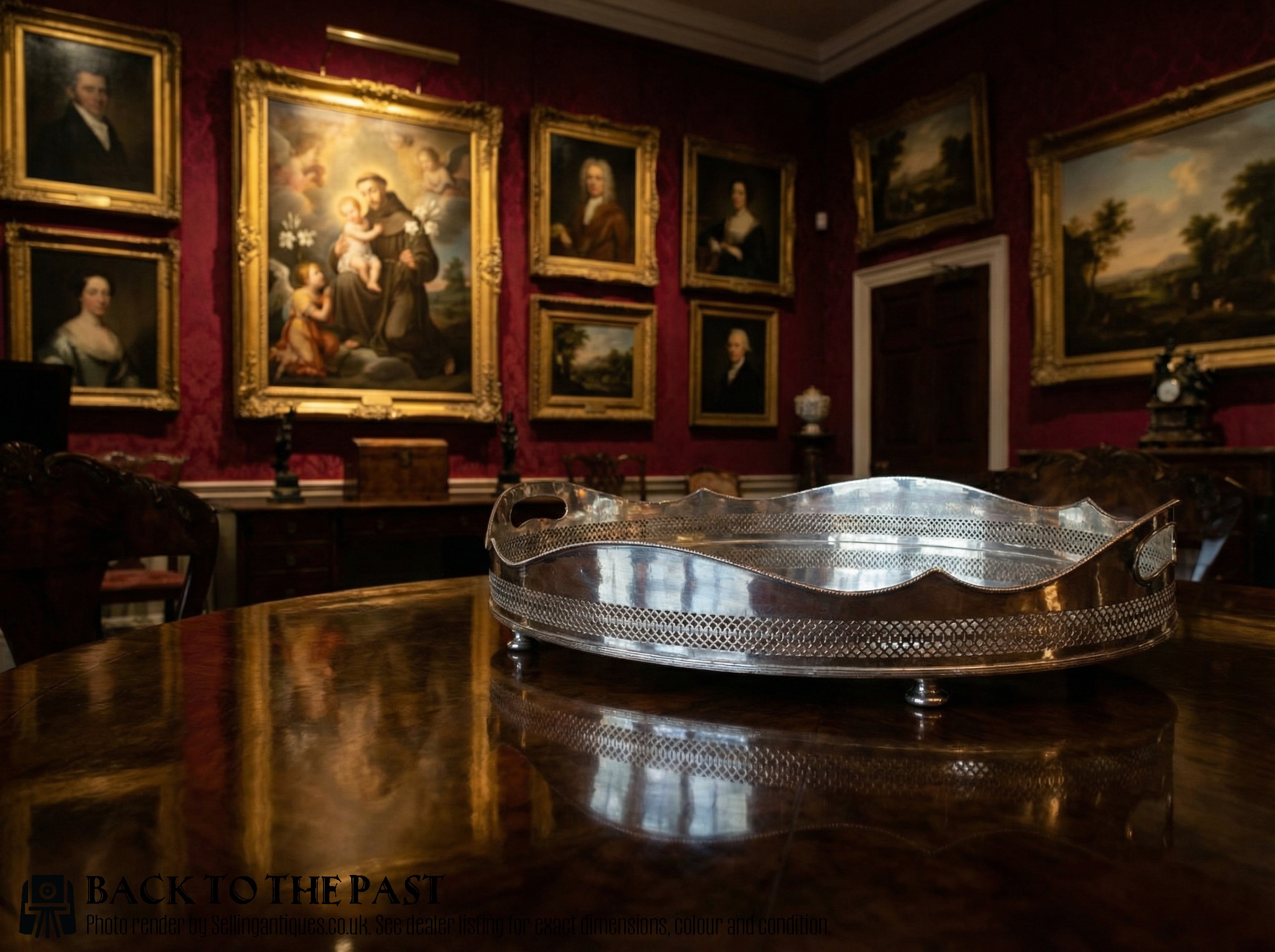
Vintage Barware Tray
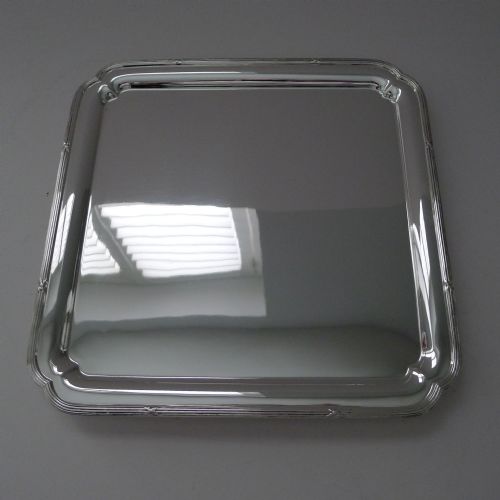
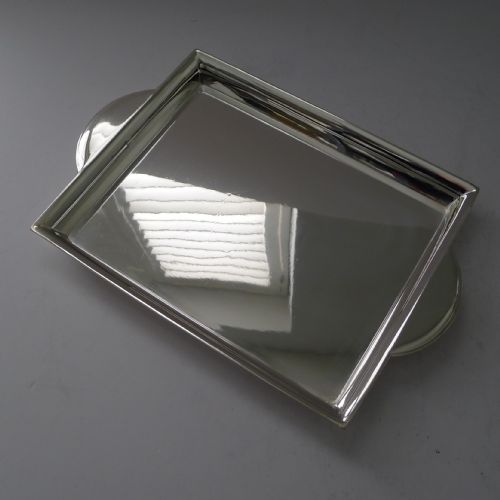
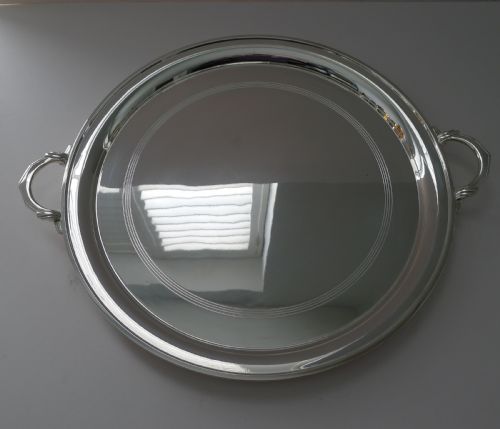
A vintage barware tray encompasses serving dishes, salvers and drinks trays designed to hold glassware, decanters and cocktail sets. These objects originate from various periods including the nineteenth century, the Edwardian era and the twentieth century.
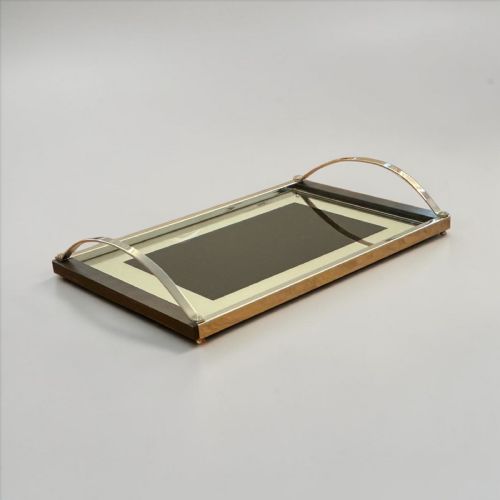
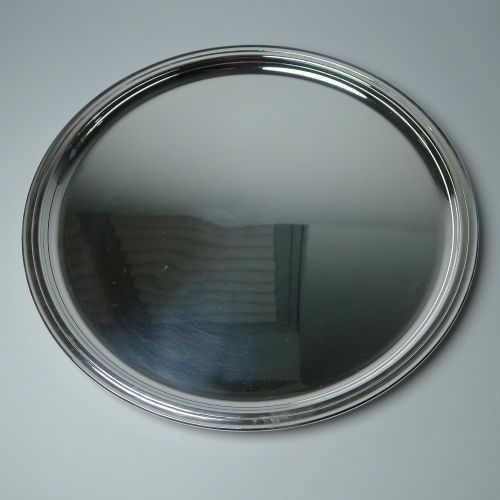
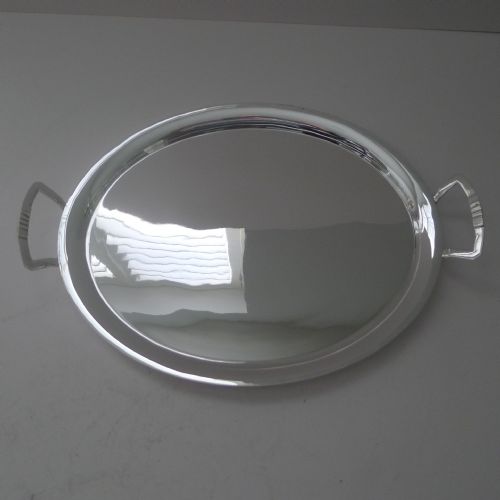
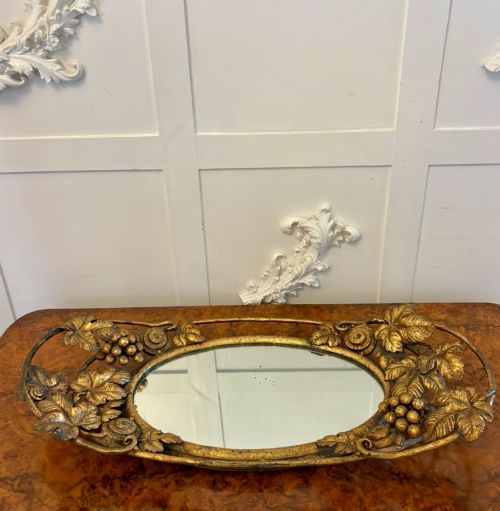
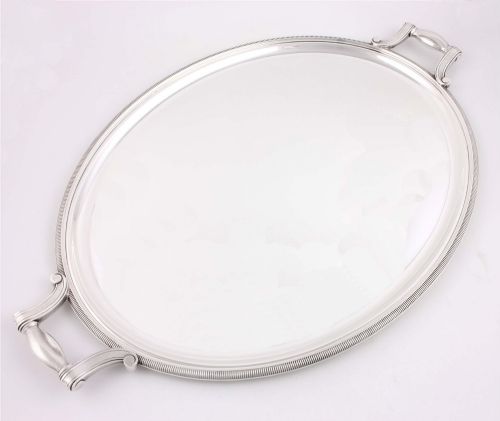
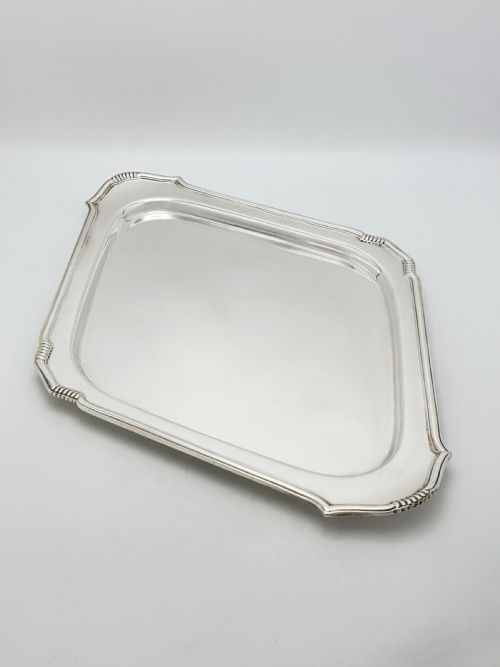
The selections available here frequently showcase Art Deco geometric lines, Edwardian details and Mid-Century Modern forms. Common configurations range from simple round serving plates to large handled butler trays and mirrored cocktail surfaces.
Makers utilised diverse materials to construct these functional items, combining metals, glass and wood to achieve both utility and decorative appeal. Buyers encounter both plain surfaces and intricately engraved designs intended for social gatherings.
How they were made
Silversmiths applied silver plate, nickel silver, EPNS and sterling silver over base metals to create durable serving surfaces. Many pieces feature raised rims, cast handles and engraved details produced through traditional metalworking techniques.
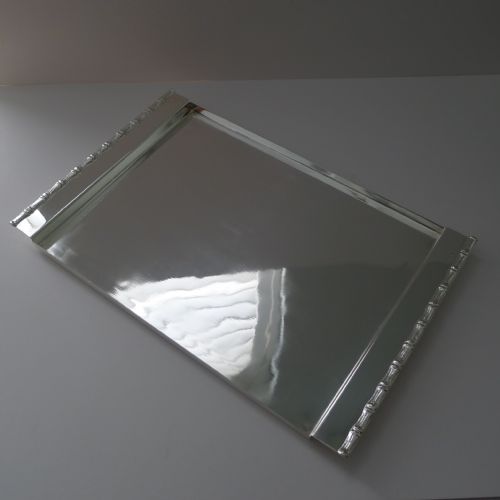
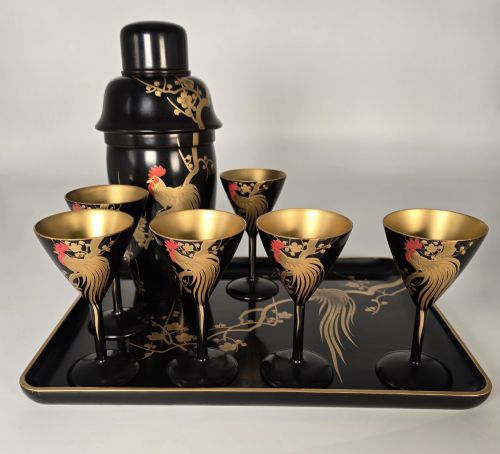
Makers incorporated alternative materials such as wood, mirrored glass, lacquer and cut crystal into the tray designs. Craftsmen utilised bamboo, copper and gilt metal for specific handles and decorative borders, particularly during the Art Deco period.
Vintage Barware Tray Retail Price Guide 2026
Typical asking prices for vintage barware tray among the pieces listed under this phrase on Sellingantiques today, from the lower quarter to the upper quarter. They describe what is for sale here now, not the wider market.
Serve your guests with a touch of cinematic history using the nineteen thirties novelty barware tray depicting Charlie Chaplin.
What varies in quality
The standard of a tray depends on the weight and gauge of the metal used in its construction, alongside the crispness of any engraved surface patterns. Substantial plating thickness and securely attached handles indicate superior manufacturing standards.
Design execution distinguishes standard utilitarian wares from works produced by notable makers and silversmiths. High quality pieces often display integrated decorative motifs, such as specialised handles, applied borders and well-fitted mirrored glass bases.
Mappin & Webb·Christofle·Hukin & Heath·Walker & Hall·Elkington·Asprey
The Vintage Barware Tray Glossary
- EPNS
- Electroplated Nickel Silver. This acronym denotes a base metal core coated with a layer of silver.
- Salver
- A flat serving tray, usually made of metal, traditionally used for presenting drinks or calling cards.
- Galleried tray
- A tray featuring a raised pierced or solid gallery border around the edge to prevent items from sliding off.
- Engine turned
- A surface decoration technique involving geometric patterns mechanically engraved into the metal.
- Base metal
- A non-precious metal such as brass, copper or nickel used as the foundational material for silver plating.
Vintage Barware Tray: Frequently Asked Questions
How do I clean a silver plated tray?
Use a soft cloth and a specialised silver polish designed to remove tarnish without scratching the plated surface. Avoid harsh abrasive cleaners that can wear away the thin layer of silver.
Wash the tray gently in warm soapy water afterwards and dry it thoroughly with a lint-free cloth to prevent water spots and maintain the shine.
Can I use these trays for serving drinks?
Most vintage trays are constructed for regular functional use in serving glassware, decanters and cocktails to guests. Ensure the weight of the intended load matches the size and structure of the tray.
Protect mirrored or wooden surfaces from moisture by using coasters or placing wet glassware carefully. Regular maintenance helps preserve the original finish during everyday entertaining.
How do I identify an Art Deco tray?
Art Deco trays typically display geometric shapes, clean lines, and symmetrical patterns dating from the nineteen twenties and thirties. Common design elements include stepped borders, diamond shapes and contrasting materials like chrome and glass.
Maker marks stamped on the underside often confirm the period of production alongside stylistic indicators such as modernist handles or abstract motifs.
What is the difference between a salver and a tray?
A salver is traditionally a formal round serving plate raised on small feet, primarily utilised for presenting drinks or letters. A tray generally refers to a broader category of flat serving surfaces often equipped with handles.
Both forms serve similar functional purposes in barware and dining contexts, though terminology often depends on the specific shape and period of manufacture.