
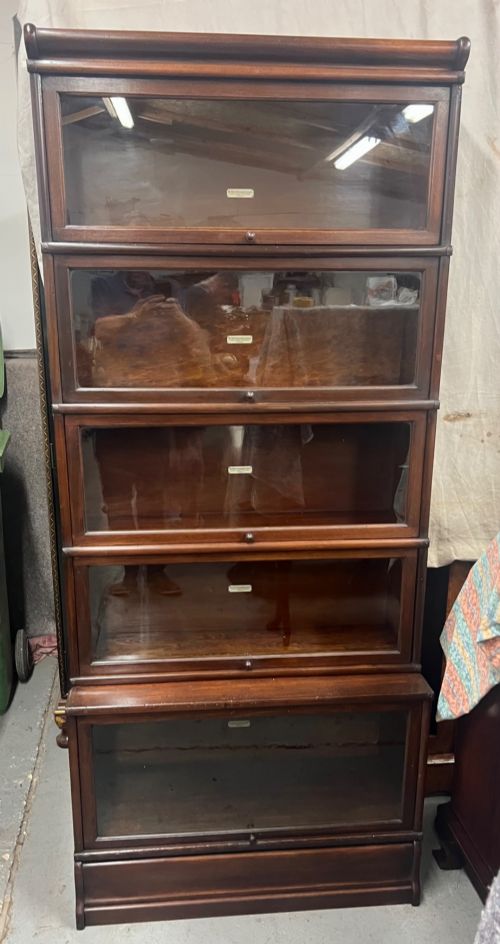
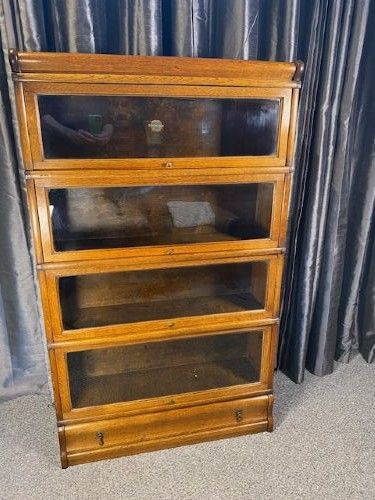
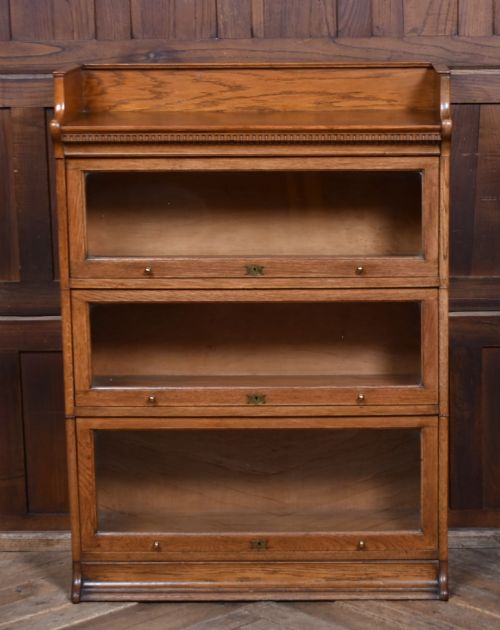

Vintage Barrister Bookcase
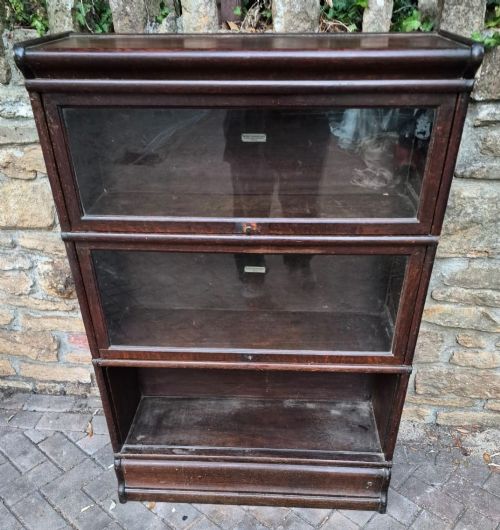
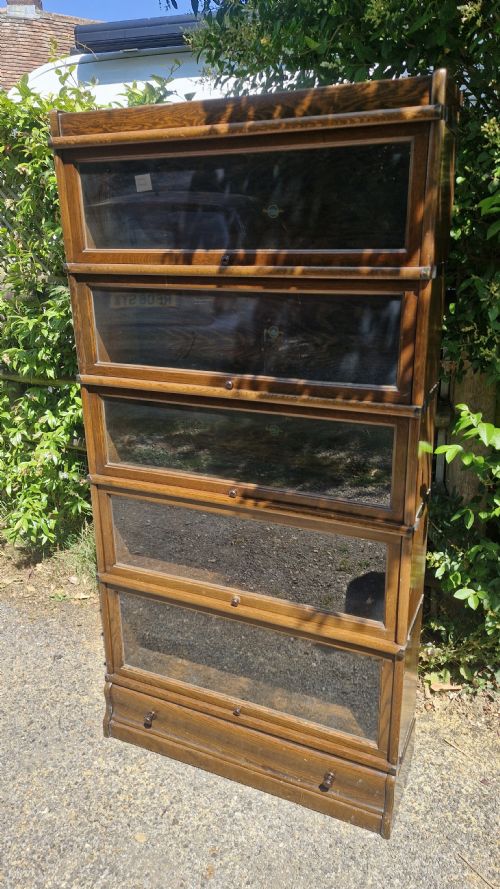
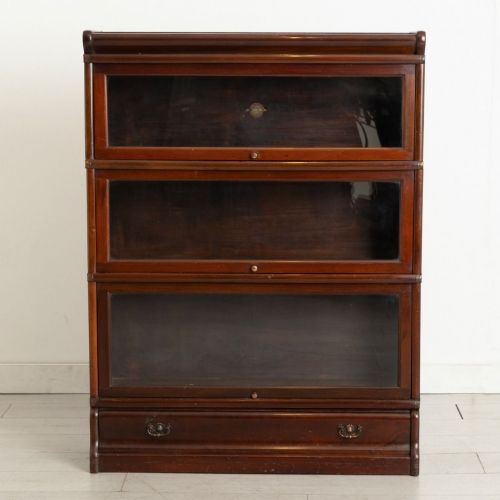
A vintage barrister bookcase brings modular utility and timeless organisation to any room through its classic stacking glass-fronted sections.
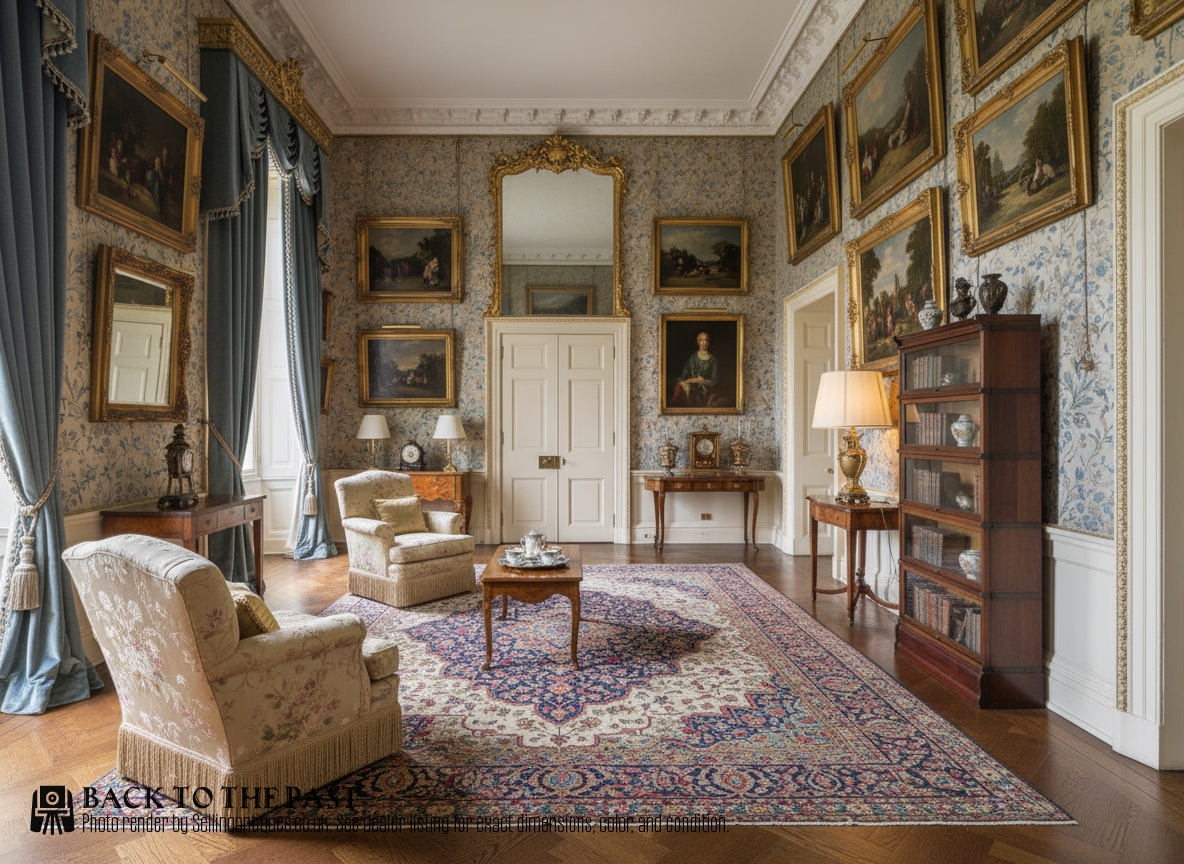
Vintage Barrister Bookcase
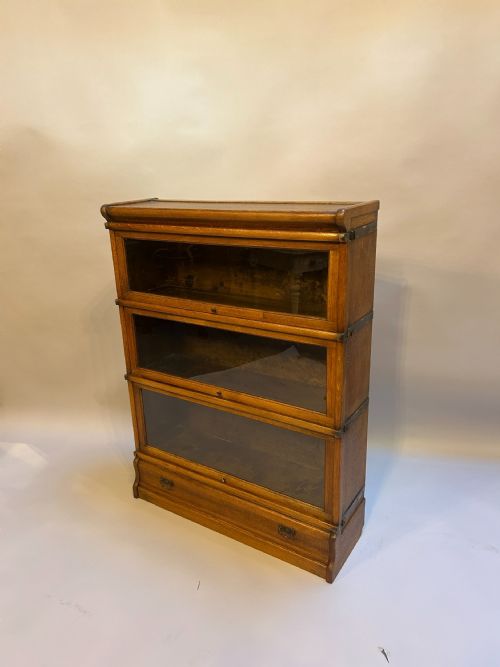
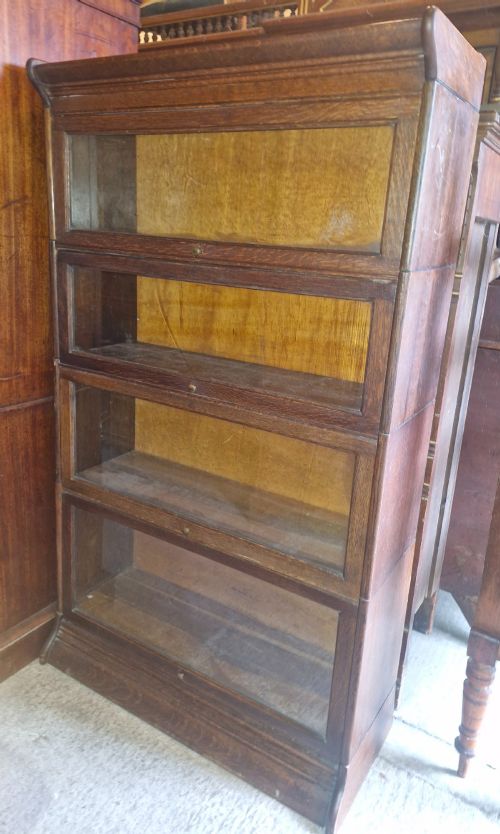
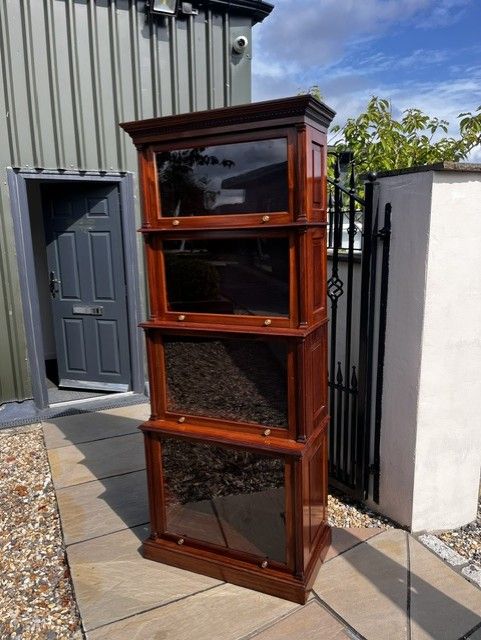
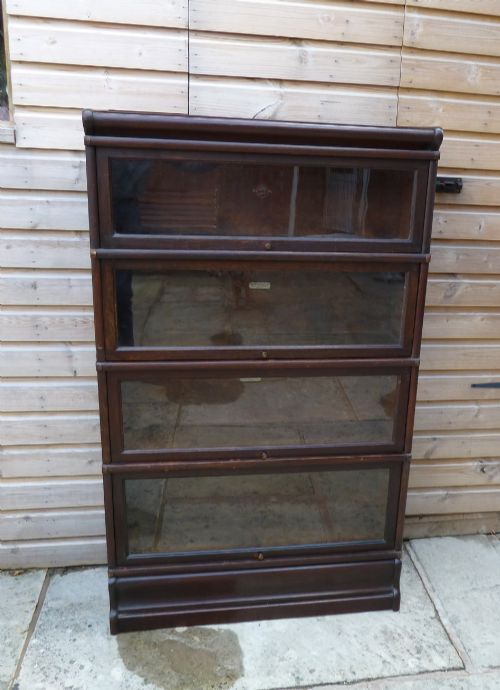
A vintage barrister bookcase is a modular office or library cabinet built from multiple stacking tiers designed to protect books behind individual glazed lifting doors. When searching for a vintage barrister bookcase, buyers frequently encounter early twentieth-century examples ranging from Edwardian pieces to 1930s designs.
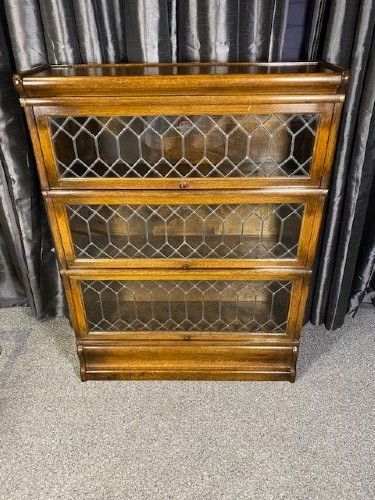
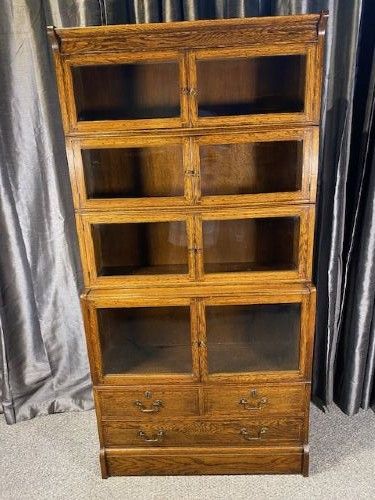
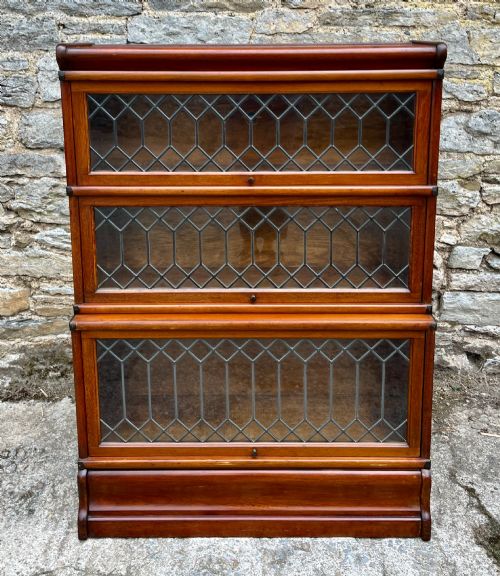
The form relies on independent wooden sections resting one upon another, topped with a cornice and grounded on a plinth base. Oak and mahogany serve as the primary timbers, housing collections behind sliding glass panels fitted with brass hardware.
Most pieces date between 1900 and 1930, capturing periods such as the Edwardian era and Art Deco styles. These modular cabinets adapt easily to modern interiors by offering flexible vertical storage with distinct visual character.
Materials and construction
Makers constructed these modular cabinets predominantly using solid oak and mahogany, often complemented by golden or inlaid finishes. Individual tiers relied on precise joinery to allow each section to stack securely without permanent fixing.
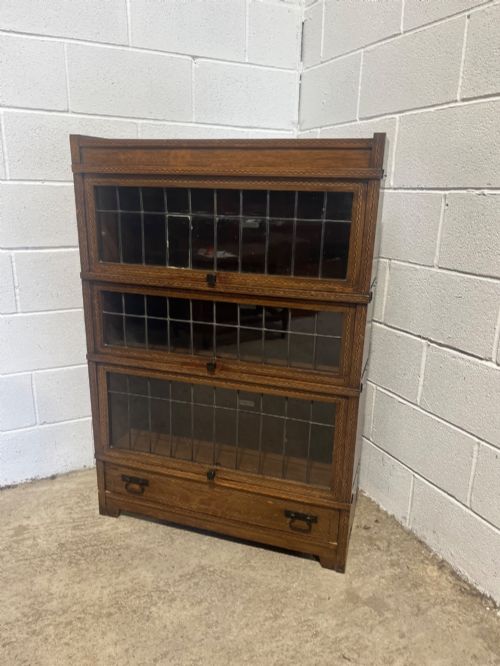
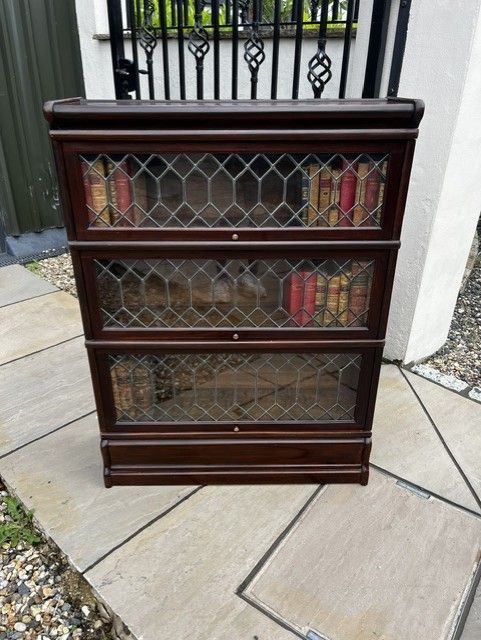
Doors incorporated glass panes, occasionally featuring leaded details, supported by internal metal mechanisms to ensure smooth upward lifting. Brass knobs and handles provided functional closure for each distinct tier.
Cornice tops and moulded bases finished the architectural silhouette of the stacking design, while interior depths varied to accommodate different volumes.
Listings feature oak and mahogany almost exclusively, accompanied by brass hardware and glass doors across Edwardian and 1930s periods.
Factors of quality and origin
The distinction between standard office utility and superior craftsmanship rests on timber selection and maker attribution. Solid mahogany and figured oak tiers demonstrate higher workshop standards than plain commercial equivalents.
Hardware execution and glazing integrity separate standard production from finer examples. Smooth door action and original brass fittings indicate careful original manufacture.
Named makers such as Globe Wernicke, Lebus, Minty, Gunn, Warwick, and AMYL command greater interest due to established manufacturing standards and patented stacking designs.
Globe Wernicke·Lebus·Minty·Gunn·Warwick·AMYL
The Vintage Barrister Bookcase Glossary
- Sectional bookcase
- A modular cabinet composed of independent stacking tiers that fit together vertically. This design allows the entire unit to be easily disassembled and moved.
- Globe Wernicke
- A prominent maker and style standard for modular barrister bookcases originating in the late nineteenth and early twentieth centuries. Their patented systems set the benchmark for stacking office furniture.
- Cornice
- The decorative moulding fitted to the very top of the bookcase cabinet. It provides a finished architectural cap above the upper tier.
- Leaded glass
- Glass panes held together by narrow strips of lead came within the door frame. This technique adds decorative geometric patterns to the front of the cabinet.
- Plinth base
- The sturdy lower wooden platform upon which the stacking sections rest. It elevates the lowest tier off the floor.
Vintage Barrister Bookcase: Frequently Asked Questions
How do sectional bookcases work?
Each tier operates as an independent wooden box with a glass door that lifts and slides into the cabinet above the books. The sections simply stack on top of a base and beneath a top cornice without screws.
This modular engineering allowed professionals to add more tiers as their library expanded over time.
What timber types are most common?
Oak is the most frequently encountered wood, appearing in golden tones, fumed finishes, and quarter-sawn varieties that display characteristic medullary rays. Mahogany is also common, offering a smoother reddish grain.
Both timbers provided the structural strength required to support heavy rows of books within stacking modular tiers.
How can I date a barrister bookcase?
Dating relies on architectural style markers, timber finishes, and maker marks stamped on the internal sections or hardware. Pieces marked from the Edwardian era through the 1930s exhibit distinct hardware and proportions.
Art Deco and 1930s French variations introduce sleeker lines compared to earlier Edwardian Arts and Crafts models.
Can the sections be separated?
Yes, the modular design is specifically engineered so that each tier, the top cornice, and the base separate completely. This makes transportation and placement significantly easier than a traditional fixed bookcase.
When rearranging a room, the cabinet lifts apart tier by tier.