
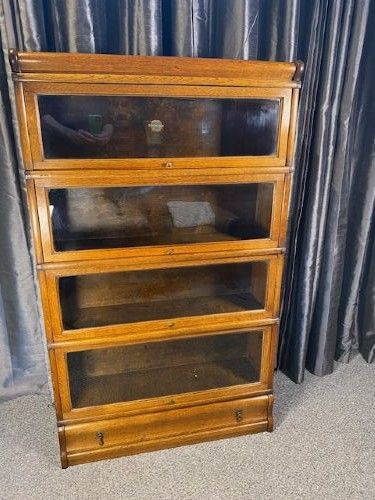
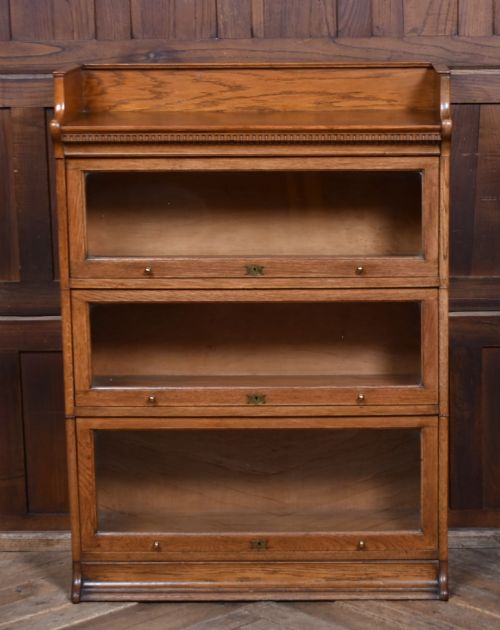

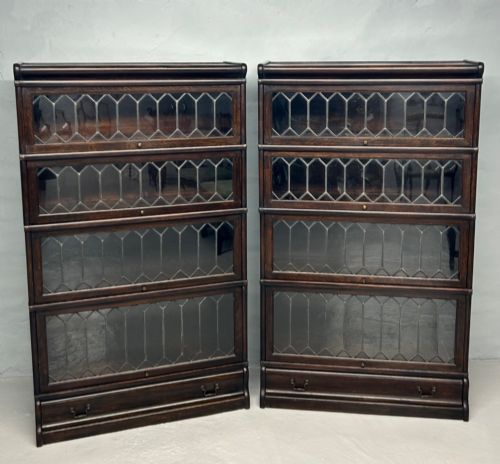
Modular Oak Cabinet
A modular oak cabinet offers flexible storage through a stackable design, combining solid timber and glass for practical display.
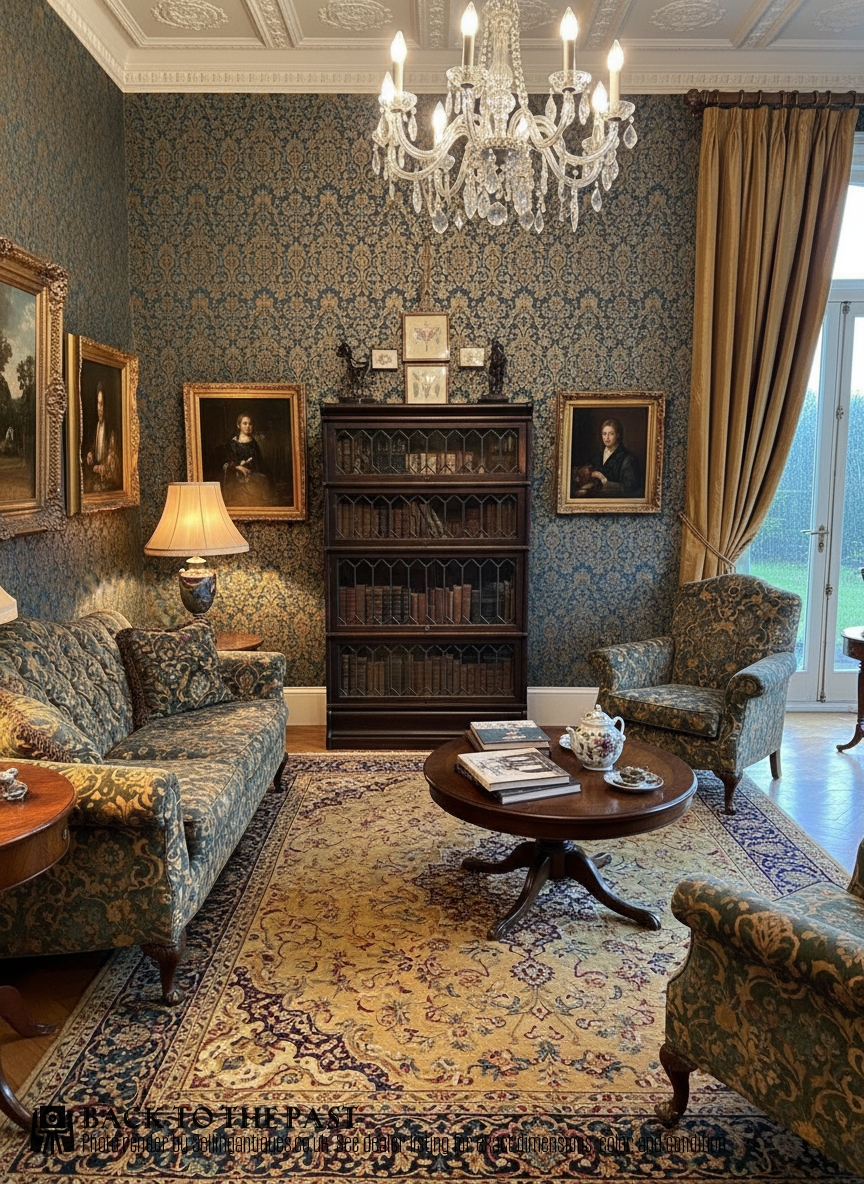
Modular Oak Cabinet
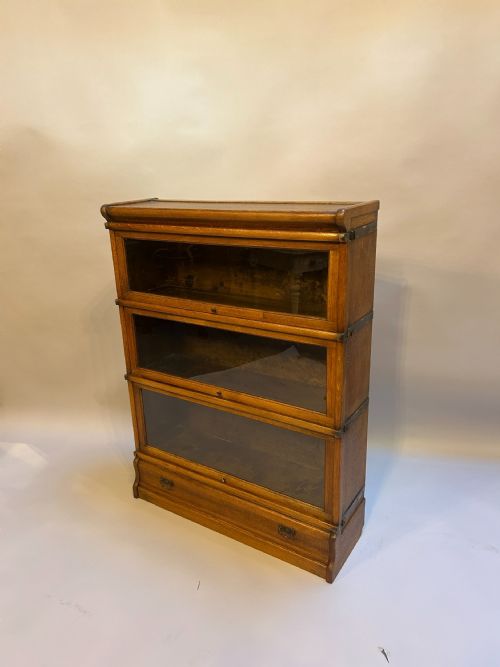
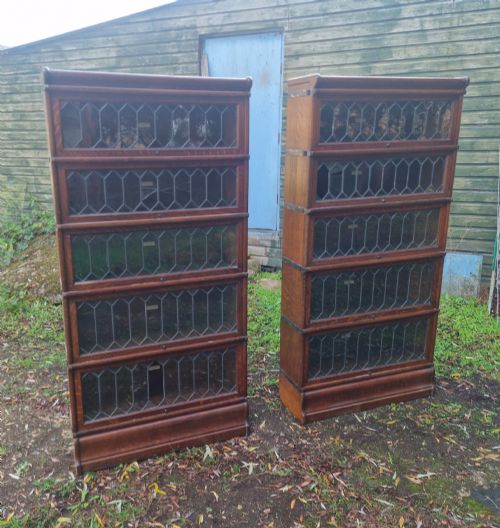
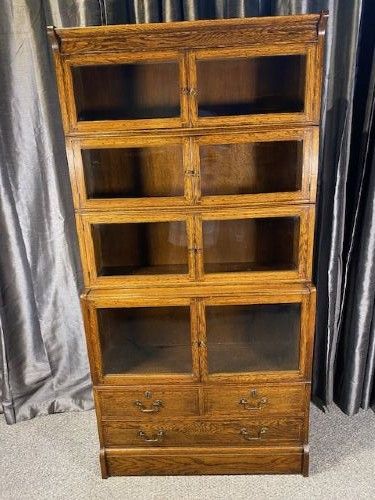
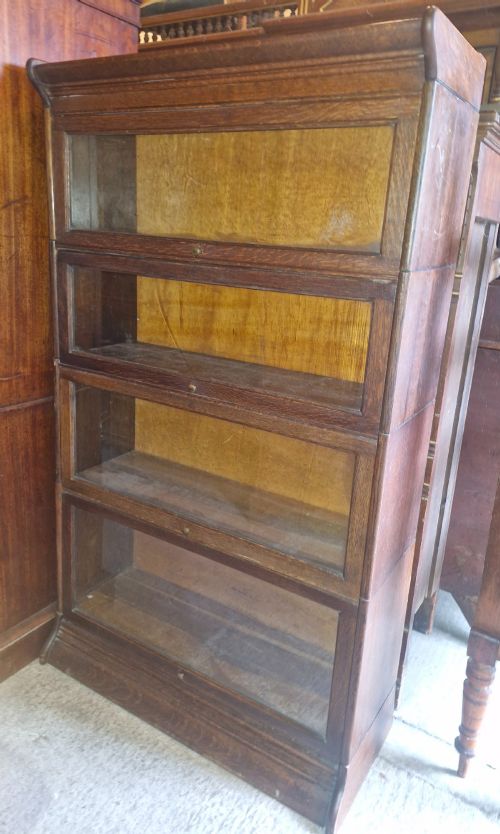
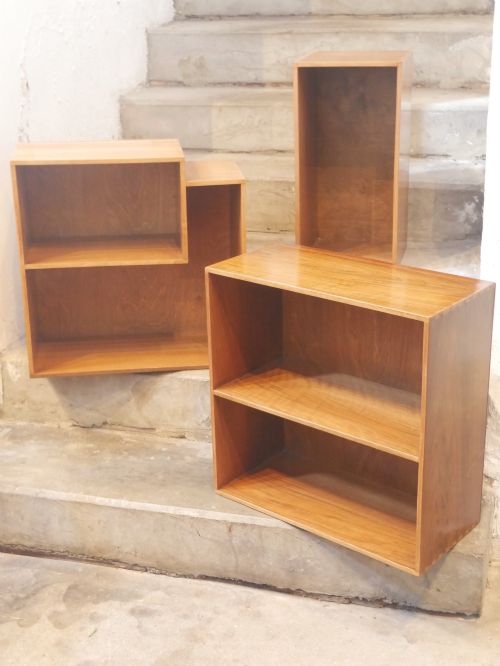
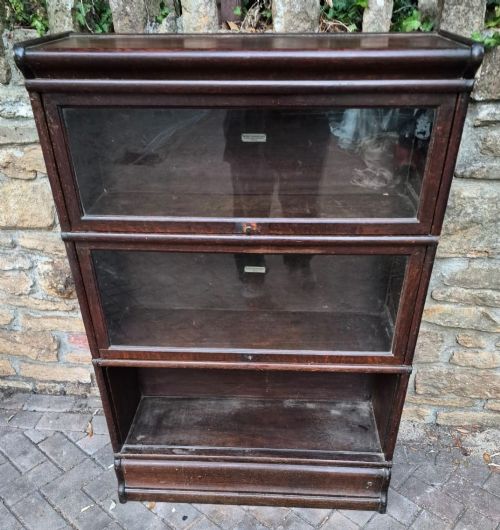
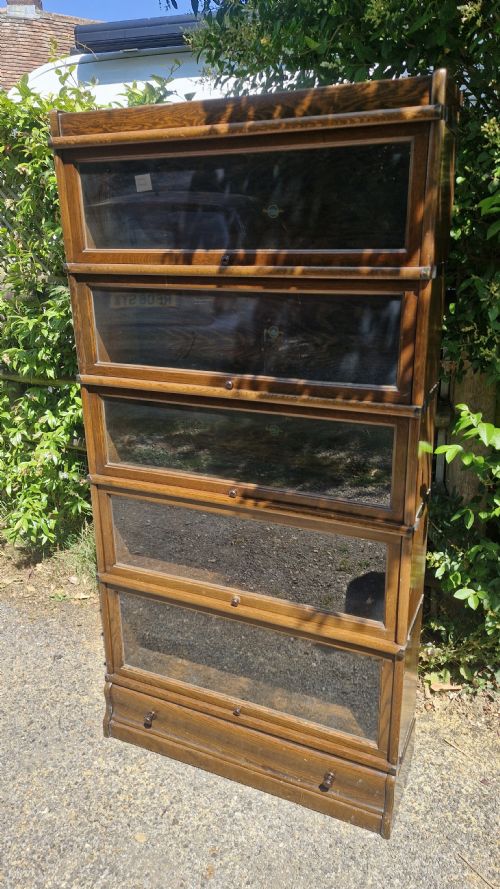
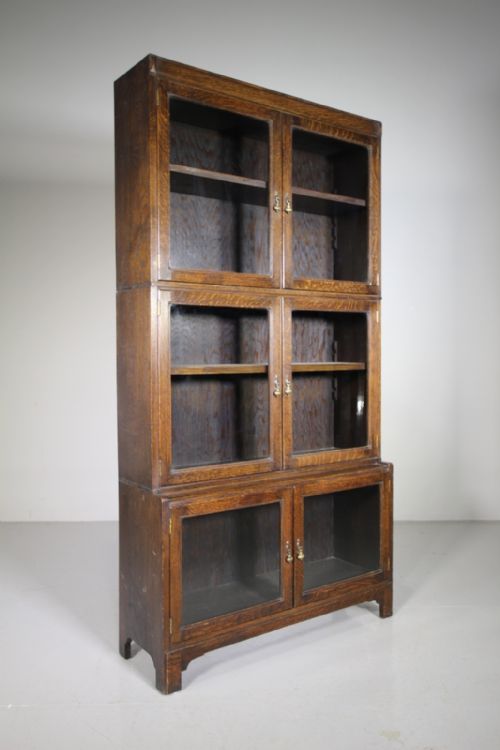
A modular oak cabinet groups sectional bookcases and stacking office units designed to be arranged in tiers. These pieces span the Edwardian period through the 1950s, utilising modular formats that separate into individual stacked tiers.
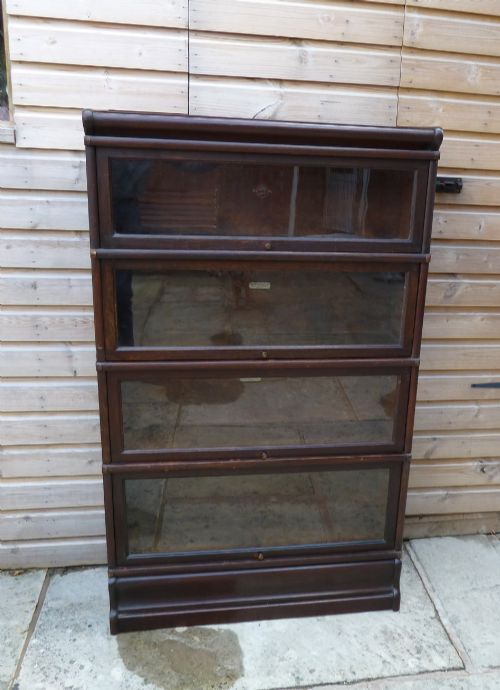
The most common version met on this page is the Globe Wernicke style barrister bookcase, alongside sectional pieces by makers such as Minty and Lebus. These cabinets serve libraries, offices, and studies for housing books and display items.
Materials and construction
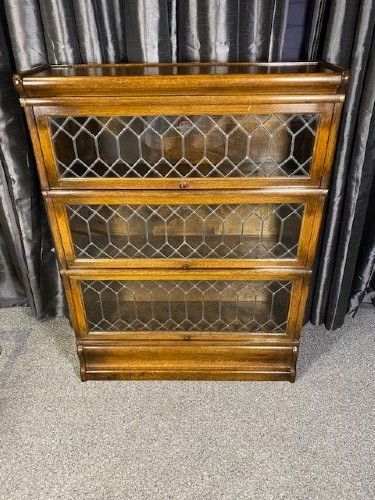
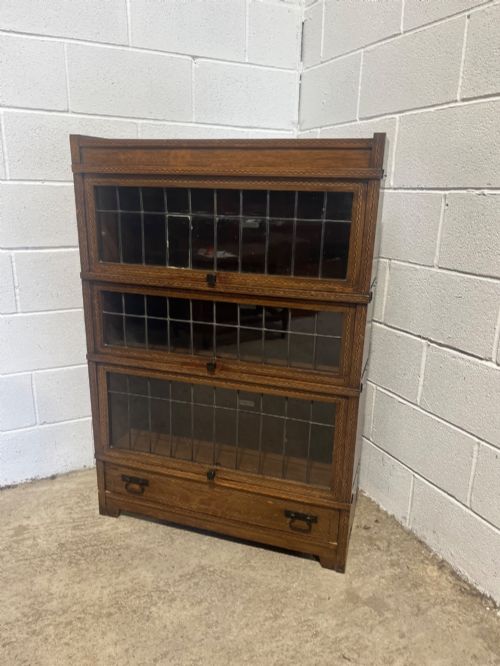
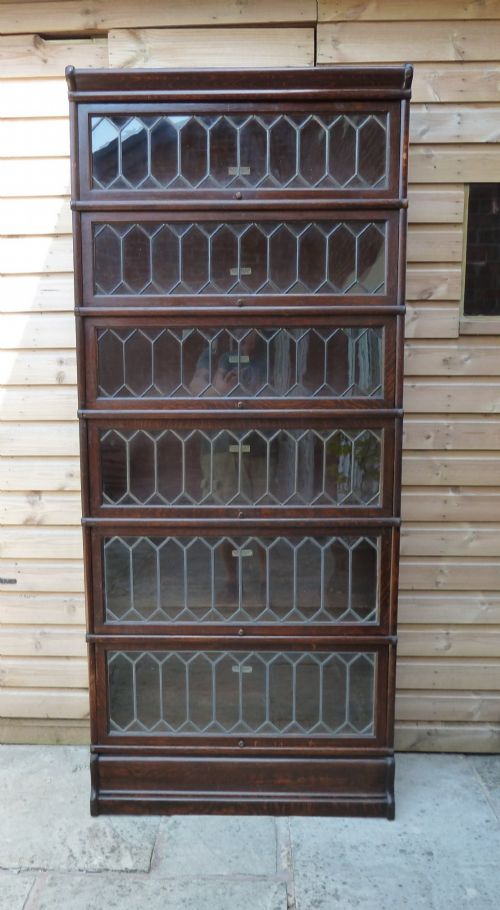
Construction relies primarily on solid oak and wood veneer, supplemented by brass hardware and metal mechanisms for the lifting glass doors. Some variations incorporate leaded glass panes and wood inlay.
Individual sections are built to interlock or stack securely without permanent fixings, allowing tiers to be added or rearranged. Finishes range from natural golden oak to limed oak surfaces.
Modular Oak Cabinet Retail Price Guide 2026
Typical asking prices for modular oak cabinet among the pieces listed under this phrase on Sellingantiques today, from the lower quarter to the upper quarter. They describe what is for sale here now, not the wider market.
Styles represented across the inventory include Edwardian, Arts and Crafts, Art Deco, and Mid-Century Modern designs.
Quality variations in stacking cabinets
Quality depends upon the precision of the stacking mechanism and the clarity of the glazed doors, alongside the thickness of the solid oak used in the carcase. Maker attribution to established firms like Globe Wernicke or Minty elevates the standing of a piece.
Original matching sets with intact brass fittings and uncompromised leaded glass sit above mismatched or later modified tiers. The integrity of the stacking lips and the smoothness of the lifting glass action determine daily utility.
Globe Wernicke·Heals·Lebus·Minty·Gunn·Warwick
The Modular Oak Cabinet Glossary
- Sectional bookcase
- A bookcase built from multiple horizontal tiers that stack vertically to form a single tall cabinet. Each tier typically has its own glazed door.
- Barrister bookcase
- A specific type of stacking bookcase designed with glass doors that lift and slide inward above the shelf. These units protected legal volumes in offices.
- Leaded glass
- Glass panes held together by strips of lead came to form geometric or decorative patterns. This technique appears on cabinet doors from the Edwardian period onward.
- Limed oak
- An oak wood finish treated with a white pigment or lime to lighten the tone of the grain. This treatment gained popularity in the 1930s.
- Wood veneer
- A thin layer of superior oak applied over a secondary timber base. It provides decorative grain patterns while maintaining structural stability.
Modular Oak Cabinet: Frequently Asked Questions
How do sectional bookcases work?
Sectional bookcases consist of separate horizontal tiers that stack one on top of another to form a tall storage unit. A base and a top cornice complete the assembly, allowing the cabinet to be dismantled easily for transport.
Each tier functions independently with its own lifting glass door, meaning the sections rest together by gravity and alignment pins rather than fixed joints.
What is a barrister bookcase?
A barrister bookcase is a modular stacking cabinet designed with specialised glass doors that lift upward and slide back into the interior above the books. This mechanism allowed legal professionals to keep their reference volumes enclosed and protected from dust.
The design became popular in professional offices before transitioning into domestic libraries and studies during the early twentieth century.
How do I date an oak stacking cabinet?
Dating relies upon examining the hardware materials, brass maker plaques, joint construction, and general stylistic traits such as Arts and Crafts details or Art Deco lines. Edwardian and 1920s examples often feature distinct manufacturer stamps on the interior timber or metal brackets.
Comparing the specific door action and wood finish against known production periods helps narrow down the decade of manufacture.
Can I separate the tiers?
Yes, the individual tiers are engineered to lift apart individually once the top cornice and base are removed. This modular construction was originally intended to make moving heavy office libraries manageable.
Care should be taken when lifting sections, particularly those containing glass doors, to avoid twisting the timber frame.