

Antique Lawyer Cabinet
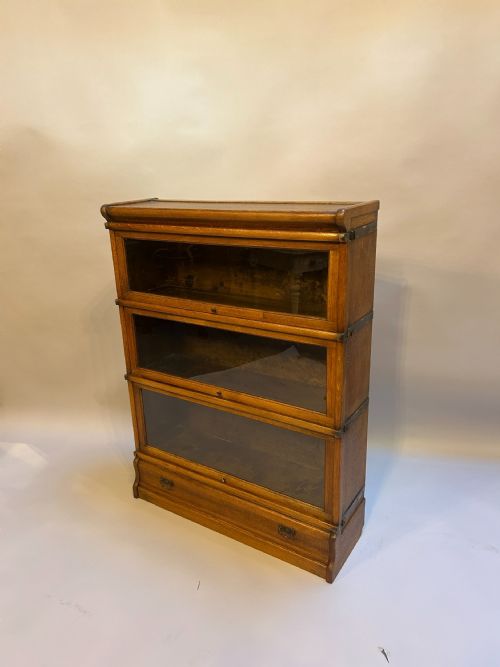
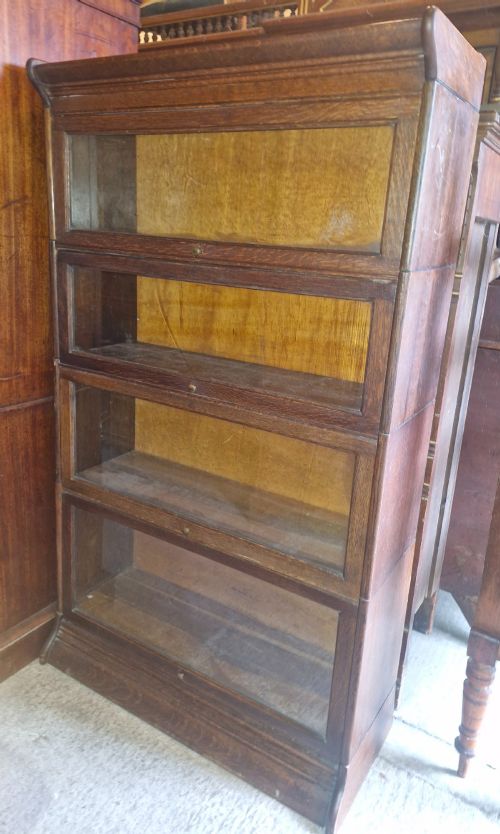
An antique lawyer cabinet is a sectional bookcase designed to protect heavy volumes behind individual glass tiers.
Antique Lawyer Cabinet
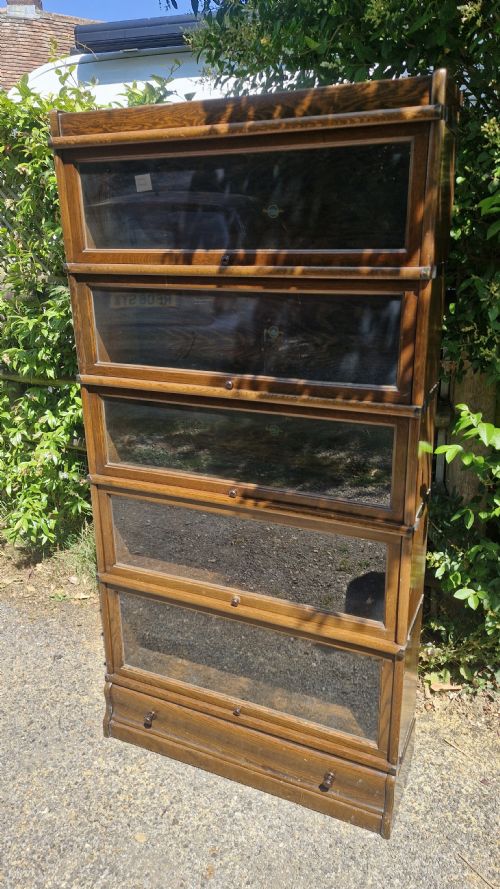
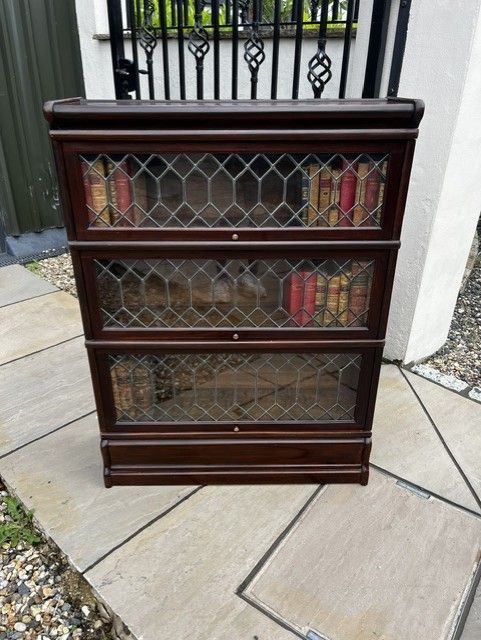
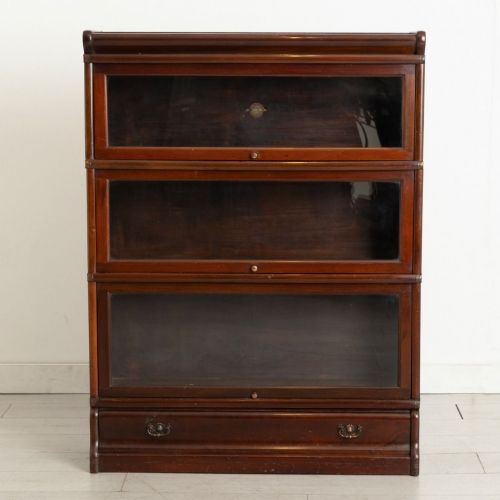
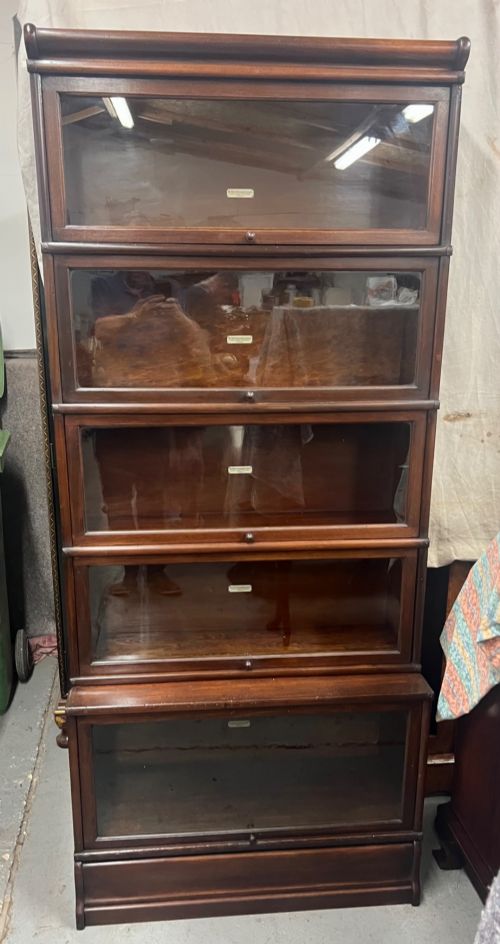
When searching for an antique lawyer cabinet, you encounter sectional bookcases designed to house professional libraries in modular tiers. These modular pieces stack individual shelving units vertically, allowing a growing collection of books to expand upwards without requiring a new piece of furniture.
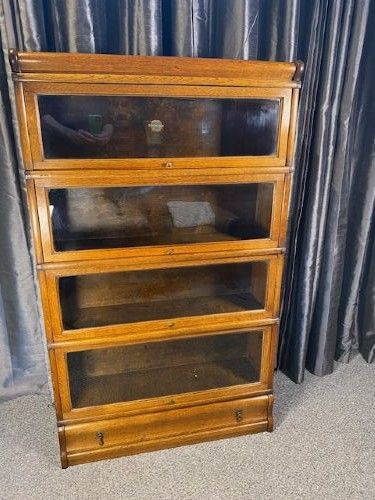
The most common version met on this page is the stacking barrister or lawyer bookcase originating from the early twentieth century. Examples span the Edwardian period and the decades around nineteen ten and nineteen twenty, often built with glazed lifting doors that slide neatly back above each shelf.
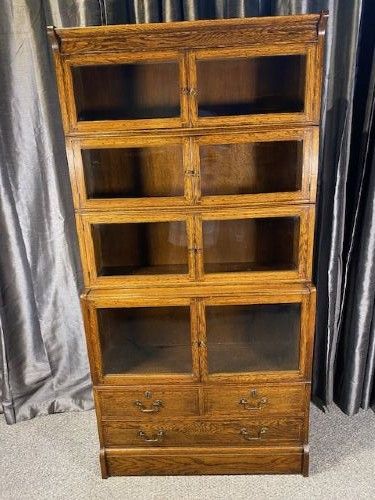
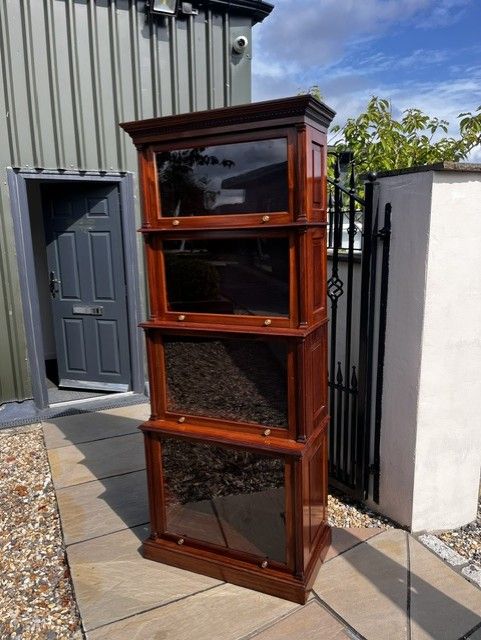
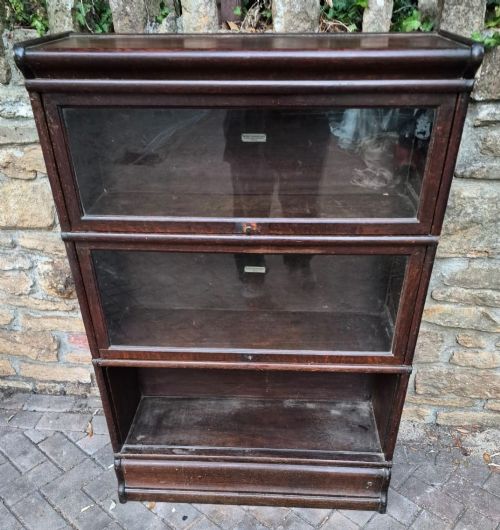
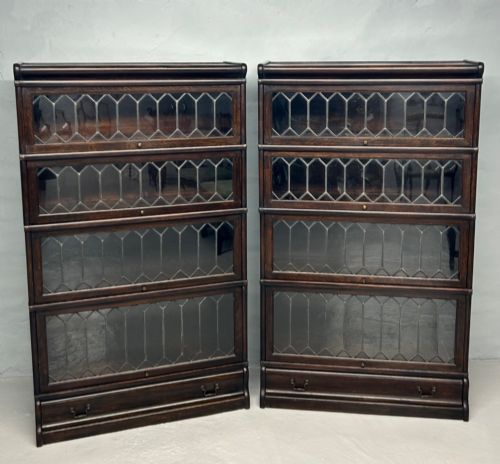
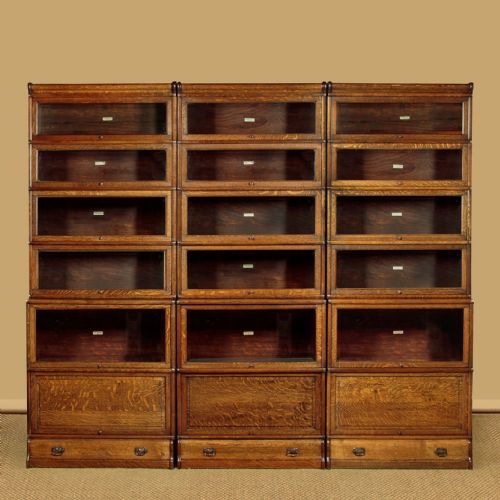
The forms on offer include oak and mahogany constructions, ranging from single stacks to pairs and multi-tiered setups. Many follow the distinctive Globe Wernicke format, utilising standardised sections that separate easily for movement and rearrangement in an office or study.
How they were made
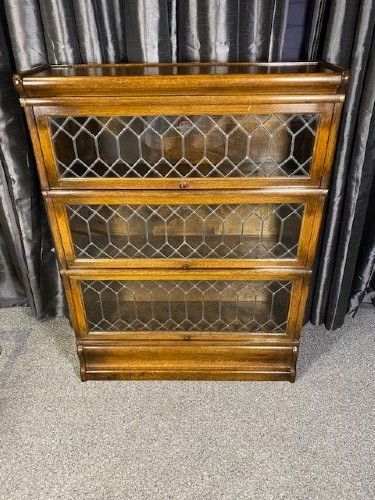
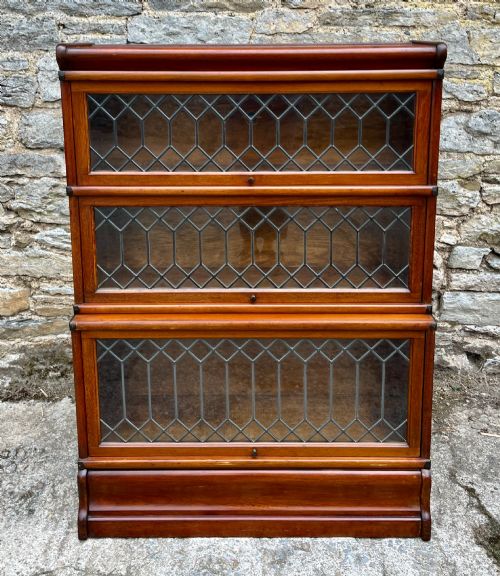
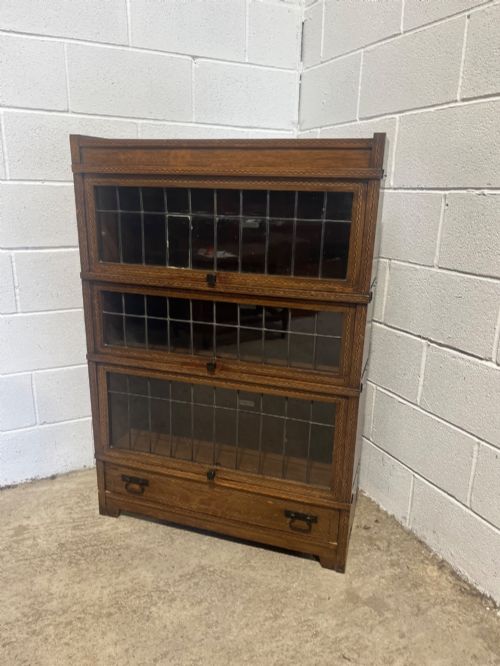
Makers constructed these sectional cabinets using solid oak and solid mahogany, frequently pairing timber frames with clear glass panels for the doors. Some iterations incorporate leaded glass or lead detailing within the door frames, adding visual weight to the front elevation.
The mechanical action relies on metal hardware and brass fittings that guide each glazed tier as it lifts and slides inward above the books. Modular joints allow individual tiers, top cornices, and base plinths to lock together securely without permanent glue or fixings.
Early lawyers needed stacking shelves so their case law could grow vertically as clients argued longer.
What varies in quality
The grade of timber and the choice of mahogany or figured oak dictate the initial visual presence of the cabinet. Finer examples display carefully selected grain patterns and inlaid details across the crown and plinth sections.
The precision of the stacking mechanism and the smoothness of the lifting glass doors separate standard utility office pieces from finer cabinet work. Robust brass hardware and clean internal construction ensure the tiers align correctly when stacked to full height.
Globe Wernicke·Warwick
The Antique Lawyer Cabinet Glossary
- Sectional bookcase
- A modular piece of furniture built from stacked, independent tier units that can be separated or added to as needed. This design allowed legal professionals to expand their library shelf by shelf.
- Barrister bookcase
- An alternative name for a lawyer cabinet, referencing the specific trade that utilised these dust-proof stacking shelves. The name remains tied to the early twentieth-century office format.
- Globe Wernicke
- The prominent maker and stylistic standard for sectional stacking bookcases during the early twentieth century. Original pieces and later style variants adopt this proprietary modular configuration.
- Leaded glass
- Window panes divided and held together by narrow strips of lead into geometric patterns. This technique appears on select cabinet doors within the Edwardian selection.
- Cornice
- The moulded decorative projection that sits at the very top of the cabinet above the uppermost tier. It finishes the architectural profile of the stacking structure.
Antique Lawyer Cabinet: Frequently Asked Questions
What is a lawyer cabinet?
A lawyer cabinet is a sectional barrister bookcase featuring individual stacking tiers with glass doors.
Designed for offices and studies, it protects working libraries from dust while permitting modular expansion.
How do the doors work?
The glass doors lift forward and slide back horizontally into the interior above the books.
Metal guide arms connect the sides of the door to the interior walls of the tier to control the motion.
Can the sections separate?
The tiers lift apart independently from the top cornice and the bottom base plinth.
This modular construction makes transport and placement straightforward despite the solid hardwood build.
What woods were used?
Makers relied primarily on oak and mahogany for the main frame and tier construction.
Some examples feature inlaid details or golden oak finishes typical of the early twentieth century.
How to date these cabinets?
Dating relies on stylistic markers from the Edwardian era through the nineteen twenties and thirties.
Hardware style, timber selection, and maker stamps help place an example within this period.