





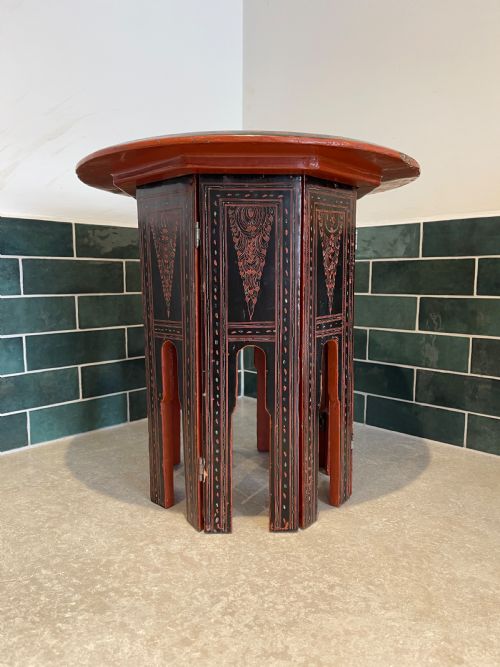

Vintage Asian Occasional Tables
Vintage asian occasional tables bring distinctive craftsmanship and rich materials into a room, offering both practical surface space and striking character.
Vintage Asian Occasional Tables
When you search for vintage asian occasional tables, you encounter an array of forms including side tables, nests of tables, centre tables, and lamp or jardiniere stands. These pieces span periods from the nineteenth century through the early decades of the twentieth century, encompassing styles such as Chinoiserie, Chinese Export, Anglo-Indian, Japanese Meiji, and Burmese Colonial.
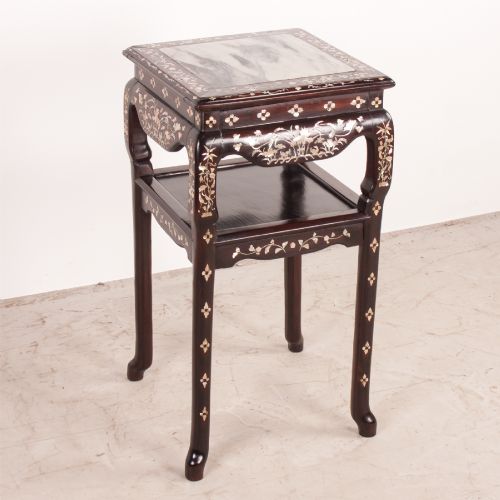
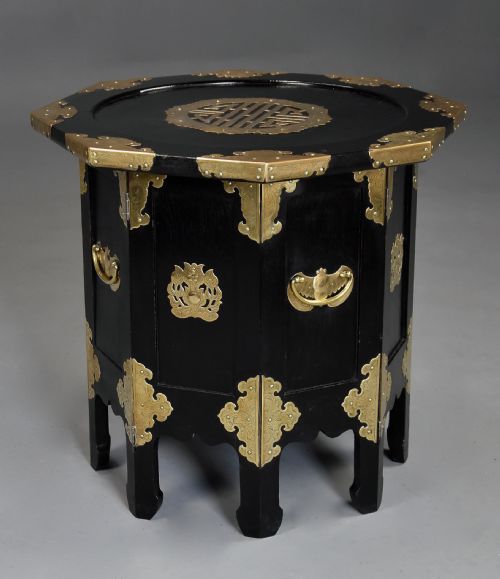
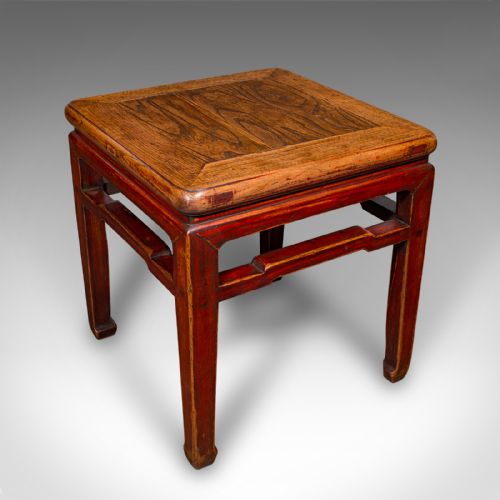
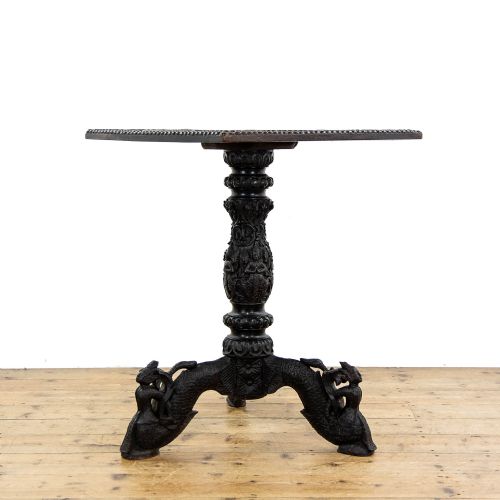
The versions you are most likely to meet on this page include nest of four tables in carved rosewood or hardwood, alongside single occasional tables featuring intricate carving, mother of pearl inlay, or lacquer finishes. Formats range from traditional low tea tables and octagonal shapes to elm side tables and centre tables originating from Chinese, Japanese, Burmese, and Indian traditions.
What Varies in Quality
The standard of carving and inlay work distinguishes different examples, where sharply defined motifs and secure seating of materials like mother of pearl indicate superior execution. Simpler or coarser surface details mark the other end of the scale.
The choice and stability of timber also separate pieces, with well-seasoned hardwoods and dense rosewoods providing structural integrity compared to more utilitarian domestic woods.
Listed items span the nineteenth century, 1900, 1910, 1920, and 1930 periods.
The Vintage Asian Occasional Tables Glossary
- Chabudai
- A traditional short Japanese table used for kneeling while drinking tea or eating. These low tables form part of the diverse selection of occasional furniture.
- Chinoiserie
- European decorative style reflecting Chinese artistic influences. This aesthetic appears across various occasional tables and nested sets on the market.
- Jardiniere
- A decorative pot or stand designed to hold plants. Several tables in the inventory serve this dual purpose alongside functioning as side or lamp tables.
- Meiji
- The period in Japanese history spanning from 1868 to 1912. Pieces from this era often display traditional craftsmanship and regional design characteristics.
- Octagonal
- Having eight sides and eight angles. Certain decorative tables utilise this specific geometric format for their main surfaces.
- Rosewood
- A heavy, durable timber prized for its rich grain and deep colour. This material frequently appears in carved nests of graduated tables.
Vintage Asian Occasional Tables: Frequently Asked Questions
What is a nest of tables used for?
A nest of tables provides multiple smaller surfaces that tuck neatly beneath one another when floor space is at a premium. They are deployed around a room for drinks, books, or lamps as needed.
Historically, these sets allowed households to adapt their living spaces efficiently during gatherings. Their modular nature made them practical additions to drawing rooms and parlours.
How do I identify Chinese export pieces?
Chinese export items typically display stylistic elements intended for Western markets while retaining traditional Asian construction techniques and motifs. Carved hardwoods and specific decorative motifs often point to this origin.
Examining the underside and joinery can also reveal manufacturing methods typical of export workshops during the nineteenth and early twentieth centuries.
Where were lacquer tables made?
Lacquer tables frequently originate from regions with established traditions in resin-based surface finishes, notably Burma and China. These pieces utilise layered lacquer applied to a wood core, sometimes in striking red or black tones.
The regional workshops applied distinctive decorative schemes that set them apart from standard European furniture production of the same period.
Can I use an occasional table as a lamp stand?
Occasional tables, side tables, and jardiniere stands serve well as elevated platforms for lighting and decorative objects. Their compact footprints allow them to fit into corners or beside seating.
Selecting a table with a sturdy top and balanced proportions ensures it safely supports table lamps without crowding the room.