
Oriental Dark Wood Tables
Oriental dark wood tables bring dense grains and intricate carving into a room, spanning nineteenth-century craftsmanship and early twentieth-century production.
Oriental Dark Wood Tables
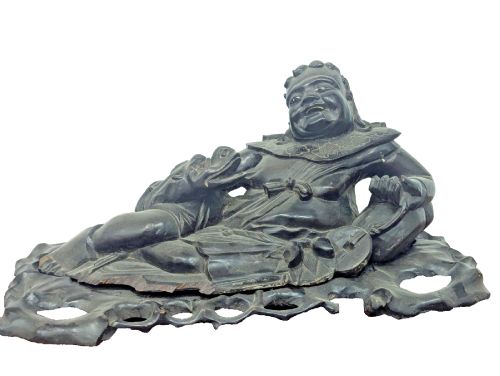
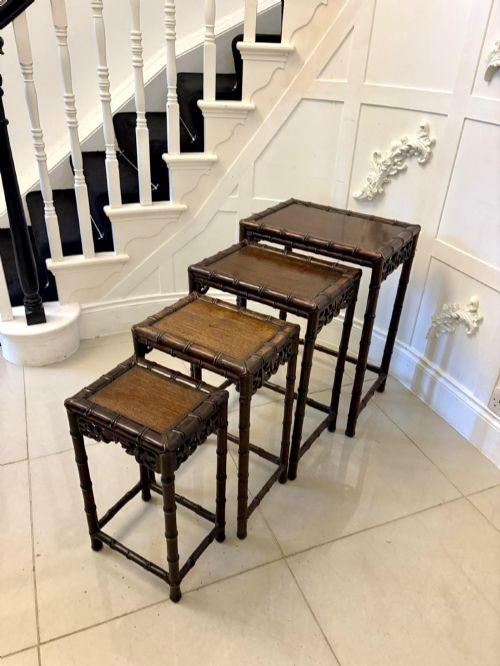
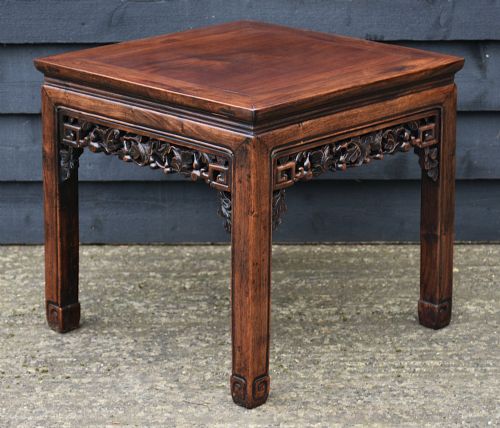
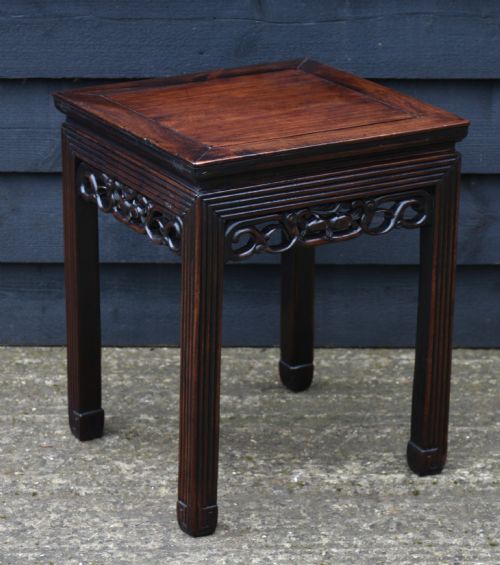
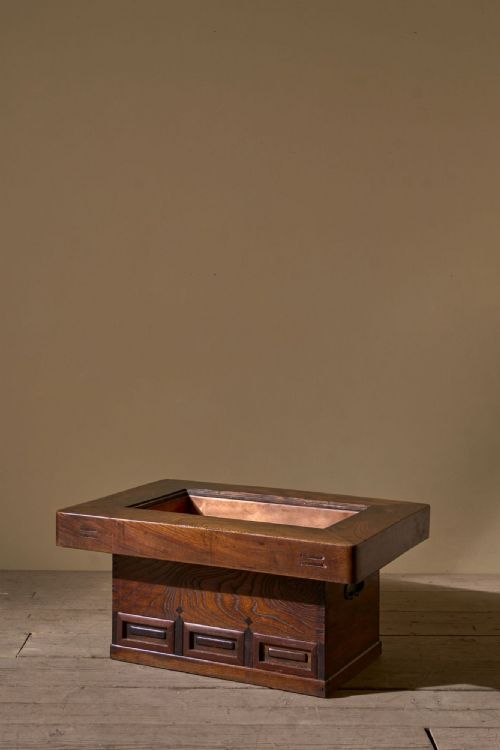
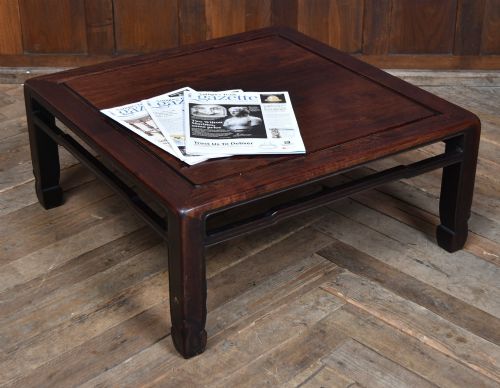
Oriental dark wood tables encompass forms ranging from low opium tables and plant stands to nests of tables and occasional pieces. You encounter nineteenth-century Chinese hardwood examples alongside Anglo-Indian and Japanese pieces.
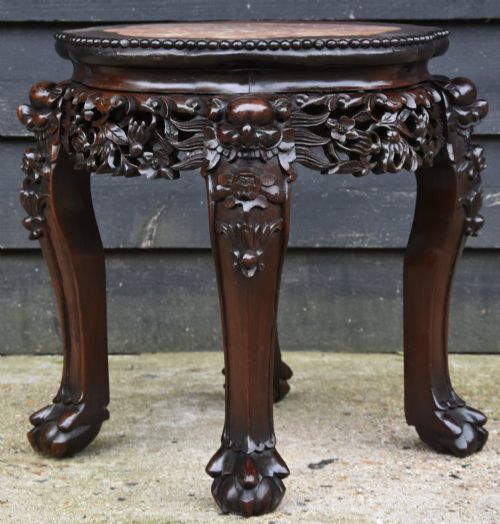
The selection here includes altar tables, coffee tables, and marble-top pedestals showing traditional carving and regional styles. These items serve functional surfaces or decorative display roles within domestic spaces.
Originating from periods such as the Qing Dynasty, Meiji period, and Victorian eras, these tables utilise dense timbers like rosewood and padouk. Each piece reflects the specific cabinet-making traditions of its workshop and region of manufacture.
How they were made
Cabinet makers built these tables using dense hardwoods such as rosewood, hongmu, and padouk, relying on traditional joinery that avoided metal fasteners. Frames were constructed to accommodate heavy inlays and carved panels without warping.
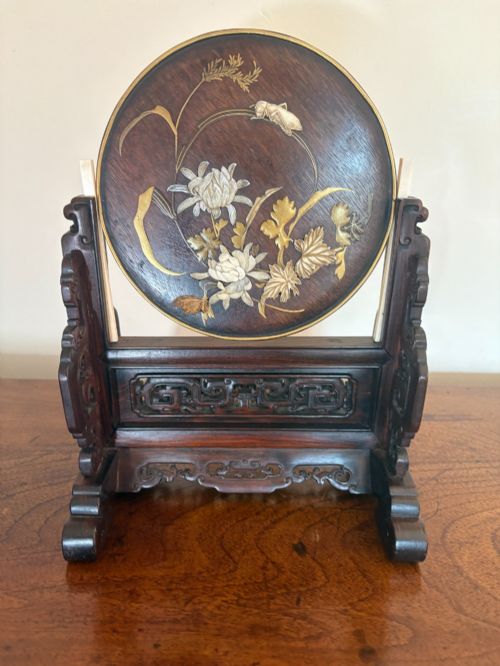
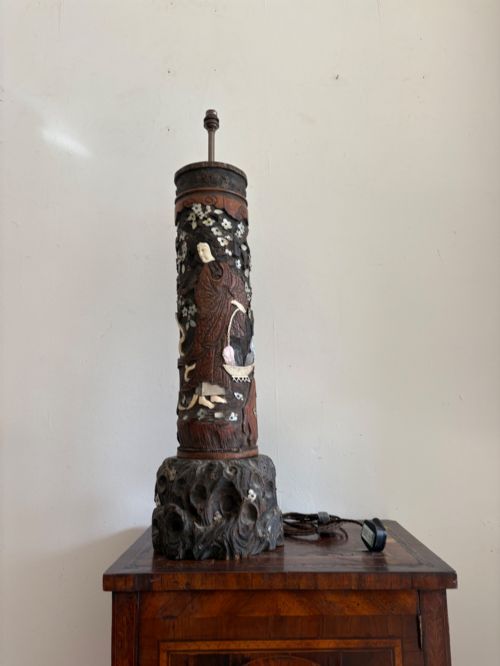
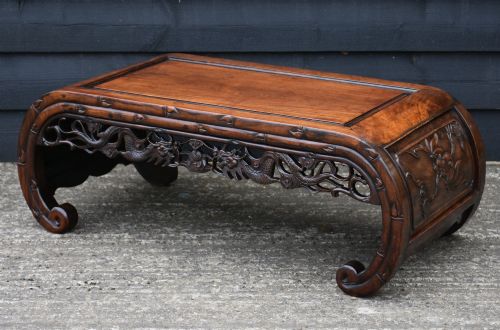
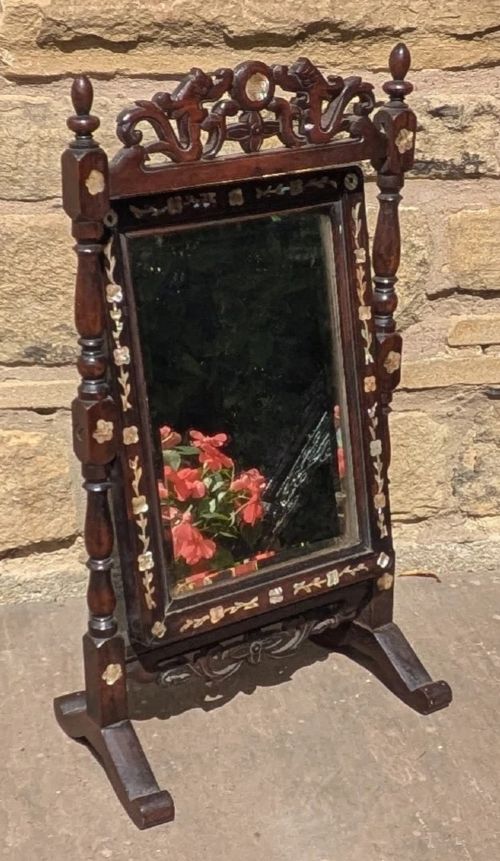
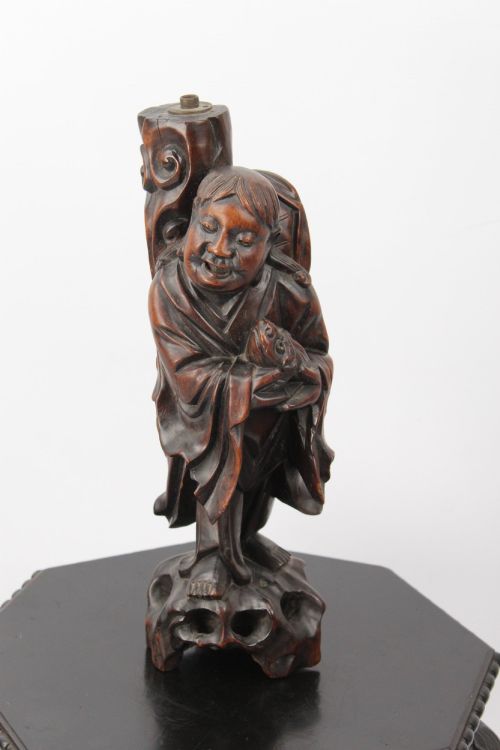
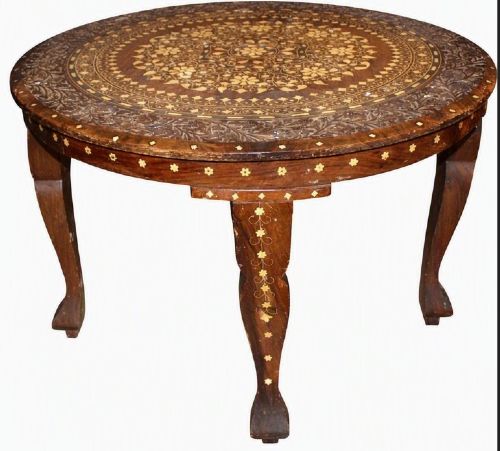
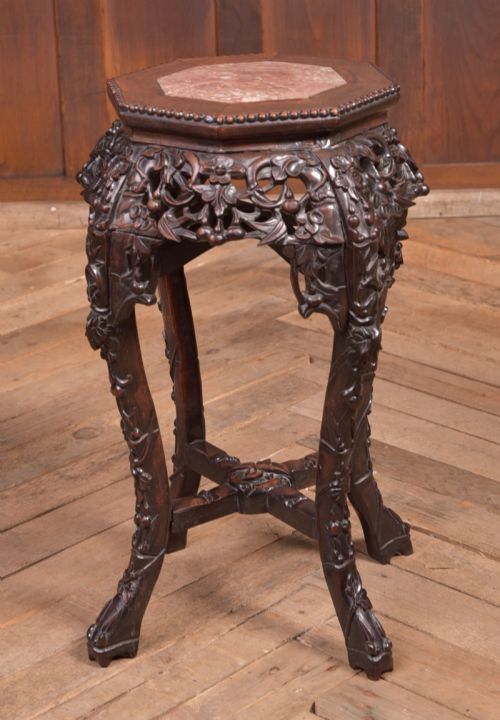
Decoration involved deep hand-carving with dragon and floral motifs, alongside surface enrichments of bone, mother-of-pearl, and brass wire. Marble inserts were frequently fitted into table tops to provide cool, durable surfaces for plants and vases.
Listings feature nineteenth-century Chinese hardwood alongside Anglo-Indian and Japanese Meiji period pieces.
What varies in quality
Quality rests on the crispness of the hand-carving and the stability of the dense timber frame. Pieces with deeply undercut relief work and well-fitted marble or wood panels demonstrate superior workshop execution.
The selection of materials creates divergence, with solid hongmu and rosewood commanding greater visual depth than simpler hardwoods. Integration of delicate inlay work, such as bone or mother-of-pearl, requires precision that separates standard items from finer examples.
Liberty & Co·Liberty of London·Liberty's
The Oriental Dark Wood Tables Glossary
- Hongmu
- A dense, heavy Chinese hardwood prized for its dark red-brown tone and durability. It provides the structural integrity for many nineteenth-century tables and stands.
- Opium table
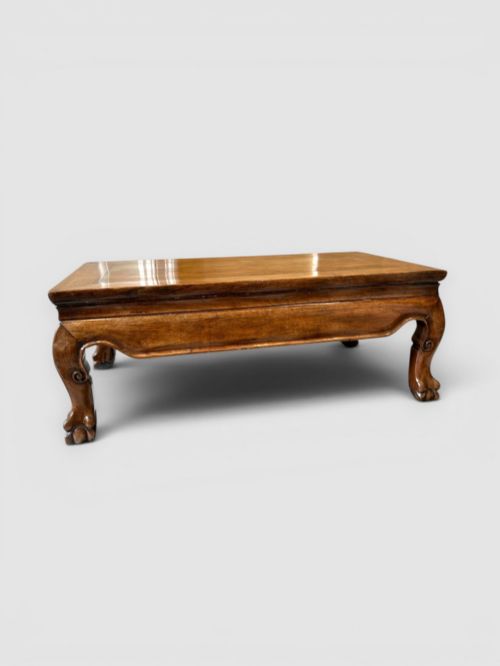
- A low rectangular or square table traditionally used in Chinese interiors for sitting or serving. These pieces often feature carved apron details and robust legs.
- Shibayama
- A Japanese decorative technique using inlaid mother-of-pearl, ivory, and tortoiseshell to create pictorial scenes. It appears on screens and small decorative objects.
- Altar table
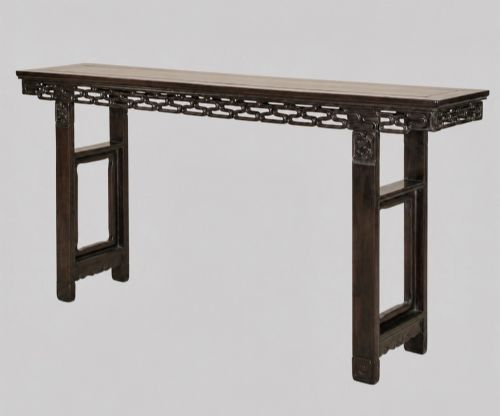
- A long, narrow Chinese table featuring upturned flange ends, historically placed against walls for ritual purposes. Surviving examples now function as side or console tables.
- Padouk
- A heavy, stable tropical hardwood with a reddish hue that darkens with age. It is frequently utilised in Chinese export furniture.
Oriental Dark Wood Tables: Frequently Asked Questions
How do I style a low opium table?
Low tables work effectively as central coffee elements or display surfaces for ceramics and books. Their compact height allows them to sit comfortably in contemporary living spaces.
Pair them with neutral seating to let the carved wood grain and traditional apron details remain the visual focus of the room.
What is the difference between an altar table and a side table?
Altar tables are traditionally longer and narrower, often distinguished by upturned flanges at the short ends of the top surface. They were originally designed for ceremonial placement against walls.
Standard side tables feature flat square or rectangular tops intended for general domestic use and freestanding placement.
How do I care for antique rosewood furniture?
Maintain dense hardwoods by applying natural wax sparingly and avoiding placement near direct heat sources. Consistent indoor humidity prevents the timber from splitting.
Dust surfaces regularly with a soft cloth to protect the hand-carved details and inlaid bone or mother-of-pearl elements.
Are marble top stands purely decorative?
Marble inserts provide a cool, water-resistant surface originally intended for resting heavy plant pots and floral arrangements. This protected the surrounding hardwood from moisture damage.
Today, these durable tops continue to function practically for lamps and vases while adding textural contrast to the dark timber frame.