



Carved Timber Tea Tables
Carved timber tea tables are substantial pieces designed for entertaining, and the selection here spans various regional traditions and intricate motifs.
Carved Timber Tea Tables
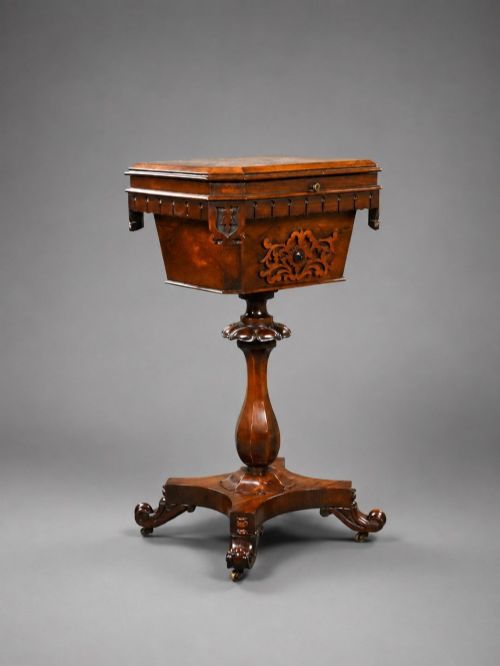
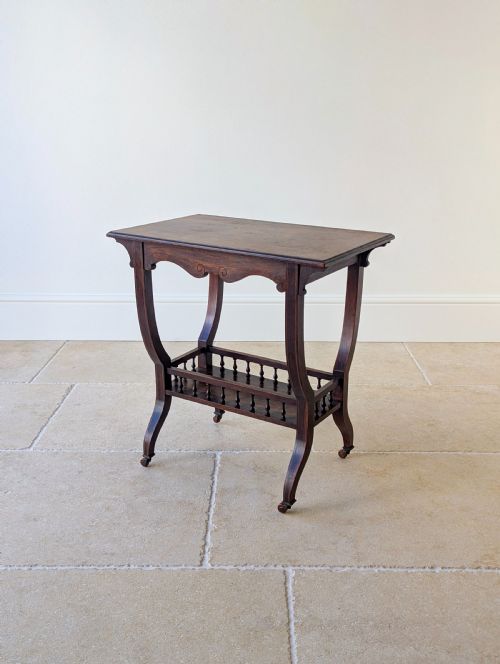
When you search for carved timber tea tables, you encounter a diverse array of forms originating from different global and domestic traditions. The listings here comprise nineteenth-century pieces alongside Edwardian examples, taking the form of tea poys, low tables, and occasional tables.
You are most likely to meet hardwood and rosewood versions reflecting Anglo-Indian, Chinese Export, and Victorian influences. These items served specific domestic functions in the parlour or drawing room, ranging from surface utility to specialised games use.
Regional workshops produced distinct silhouettes, such as octagonal side tables from India and ebonised low coffee tables from China. The material palette relies heavily on dense timbers that accepted deep hand-chizzled ornamentation.
How they were made
Makers utilised dense timbers such as rosewood, walnut, padouk, and mahogany to provide a stable canvas for deep relief carving. These woods were turned, joined, and occasionally ebonised or polished to highlight the natural grain.
Decoration was achieved through meticulous hand-carving, displaying motifs like elephant heads and floral patterns directly into the solid timber. Joinery methods varied from traditional English cabinet-making to regional construction techniques seen in Anglo-Indian and Chinese export pieces.
Several tables here feature hand-carved elephant heads, proving that nineteenth-century artisans took their inspiration directly from the local wildlife.
What varies in quality
The standard of execution in the carved ornamentation separates standard production from exceptional work. Crispness in the undercut foliage, animal motifs, and geometric borders indicates the skill of the carver.
Selection of timber also dictates overall merit, with figured walnut, goncalo alves, and heavy rosewood commanding greater attention than plain commercial woods. The integrity of the original joints and the retention of a rich surface finish complete the distinction.
The Carved Timber Tea Tables Glossary
- Tea Poy
- A small stand or cabinet originally designed for storing loose tea leaves. They often feature hinged lids and fitted interiors.
- Padouk
- A heavy tropical hardwood known for its dense grain and durability, frequently utilised in nineteenth-century campaign and export furniture.
- Goncalo Alves
- A highly figured exotic timber displaying striking dark brown and light golden-brown zoning, often employed in Regency cabinet-making.
- Ebonised
- Timber treated with a dark stain or finish to simulate expensive ebony. This technique was popular in various nineteenth and early twentieth-century decorative pieces.
- Tilt-Top
- A table mechanism allowing the surface to pivot to a vertical position when not in use. This conserved floor space in smaller period rooms.
Carved Timber Tea Tables: Frequently Asked Questions
What is a tea poy?
A tea poy is a small freestanding chest or table designed to hold tea canisters securely inside a compartment.
In period homes, these items stood beside seating areas to facilitate the hostess during tea service.
How do I date a carved table?
Dating relies on examining the timber species, construction joints, and stylistic cues present in the carving.
Comparing the specific motifs to documented periods like the Regency or Edwardian eras helps narrow down the decade of production.
Where were Anglo-Indian tables made?
These pieces were produced in workshops across the Indian subcontinent during the nineteenth and early twentieth centuries.
Local artisans combined traditional indigenous carving patterns with European furniture forms intended for export.
How do I maintain timber tables?
Preservation involves keeping the timber away from direct heat sources and sudden humidity shifts to prevent splitting.
Applying appropriate wax polishes periodically helps maintain the lustre of the polished wood surface.