


Oriental Lamp Stands
Oriental lamp stands bring decorative Asian motifs and tall timber or metal forms into a room, offering both practical illumination and striking historical character.
Oriental Lamp Stands
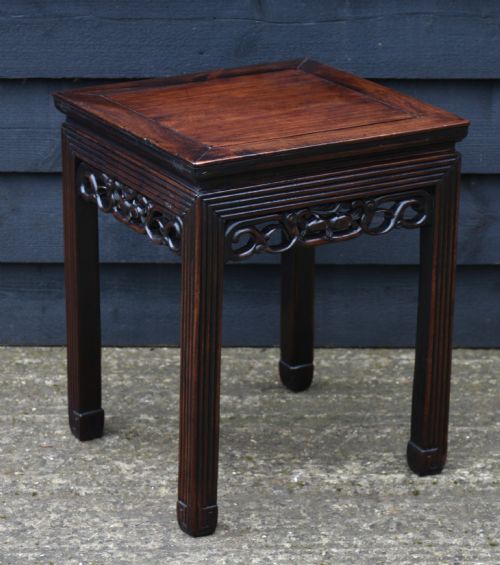
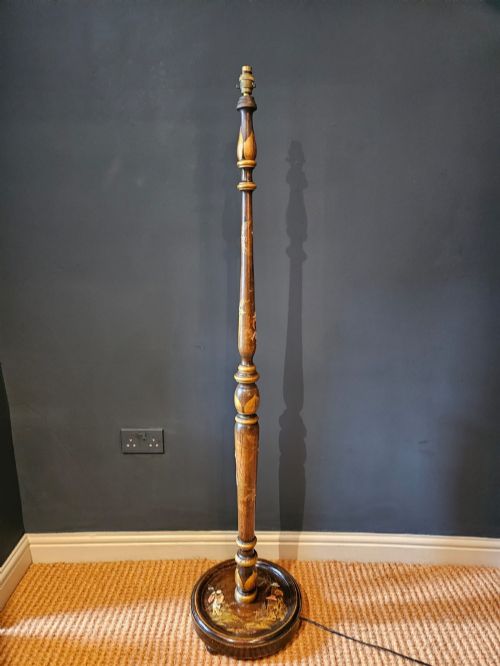
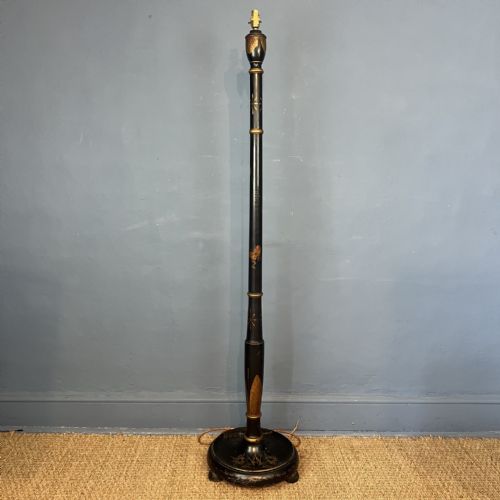
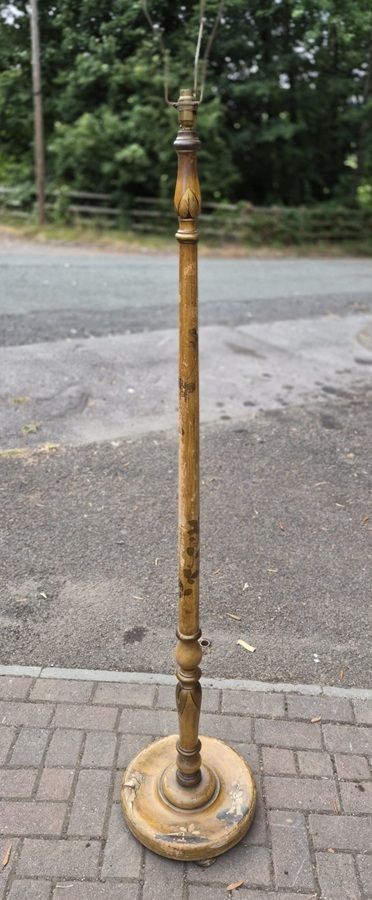
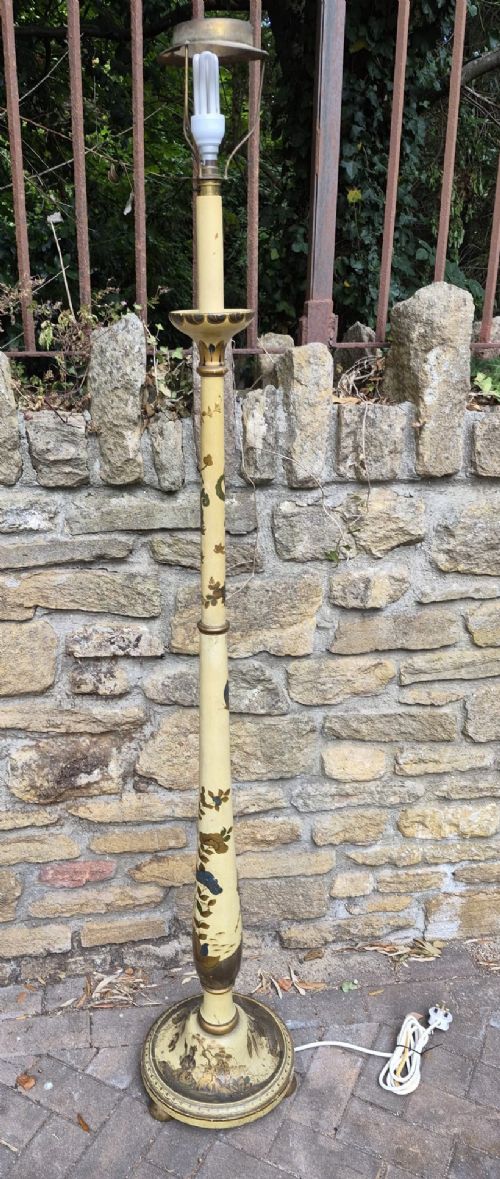
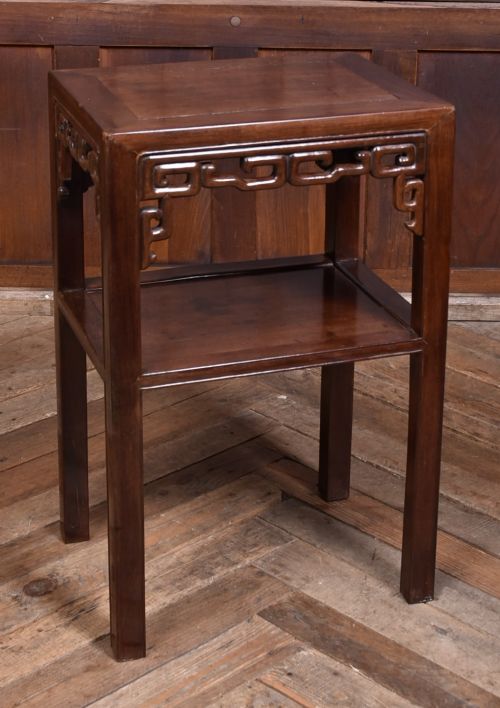
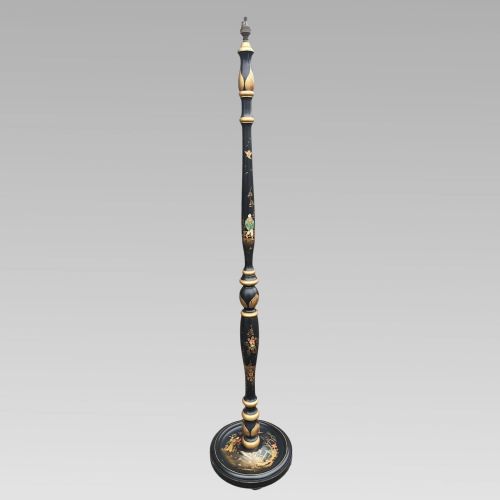
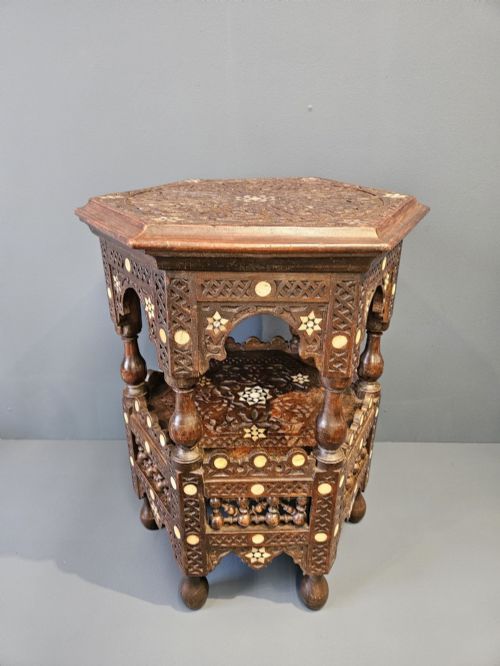
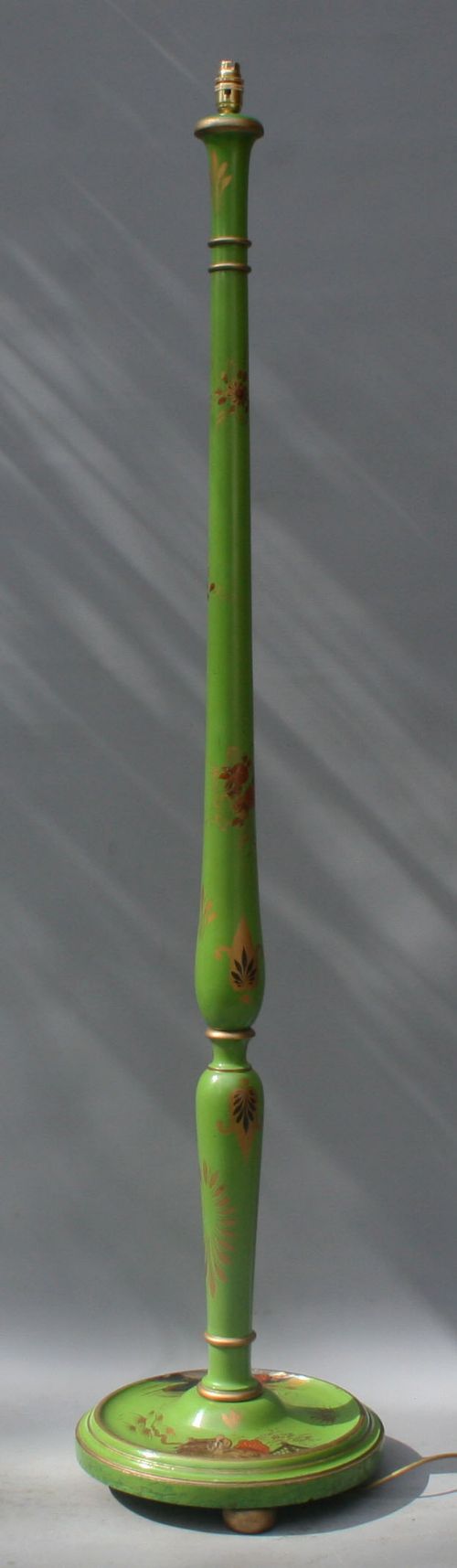
Oriental lamp stands comprise tall standard lamps, floor lamps, and smaller occasional tables or plant stands adapted for lighting, drawing heavily on Chinese, Japanese, and Anglo-Indian design traditions. Buyers seeking these pieces encounter standard lamps in Chinoiserie decorated finishes alongside low or side tables functioning as lamp supports.
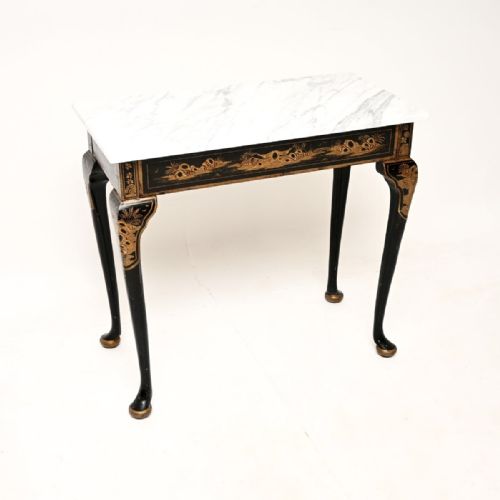
The pieces span the nineteenth century, the Victorian and Edwardian eras, and into the 1920s and 1930s, reflecting changing British tastes for imported eastern aesthetics. Standard lamps frequently appear alongside marble-topped tables and two-tier occasional stands designed to hold lamps or vases.
Origins vary from Chinese export workshops to Japanese Meiji period examples and Indian regional production, all imported or made for the European market. Standard lamps and lantern stands form the primary lighting options, supported by hardwood and lacquered occasional tables.
Materials and Construction Techniques
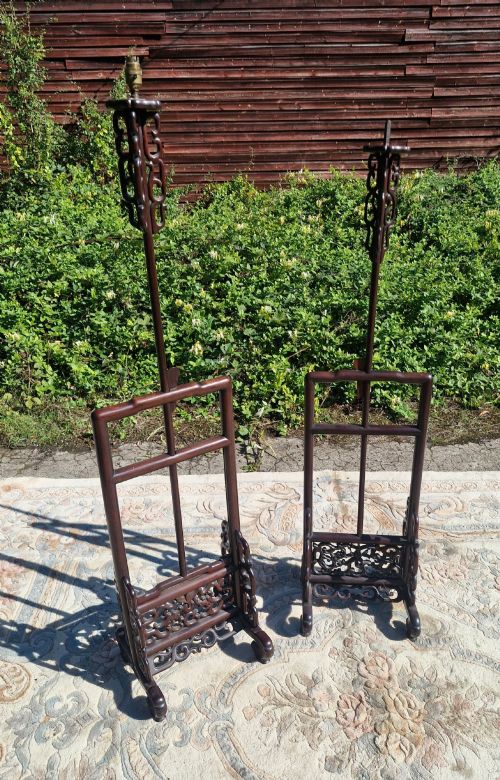
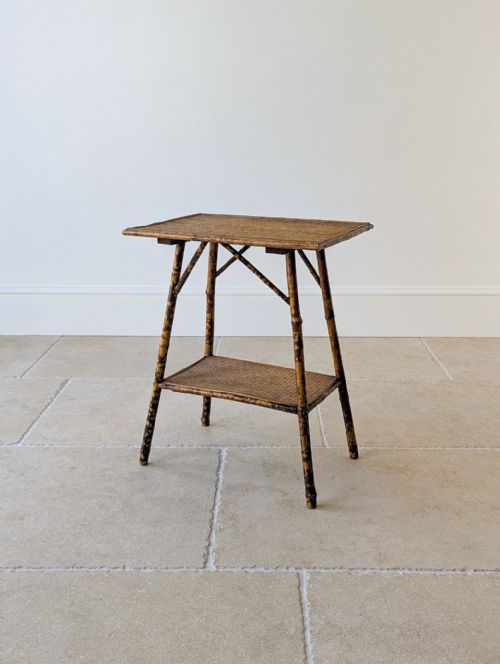
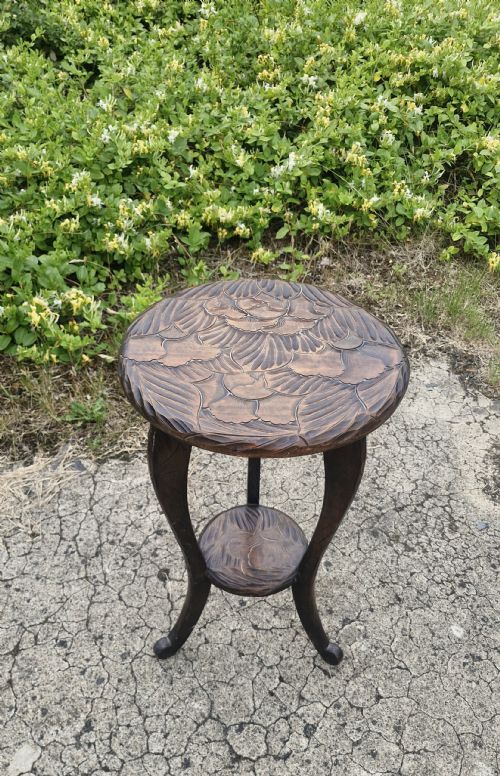
Construction relies heavily on dense timbers such as rosewood, teak, padauk, huali, and general hardwood, alongside bamboo and ebonised elm. These woods are frequently carved with traditional motifs like dragons or geometric patterns.
Surface decoration often involves black, red, or multi-coloured lacquer in the Chinoiserie style, complemented by marble table inserts, brass components, and occasional bone or metal inlay work seen in pieces like Hoshiarpur items.
Factors That Distinguish Quality
Quality rests in the crispness of the hand-carved ornamentation on hardwood frames and the depth and durability of applied lacquer finishes. Fine examples display sharply defined motifs and robust joinery rather than shallow carving or flat painted surfaces.
The choice of materials dictates the standing of the piece, with dense native timbers like rosewood and padauk offering superior weight and grain compared to softer woods. Original marble inserts and intact decorative brass elements further elevate the execution of the standard or table.
Liberty's
The Oriental Lamp Stands Glossary
- Chinoiserie
- European interpretation and imitation of Chinese and East Asian artistic traditions, widely applied to furniture and standard lamps. This style employs lacquered surfaces and painted motifs of landscapes and figures.
- Standard lamp
- A tall freestanding floor lamp designed to hold a light fitting and shade. These tall upright supports lift the illumination source above table height.
- Hardwood
- Timber derived from broad-leaved trees, encompassing dense exotic woods such as rosewood, padauk, and huali. These durable materials provide the structural integrity for carved stands and tables.
- Jardiniere stand
- A tall pedestal or small table originally intended to display plants or flower pots. Buyers frequently utilise these sturdy stands to support table lamps.
- Meiji Period
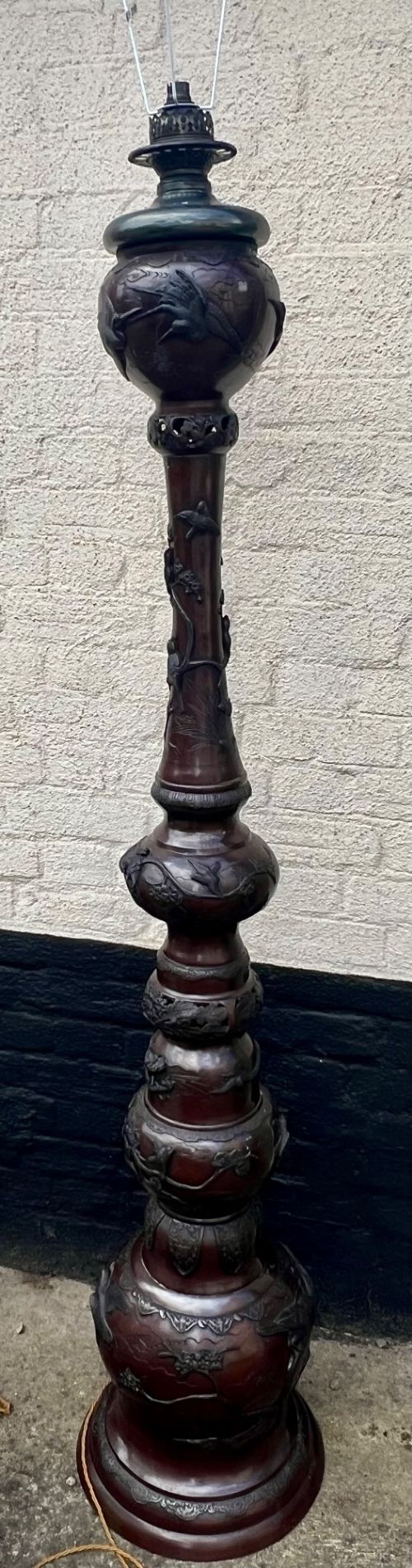
- The era in Japanese history spanning from 1868 to 1912, known for metalwork and decorative arts exported to the West. Bronze floor lamps frequently date from this distinct historical span.
Oriental Lamp Stands: Frequently Asked Questions
What is an oriental lamp stand?
An oriental lamp stand is a tall lighting column or a small occasional table designed to hold a lamp, featuring Asian decorative motifs or imported timbers.
These pieces range from tall wooden floor lamps to marble-topped side tables that accommodate table lamps.
How do I date a chinoiserie standard lamp?
Dating relies on examining the timber construction, the type of lacquer work, and the wiring or electrical fittings where original. Victorian and Edwardian examples often display hand-applied lacquer over dense hardwoods.
Comparing the decorative motifs and turning styles against documented late nineteenth and early twentieth-century manufacturing helps narrow the production period.
Can these stands support modern light bulbs?
Most standard lamps accept standard modern electrical components and bulbs, though older wiring generally requires professional rewiring for safety.
Buyers should consult a qualified electrician to update the internal fittings while preserving the exterior antique structure.