


Vintage Art Deco Lighting
Vintage art deco lighting brings distinct geometric form and industrial charm into a room, offering the exact period atmosphere collectors seek.
What vintage art deco lighting is
When you search for vintage art deco lighting, you encounter functional objects designed during the 1920 and 1930 periods. These pieces define a specific era of decorative design through strong lines and industrial materials.
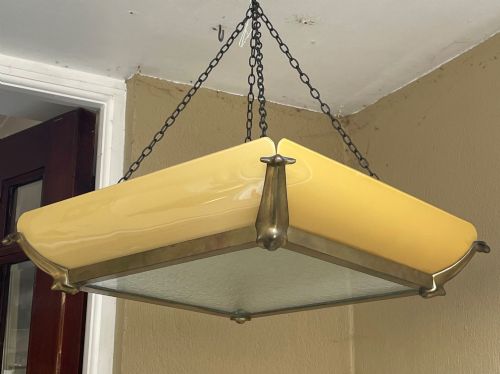
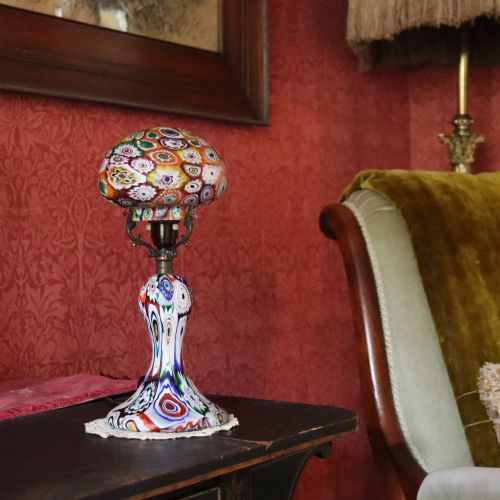
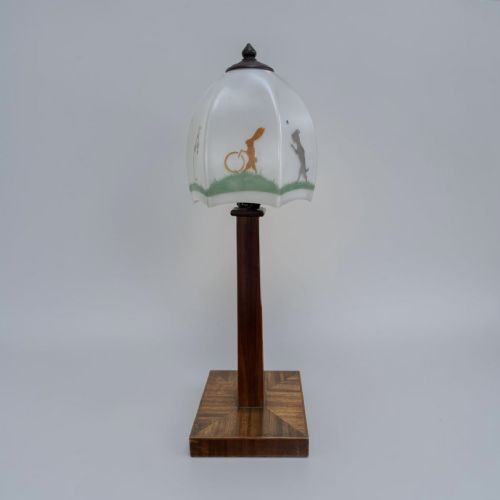
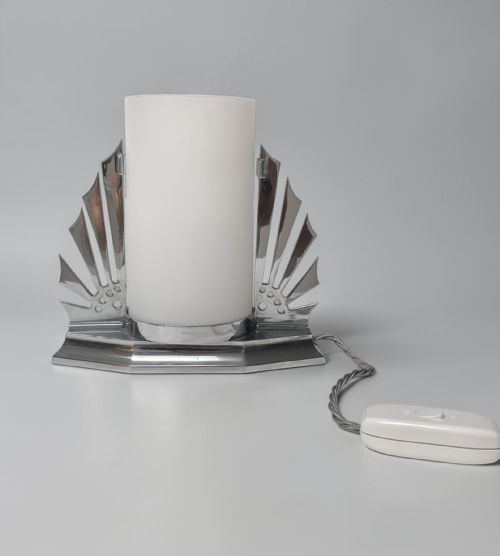
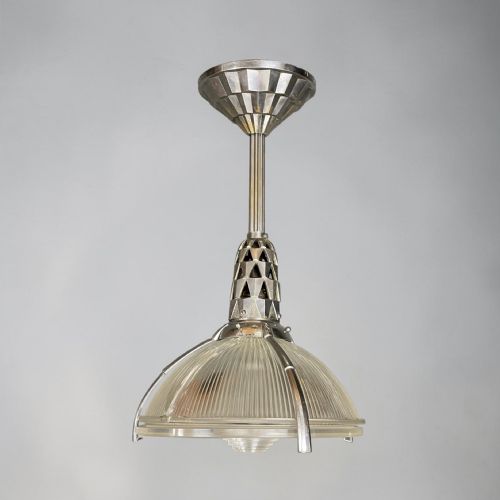
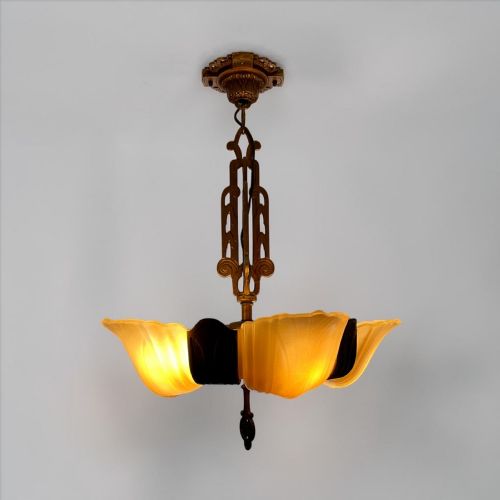
Table lamps, ceiling lights, and wall sconces form the primary types available on this page. Examples range from American slip shade ceiling lights to French table lamps and cloud shaped wall light sconces.
The most common items you meet are table lamps and ceiling fixtures dated around nineteen thirty. These objects bring original period illumination directly into domestic spaces without alteration.
How they were made
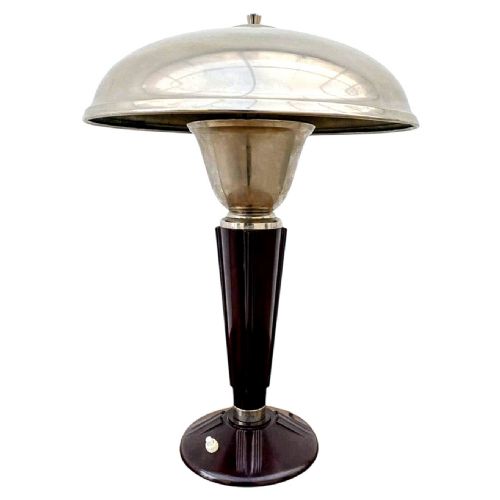
Makers utilised cast metal, chrome, and spelter as structural materials to build the heavy frames and bases. These metals provided both durability and a sleek metallic finish suited to modern interiors.
Glass components, including frosted glass and crackle glass, were moulded into shades and diffusers to soften the illumination. These glass elements often feature geometric moulding or cloud shapes that define the aesthetic.
Retail Price Guide 2026
Typical UK retail prices for vintage art deco lighting, calculated from the Sellingantiques database of over a million retail prices indexed since 2003. This retail price guide relies exclusively on Sellingantiques data; no external sources or auction records are used, so the figures do not describe the wider market.
Current listings feature items from both the 1920 and 1930 periods, utilising chrome, glass, frosted glass, cast metal, spelter, and marble.
What varies in quality
Quality rests in the harmony between the metal mountings and the glass shades, where finer pieces display integrated proportions and crisp moulding. Lesser examples rely on heavier, less refined metalwork that obscures the lines.
The sophistication of the glasswork separates standard production from superior pieces, particularly in frosted or crackle finishes. Better examples show careful attention to surface texture and light diffusion.
The Vintage Art Deco Lighting Glossary
- Slip shade
- A type of moulded glass shade that slides directly into a metal frame or fitter without screws. These shades are characteristic of American ceiling lights from the period.
- Spelter
- A zinc alloy used as a substitute for bronze in decorative metalwork. It takes plating well and forms the base for many period figures and lamp bodies.
- Crackle glass
- Glass with a fine network of internal fractures created during manufacture. It scatters light in a distinctive pattern across the room.
- Sconce
- A wall-mounted lighting fixture designed to direct illumination upwards or outwards. Paired examples are frequently encountered in hallway and living room settings.
Frequently Asked Questions
What periods do these lights come from?
The pieces originate from the 1920 and 1930 eras. These dates capture the height of the design movement.
Items are dated according to stylistic markers and period production standards.
How were these fixtures used originally?
They served as primary illumination sources in domestic and commercial interiors. Table lamps provided task lighting, while ceiling lights and wall sconces lit entire rooms.
The design aimed to combine utility with the modern aesthetic of the interwar years.
What materials make up these lights?
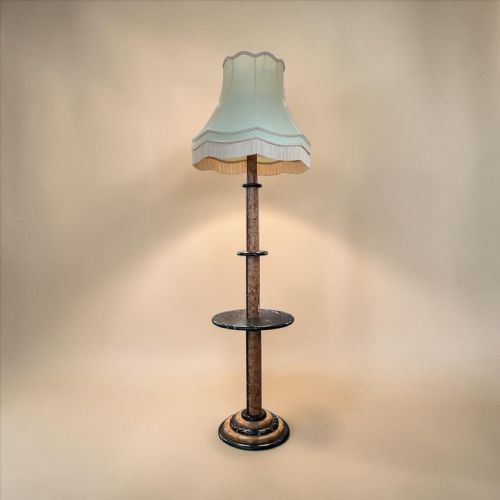
Construction relies on metals such as chrome, cast metal, and spelter for the frames. Marble often provides a heavy, stable base for table lamps.
Glass elements include frosted and crackle variations to diffuse the bulb output.
How do I identify French art deco lighting?
French pieces often manifest as large table lamps with distinct regional stylistic traits. They utilise the same core materials like chrome and glass but present unique sculptural forms.
Origin is typically attributed through design lineage and manufacturing characteristics.