



Frosted Glass Ceiling Light
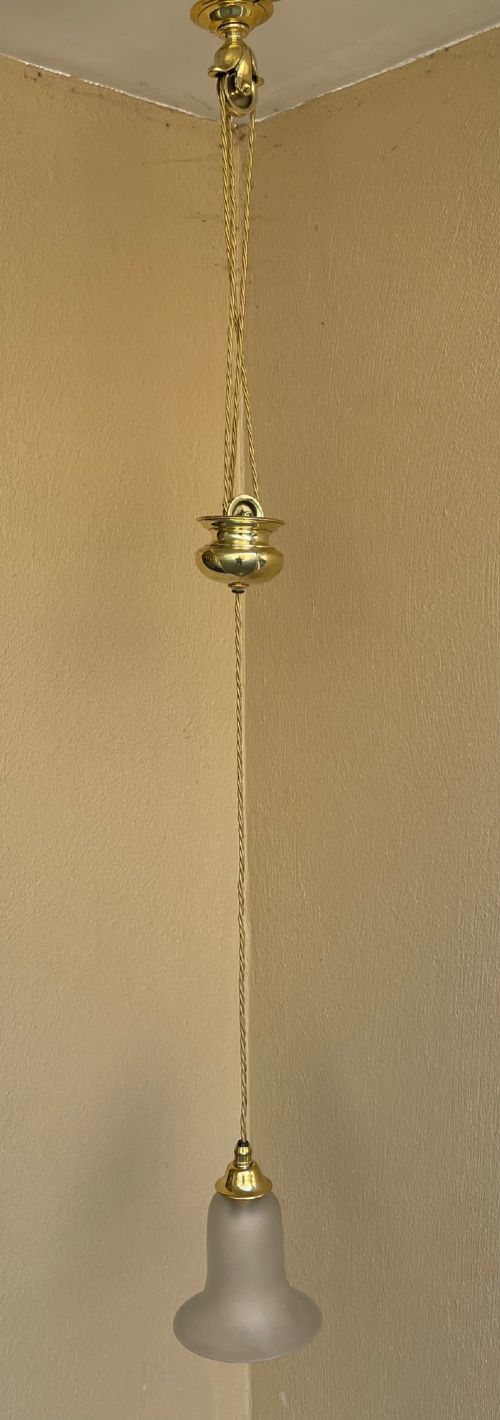
A frosted glass ceiling light diffuses light with a soft, even glow, making it a practical choice for period interiors.
Frosted Glass Ceiling Light
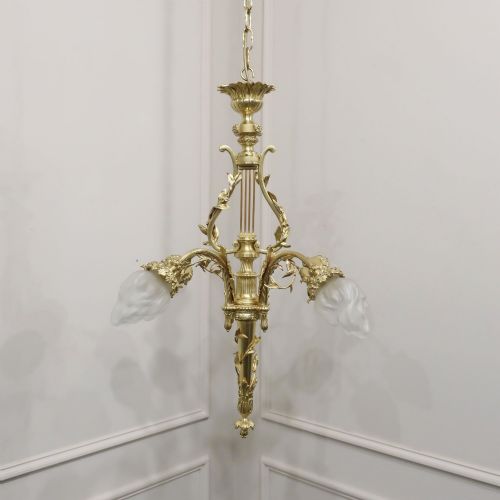
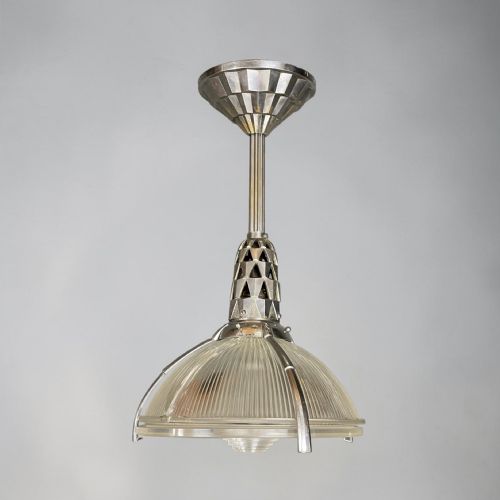
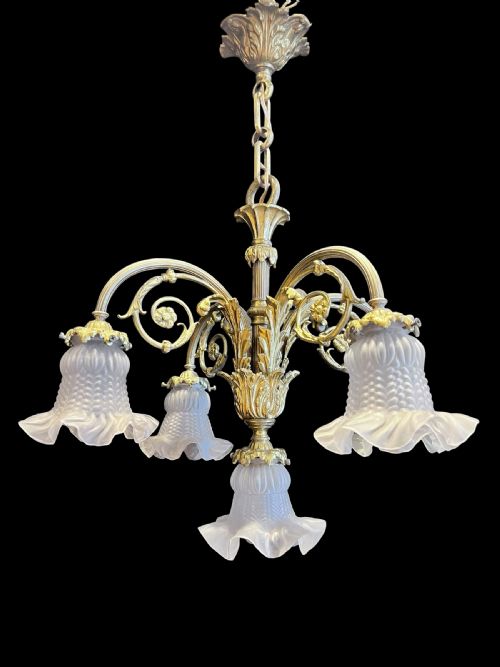
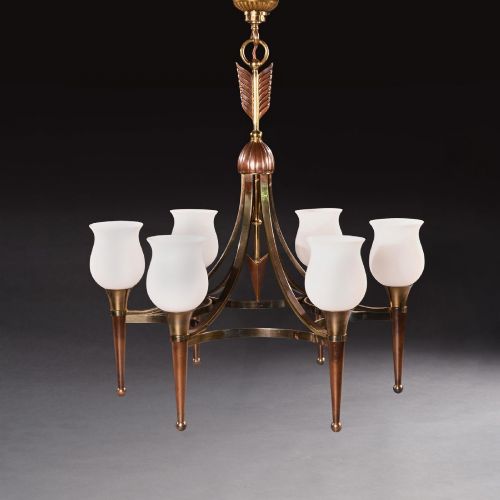
When you search for a frosted glass ceiling light, you encounter overhead fixtures designed to cast a diffused, glare-free illumination across a room or hallway. These pieces span several decades, ranging from the ornate metalwork of the nineteenth century to the geometric silhouettes of the nineteen-thirties.
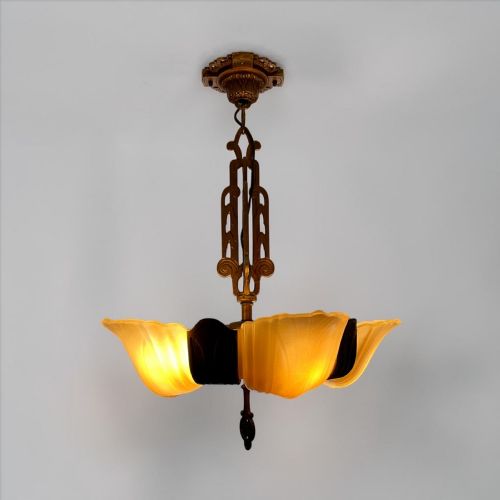
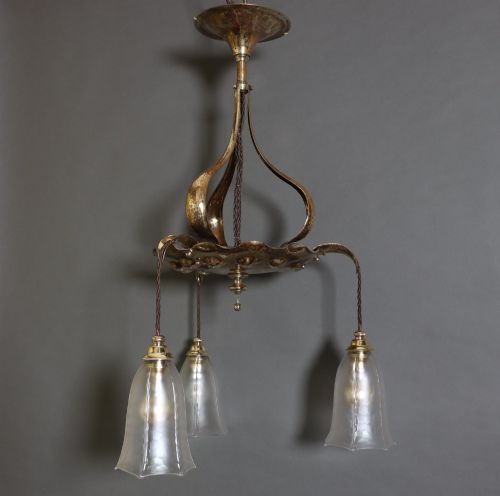
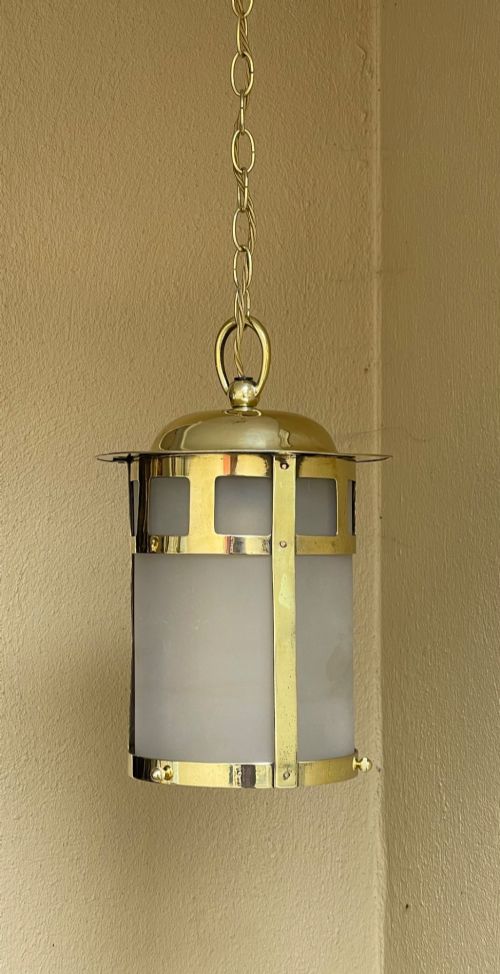
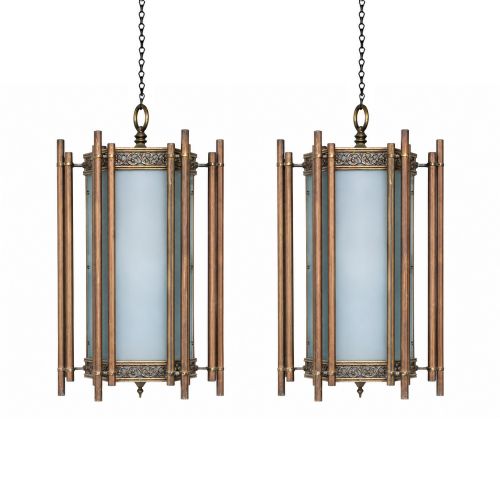
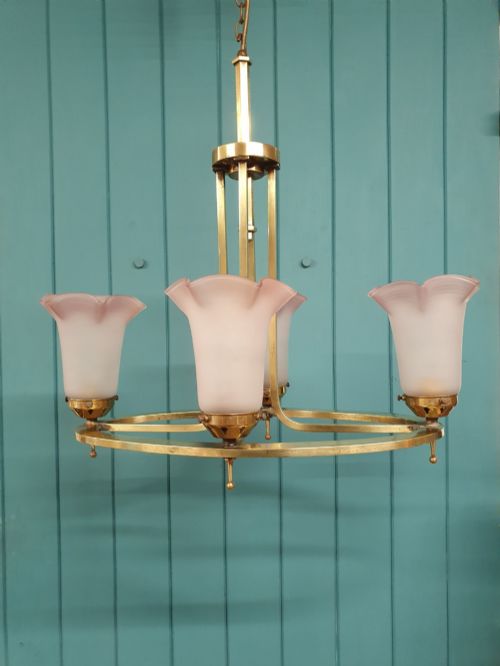
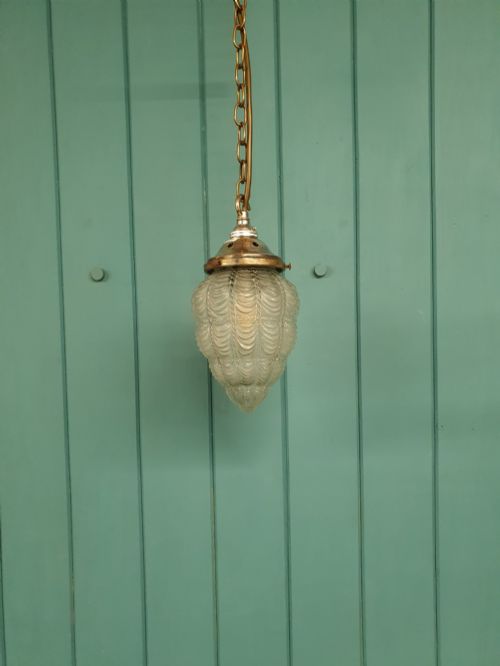
The most common examples on this page date from the Edwardian era and the Art Deco period, typically taking the form of hanging pendants, hall lanterns, and bowl-shaped plafonniers. Their shades diffuse direct bulb glare while showcasing moulded, pressed, or slip-shaded glass surfaces.
Originating largely from British, French, and American workshops, these fixtures serve both functional and decorative roles in domestic architecture. They appear in formats from single-bulb pendants to multi-armed chandeliers equipped with brass, bronze, or copper frames.
How they were made
Makers combined metal frames of cast brass, patinated bronze, or beaten copper with glass elements shaped through pressing, moulding, or acid-etching. Metal components were often cast or spun before being hand-finished and assembled around central electrical or colza-burning fittings.
Glass production relied on techniques such as pressing molten metal into iron moulds or treating blown surfaces with acid to achieve a tactile, frosted texture. Specialised shades, including slip shades and clam shell designs, required precise mould-making to fit snugly into metal galleries.
Frosted Glass Ceiling Light Retail Price Guide 2026
Typical asking prices for frosted glass ceiling light among the pieces listed under this phrase on Sellingantiques today, from the lower quarter to the upper quarter. They describe what is for sale here now, not the wider market.
Listings feature frosted glass ceiling lights across the nineteenth century, Edwardian era, and nineteen-twenties and thirties.
What varies in quality
Quality rests in the substance of the metalwork and the crispness of the glass moulding. Heavier cast brass and bronze frames maintain their structural integrity better over time than lighter, stamped alternatives.
Émile-Jacques Ruhlmann·F&C Osler·René Lalique·Maison Jansen·Andre Arbus
The Frosted Glass Ceiling Light Glossary
- Plafonnier
- A ceiling-mounted bowl light that sits close to the surface, popular during the Art Deco period. It directs light upward and outward against the ceiling.
- Slip shade
- An individual moulded glass panel that slots into a matching metal frame, commonly found in nineteen-thirties American lighting design.
- Gallery
- The metal ring or mount that grips the top of a glass lampshade to suspend it from a chain or rod.
- Holophane
- A brand of scientific prismatic glass designed to direct and diffuse light efficiently while reducing glare.
- Hall lantern
- An enclosed hanging light fixture, often hexagonal or square, designed specifically for narrow entranceways and corridors.
Frosted Glass Ceiling Light: Frequently Asked Questions
How do I hang a heavy brass and glass chandelier?
Heavy fixtures require direct support from a ceiling joist using a structural mounting hook rather than relying solely on plasterboard or lath and ceiling boxes.
Professional installation is recommended for older pendants to ensure the combined weight of the metal frame and glass shade is safely borne.
Can I convert an old gas or colza light to electricity?
Many period fixtures retain their original metal galleries but have been converted to take standard electrical lamp holders. Rewiring allows these antique fittings to meet modern safety standards while preserving their external appearance.
It is advisable to check the internal wiring of any historic piece before installation.
How do I clean frosted and pressed glass shades?
Wash the glass gently in warm, soapy water using a soft cloth to remove dust and grease accumulation. Avoid abrasive scouring pads that can damage the frosted surface or etchings.
Dry the glass thoroughly before reinserting it into the metal gallery.
How do I distinguish Art Deco lighting from Edwardian lighting?
Edwardian fixtures generally lean towards classical brass frames, etched glass globes, and pastoral motifs inspired by earlier Georgian and Victorian aesthetics. They emphasise traditional warmth and formal symmetry in hallways and reception rooms.
Art Deco pieces favour geometric lines, stylized floral reliefs, opalescent glass, and stepped silhouettes that reflect machine-age modernity.