
Gothic Revival Lighting
Gothic revival lighting brings genuine architectural weight and ecclesiastical presence into a room, offering heavy brass construction and striking historic forms.
What these pieces are
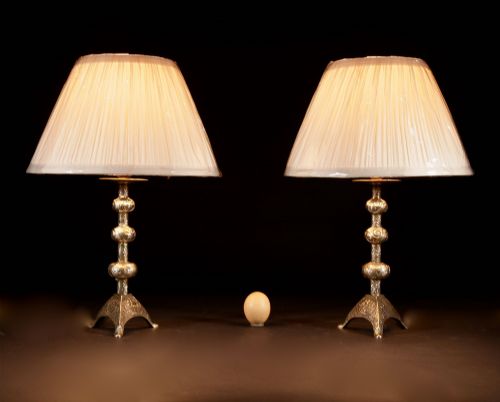
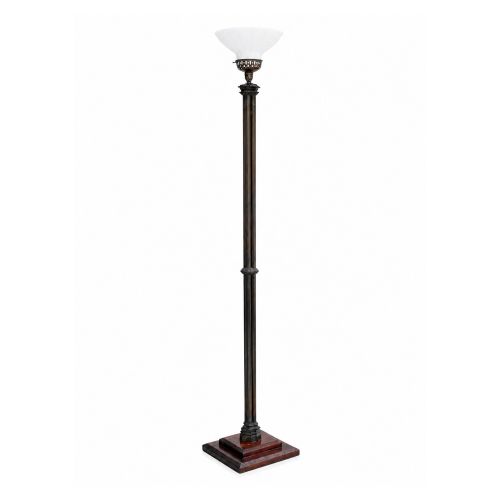
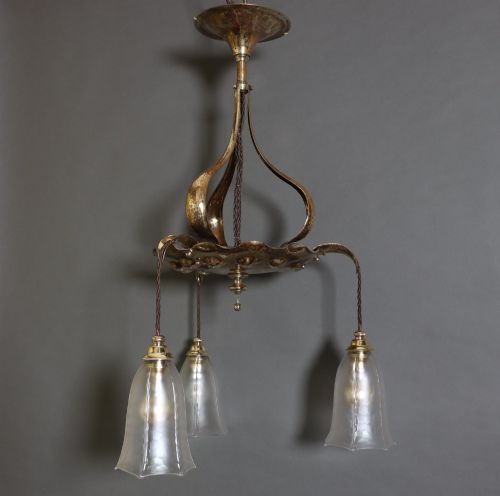
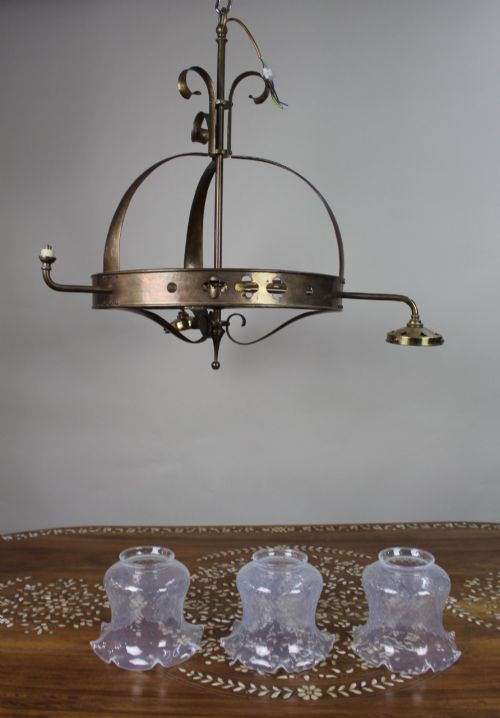
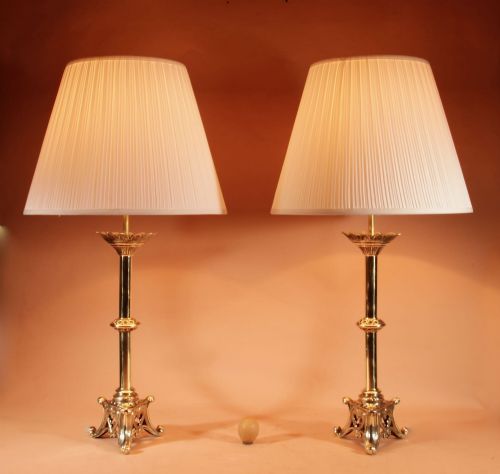
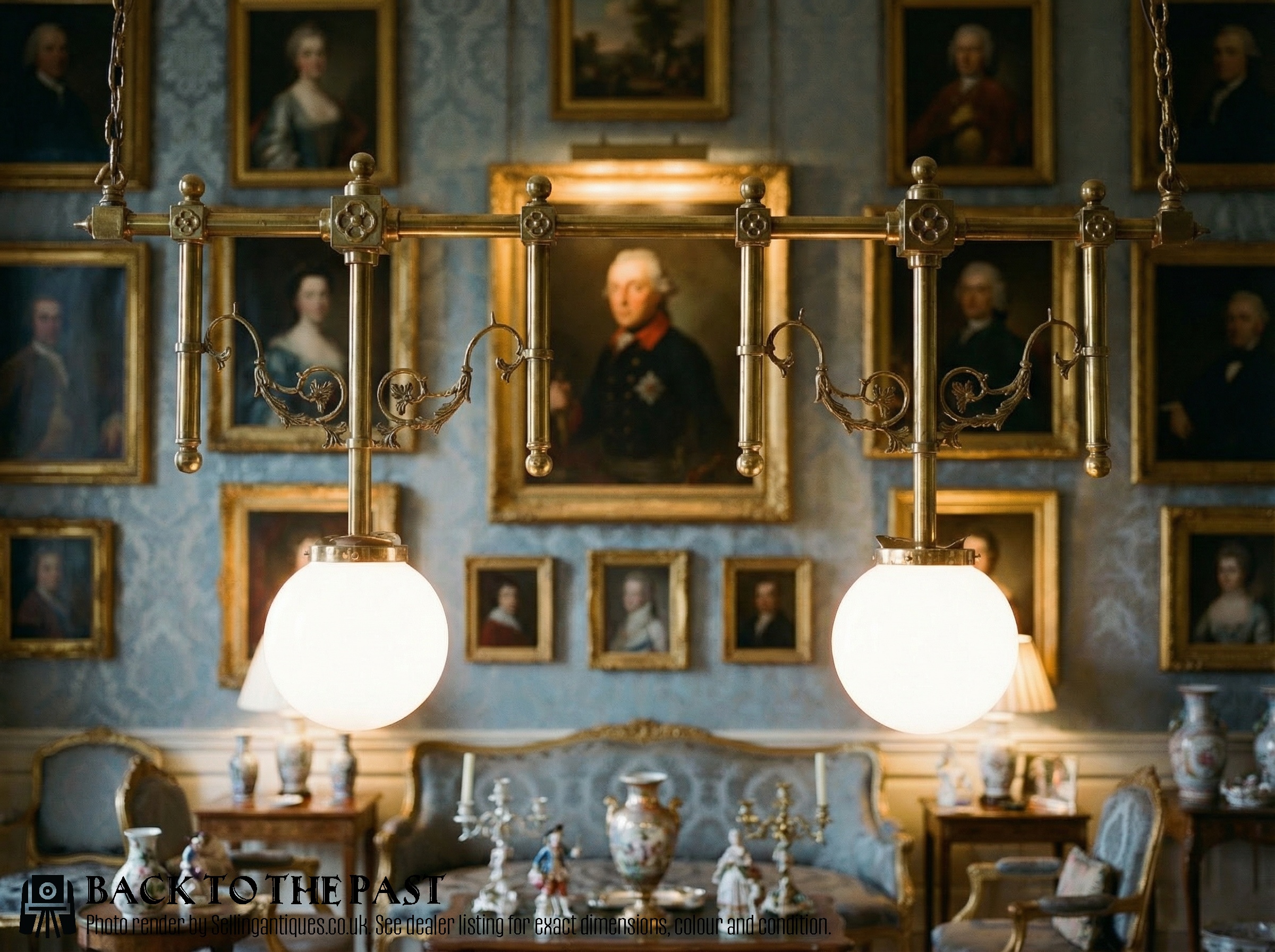
Gothic revival lighting spans table lamps, chandeliers, ceiling lights, and pendant lights rooted in historic ecclesiastical and medieval design. These pieces appear across Victorian, 19th century, 1900, and Edwardian periods.
How they were made
Construction relies primarily on brass, gilded brass, and gilt brass, often formed into heavy structural components. Metalwork provides the rigid framework for chandeliers, lanterns, and candlesticks.
Lighting elements incorporate delicate detailing including etched glass and opal glass globes. Some designs integrate fabric and silk fringe to soften the illumination.
Retail Price Guide 2026
Typical UK retail prices for gothic revival lighting, calculated from the Sellingantiques database of over a million retail prices indexed since 2003. This retail price guide relies exclusively on Sellingantiques data; no external sources or auction records are used, so the figures do not describe the wider market.
Listings span Victorian, 19th Century, 1900, and Edwardian periods in brass, fabric, silk fringe, gilded brass, gilt brass, etched glass, and opal glass.
What varies in quality
Quality separates through the weight of the metal and the precision of the brass casting. Heavier construction and finer gilding distinguish superior examples from standard production.
Glass components show variation between simple plain vessels and intricately etched or opal glass globes. The sophistication of period detailing dictates the standing of each piece.
The Gothic Revival Lighting Glossary
- Altar Candlestick
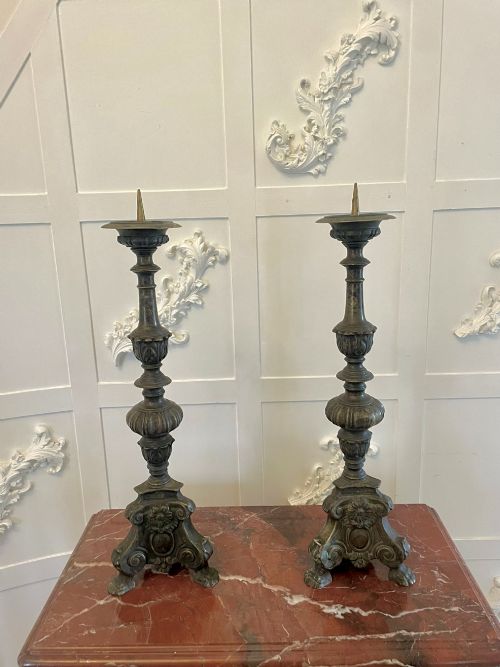
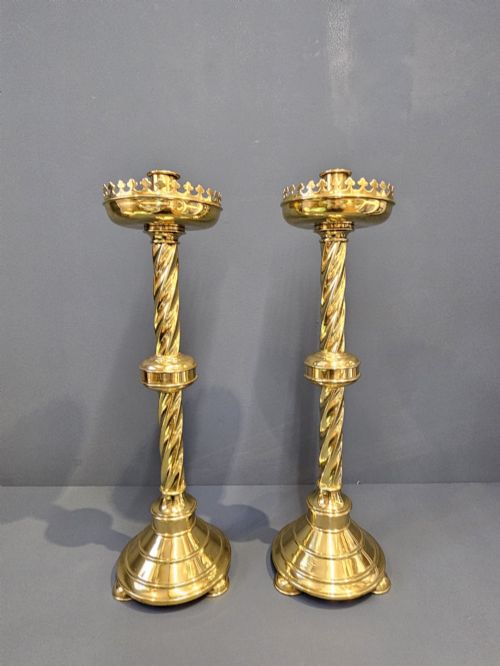
- A heavy ecclesiastical candle holder designed for liturgical use, frequently adapted into substantial table lighting. These pieces rely on robust brass construction for stability.
- Hall Lantern
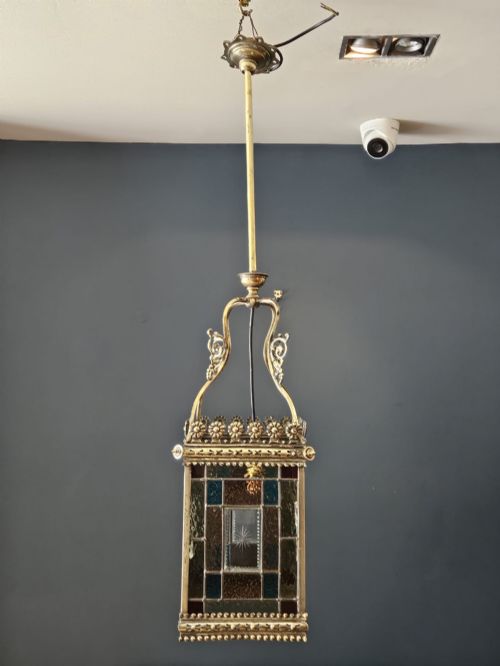
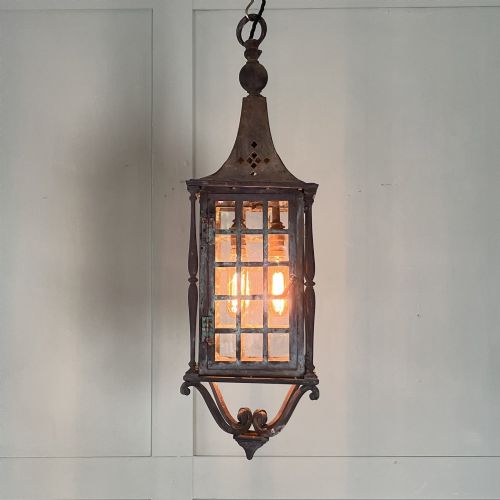
- An enclosed ceiling-hung light fixture designed for entryways and corridors. This form protects the flame or bulb while projecting decorative illumination.
- Opal Glass
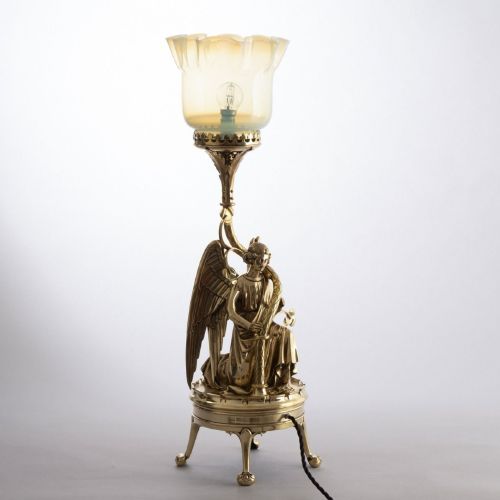
- A translucent milky-white glass used for globes and shades. It diffuses light evenly while adding a distinctive tactile finish.
- Gilded Brass
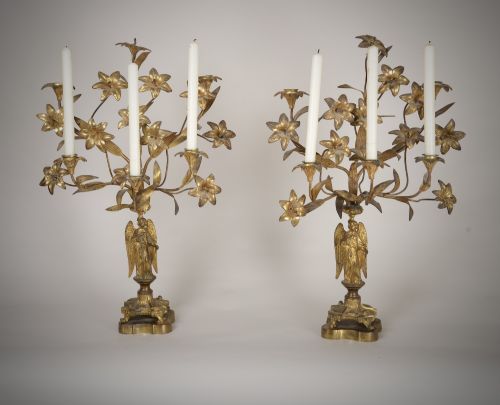
- Brass treated with a thin layer of gold or gilt finish to enhance visual richness. This treatment elevates the decorative impact of chandeliers and brackets.
Frequently Asked Questions
How do I wire antique gothic lighting?
Rewiring requires a qualified electrician to ensure historic metal fixtures meet modern safety standards while preserving original components.
Internal channels often accommodate modern flex without altering the visible exterior of the brass frame.
Are these lights suitable for low ceilings?
Flush-mounted ceiling lights and smaller pendant configurations fit lower spaces without dominating the room.
Multi-branch chandeliers require adequate vertical clearance to hang effectively as a central feature.
What rooms suit gothic revival fixtures?
These pieces complement study spaces, dining rooms, and hallways where architectural character benefits from historic illumination.
Heavy brass forms anchor traditional interiors and create striking contrast in eclectic modern settings.
How do I clean antique brass?
Dusting with a dry microfiber cloth prevents grime buildup without disturbing the historic surface patina.
Avoid aggressive chemical polishes that strip away age and diminish the character of the metal.