

Edwardian Brass Light Fixture
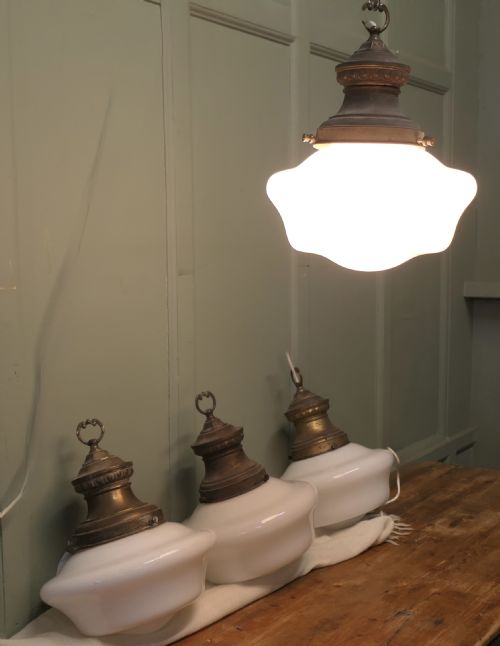
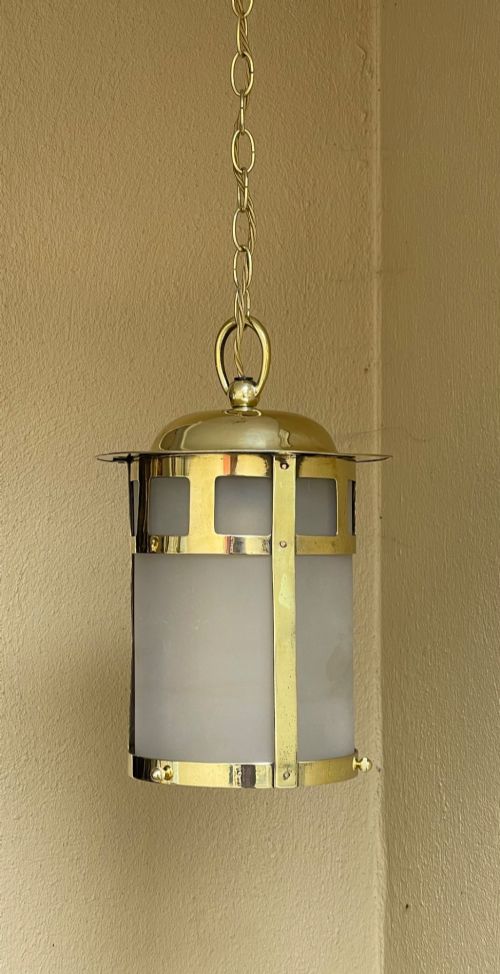
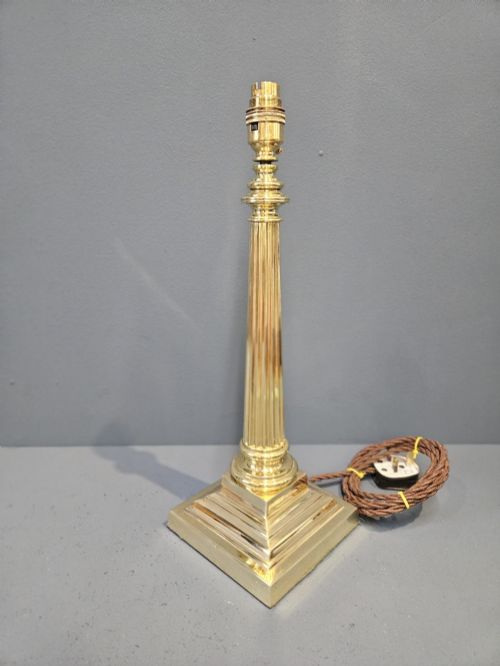
These Edwardian brass light fixtures bring period character to a room, combining substantial metalwork with functional illumination.
What an edwardian brass light fixture is
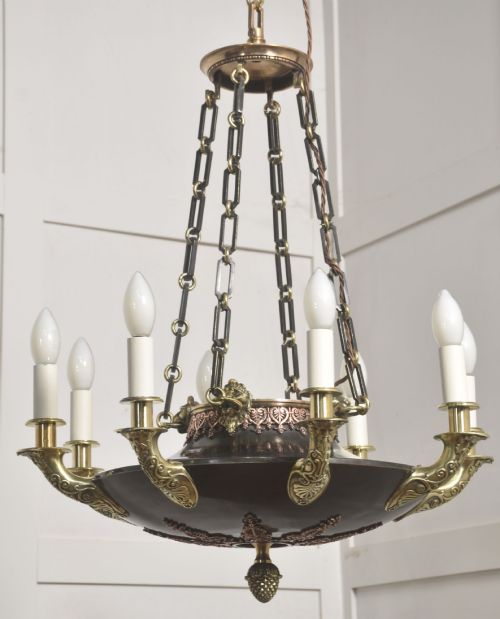
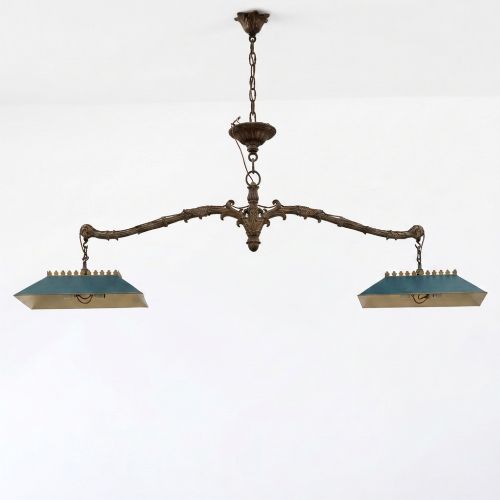
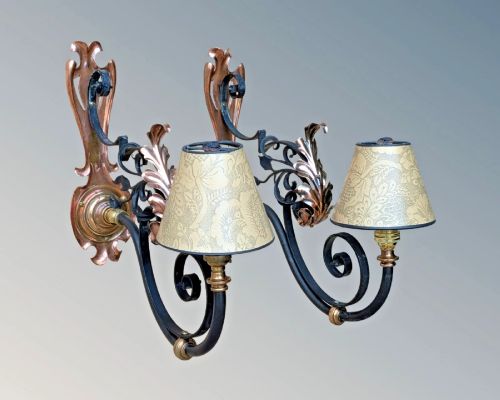
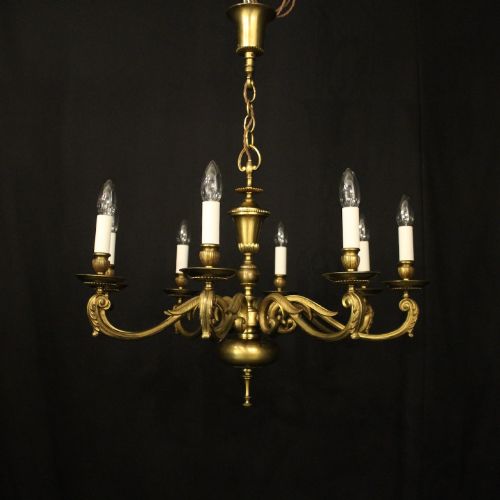
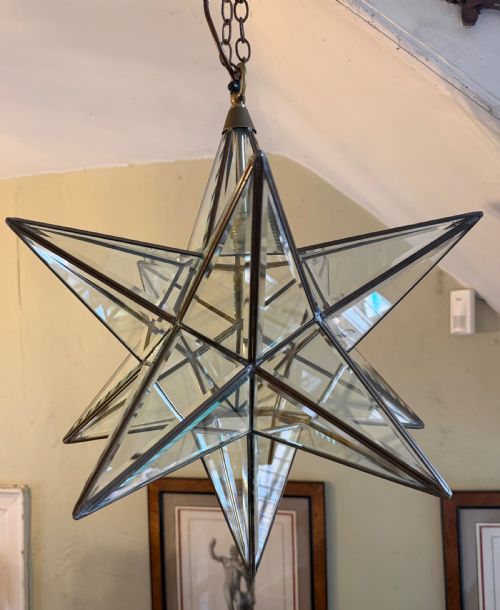
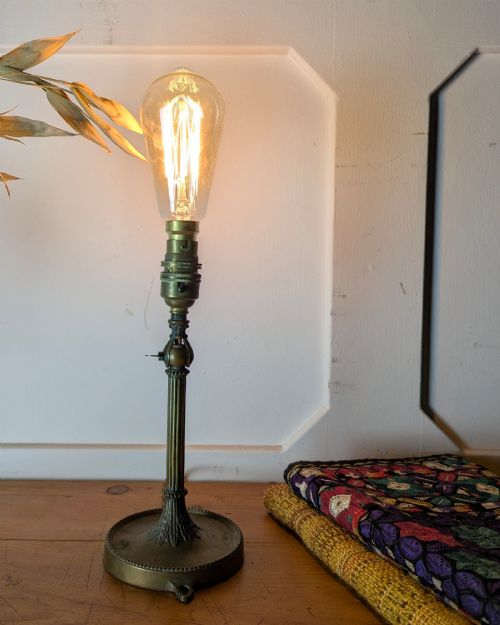
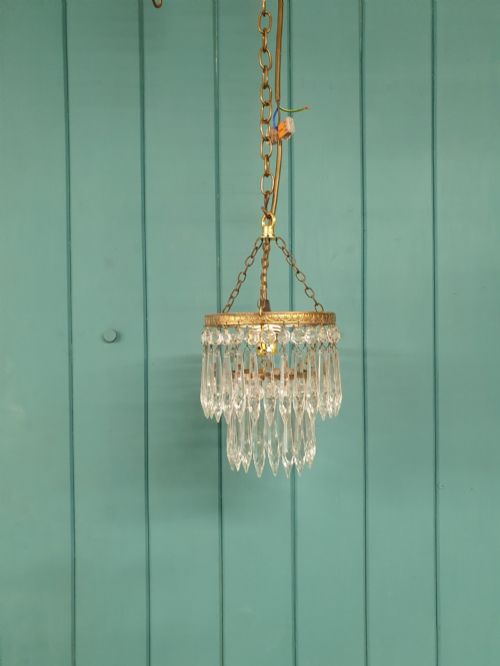
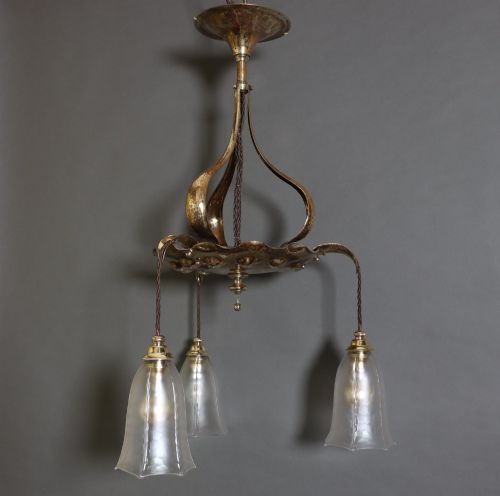
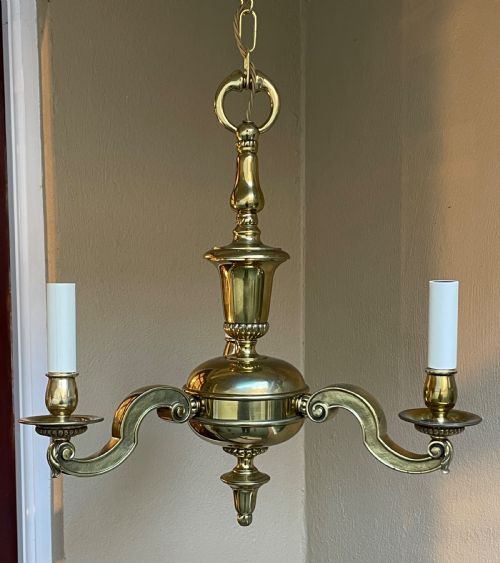
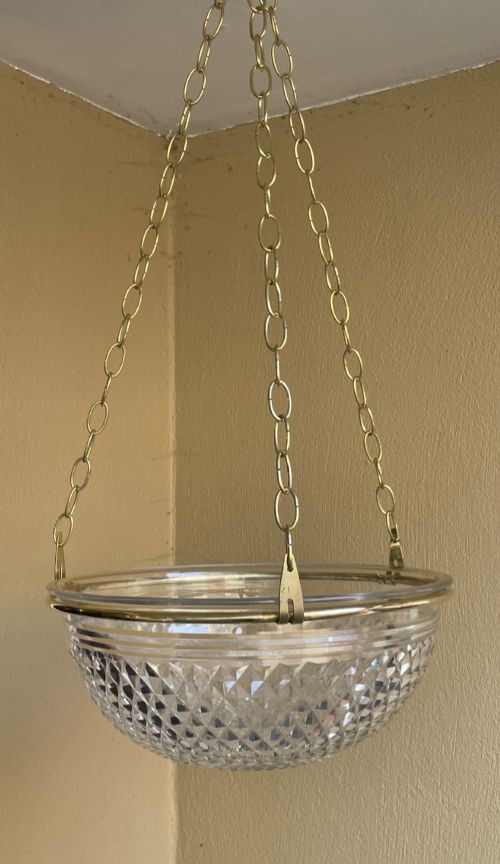
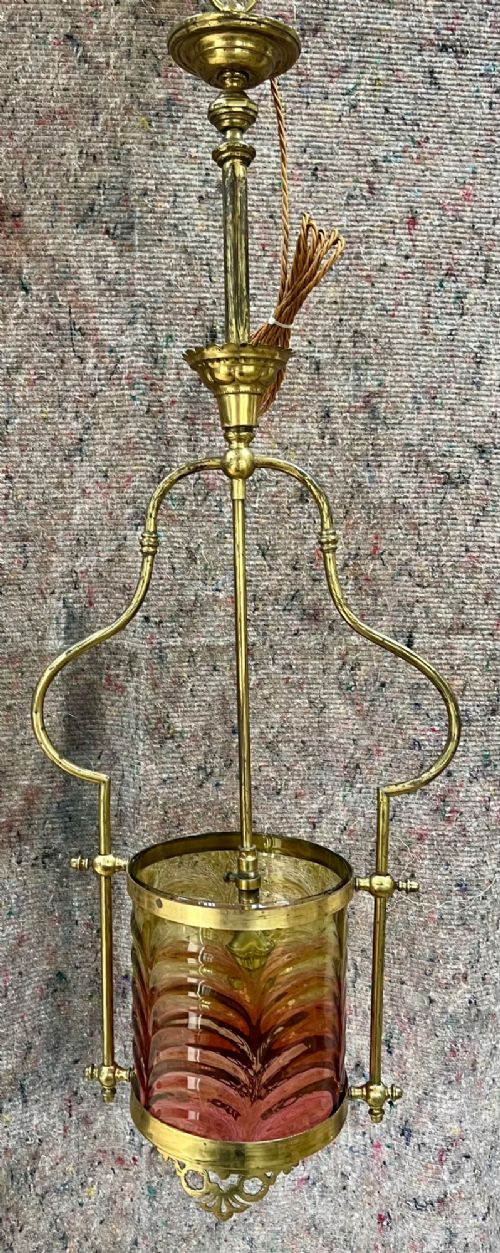
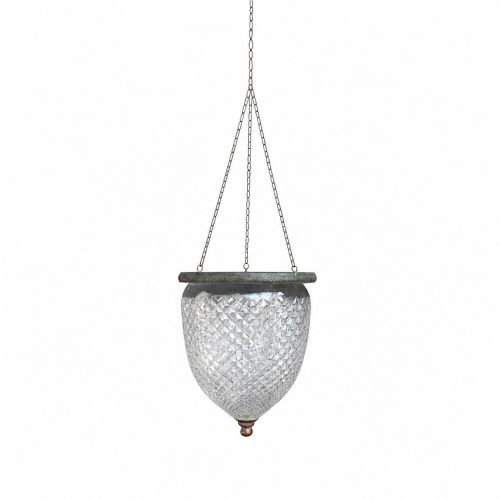
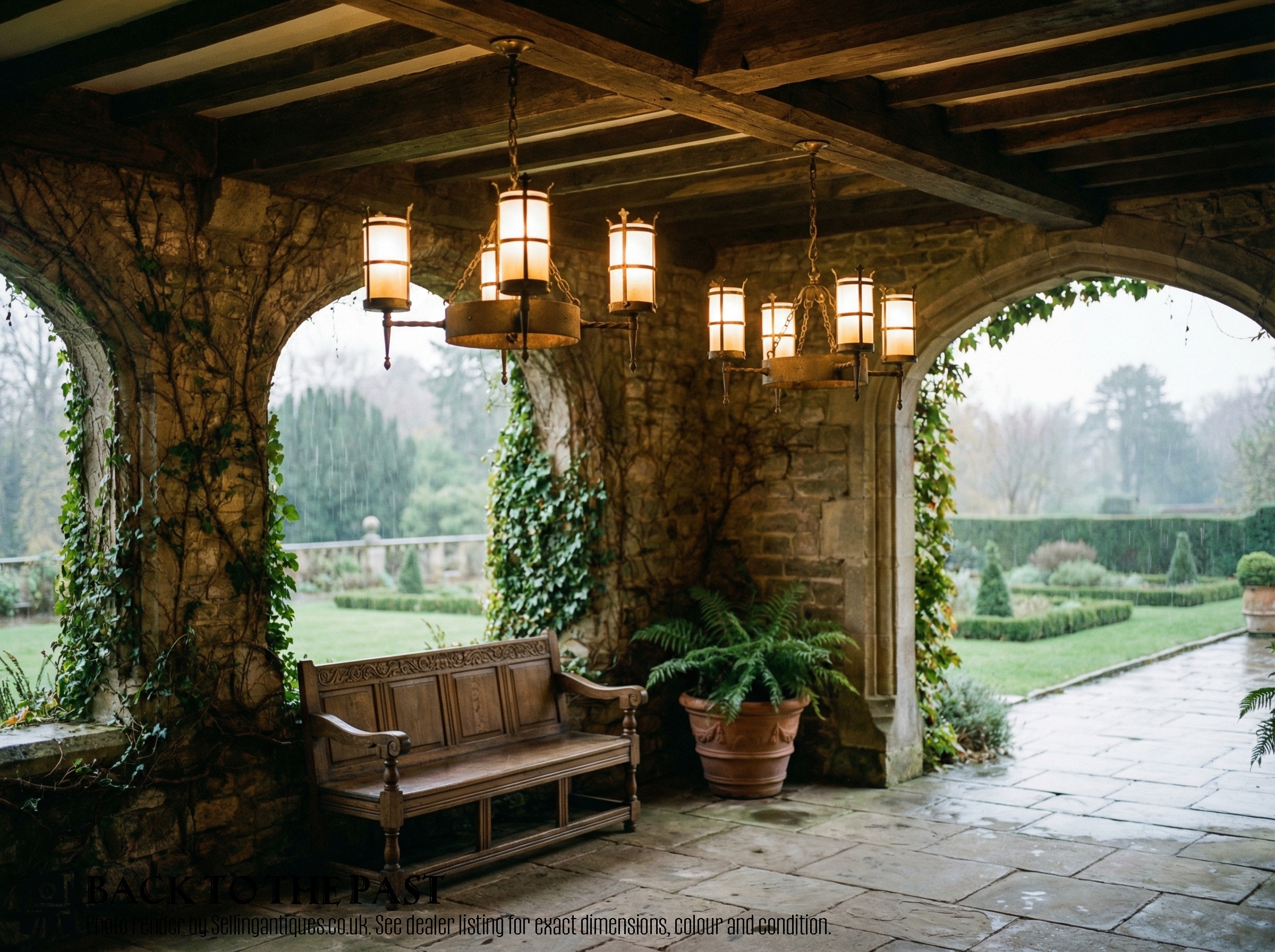
An edwardian brass light fixture encompasses chandeliers, ceiling lights, hanging lanterns, pendant lights, and wall lights dating from the early twentieth century. The selection includes multi-arm ceiling lights, pendant lanterns, and wall brackets designed for interior illumination in homes of the period.
Most pieces date from the Edwardian era itself, alongside related examples from nineteen-ten, nineteen-thirty, and the nineteenth century. These objects bridge the ornate tastes of the preceding decades and the simpler requirements of later years.
Makers and designers of the period employed diverse aesthetic vocabularies, ranging from restrained domestic utility to theatrical revivalism. Surviving examples reflect both mainstream domestic production and specialised stylistic movements of the time.
How they were made
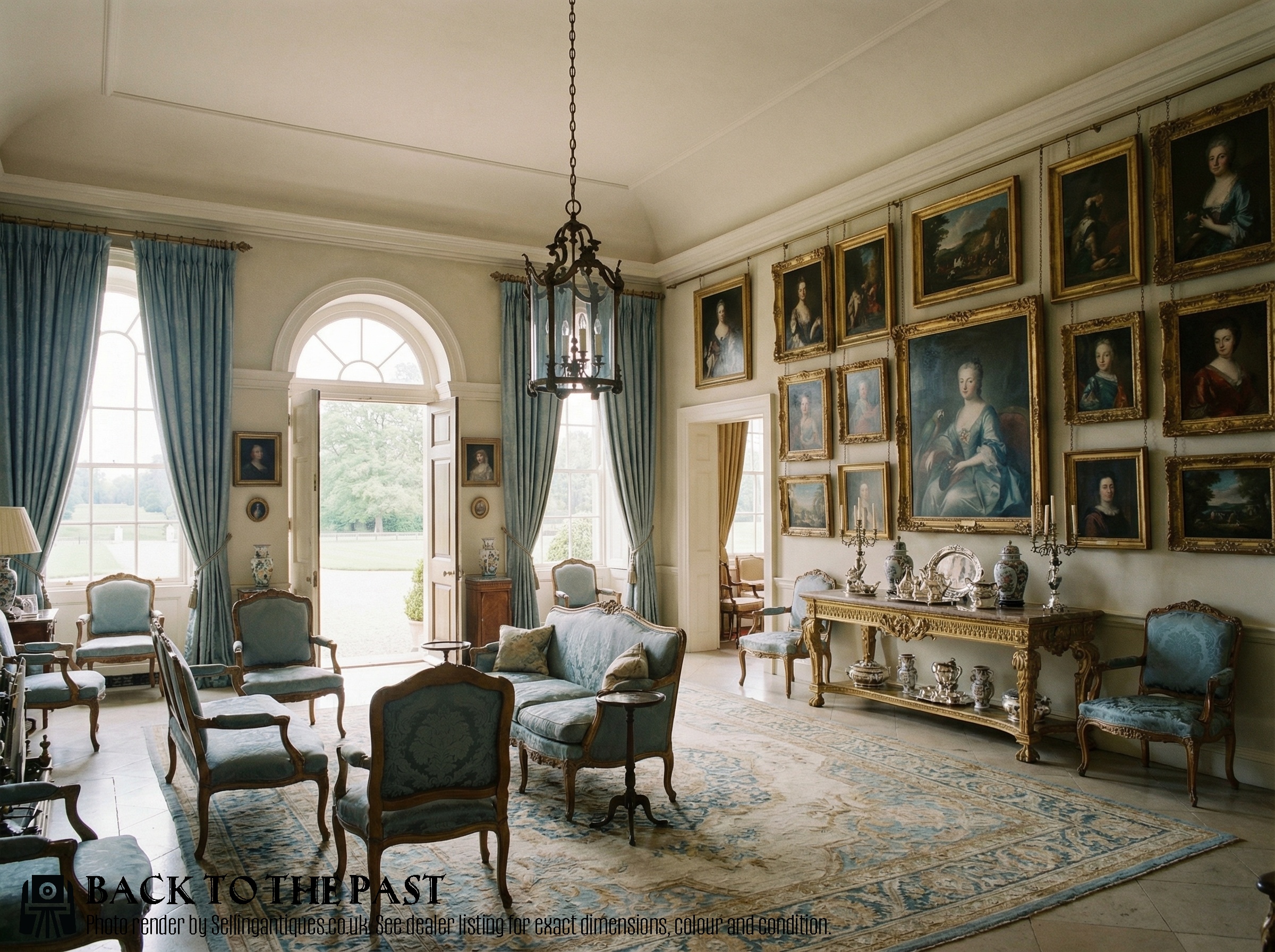
Construction relies heavily on brass, often enhanced with bronzed finishes, gilded bronze, or wrought iron elements. Metal components are combined with glass, including opal glass and cranberry glass, to diffuse or colour the light emitted.
Manufacturing methods involve casting, spinning, and hand assembly of metal parts, alongside the shaping of decorative glass globes and shades. Surface treatments such as gilding or bronzing were applied to achieve specific tonal qualities.
Retail Price Guide 2026
Typical UK retail prices for edwardian brass light fixture, calculated from the Sellingantiques database of over a million retail prices indexed since 2003. This retail price guide relies exclusively on Sellingantiques data; no external sources or auction records are used, so the figures do not describe the wider market.
Some Edwardian brass chandeliers feature mischievous little cherubs peering out from beneath the candle arms.
What varies in quality
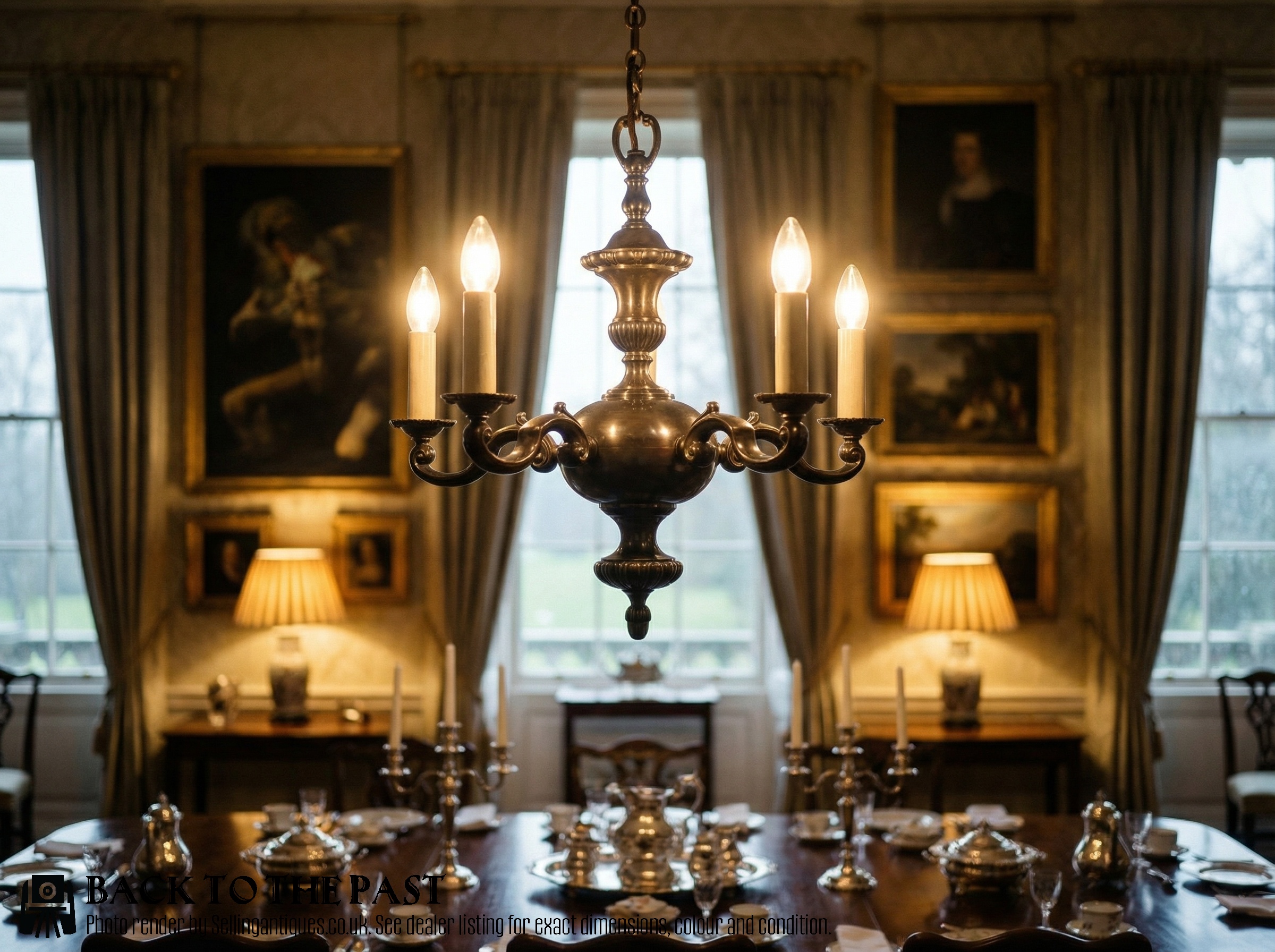
Quality reveals itself in the weight of the metal casting and the crispness of decorative details like cherubs or foliage. Superior examples display careful finishing at the joints and substantial gauge brass rather than thin pressed sheet metal.
The integration of glass components, whether opalescent globes or rich cranberry shades, distinguishes finer fixtures from standard production. Coherence of design, such as the unified expression found in Arts and Crafts or Gothic revival pieces, dictates the standing of a fixture.
G.E.C
The Edwardian Brass Light Fixture Glossary
- Edwardian
- Pertaining to the reign of King Edward VII, spanning nineteen-one to nineteen-ten, characterised by lighter domestic interiors and eclectic design revivals.
- Bronzed brass
- Brass treated with a chemical finish to simulate the darker, warmer tone of aged bronze.
- Opal glass
- A translucent, milky-white glass used to soften light output and reduce glare in domestic light fixtures.
- Gilded bronze
- Bronze or brass that has been coated with a thin layer of gold leaf or gold wash.
- Cranberry glass
- A rich red-pink glass created by adding gold chloride to the molten batch during manufacture.
Frequently Asked Questions
How do I hang a heavy brass chandelier?
Ceiling fixtures require secure anchoring into ceiling joists using appropriate hooks or brackets to support the substantial weight of brass and glass.
Professional installation by an electrician ensures the antique wiring meets current safety standards while securely bearing the load.
Can I use modern LED bulbs in these?
Modern low-wattage LED bulbs fit standard sockets while producing minimal heat, which protects fragile historical glass components from thermal stress.
Choosing warm white LED bulbs preserves the original amber or golden glow intended by the Edwardian makers.
How should I clean antique brass?
Gentle dusting with a soft, dry cloth removes surface particles without disturbing the accumulated patina that develops over a century.
Avoid harsh chemical polishes that strip away historical surface finishes and reduce the visual depth of the metal.
What rooms suit wall lights best?
Wall lights provide secondary illumination in hallways, antechambers, and beside fireplaces where overhead lighting proves too harsh.
Matching a wall light's decorative style, such as Rococo revival, to architectural mouldings creates a cohesive interior scheme.