


Antique Ceiling Light Fixture
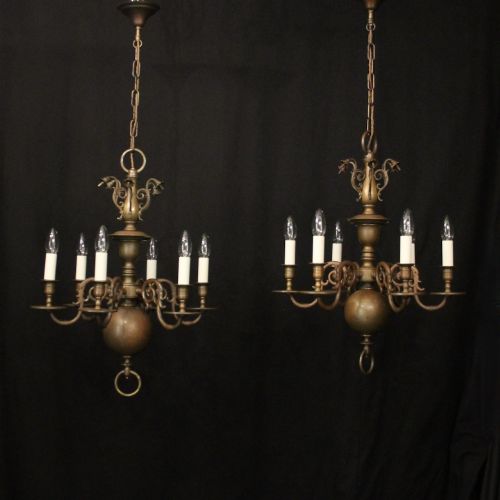
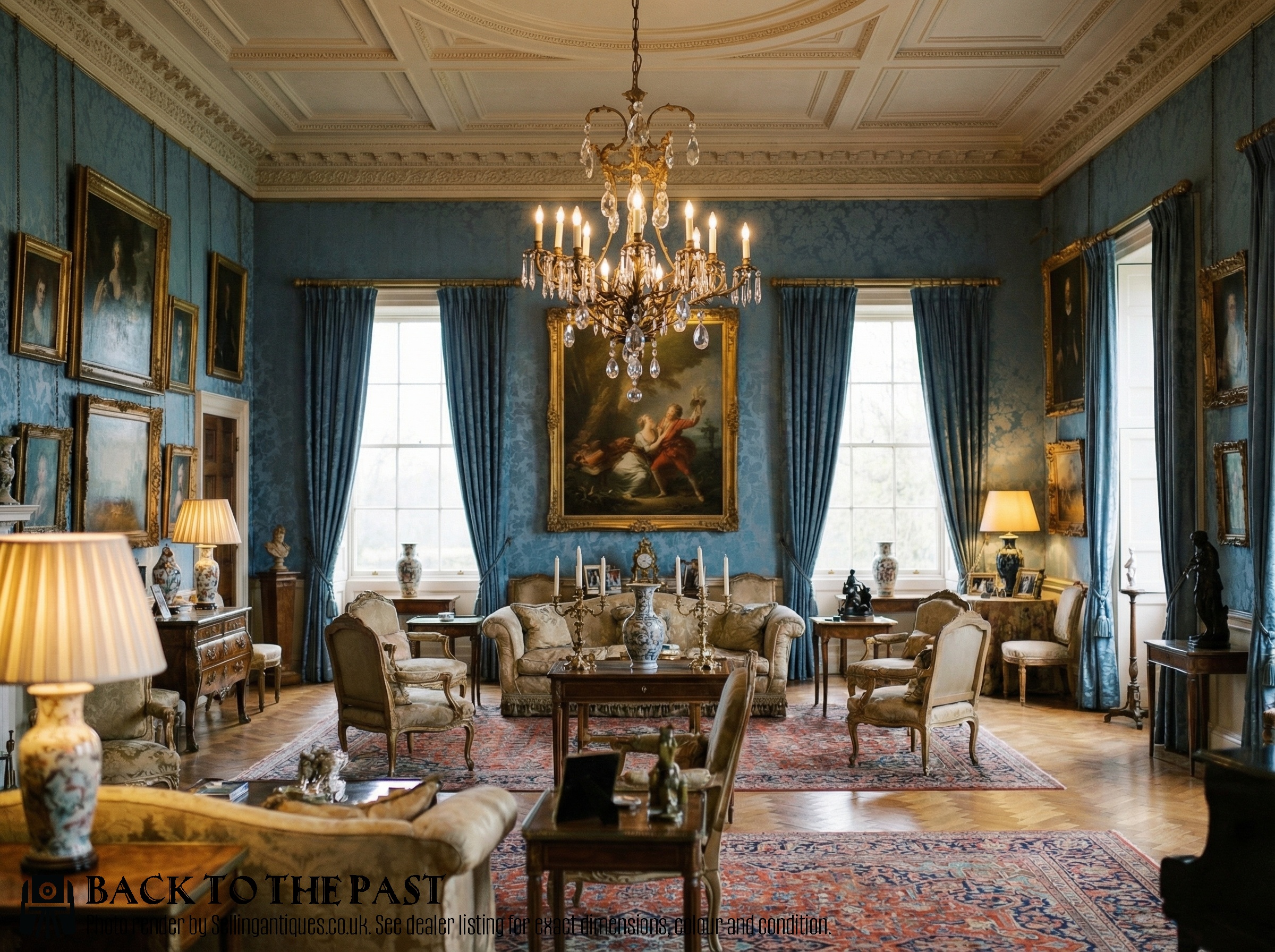
An antique ceiling light fixture brings weight and historic character to a room, offering genuine period presence through brass, bronze, crystal and ruby glass.
What these pieces are
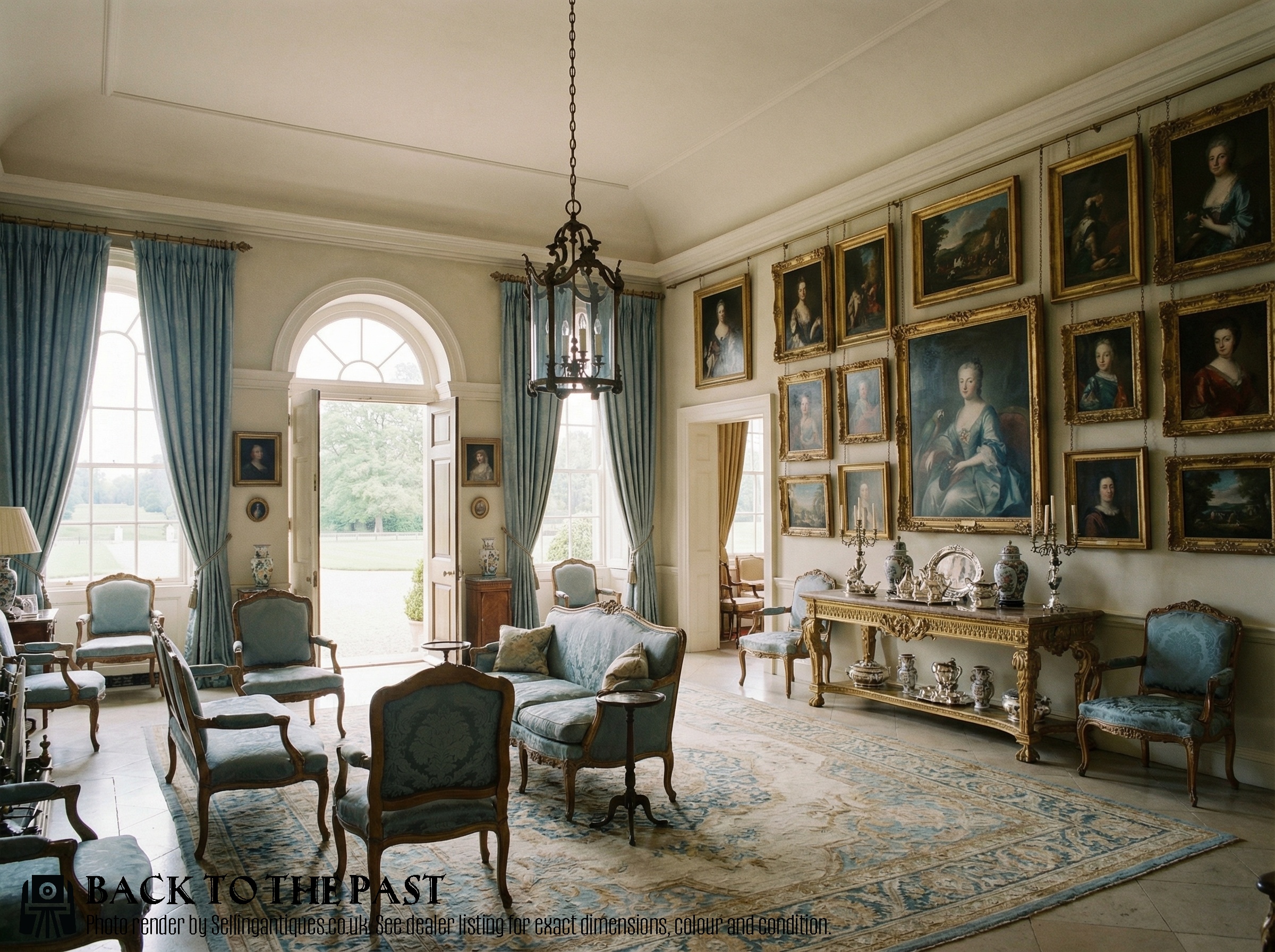
An antique ceiling light fixture covers hanging lanterns, pendant shades and multi-light chandeliers originating from the nineteenth century and nineteen-twenty. These pieces provide overhead illumination while serving as major decorative focal points in domestic interiors.
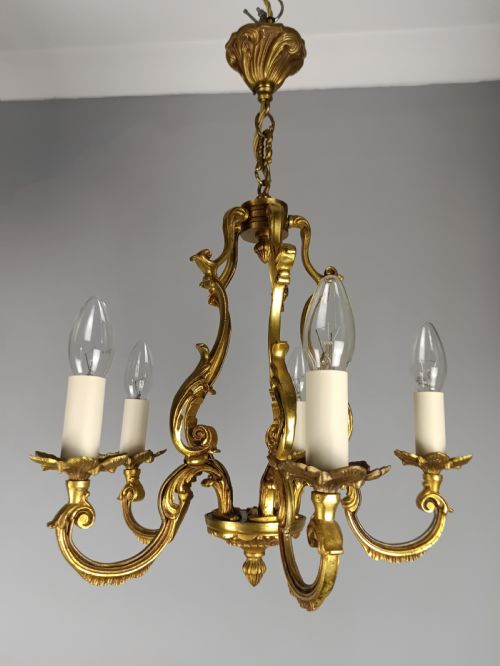
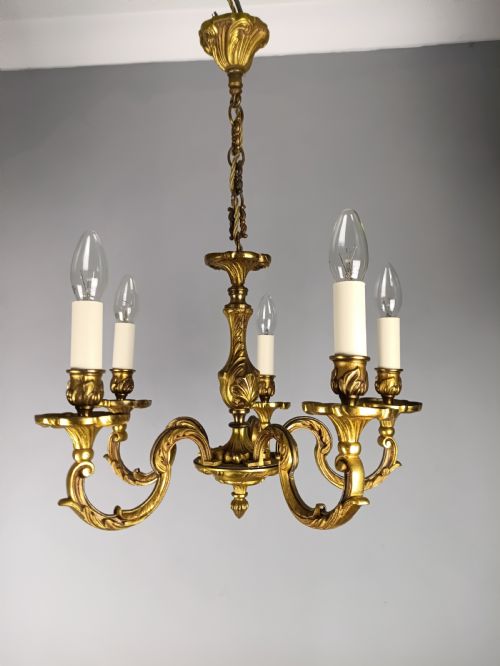
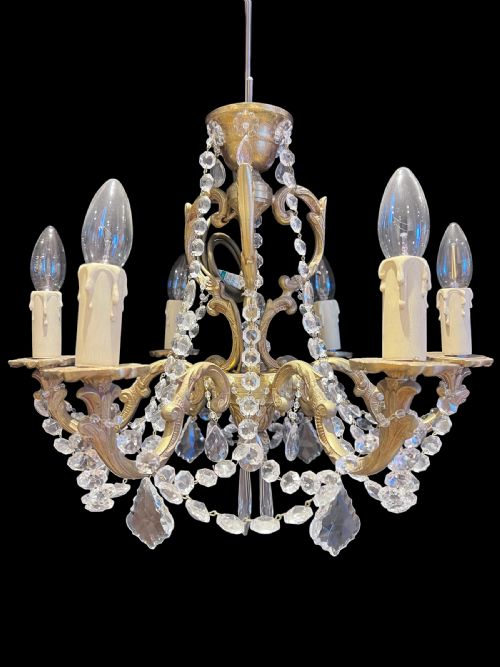
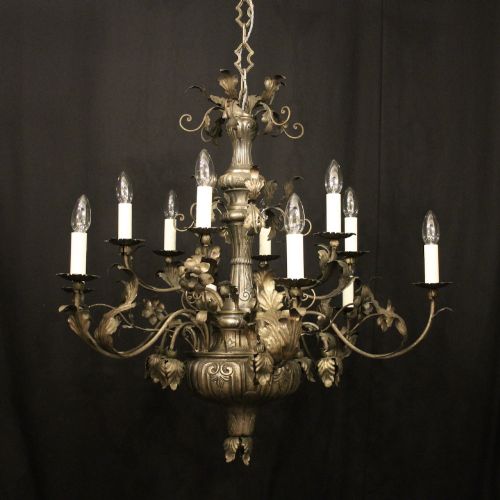
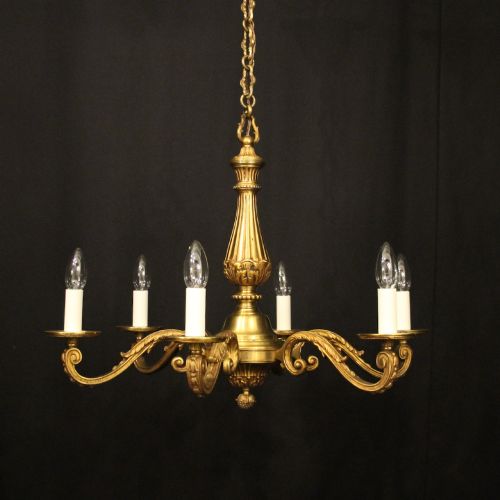
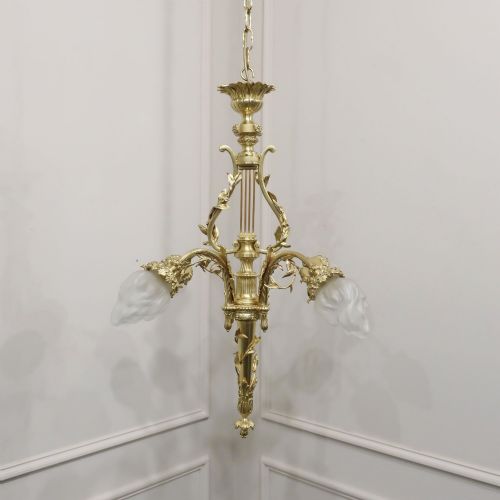
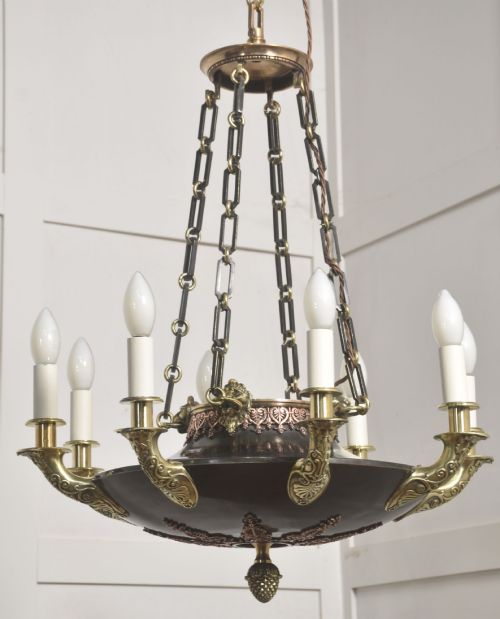
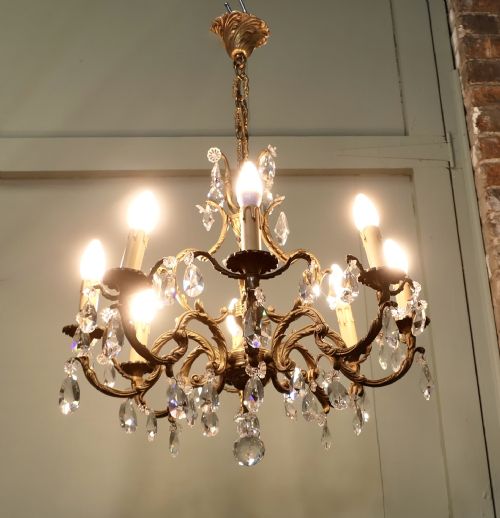
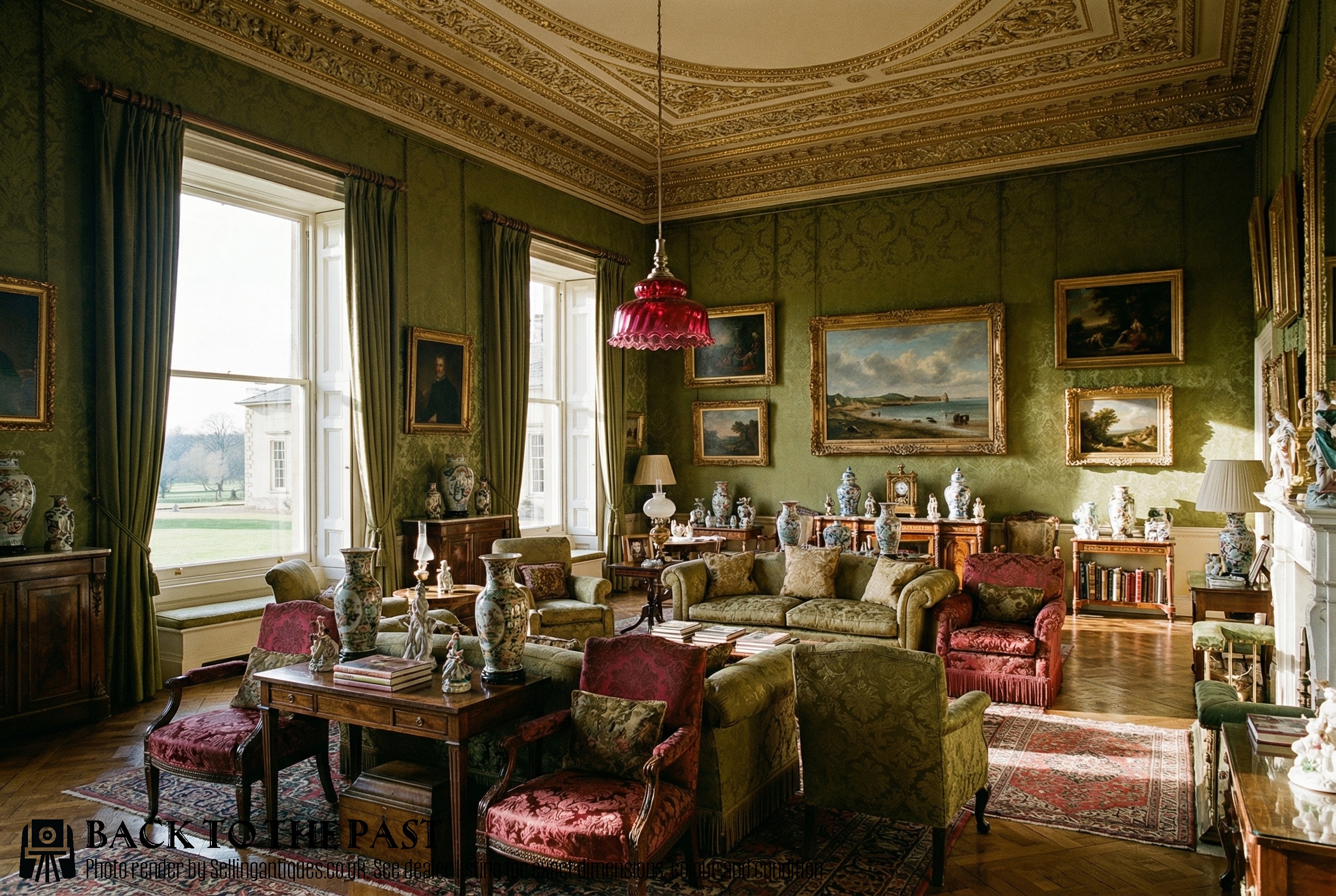
The selections available here range from single ruby glass pendant lampshades to twelve-light chandeliers in gilt bronze and crystal. French chateau, rococo revival, regency, and florentine baroque styles dominate the forms currently found.
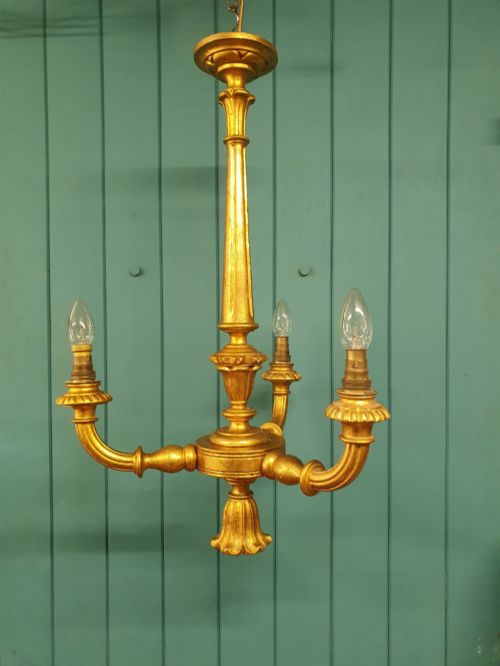
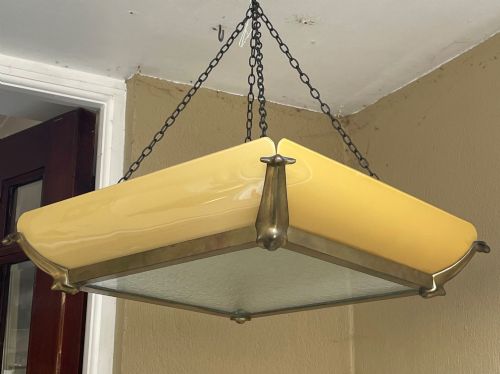
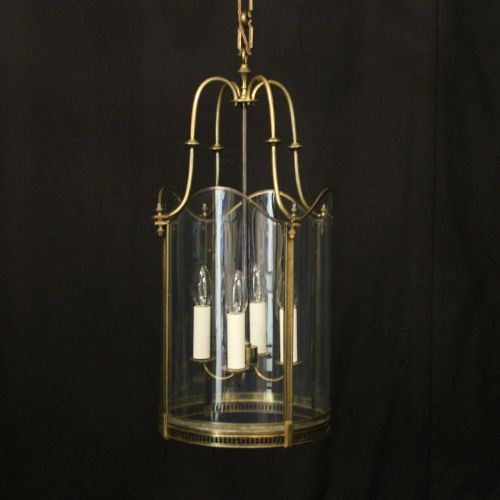
Buyers seeking an antique ceiling light fixture will most frequently encounter elaborately worked metal frames paired with glass elements. English and continental workshops produced these architectural lighting pieces for high-ceilinged reception rooms and halls.
How they were made
Maker workshops utilised cast metals including gilt brass and gilded bronze to build the foundational skeletons for these fixtures. These metal components often received ornate chased ornamentation reflecting rococo and baroque design traditions.
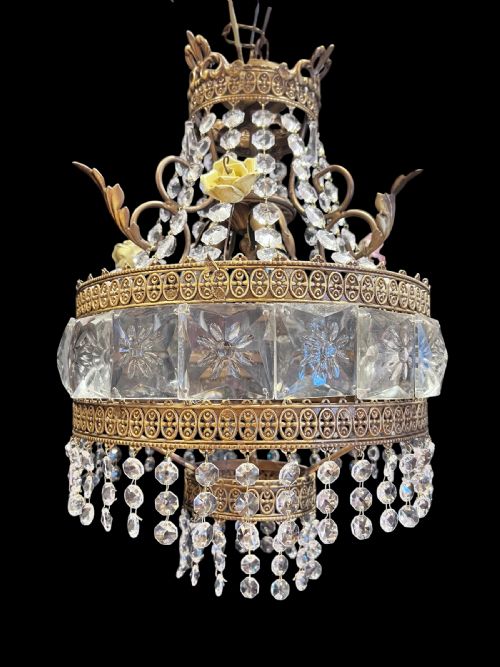
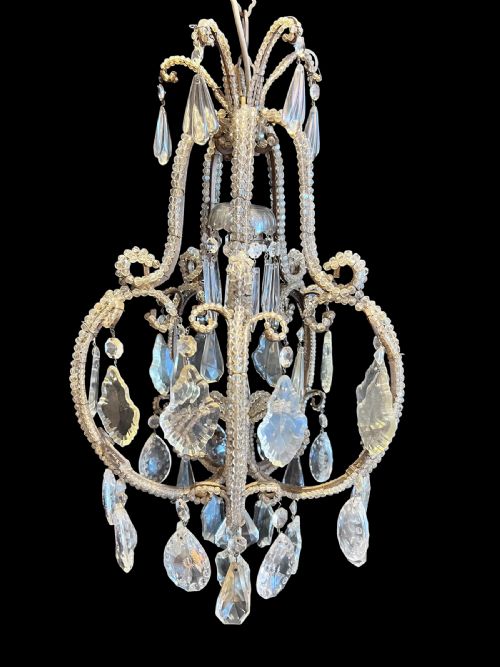
Illumination elements combined heavy pressed cut glass, crystal drops, and coloured components like ruby glass and jasperware inserts. Artisans wired these frames to accommodate multiple bulbs while retaining their historic aesthetic integrity.
Retail Price Guide 2026
Typical UK retail prices for ceiling light fixture, calculated from the Sellingantiques database of over a million retail prices indexed since 2003. This retail price guide relies exclusively on Sellingantiques data; no external sources or auction records are used, so the figures do not describe the wider market.
Current listings feature pieces spanning the nineteenth century up to nineteen-twenty, utilising metals like gilt brass and gilded bronze.
What varies in quality
The standard of an antique ceiling light fixture rests primarily on the depth and crispness of the metal casting and chasing. Superior examples display sharply defined scrollwork and foliage rather than soft, mass-produced surface details.
Quality also shows in the weight and clarity of the crystal or glass components, where heavy cut glass and flawless ruby glass elevate the piece. The structural integrity of the main frame determines how securely the fixture hangs and distributes its weight.
Wedgwood
The Antique Ceiling Light Fixture Glossary
- Gilt brass
- Metal alloy treated with a gold-coloured finish to provide a bright, reflective surface. This material appears frequently in French chandelier frames.
- Ruby glass
- Deep red glass created by adding gold chloride to the molten batch. It is utilised in pendant shades to cast a warm, coloured glow.
- Gilded bronze
- Bronze metal coated with a thin layer of gold or gold leaf. It offers superior durability and allows for intricate sculptural casting in chandeliers and lanterns.
- Jasperware
- Fine-grained stoneware developed by Josiah Wedgwood, featuring contrasting raised white reliefs against a coloured matte background. It appears on specific ceramic-accented chandeliers.
- Cut glass
- Glass decorated by grinding facets or patterns into the surface using a rotating wheel. This technique enhances the sparkle of light passing through pendants and shades.
Frequently Asked Questions
What styles are common?
Victorian, rococo revival, and french chateau styles appear frequently across these nineteenth-century and nineteen-twenty lighting fixtures. These designs rely on ornate metalwork and decorative glass.
Buyers will also find florentine baroque and regency influences in the multi-light chandeliers and hanging lanterns.
How were they used?
These fixtures provided principal illumination for large reception rooms, hallways, and dining spaces in period homes. They hung centrally from high ceilings to cast light downward.
Single pendant shades offered focused illumination over specific areas, while twelve-light chandeliers filled grand architectural spaces.
Are they wired for modern use?
Most antique lighting fixtures require professional rewiring to meet current electrical standards and safety codes. Dealers typically adapt older internal wiring during restoration.
Buyers should consult a qualified electrician to ensure proper installation and compatibility with modern domestic power systems.
What materials do they use?
Construction relies heavily on metals such as gilt brass, gilded bronze, and brass frames. These provide structural support for heavy glass elements.
Decorative components incorporate cut glass, crystal, ruby glass, and jasperware inserts to enhance the visual appeal.
How to date these fixtures?
Dating relies on stylistic clues, manufacturing techniques, and the specific types of glass and metal finishes present. Nineteenth-century pieces often feature hand-chased bronze and heavy cut crystal.
Nineteen-twenty examples may reflect transitional design periods while maintaining traditional casting methods.