


Arts and Crafts Chandelier
An arts and crafts chandelier brings honest metalwork and warm illumination into a room, offering both practical light and striking period character.
What an arts and crafts chandelier is
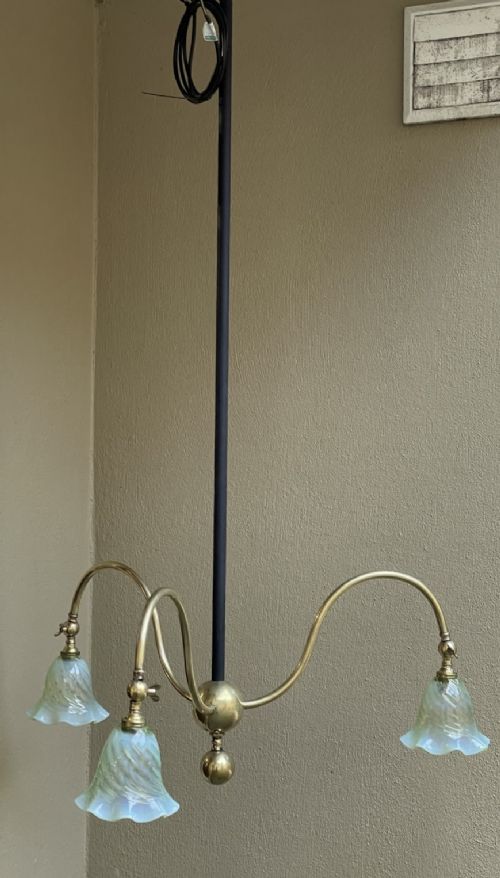
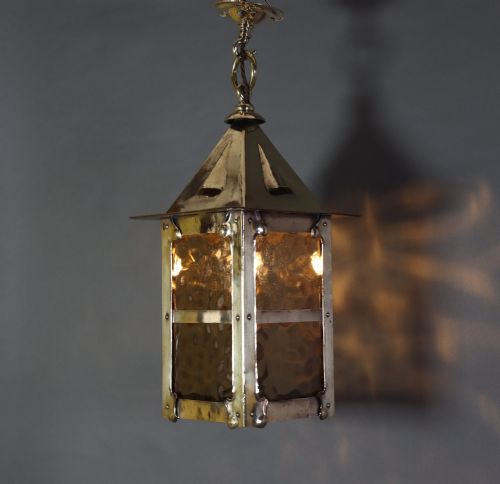
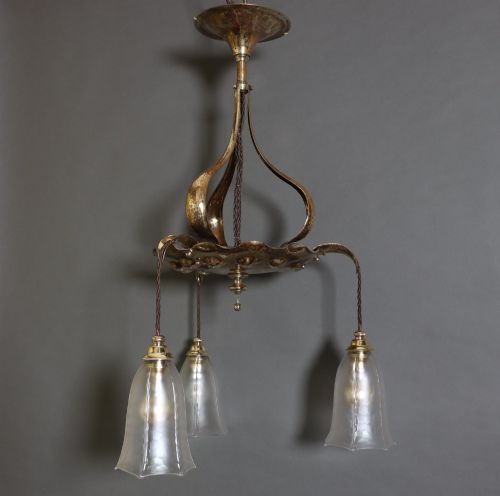
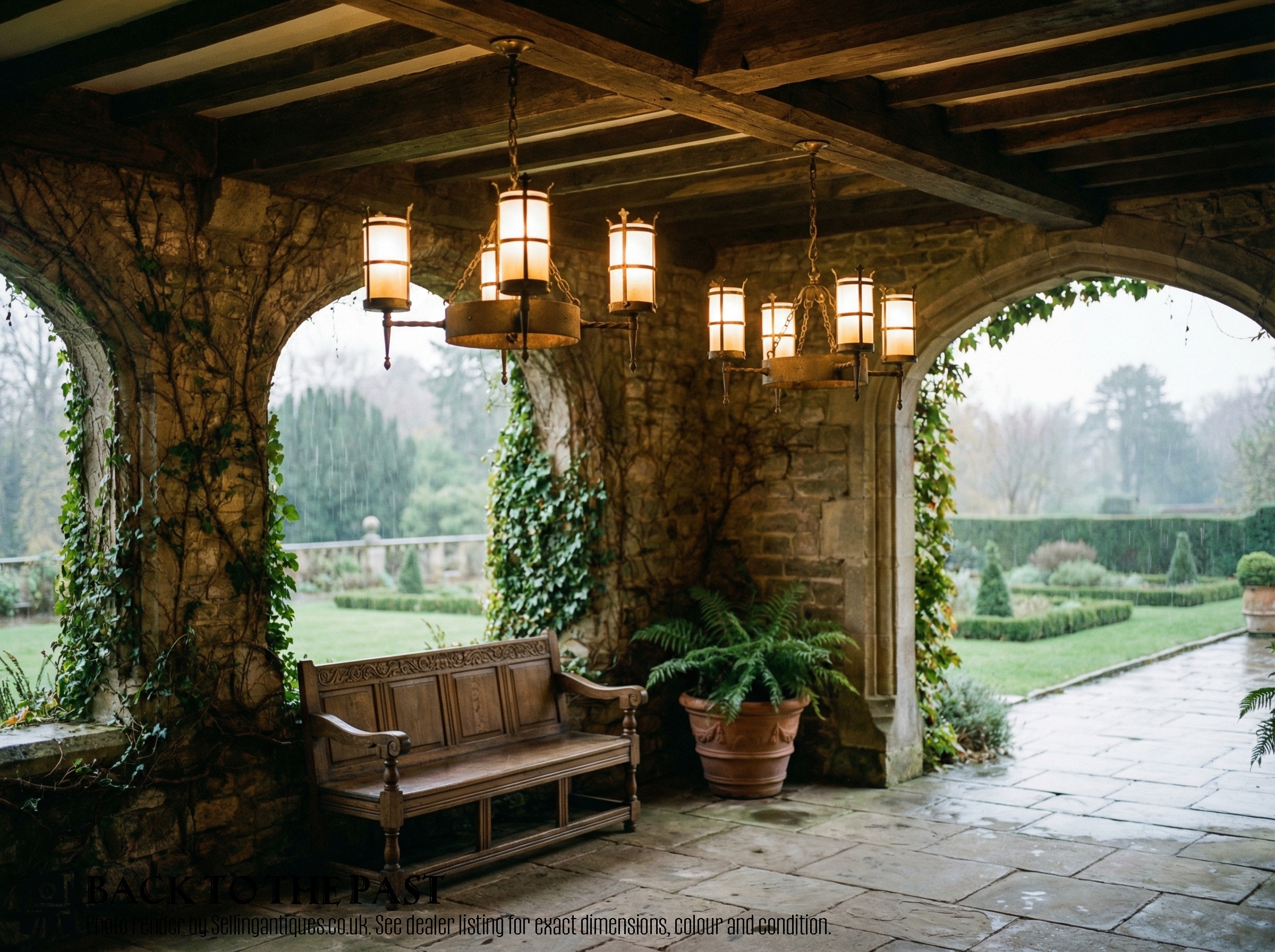
An arts and crafts chandelier represents a distinct tradition of domestic lighting, focusing on robust construction and utilitarian beauty rather than excessive ornamentation. These fixtures appear as multi-branched ceiling lights, hanging lanterns, and bowl designs that suit period interiors.
The materials and forms reflect early twentieth century tastes, spanning from nineteen ten to nineteen thirty, alongside earlier Victorian examples. Buyers frequently encounter solid brass and copper three and four arm configurations, often paired with glass shades.
Surviving examples range from straightforward brass frames to pieces enriched with cabochons or specialised glass elements. They serve as functional centrepieces that anchor a room's decorative scheme.
How they were made
Makers utilised solid brass, copper, and wrought iron as the structural foundation for these hanging fixtures, hammering and joining metal by hand to display honest construction marks. Oak timber also appears in certain regional interpretations.
Lighting components incorporated various forms of glass, including frosted, cranberry, and vaseline glass, alongside crystal and cut glass bowls. These materials diffused light softly across the room.
Retail Price Guide 2026
Typical UK retail prices for arts and crafts chandelier, calculated from the Sellingantiques database of over a million retail prices indexed since 2003. This retail price guide relies exclusively on Sellingantiques data; no external sources or auction records are used, so the figures do not describe the wider market.
Listings feature items dated across nineteen ten, nineteen twenty, and nineteen thirty, alongside Victorian period examples.
What varies in quality
The distinction between standard production and superior work lies in the handling of the metal and the individuality of the design. Heavier gauge brass and copper, combined with registered designs or decorative cabochons like Ruskin ceramics, mark out the most accomplished pieces.
Attention to detail in the glasswork also defines the tier of a piece, with specialised vaseline or cranberry glass bowls elevating a standard ceiling light into a notable decorative object.
The Arts and Crafts Chandelier Glossary
- Cabochon
- A polished, convex gemstone or ceramic piece without facets, frequently set into metalwork as a decorative accent.
- Vaseline glass
- A type of glass containing uranium dioxide that glows under ultraviolet light, known for its distinctive greenish-yellow colour.
- Wrought iron
- Iron that is heated and worked with tools, valued for its tactile texture and strength in structural metalwork.
- Jugendstil
- The continental European variant of the Art Nouveau movement, sharing stylistic affinities with British design reforms.
Frequently Asked Questions
How do I install an antique chandelier safely?
Professional installation is recommended for all vintage wiring. An electrician can assess the internal components to ensure they meet current standards.
Weight distribution also requires careful consideration, as solid brass and iron fixtures demand secure ceiling fixings.
What rooms suit these ceiling lights?
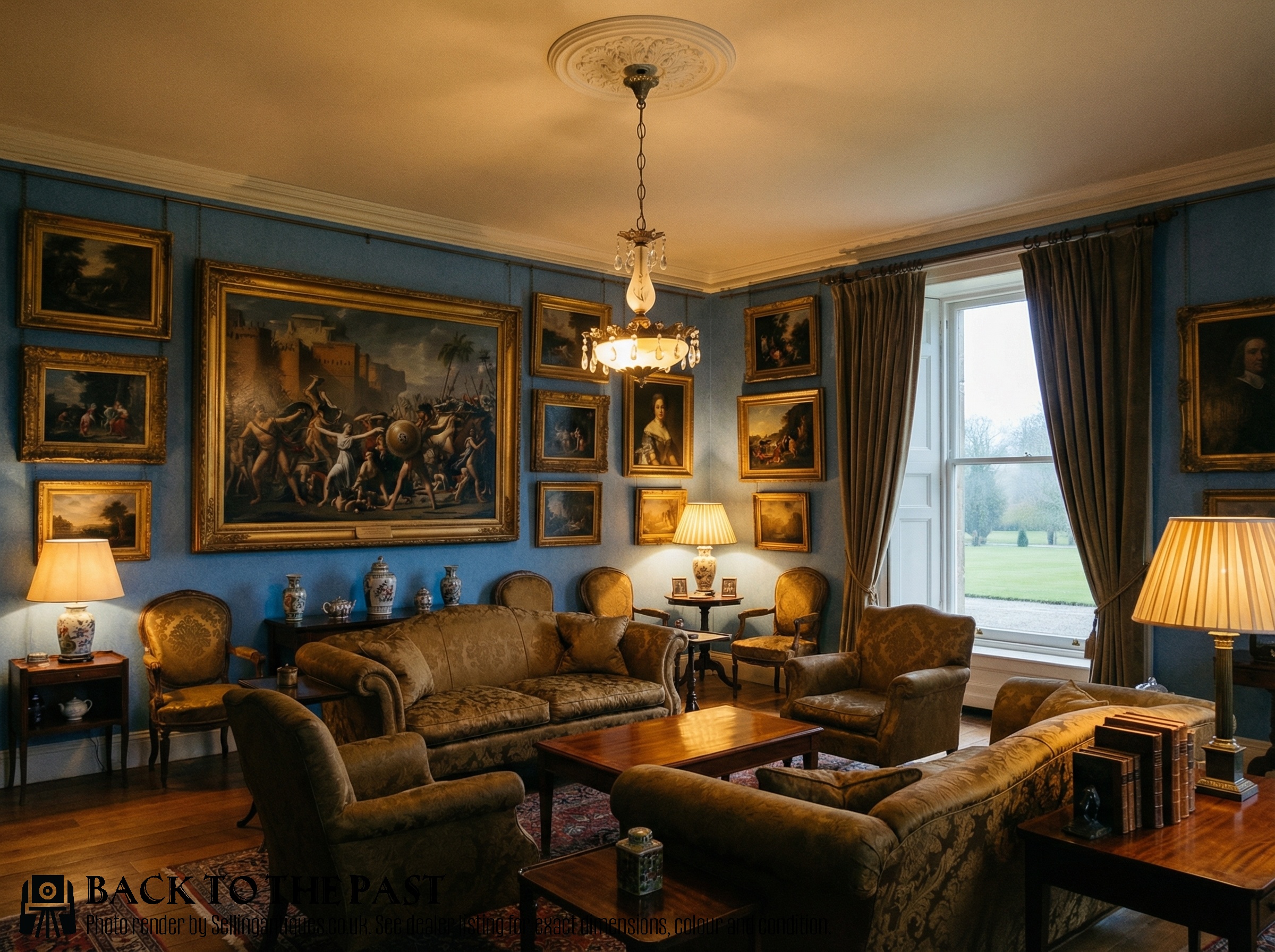
These fixtures work well in dining rooms, hallways, and living spaces with sufficient ceiling height. Their warm metal tones complement traditional and eclectic interiors alike.
Smaller three arm versions fit modest spaces, while large bowl chandeliers suit principal rooms.
How do I date an arts and crafts light?
Dating relies on material combinations, design registration marks, and manufacturing techniques. Pieces span from the late nineteenth century through to nineteen thirty.
Comparing branch configurations and glass types helps place a fixture within its proper decade.
How do I clean brass and copper?
Gentle dusting with a soft cloth preserves the historic patina of the metal. Avoid harsh chemical cleaners that strip away age.
Glass shades can be washed separately in warm soapy water and dried thoroughly before reattachment.