


Three Light Brass Chandelier
A three light brass chandelier brings compact radiance to a room, offering warm metalwork and multi-directional illumination suited to period and traditional interiors.
Three Light Brass Chandelier
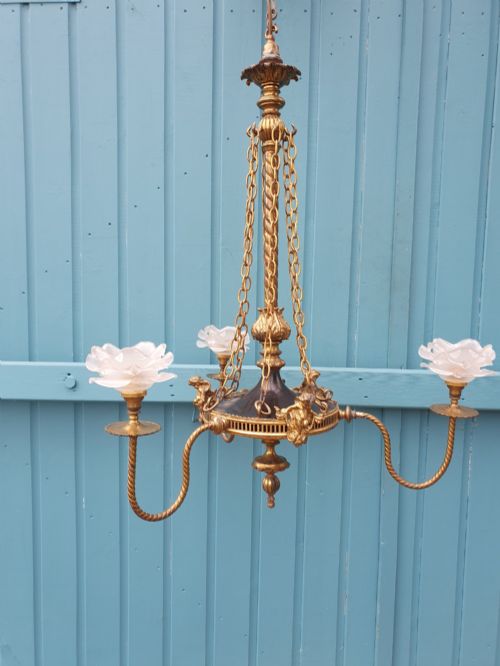
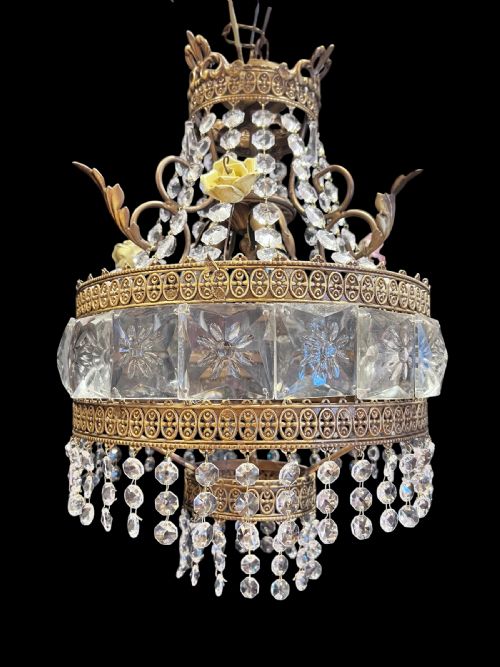
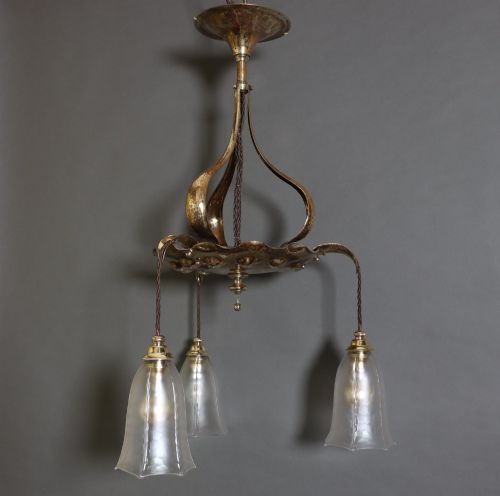
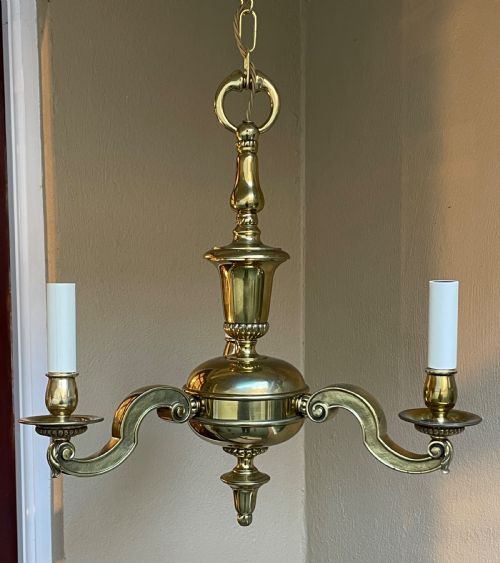
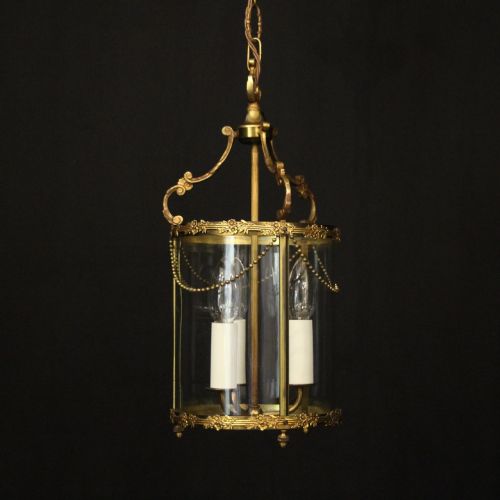
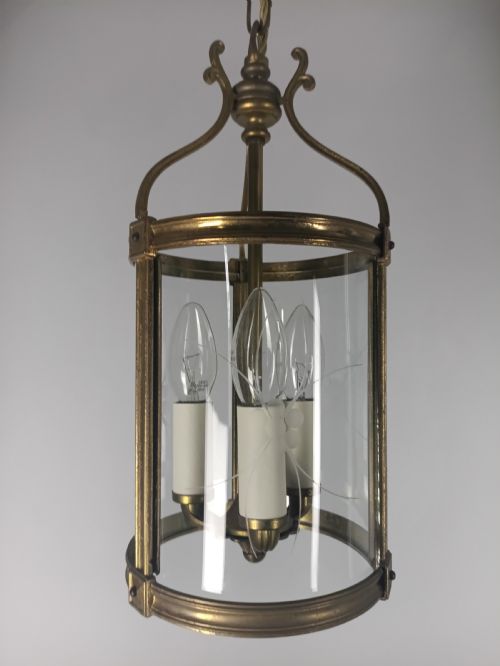
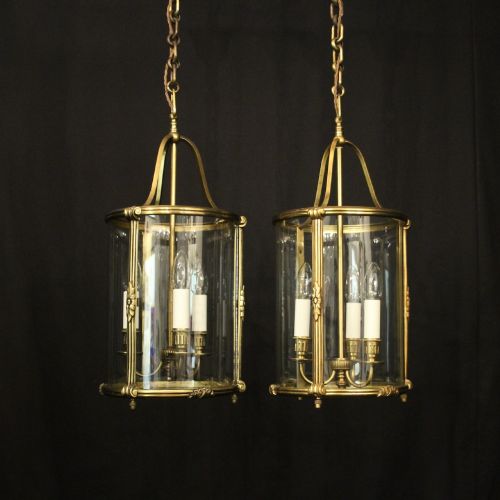
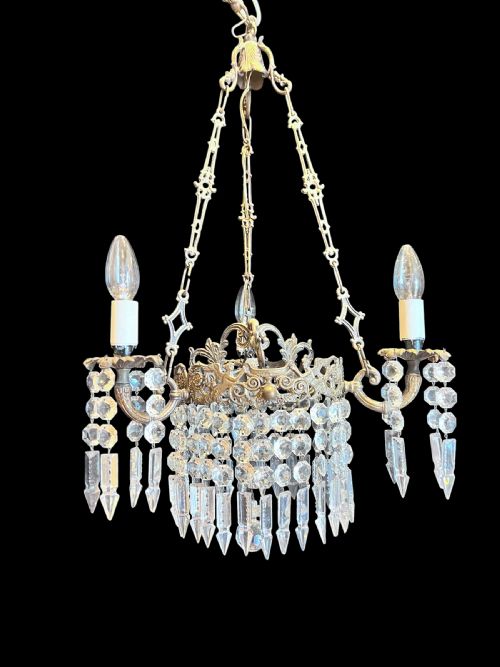
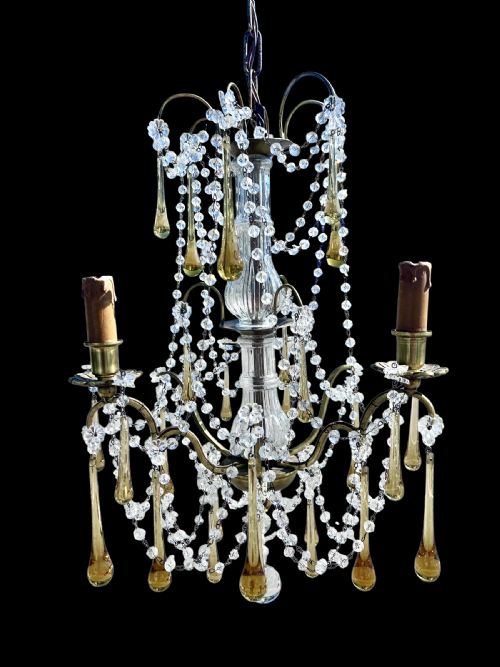
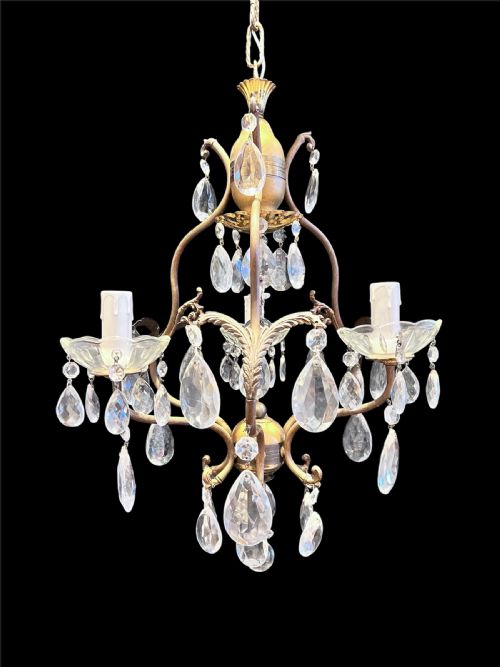
A three light brass chandelier provides a balanced, tripartite arrangement of arms or light sources set within a brass frame, originating from periods spanning the nineteenth century through the nineteen-thirties. You will frequently encounter French styles, including gilded brass lanterns, rococo fixtures, and crystal-ornamented chandeliers dating around nineteen-twenty.
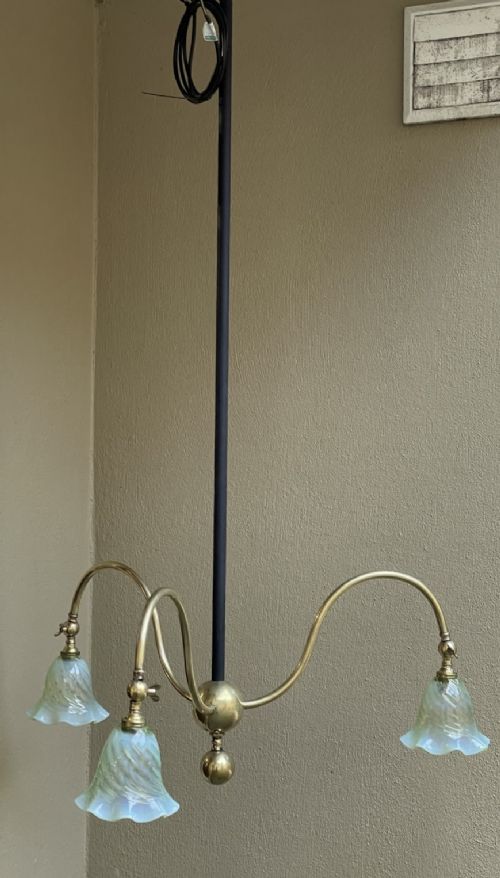
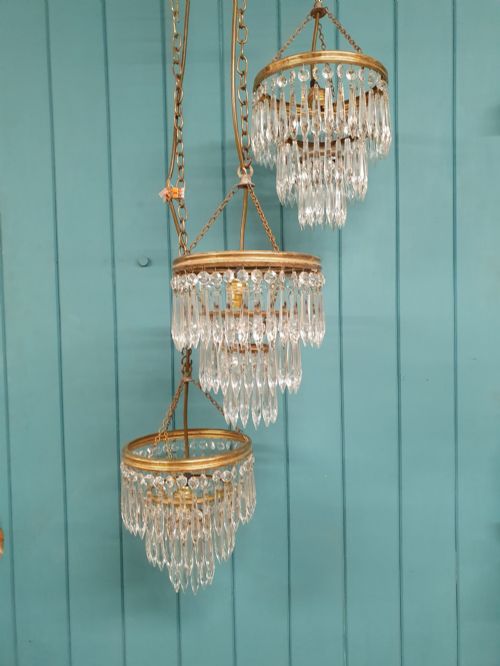
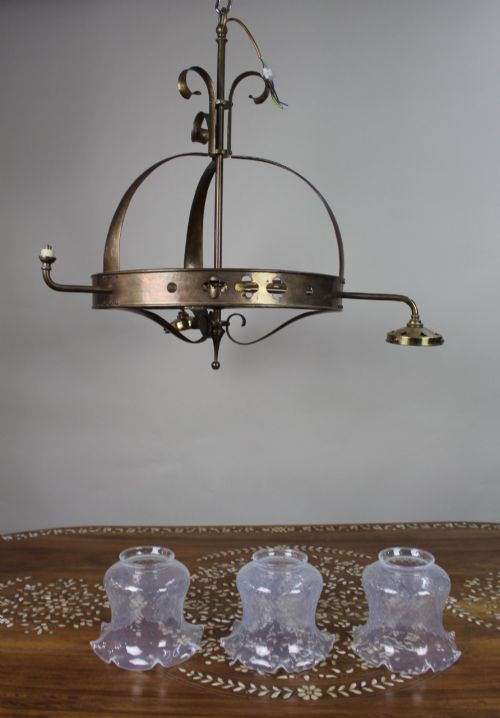
Beyond French designs, the selection includes British Arts and Crafts ceiling lights from nineteen-ten, Gothic Revival gasoliers with opalescent glass, and early twentieth-century spike chandeliers. These pieces take the form of compact hanging lanterns, multi-tiered crystal drops, or simple branch fixtures designed for lower ceilings and smaller spaces.
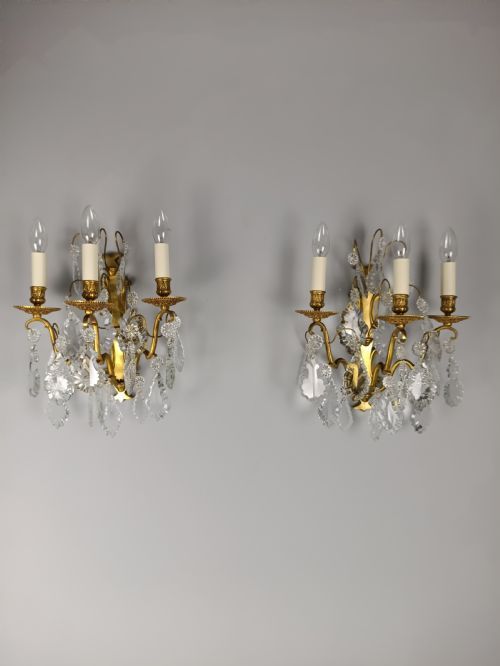
The materials paired with the brass framework define the visual character of the object, incorporating clear and coloured crystals, etched glass, frosted shades, and porcelain flowers. While chandeliers dominate the offerings, related formats such as hall lanterns and wall lights appear alongside the core ceiling fixtures.
Assessing quality in period lighting
Quality rests in the crispness of the brass casting and the depth of the original gilding or bronze patination, where finer examples display sharp relief work rather than soft, mass-produced edges. The weight of the metal frame and the solidity of the joints distinguish superior construction.
The integration of glass and crystal components dictates the overall refinement of the piece, with hand-etched panels and hand-cut crystal prisms representing higher workmanship than moulded glass equivalents. Original matching components, from ceiling roses to specific glass shades, preserve the integrity of the design.
Listings feature brass chandeliers spanning the nineteenth century through the nineteen-thirties, including Edwardian, Arts and Crafts, and Art Deco styles.
The Three Light Brass Chandelier Glossary
- Gasolier
- A light fixture designed originally to burn gas before being converted to electricity. These fixtures often feature heavy brass stems and specialised valves.
- Slip shade
- A moulded piece of art glass that slides into a metal frame rather than hanging from screws. This technique defines many ceiling lights from the nineteen-thirties.
- Hall lantern
- An enclosed ceiling fixture designed for entranceways and corridors. They frequently utilise brass frames with glazed or etched glass panels.
- Crystal prism
- A cut piece of glass suspended from a chandelier to refract light. They vary from simple spear drops to complex button clusters.
- Gilt bronze
- Bronze metal treated with a thin layer of gold or gold leaf. It offers a rich, durable surface finish seen on French decorative pieces.
Three Light Brass Chandelier: Frequently Asked Questions
How do I hang a heavy brass chandelier safely?
Suspension requires fixing directly into the ceiling joist or using a substantial metal noggin to bear the weight of the brass and glass components. Professional installation ensures the electrical wiring and the ceiling hook match the load.
Heavier lanterns and crystal-laden fixtures demand structural support beyond standard plasterboard fixings. Consult an electrician to verify the ceiling rose and chain can securely hold the specific weight.
Can these antique lights be rewired for modern homes?
Most period chandeliers and lanterns arrive ready for modern electrical systems or have been previously updated with contemporary lamp holders and wiring. Rewiring preserves the historic frame while meeting current safety standards.
When adapting older fixtures, standard domestic bulb sizes are typically accommodated within the original brass sockets. An electrician can easily integrate modern earth wiring into vintage brass bodies.
How do I clean brass and crystal safely?
Dust brass components gently with a dry, soft cloth to avoid damaging patination or wearing through thin gilt layers. Avoid harsh chemical polishes that strip historic surface character.
Crystal drops can be removed individually and washed in warm soapy water before drying thoroughly. Keeping the glass clean maximises the light refraction from the three internal bulbs.
What ceiling height do I need for a hanging lantern?
Hanging lanterns and chandeliers generally require standard or high ceilings to allow clearance beneath the lowest point of the fixture. Hallways and dining spaces benefit from positioning that clears head height while remaining a focal point.
Shorter spike chandeliers and flush fittings suit rooms with more modest vertical clearance. Measure the drop of the chain alongside the height of the room before final placement.