


Victorian Style Brass Pendant
A victorian style brass pendant brings warmth and historic character to a ceiling, combining heavy metalwork with glass for practical interior illumination.
Victorian Style Brass Pendant
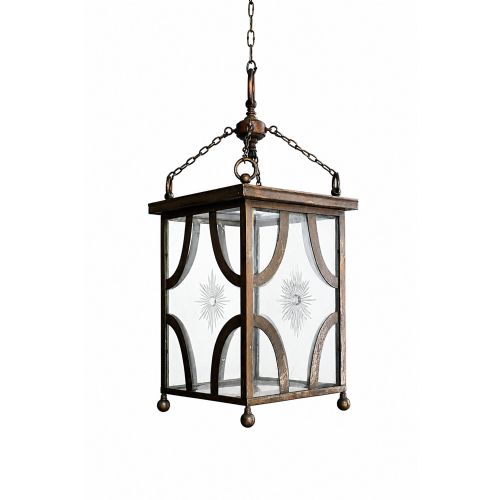
When searching for a victorian style brass pendant, you are looking at hanging light fixtures that draw on nineteenth-century designs, often appearing as hall lanterns, ceiling lights, or multi-armed chandeliers. These pieces bring period character to interior spaces through substantial metal frames and glass components.
The versions you are most likely to meet on this page span periods from the mid-nineteenth century through the Edwardian era and into the 1920s and 1930s. They incorporate styles such as French Rococo, Gothic Revival, and Regency influences.
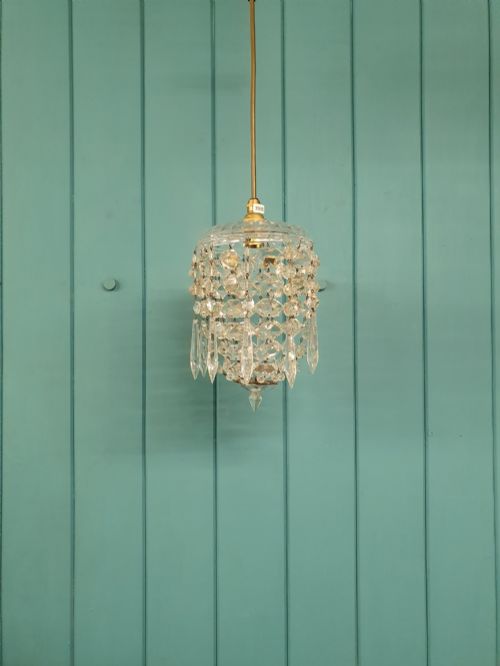
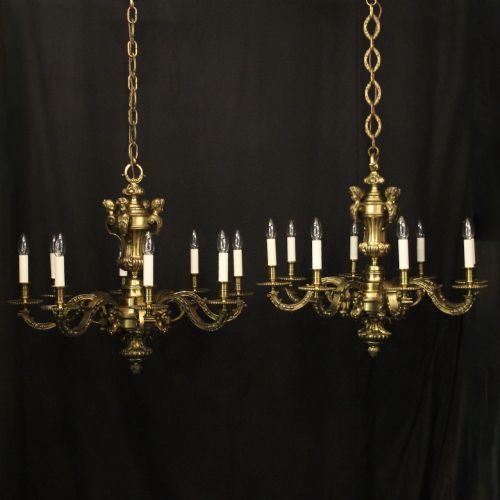
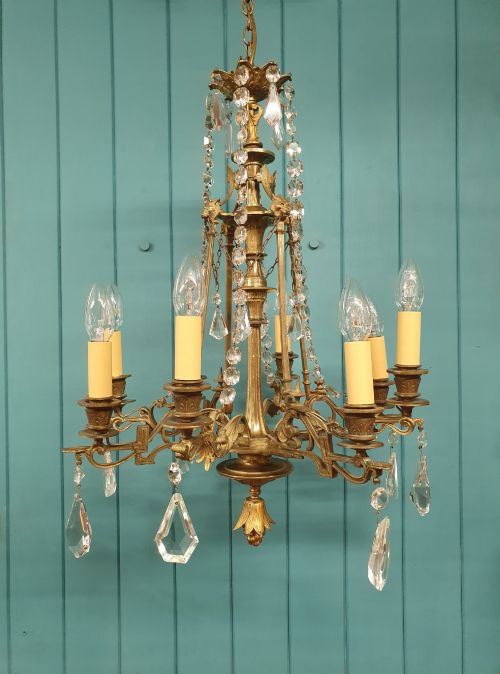
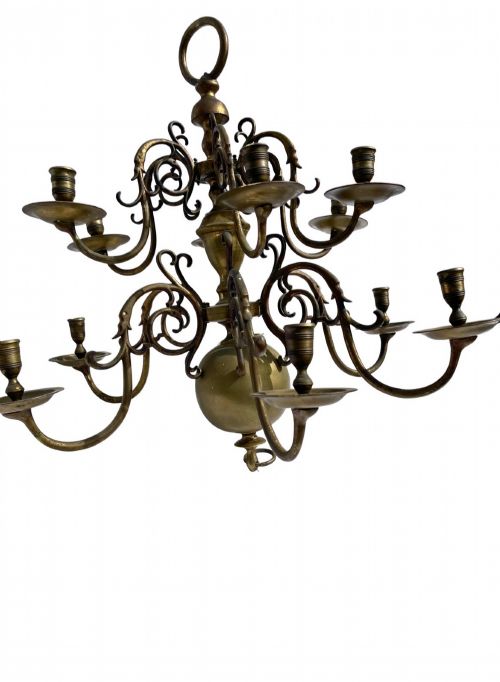
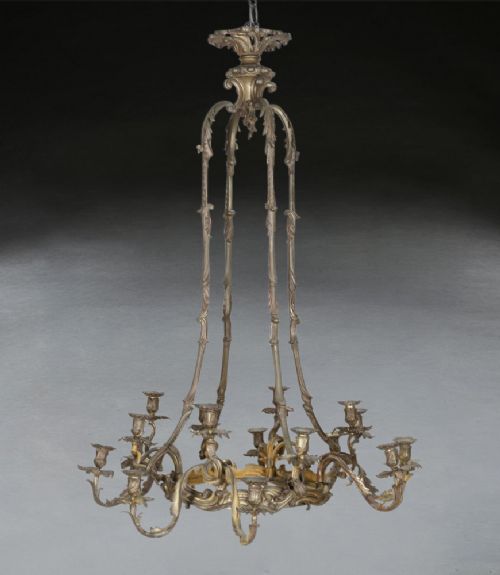
The forms range from simple pierced lanterns to elaborate multi-branch configurations adorned with cherubs, lion masks, and crystal drops. They serve as central illumination sources for hallways, high-ceilinged rooms, and period interiors.
Materials and construction methods
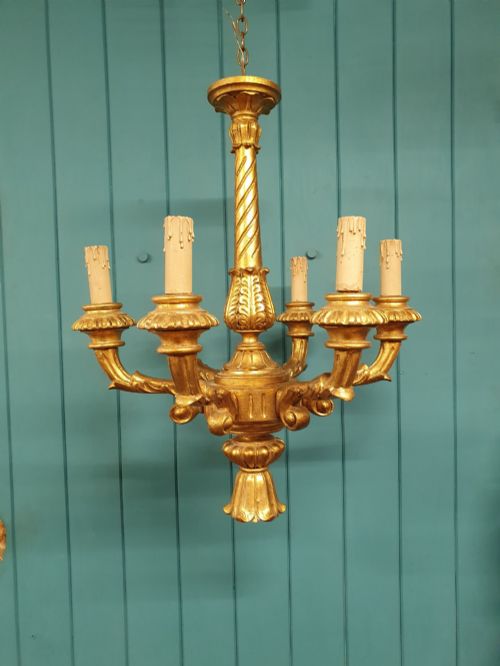
Makers utilised brass, bronze, and gilded metal as the primary structural skeletons for these hanging lights, casting or piercing the metal into ornate frames. Gilt bronze and gilded brass added a reflective sheen to the finished metalwork.
Glass elements form a major part of the construction, featuring cut glass, crystal, and opaline glass panels or drops. These components were hand-cut or moulded to catch and refract light from the internal lamps.
Flying cherubs and lion masks keep watch over these ceilings, ensuring your hallway comes equipped with ancient mythological support.
Assessing quality in period brass lighting
Quality separates fixtures by the crispness of the metal casting and the depth of hand-finishing on elements like lion masks, cherubs, and pierced brass panels. Finer examples display sharp detail in the ornamentation rather than soft, rounded edges.
The integration of glass components dictates the upper tier of the range, where heavy cut crystal, clear opaline glass, or bevelled panes fit securely within the metal framework. Superior pieces rely on robust construction methods that maintain structural integrity across heavy arms and large frames.
Perry And Co·Joseph Wilmotte
The Victorian Style Brass Pendant Glossary
- Hall lantern
- A ceiling-hung light fixture designed specifically for entryways and corridors, typically enclosed in glass panels within a metal frame. These pieces often feature hinged doors for access to the internal burners or bulbs.
- Opaline glass
- A milky, translucent glass popular in nineteenth-century lighting that softens and diffuses the glow from internal light sources. It creates an even, glare-free illumination across the room.
- Gilded brass
- Brass coated with a thin layer of gold leaf or metallic powder to give the appearance of solid gold and enhance light reflection. This finish was common in formal reception rooms.
- Gothic Revival
- An architectural and decorative style drawing on medieval forms, featuring pointed arches, tracery, and heavy cast metalwork. It appears frequently in nineteenth-century ecclesiastical and domestic light fittings.
Victorian Style Brass Pendant: Frequently Asked Questions
How do I hang a heavy brass pendant?
These heavy brass and bronze fixtures require direct attachment to ceiling joists using a suitable mounting hook or bracket capable of supporting the total weight of the metal and glass. Professional installation ensures the structural safety of the ceiling.
Electrical wiring must be routed securely through the hanging chain or rod. An electrician should check the internal components to meet current safety standards before operation.
Where should I place a hall lantern?
A hall lantern suits entryways, corridors, and stairwells where vertical space allows the fixture to hang freely above head height. They provide welcoming illumination for visitors upon entering the home.
Position the lantern centrally within the space so the light distributes evenly. Ensure adequate clearance below the lowest point of the glass or frame for household traffic.
How do I clean antique brass and glass?
Dust brass frames regularly with a soft, dry cloth to prevent the buildup of grime on the metal surface. Avoid abrasive cleaners that strip the historic patina from the brass or bronze.
Remove glass shades and crystal drops carefully for washing in warm soapy water, then dry them completely before reattachment. Handle cut glass gently to prevent chipping the edges.