
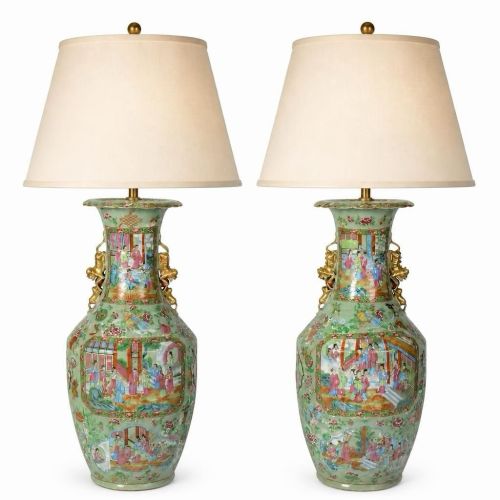
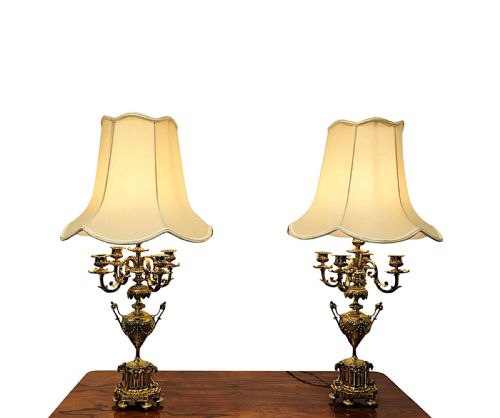
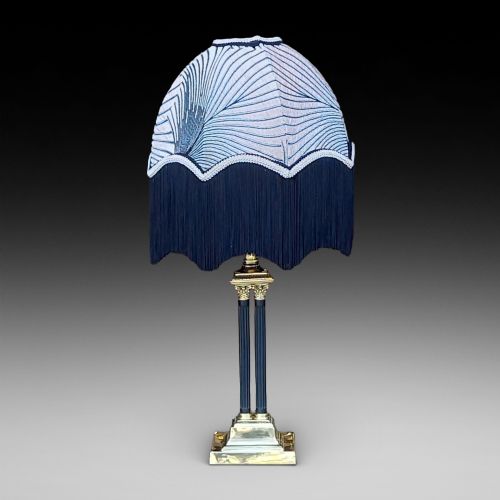
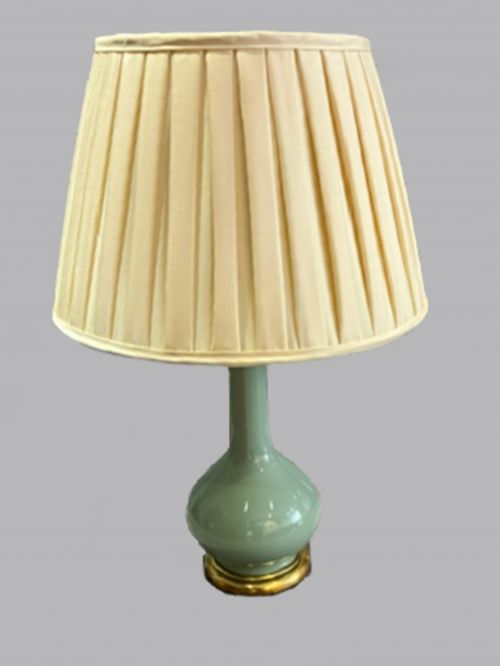

19th Century Brass Lamps
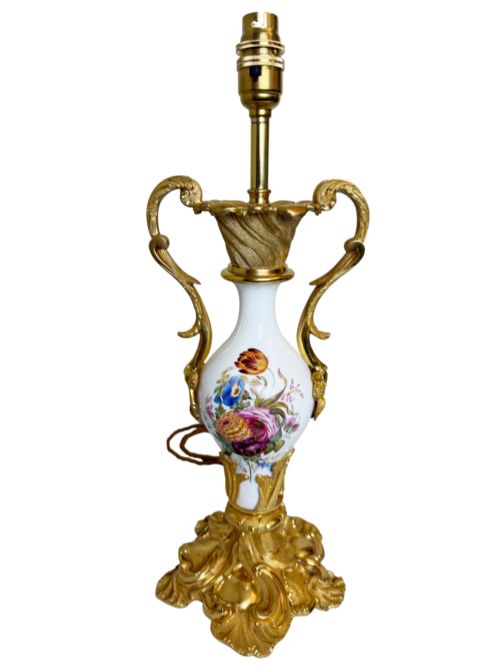
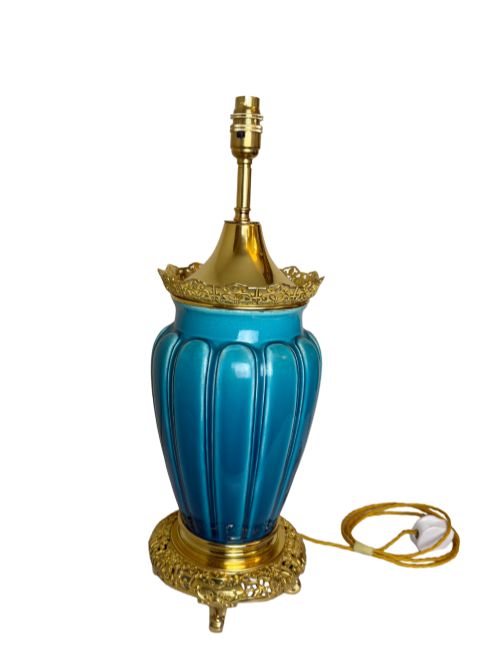
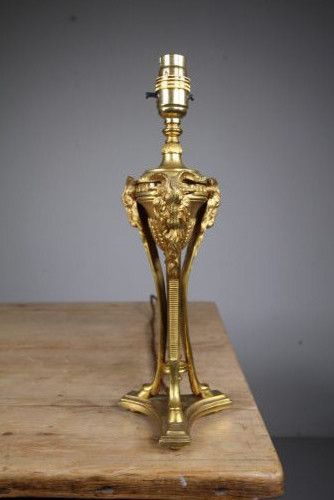
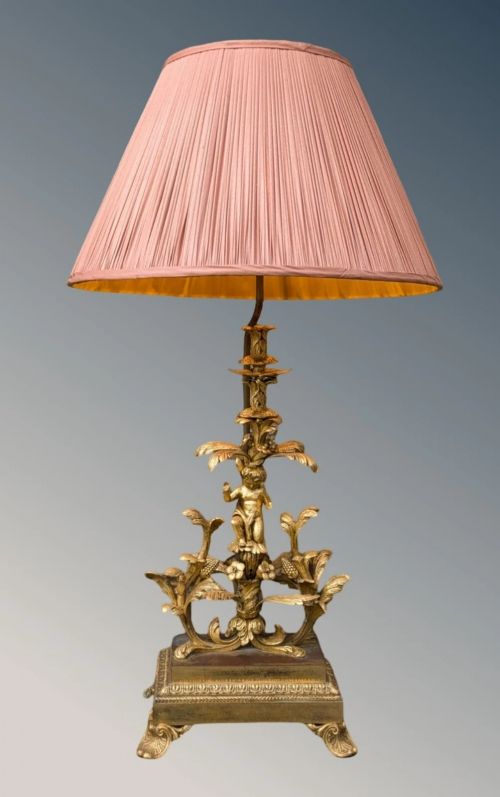
These 19th century brass lamps bring heavy metalwork and ecclesiastical or domestic warmth into a room.
Understanding 19th century brass lamps
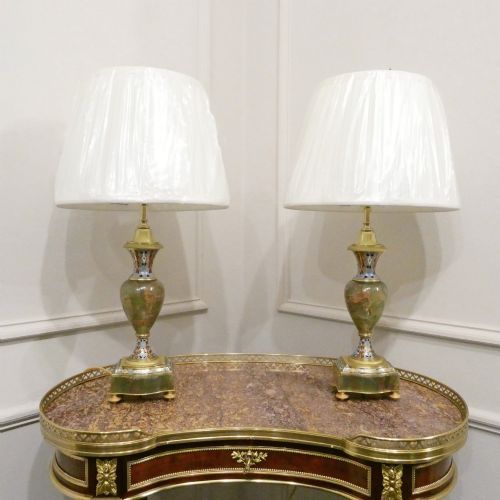
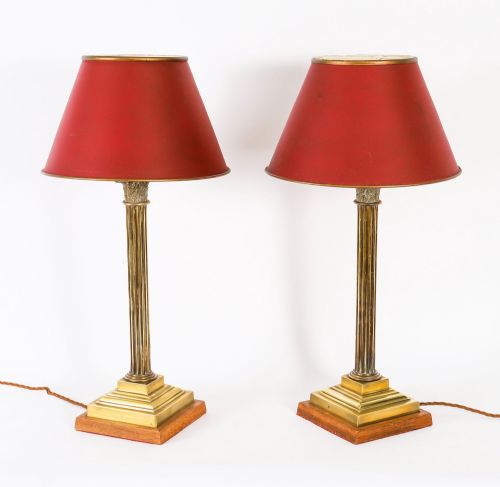
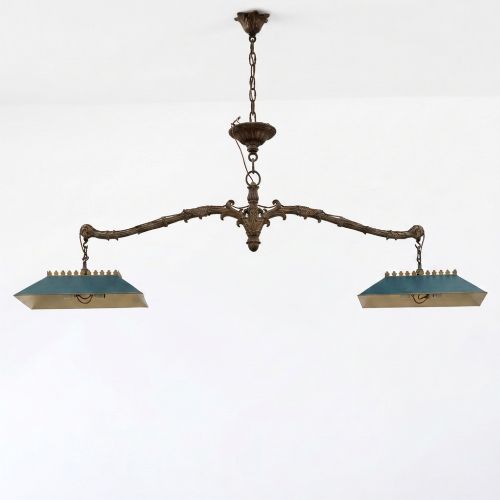
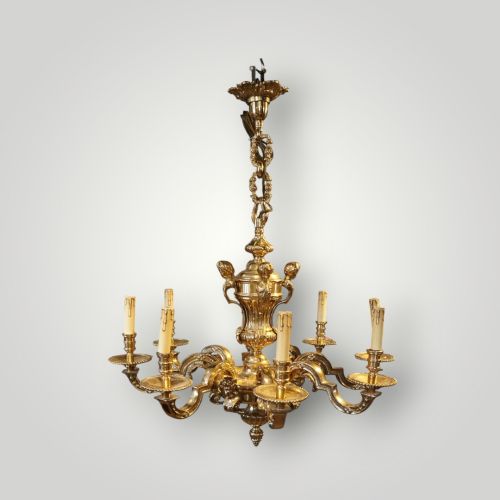
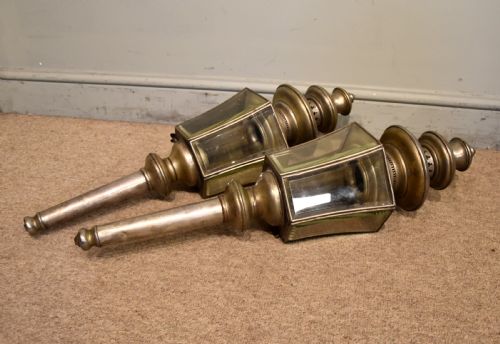
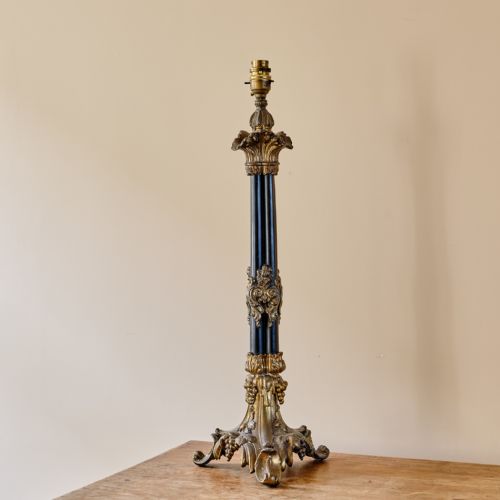
When you search for 19th century brass lamps, you encounter a distinct variety of heavy metal lighting fixtures originating from the Victorian period. The selection on this page relies heavily on altar candlesticks and altar sticks adapted into table lamps, alongside turned columns, desk lamps, and carriage lamps.
Most examples appear in pairs, reflecting their original use on church altars, railway carriages, or desks. The designs span simple turned forms to elaborate Gothic Revival pieces, French church examples, and items incorporating onyx, marble, glass, or whale oil reservoirs.
Materials and construction
These lamps utilise solid brass, often heavy in weight, shaped through casting, turning, or twisting columns into forms like bobbin shapes. Many examples combine the metal with secondary materials such as glass, opaline glass, marble, and onyx, while fabric elements like silk fringe, damask, and glass beads appear on associated shades.
Makers adapted older illumination technology for later use, converting carriage lamps, whale oil vessels, and altar candlesticks to take electrical fittings. Patinated finishes show the natural ageing of the brass over the course of the nineteenth century and beyond.
Retail Price Guide 2026
Typical UK retail prices for 19th century brass lamps, calculated from the Sellingantiques database of over a million retail prices indexed since 2003. This retail price guide relies exclusively on Sellingantiques data; no external sources or auction records are used, so the figures do not describe the wider market.
Some of these heavy altar sticks spent decades illuminating dusty church pews before finding a second career holding light bulbs.
Assessing quality and manufacture
The distinction between standard and superior pieces rests on the weight of the brass casting and the crispness of the turning. Heavier altar candlesticks and tall column lamps demonstrate more substantial metalwork than lighter domestic variations.
Provenance and originality dictate the standing of a piece, with French and English church conversions showing distinct casting characteristics. The retention of original patination and integrated stone components like marble or onyx elevates the refinement of the object.
Wild And Wessel
The 19th Century Brass Lamps Glossary
- Altar candlestick
- A tall, heavy candlestick originally used on church altars that frequently forms the base for converted 19th century table lamps.
- Gothic Revival
- A nineteenth century design style drawing on medieval architecture, featuring pointed arches and ecclesiastical motifs visible on altar sticks.
- Bobbin
- A turned wooden or metal furniture profile resembling a stack of spools, used here to shape decorative lamp columns.
- Opaline glass
- A pale, translucent milk glass utilised in Victorian lighting components to diffuse light softly.
- Patinated brass
- Metal that has developed a natural surface finish and darkening through age and handling.
Frequently Asked Questions
How do I clean 19th century brass lamps?
Dust the metal gently with a dry cloth to preserve the existing surface patination. Avoid harsh chemical polishes that strip away the aged character accumulated over the centuries.
For glass or fabric components associated with the lamps, use appropriate soft brushes or specialist cleaners suitable for antique textiles.
Were these lamps originally electric?
Most of these pieces began life as oil lamps, whale oil burners, carriage lamps, or altar candlesticks. They were subsequently adapted for electrical use during later periods.
Rewired examples retain their historic bases while incorporating modern internal wiring to meet contemporary safety standards.
How do I distinguish French and English pieces?
French examples often derive directly from church altars, showing distinct casting styles and heavier ecclesiastical ornamentation. English pieces frequently encompass domestic table lamps, Pullman carriage designs, and turned column variations.
Examining the weight, proportion, and base construction helps identify the likely country of origin.
Where do these lamps fit in a room?
Their substantial weight and height make them suited for heavy sideboards, desks, or large hall tables. The Gothic Revival and altar styles provide a strong vertical focal point in traditional interiors.
Pairing them with appropriate shades in silk or damask completes the Victorian aesthetic.