
Vintage Accent Rug
A vintage accent rug brings enduring textile artistry and rich regional character directly into a room.
Vintage Accent Rug
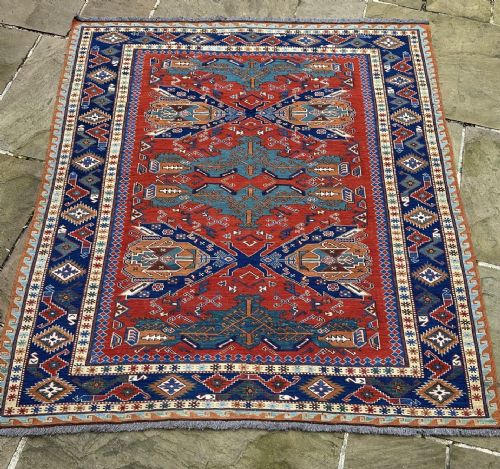
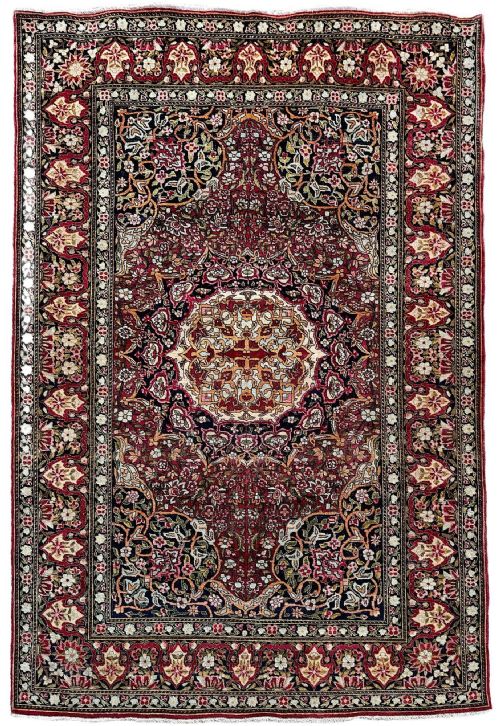
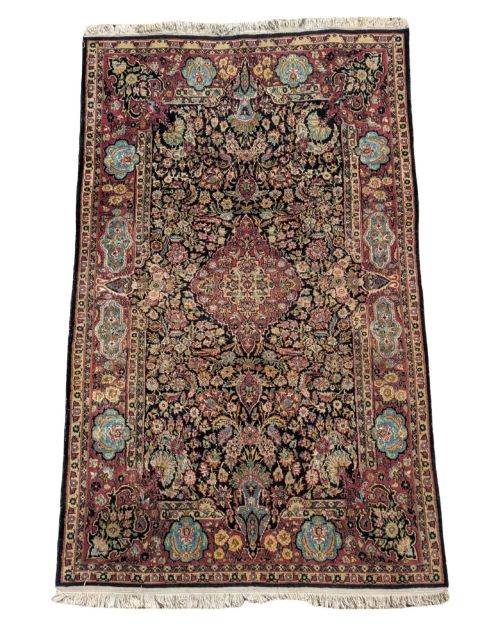
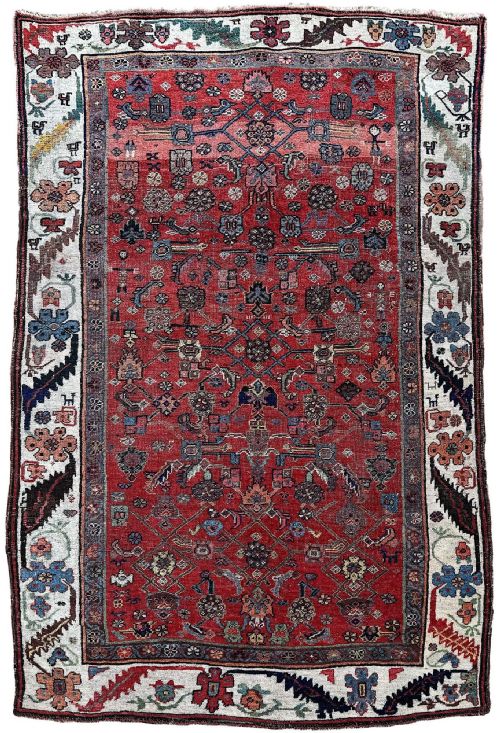
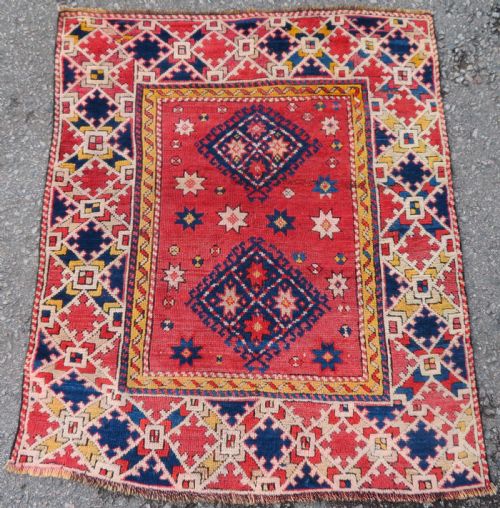
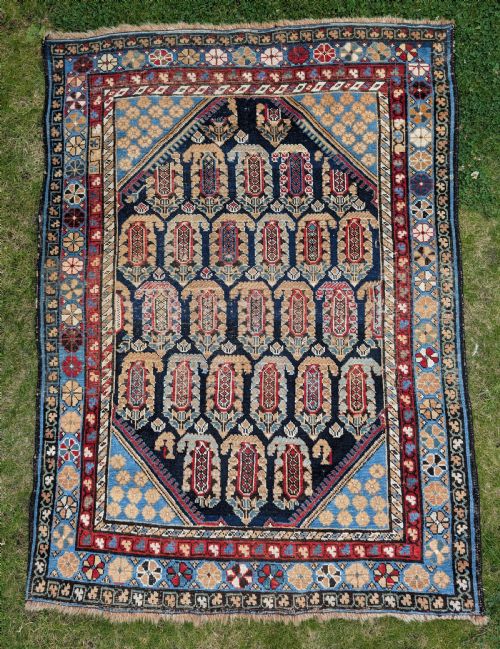
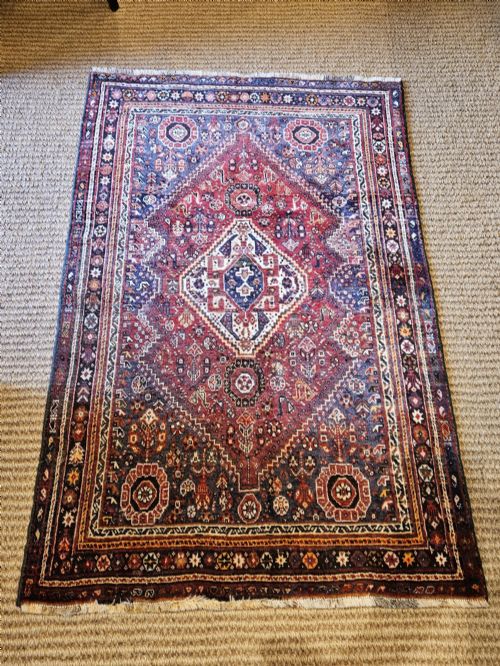
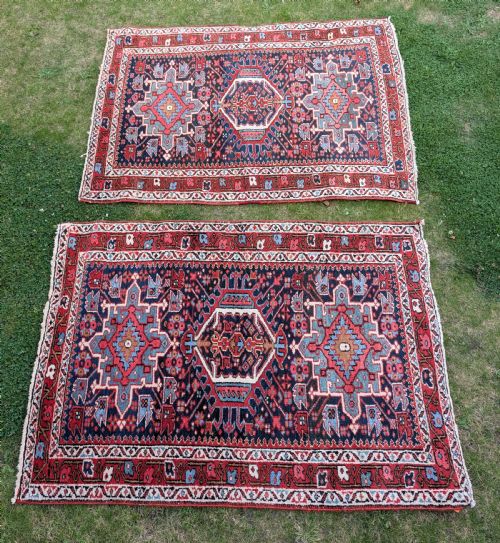
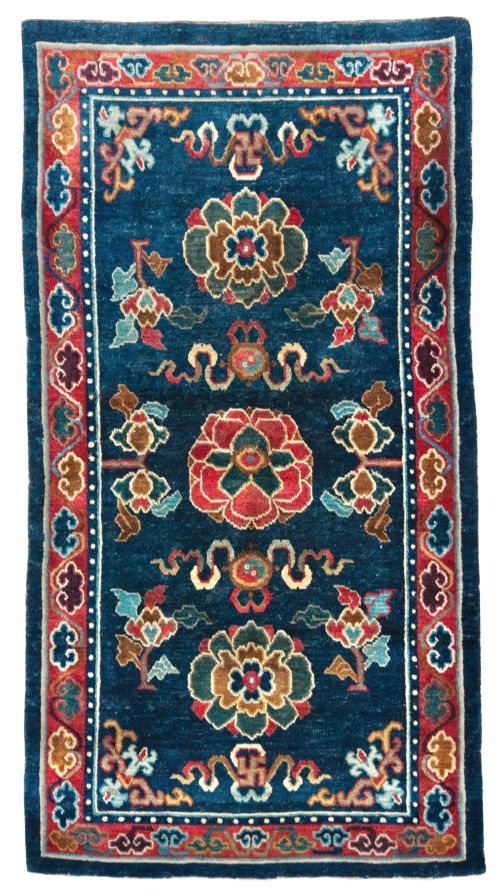
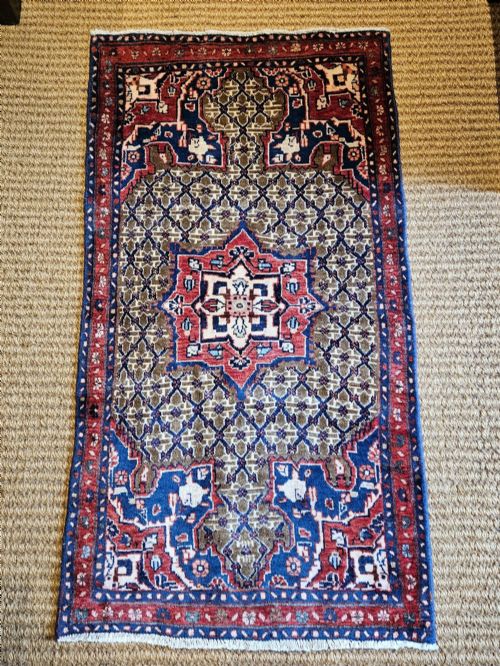
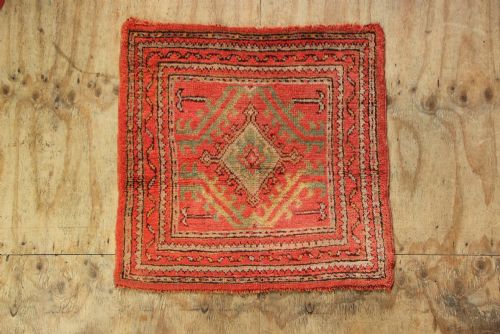
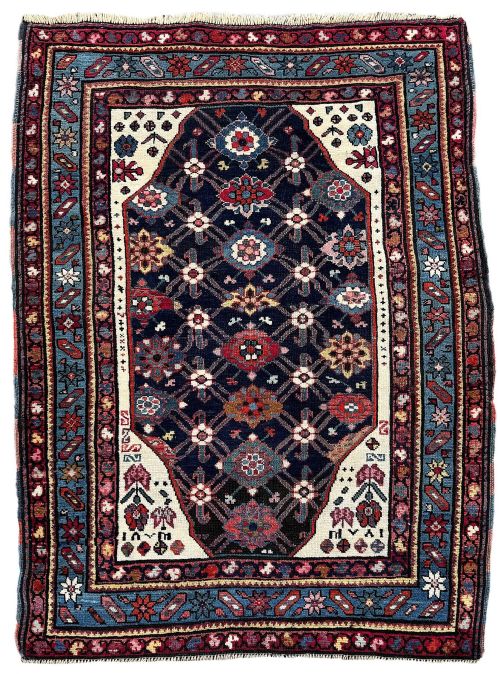
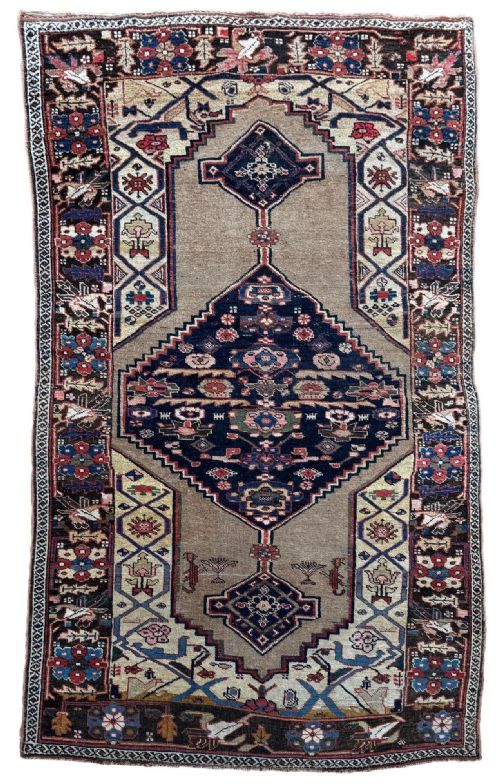
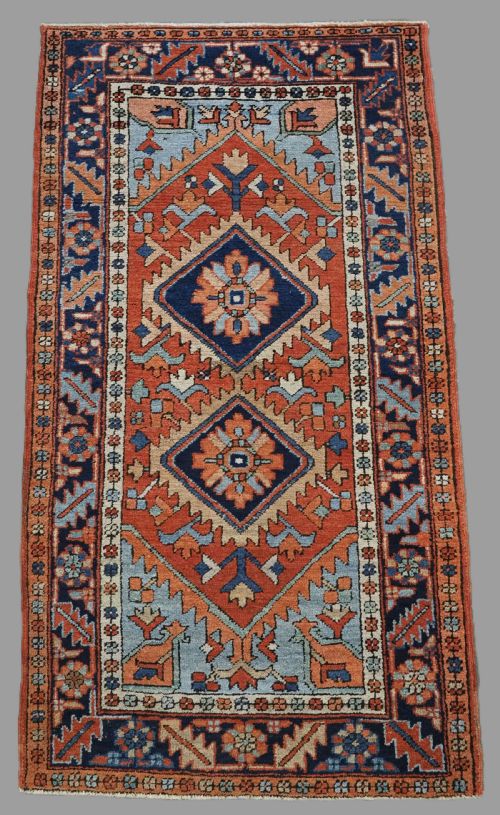
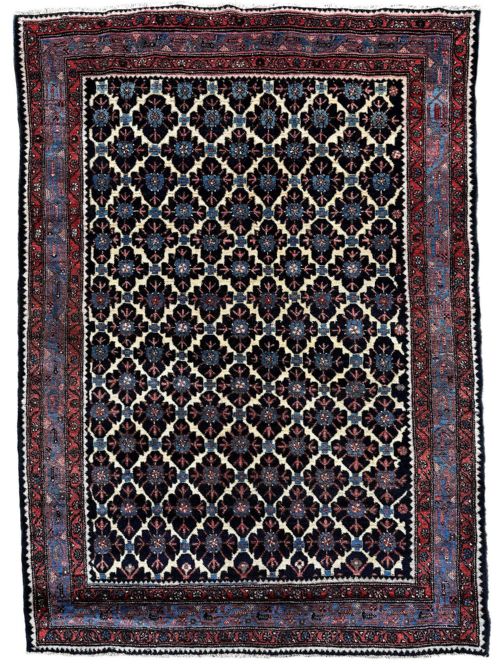
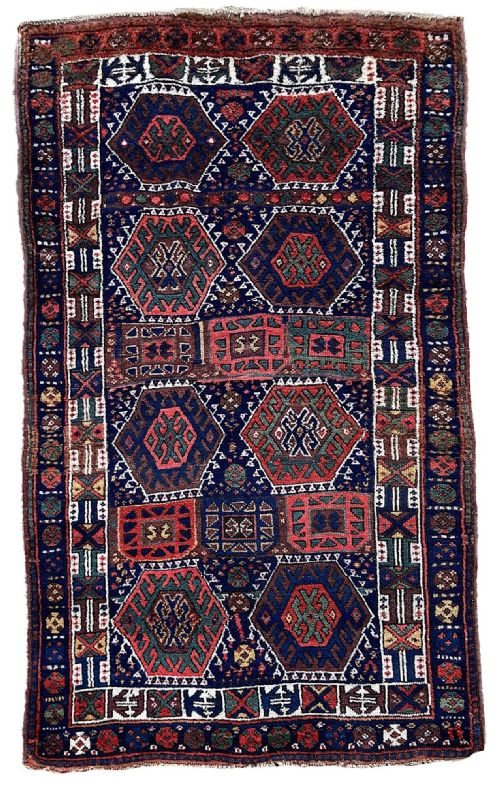
A vintage accent rug encompasses smaller floor coverings, tribal textiles, and hearth-sized pieces designed to add warmth and pattern to compact spaces. When searching for a vintage accent rug, buyers encounter diverse regional traditions originating from Persian, Anatolian, Caucasian, and Afghan weaving cultures. These smaller textiles range from square Oushak formats and prayer rugs to nomadic gabbehs and village carpets.
The pieces documented in this selection span the late nineteenth century through to the early decades of the twentieth century. Traditional formats include specific village and tribal outputs such as Bidjar, Karaja, Hamadan, and Afshar pieces. Their dimensions naturally suit smaller areas, entryways, and focal points where full-room carpets prove impractical.
How they were made
Makers utilised natural materials, relying primarily on hand-spun wool for the pile alongside cotton warps and occasional silk highlights. These organic fibres provide structural durability while accepting natural dyes that age gracefully over decades.
Weavers employed traditional knotting and flatweaving techniques specific to their region, often incorporating natural dye stuffs to achieve deep rusts, indigos, and earth tones. The integration of wool carpet structures with supplementary materials like velvet occurs in related seating forms.
Listings feature pieces from the 1870s through the 1930s, utilising wool, cotton, and natural dyes.
What varies in quality
Quality in these textiles rests upon the density of the knotting, the precision of the tribal geometry, and the integrity of the foundational warps and wefts. Tighter structures yield greater longevity under foot traffic while preserving intricate medallion and field designs.
The depth and chemistry of the palette heavily influence the visual success of the piece, with natural dyes developing a harmonious patina over time. The survival of original borders and selvedges further distinguishes superior examples from heavily altered specimens.
The Vintage Accent Rug Glossary
- Warp
- The vertical threads stretched on a loom that form the foundational skeleton of the rug. Fringe is typically an extension of these structural cords.
- Weft
- The horizontal threads passed through the warps to bind the knots in place. Proper weft tension ensures the structural stability of the textile.
- Mihrab
- A niche design element found on prayer rugs, often indicating the direction of prayer. This architectural motif guides the layout of Caucasian and village prayer formats.
- Medallion
- A central ornamental motif situated in the middle of the rug field. Heriz and Oushak pieces frequently centre their compositions around this focal design.
- Selvedge
- The finished side cords of a rug that prevent the edges from unravelling. Original selvedges indicate a well-preserved textile.
Vintage Accent Rug: Frequently Asked Questions
Where should I place a small rug?
These compact textiles work well in entryways, beside beds, or as hearth rugs where floor space is limited.
They also serve to define specific zones within larger rooms without overwhelming the existing layout.
How do I identify a tribal rug?
Tribal pieces often feature geometric motifs, asymmetrical layouts, and symbols passed down through nomadic weaving communities.
Designs from groups such as the Afshar, Baluch, and Gabbeh makers showcase these spontaneous, less formal compositions.
What is a prayer rug?
A prayer rug is a smaller textile traditionally used for individual daily prayers, identifiable by a central arch or mihrab motif.
Caucasian and Anatolian weavers frequently utilised this format for personal devotion and domestic use.
How do natural dyes age?
Natural dyes mellow gradually over generations, producing a soft patina that blends disparate shades into a cohesive palette.
This ageing process enhances the visual depth of wool and silk fibres without dulling the underlying pattern.