


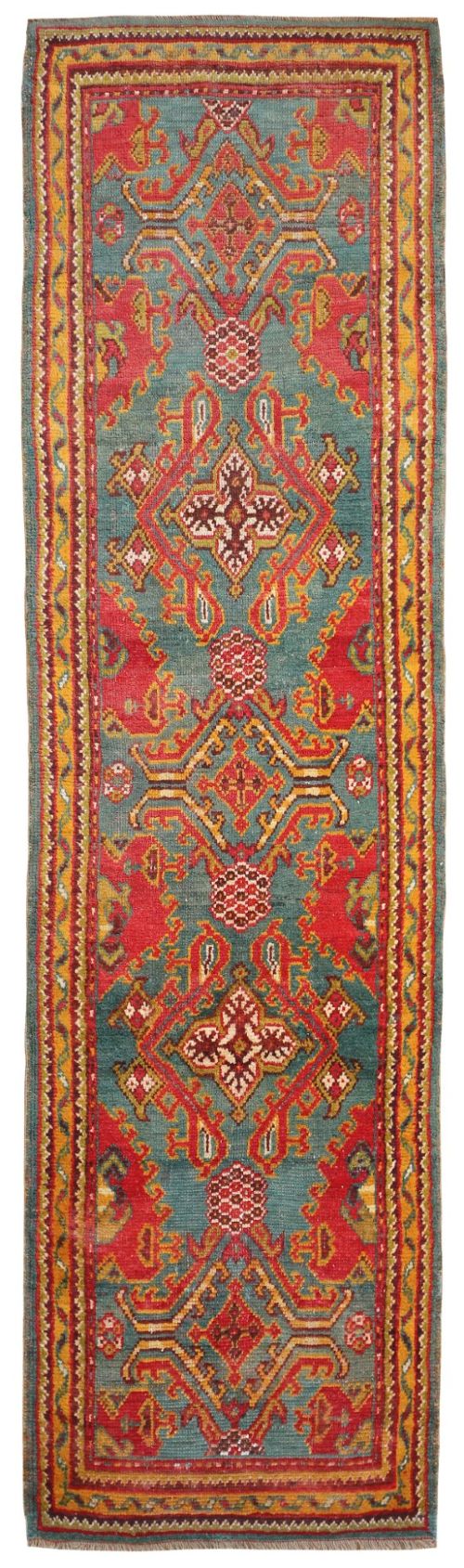
Hand Knotted Tribal Carpet
When you handle a hand knotted tribal carpet, you hold a piece of nomadic heritage woven from wool and natural dyes.
Hand Knotted Tribal Carpet
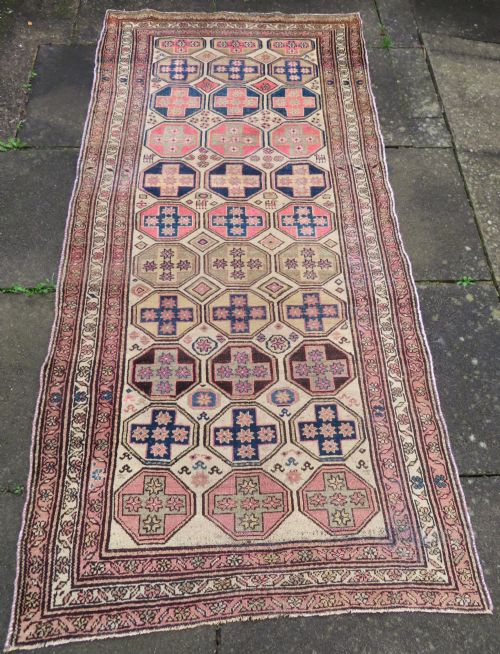
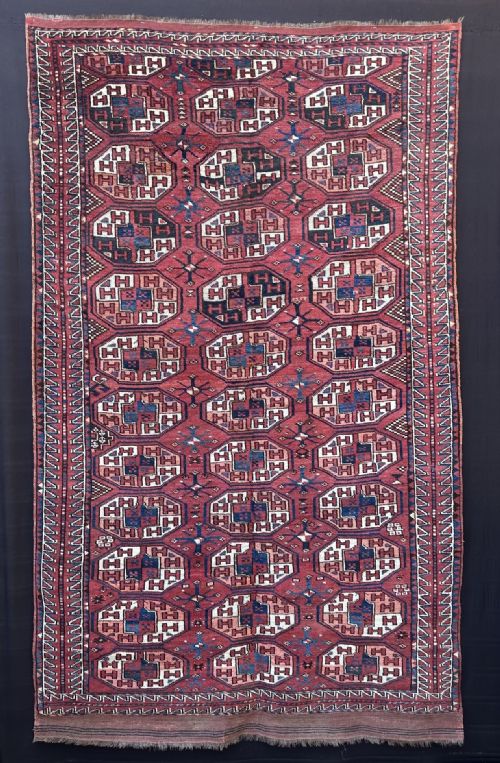
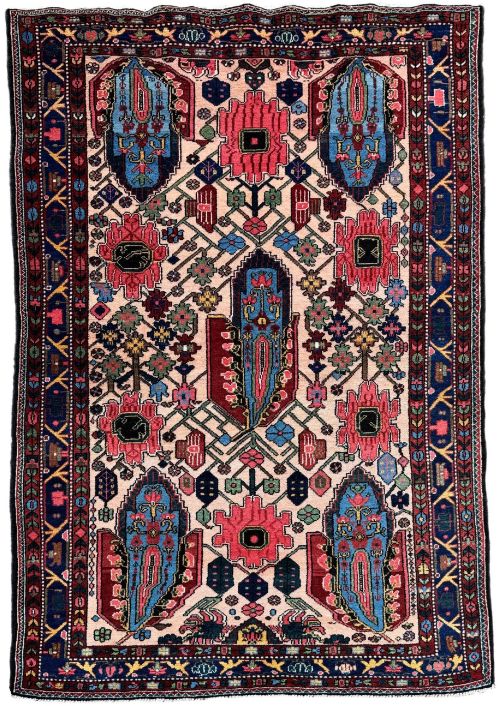
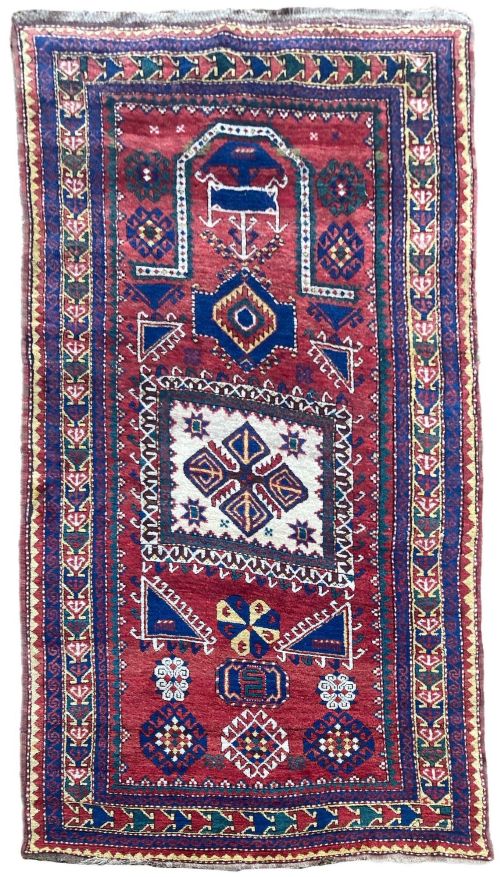
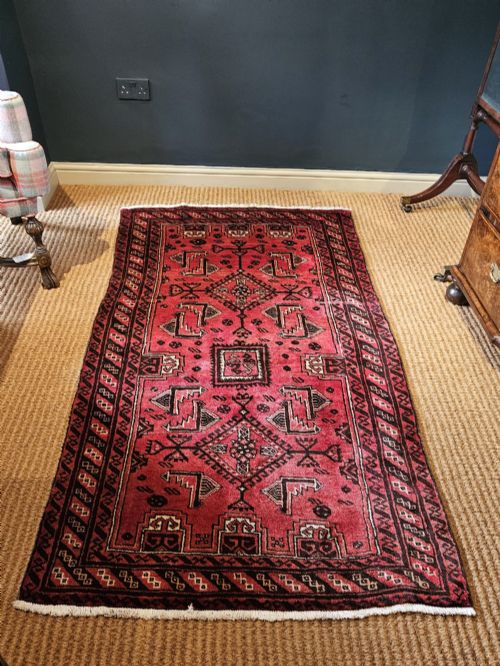
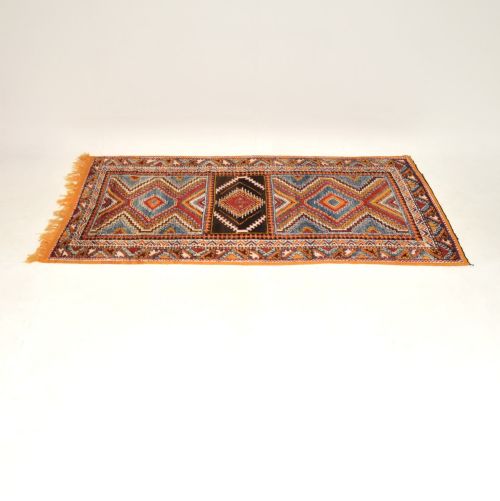
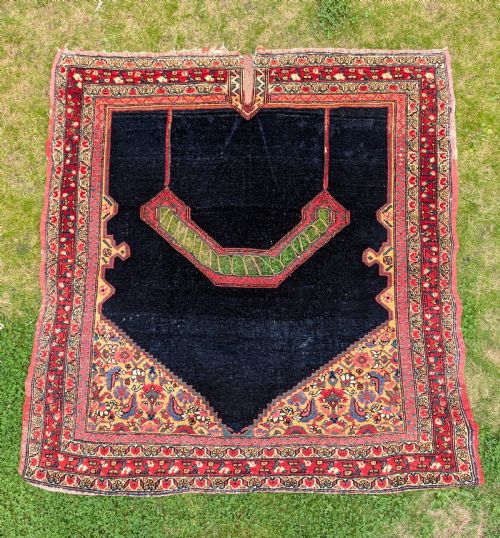
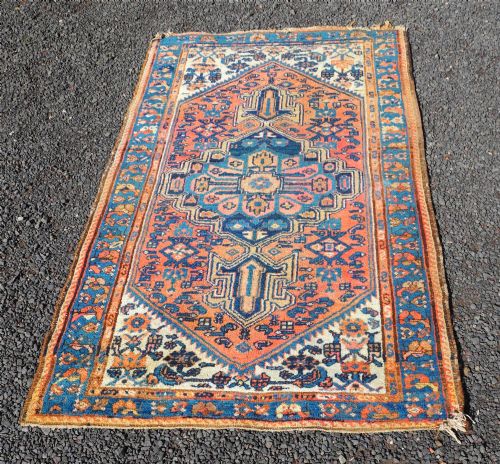
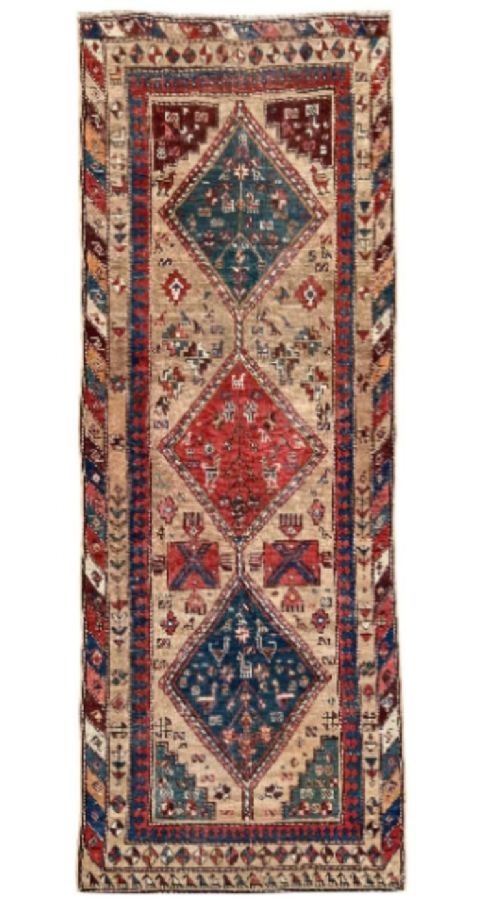
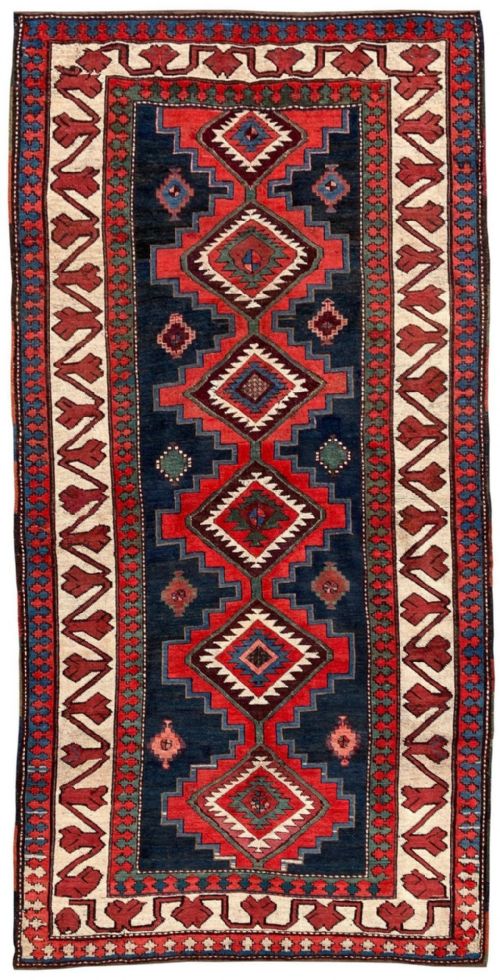
A hand knotted tribal carpet encompasses rugs, runners, and prayer rugs originating from village and nomadic workshops across Persia, the Caucasus, Anatolia, Turkmenistan, and Afghanistan. Buyers exploring this category encounter pieces attributed to specific tribal groups such as the Baluch, Afshar, Yomut, Kurdish, and Kazak communities. The selection ranges from compact saddle covers and prayer mats to expansive main carpets and hallway runners produced between the early nineteenth century and the early twentieth century.
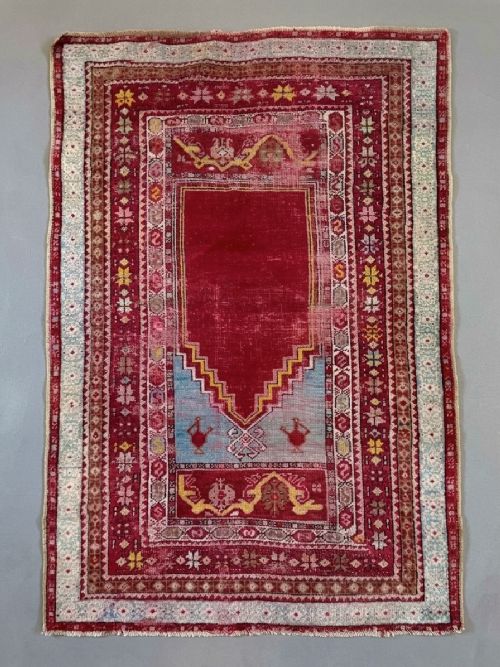
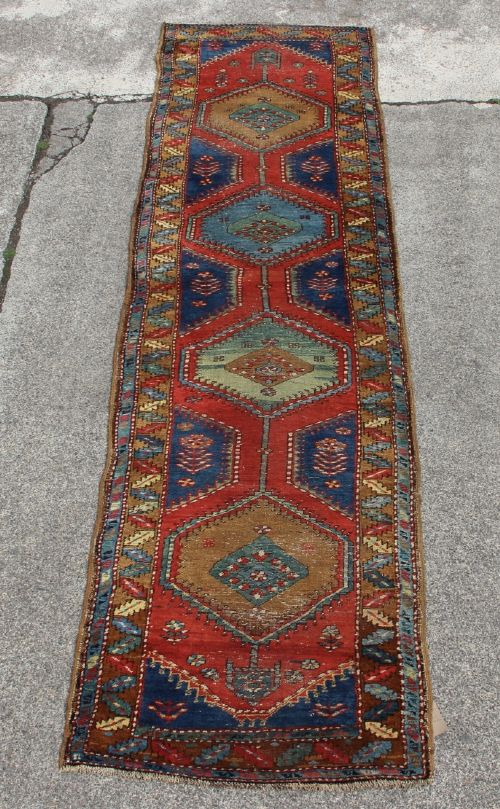
These floor coverings reflect distinct regional aesthetics, spanning geometric Caucasian designs, bold Anatolian motifs, and intricate Persian village patterns. Pieces often display specific formats including double mihrab prayer rugs, long narrow runners, and expansive kelleh carpets. Each textile serves as a tangible record of the weaving traditions maintained by village artisans and nomadic weavers across generations.
Materials and construction methods
The foundation of a hand knotted tribal carpet relies on natural animal and plant fibres, predominantly utilising hand-spun wool for the pile alongside cotton foundations in certain regional types. Camel wool also appears in specific nomadic pieces, adding distinct texture and natural coloration to the wool pile. Weavers knotted these materials by hand onto warp and weft threads, creating dense textiles designed for daily domestic use.
Makers achieved their palette through the application of natural dyes, resulting in warm reds, mellow tones, and varied chromatic depths that age patinatively over decades. The physical structure combines hand-woven edges with secure knotting techniques executed on vertical or horizontal looms. This traditional construction ensures structural resilience across varying formats, from small Kurdish rugs to large Turkmen main carpets.
Hand Knotted Tribal Carpet Retail Price Guide 2026
Typical asking prices for hand knotted tribal carpet among the pieces listed under this phrase on Sellingantiques today, from the lower quarter to the upper quarter. They describe what is for sale here now, not the wider market.
Materials documented across the inventory include pure wool, hand-spun wool, cotton foundations, and camel wool.
Factors determining quality and execution
Quality in a hand knotted tribal carpet stems from the precision of the knotting and the integrity of the natural materials employed by the weaver. Finer execution manifests in tightly packed knots and crisp delineation of geometric or floral motifs, particularly visible in Kazak, Bidjar, and Senneh pieces. The handling of the wool pile, whether hand-spun sheep wool or specialised camel wool, dictates the tactile richness and resilience of the surface.
Another measure of distinction lies in the mastery of the natural dye palette and the balance of the overall design composition. Harmonious colour distribution, balanced abrasch variations within the wool, and faithful adherence to traditional tribal iconography elevate exemplary village and nomadic carpets. Conversely, looser knotting and less defined motifs characterise simpler utilitarian pieces produced for local domestic environments.
The Hand Knotted Tribal Carpet Glossary
- Mihrab
- A niche design element found predominantly on prayer rugs, representing the direction of prayer. This architectural motif often frames the central field of Anatolian and Caucasian examples.
- Runner
- A long, narrow carpet format designed specifically for hallways and corridors. These pieces balance length with constrained width to fit domestic architectural layouts.
- Abrasch
- A natural variation in colour shading across the wool pile, caused by changes in dye batches or hand-spun yarn lots. Collectors view this tonal shift as a hallmark of authentic natural dyeing.
- Main carpet
- A large-scale floor covering traditionally produced by nomadic tribes for primary domestic use or ceremonial purposes. These formats display expansive central fields and complex border arrangements.
- Kelleh
- A large rectangular carpet format, longer than it is wide, traditionally used in Persian domestic interiors. These grand formats often feature repeating medallions or all-over village designs.
Hand Knotted Tribal Carpet: Frequently Asked Questions
How do I care for a tribal rug?
Vacuum these wool textiles gently without using beater bars to protect the hand-knotted pile and woven foundations. Professional cleaning tailored for antique natural fibre rugs ensures the preservation of the wool and natural dyes.
Keep the carpet out of direct, harsh sunlight to prevent fading of the warm reds and mellow tones. Rotating the piece periodically ensures even wear across high-traffic areas in your home.
Where were these carpets made?
These textiles originate from nomadic and village workshops across regions including Persia, the Caucasus, Anatolia, Turkmenistan, and Afghanistan. Specific groups such as the Baluch, Afshar, and Yomut created these pieces within distinct regional traditions.
The geographic origins dictate the characteristic motifs, structural materials, and palette choices seen in each piece. Understanding the provenance connects the textile to its specific cultural landscape of origin.
What is a prayer rug?
A prayer rug is a smaller format textile featuring a distinct mihrab or niche design at one end. Historically, weavers created these pieces for personal devotion and ritual use within domestic spaces.
These rugs often display specialised symbolic iconography unique to the weaving community that produced them. Their compact dimensions make them suitable for wall display or focused placement in living spaces.
How do I identify a runner?
Runners are distinguished by their elongated rectangular proportions, designed specifically for narrow spaces like hallways and corridors. They feature continuous repeating patterns or sequential medallions adapted to their length.
These formats maintain the same hand-knotted wool construction and natural dye palette as larger carpets. Their specific dimensions allow for practical placement in modern architectural transitional spaces.