


19th Century Karabagh Rug
A 19th century karabagh rug brings vivid Caucasian artistry and rich natural tones straight to a floor.
19th Century Karabagh Rug
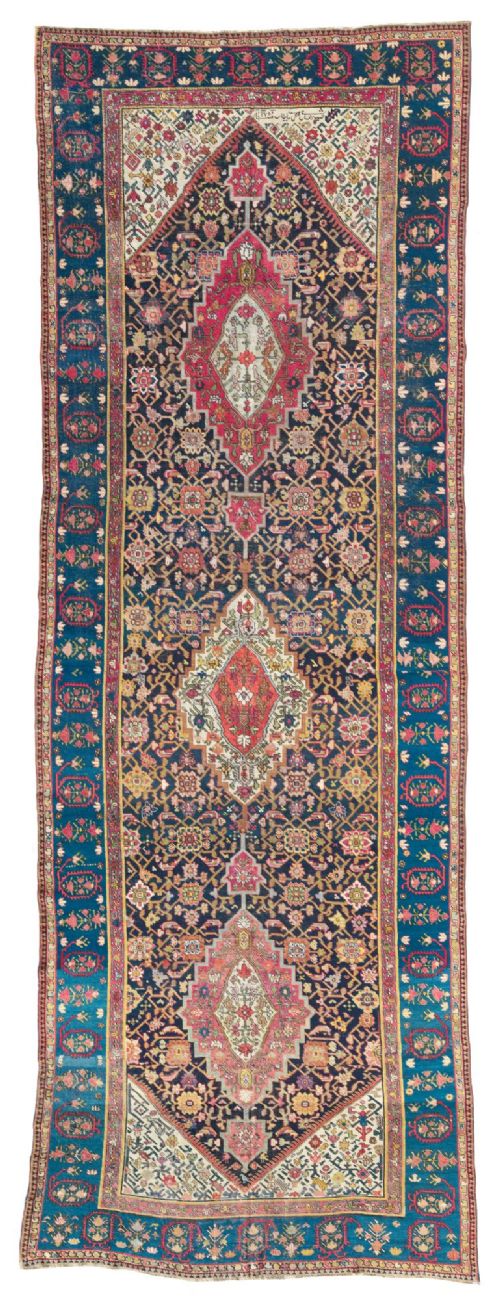
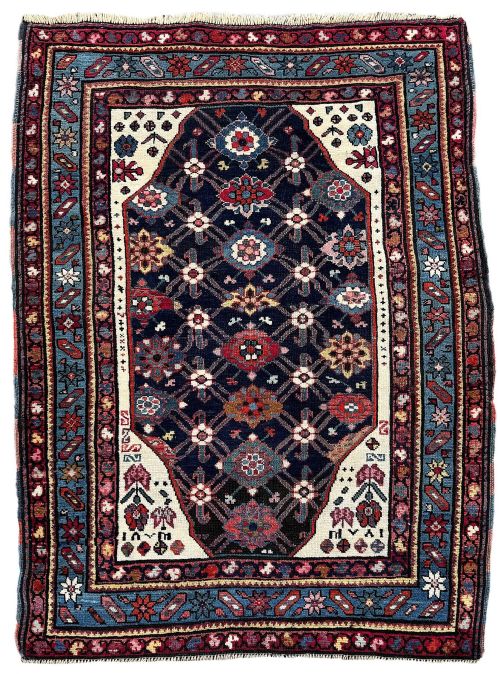
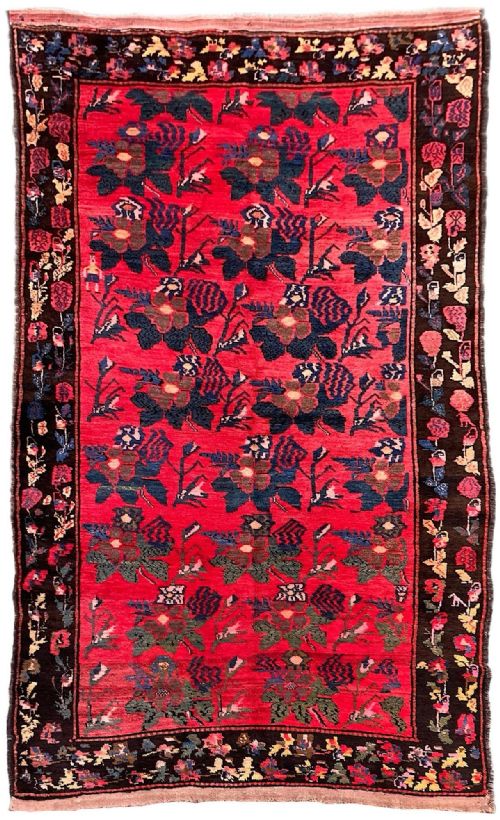
A 19th century karabagh rug is a woven textile originating from the Caucasus region during the eighteen-fifties through the early nineteen-hundreds. Buyers seek these pieces for their striking patterns, which range from multi-medallion layouts to striped and diagonal boteh motifs.
The selection here encompasses various formats including compact area rugs, long hallway runners, and expansive kelleh carpets. Many display traditional Caucasian aesthetics, while others incorporate unexpected European design influences.
Dating primarily from the late nineteenth century, these weavings showcase the diverse regional styles of the Karabagh area. Collectors encounter both intimate scatter sizes and large room-scale runners in this distinct category.
How they were made
These traditional floor coverings utilise wool for the plush pile and foundation, often combined with cotton foundations for structural stability. Weavers knotted the pile by hand onto sturdy warp and weft threads.
Natural dye traditions provided the striking colours recorded across the archive and current listings. Skilled artisans worked geometric and curvilinear motifs into each piece using time-honoured Caucasian weaving techniques.
Current listings feature pieces dated from eighteen-fifty up to nineteen-ten, spanning both the Victorian and Edwardian eras.
What varies in quality
The strength of a weaving lies in the crispness of its design and the depth of its colour palette. Examples with clear, well-defined boteh or medallion layouts demonstrate superior execution by the original weaver.
Pile density and wool condition dictate the longevity and visual impact of each carpet. Pieces that retain rich, saturated hues alongside even wear represent the finer end of the available selection.
The 19th Century Karabagh Rug Glossary
- Boteh
- A stylised almond or pear-shaped motif of Persian origin, frequently appearing in diagonal or striped arrangements across Caucasian weavings. This ancient symbol represents fertility and life.
- Kelleh
- A large, elongated carpet format traditionally suited for narrow spaces or grand rooms. These substantial pieces provide an expansive canvas for repeating medallions.
- Runner
- A long, narrow carpet format designed for hallways, corridors, or alongside furniture. These rectangular formats highlight linear patterns and repeating motifs.
- Caucasian
- Pertaining to the geographic region between the Black Sea and the Caspian Sea where these distinctive textiles were produced. This descriptor encompasses various tribal and regional weaving traditions.
- Medallion
- A large central ornamental design motif placed symmetrically within the field of a rug. Weavers often arrange one, three, or multiple medallions along the central axis.
19th Century Karabagh Rug: Frequently Asked Questions
How do I clean a antique rug?
Professional specialist cleaning is essential for preserving the wool pile and natural dyes of nineteenth-century textiles.
Regular gentle vacuuming without a beater bar helps remove surface dust safely between washes.
Where were these textiles woven?
These pieces originate from the Karabagh region situated within the Caucasus mountains.
Local weaving communities combined regional tribal designs with occasional European decorative influences during the Victorian era.
Are runners suitable for hallways?
Long runner formats fit naturally into corridors, passageways, and narrow gallery spaces.
Using an appropriate underlay helps secure the woven foundation against sliding on hard floors.
What is a boteh design?
The boteh is a curved, flame-like or pear-shaped motif frequently repeated in rows across Karabagh textiles.
Runners and area rugs often display these symbols in striking diagonal or striped formations.
How do I date a nineteenth-century carpet?
Dating relies on wool characteristics, natural dye palettes, structural analysis, and stylistic comparisons with documented examples.
Most pieces in this category date from the mid-nineteenth century up to the early nineteen-hundreds.