



Victorian Wall Decor
Victorian wall decor encompasses paintings, mirrors, barometers and taxidermy that defined nineteenth-century interior display.
Victorian Wall Decor
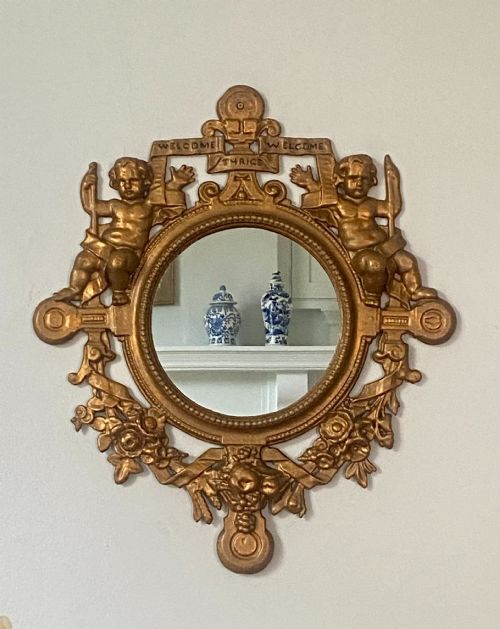
When buyers search for victorian wall decor, they encounter a diverse range of objects designed to ornament interior vertical spaces during the nineteenth century. These items span functional instruments like barometers and wall clocks, decorative mirrors in giltwood and ebonised frames, and various forms of fine art.
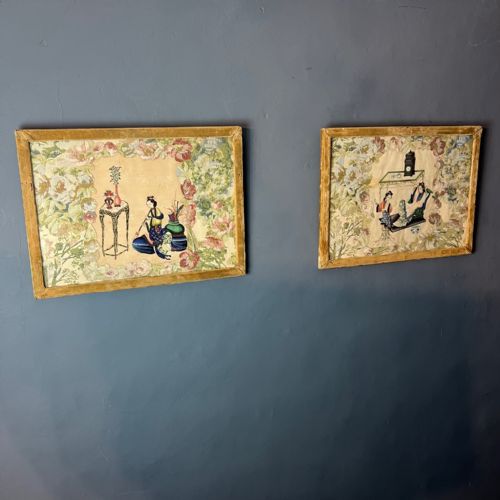
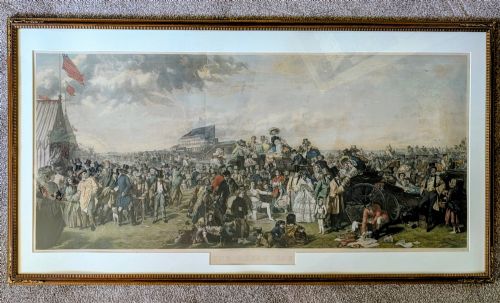
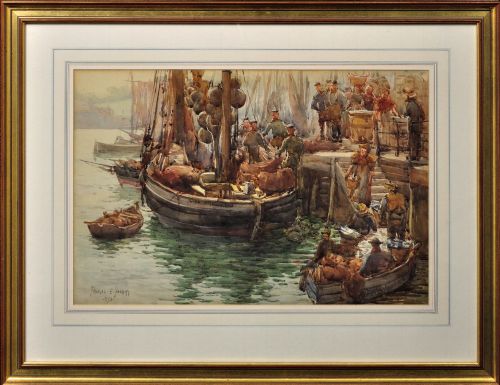
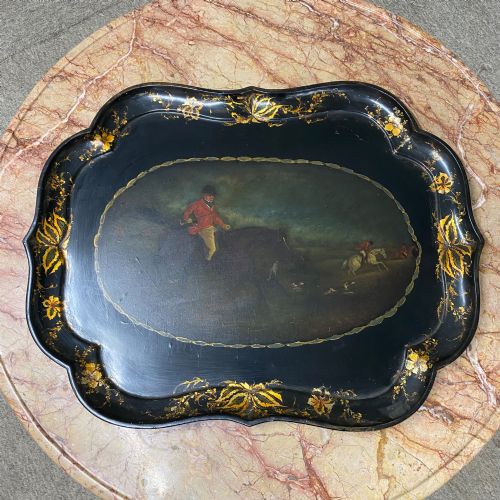
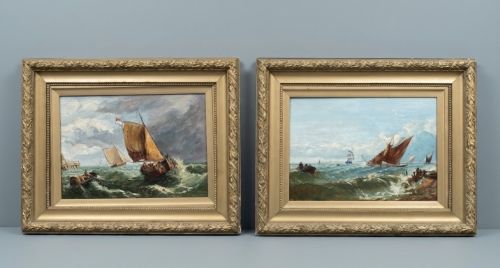
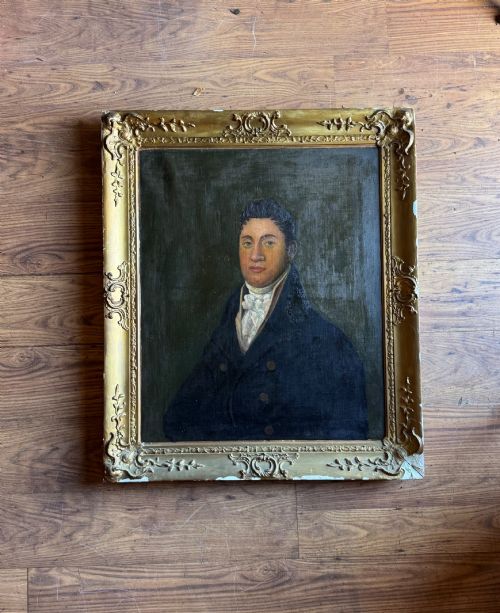
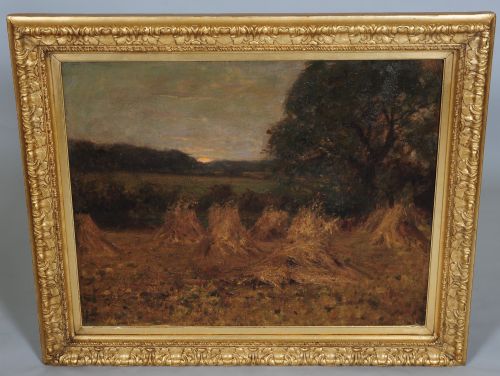
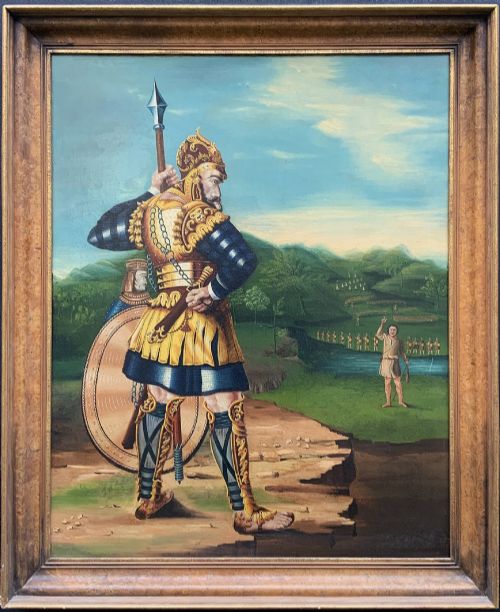
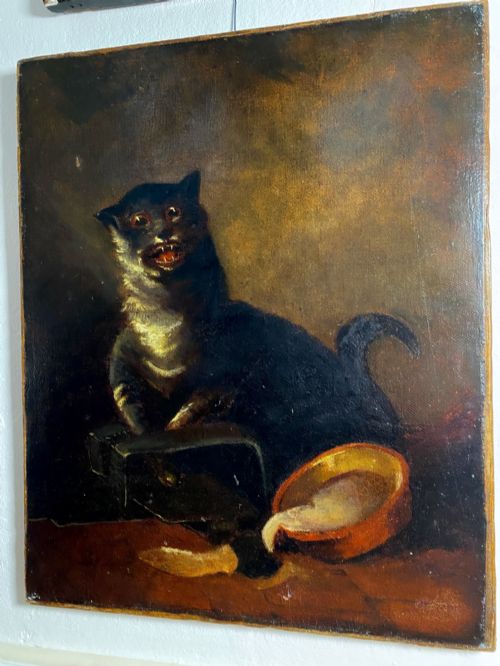
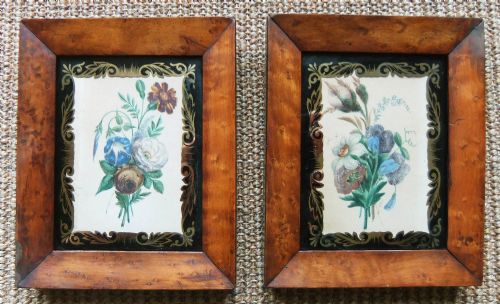
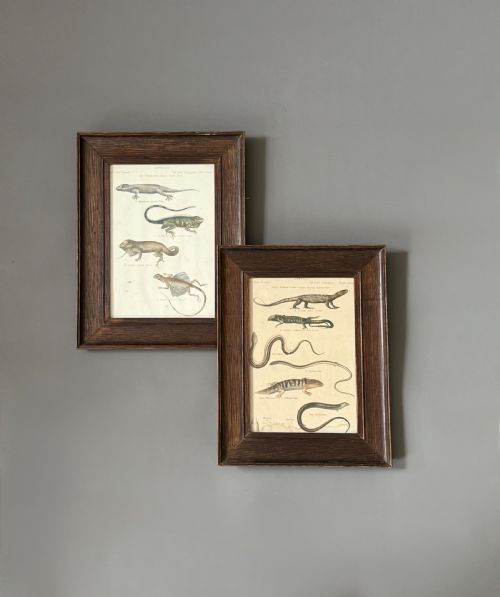
Oil paintings, watercolours, framed prints and lithographs representing sporting, equine, landscape and maritime subjects appear frequently. Architectural salvage, trade signs, tapestries and taxidermy mounts also contribute to the selection available to collectors.
Pieces from this era reflect the eclectic tastes of the period, drawing on neoclassical, gothic and rustic styles such as Black Forest wood carvings. Domestic spaces utilised these items to project status, intellectual interests and a connection to nature or sport.
Materials and Techniques
Makers utilised traditional timber substrates including walnut, oak, burr walnut, rosewood and carved pine, often combining them with gilded plaster, gesso or brass fittings. Glass appeared in silvered mirror plates, painted panels and barometers, while textiles took the form of embroidered panels and needlepoint tapestries.
Fine art works employed oil paints on canvas, watercolour on paper, and various printmaking techniques such as aquatint and lithography. Metalwork encompassed wrought iron, cast brass, copper kitchen moulds, toleware and gilt bronze appliques.
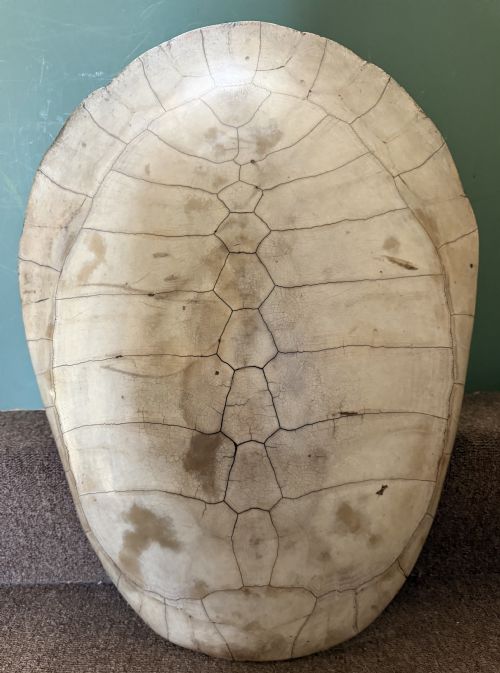
Organic materials also formed significant decorative pieces, including taxidermy horns, antlers, hooves, tortoiseshell and carved wood in Black Forest styles. Construction methods relied heavily on hand carving, joinery, repoussé metal shaping and detailed assembly by skilled artisans.
Victorian Wall Decor Retail Price Guide 2026
Typical asking prices for victorian wall decor among the pieces listed under this phrase on Sellingantiques today, from the lower quarter to the upper quarter. They describe what is for sale here now, not the wider market.
Listings feature 19th-century oil paintings, carved wood mirrors, taxidermy mounts, and brass barometers.
Evaluating Quality
The standard of craftsmanship is evident in the depth and precision of carved wood, the crispness of gilded gesso mouldings, and the fidelity of detail in oil paintings and prints. Superior examples display refined proportions and secure, integrated construction rather than rushed assembly.
Material selection marks the distinction between ordinary production and high-end items, seen in figured burr veneers, heavy cast brass, thick silvered mirror glass and substantial taxidermy mounts. Artworks demonstrate quality through assured brushwork, balanced composition and named artists of established standing.
Preservation of original surfaces, finishes and patination dictates desirability, as excessive restoration diminishes historical integrity. Pieces retaining their original backing, mercury plates, labels or maker signatures command greater respect from collectors.
Poix Blin·Alfred Young Nutt·William McAlpine·George Finch Mason·John Sargent Noble·W. Grey & Co·Albert Clark·Edwin Henry Landseer·Sherwin & Cotton·John A. Monteith·Charles Edward Wilson·Jonathan Couch·Swaine Adeney·G & L Guanziroli·John Frederick Herring Jnr
The Victorian Wall Decor Glossary
- Gesso
- A plaster-like material applied to wood frames before gilding or painting. It provides a smooth base for intricate, low-relief moulding.
- Aquatint
- A printmaking technique that produces tonal areas resembling watercolour washes. It was frequently utilised for nineteenth-century sporting and hunting prints.
- Repoussé
- A metalworking method where thin metal is hammered from the reverse side to form a raised design. This technique appears on decorative copper wall chargers.
- Tramp art
- A decorative woodworking style created by carving discarded wooden boxes or cigar boxes into layered, geometric patterns. Cork and timber versions appear in mirror frames.
- Banjo barometer
- A mercury-filled weather glass housed in a distinctive curved wooden case resembling a banjo. Victorian examples often feature burr walnut and carved details.
- Verdure tapestry
- A textile wall hanging depicting lush landscapes, foliage and animals. These panels were popular for adding texture and warmth to period rooms.
Victorian Wall Decor: Frequently Asked Questions
What is the difference between oil paintings and watercolours from this period?
Oil paintings on canvas offer rich textures and deep pigment saturation, making them durable centerpieces for principal rooms. Watercolours on paper provide a delicate, luminous quality and typically require protective glass framing.
Watercolours are sensitive to direct sunlight and fade if placed in bright positions. Oil paintings tolerate ambient light better but still benefit from stable indoor humidity.
How should I care for antique taxidermy wall mounts?
Taxidermy mounts require placement away from direct heat sources and strong sunlight to prevent fur, horns or feathers from drying out and cracking. Gentle dusting with a soft brush maintains the surface without damaging historic hair or hide.
Monitoring environment conditions prevents insect damage common to organic materials. Professional conservation advice helps address any structural issues over time.
How do barometers function in a modern home?
Barometers measure atmospheric pressure to indicate impending weather changes through a mechanical needle linked to internal mechanisms. While modern electronics provide forecasts, antique barometers offer functional weather monitoring alongside historic charm.
Calibration may be necessary when moving a barometer to a new geographic location or altitude. Adjusting the internal screw aligns the pointer with current local pressure readings.