
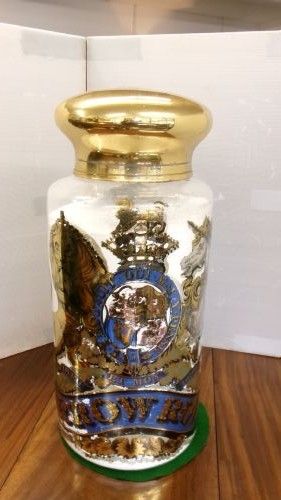


Antique Royal Crest
These antique royal crest pieces carry centuries of heraldic history, offering collectors tangible connections to royal households, military regiments, and official institutions.
Antique Royal Crest
When searching for an antique royal crest, buyers encounter a diverse range of objects carrying official insignia, coat of arms motifs, and royal cyphers. The selection spans utilitarian military equipment and decorative wall plaques to fine porcelain and glassware.
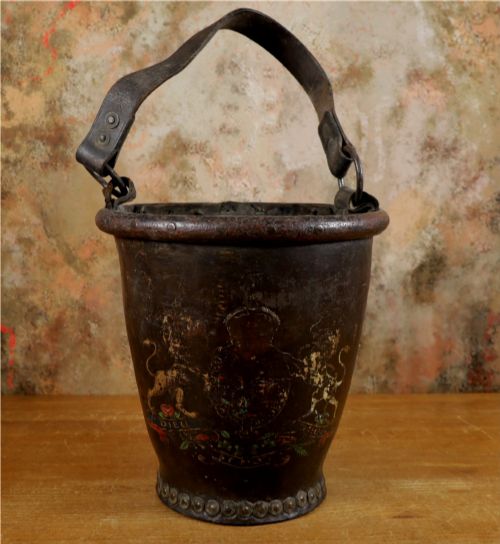
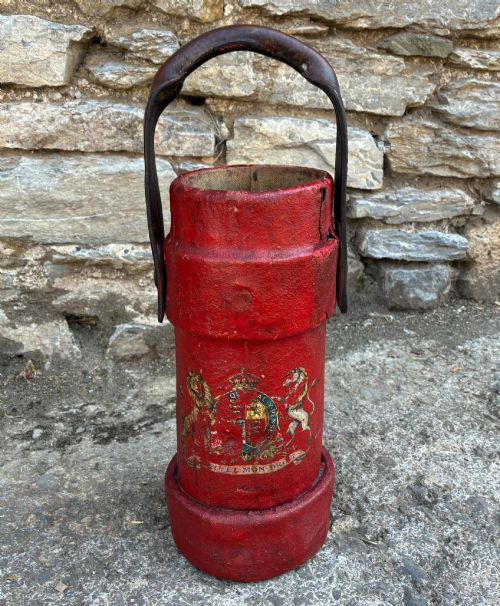
Cast iron architectural plaques and heavy fire buckets feature prominently on this page, alongside military trench art and commemorative embroidery. These items frequently display symbols such as the lion and unicorn, the Order of the Garter, or specific regimental badges.
Origins stretch across multiple eras, with Victorian and Georgian pieces appearing alongside early 20th-century military items. Wall plaques, mantel clocks, and ceremonial vessels dominate the current forms available to collectors.
Materials and construction methods
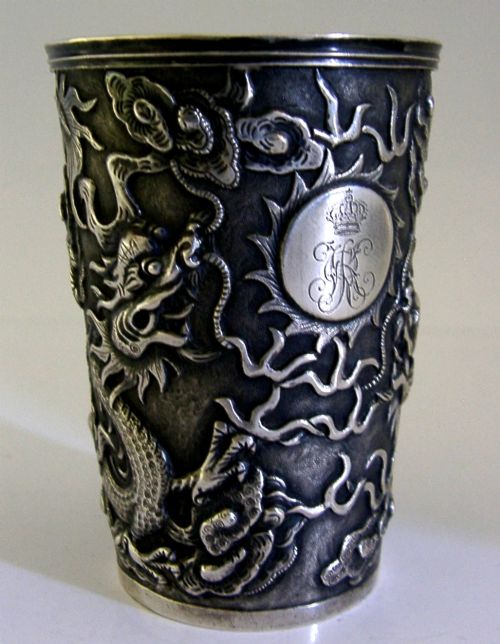
Metalwork forms the backbone of these pieces, utilising durable brass, heavy cast iron, and bronze for structural plaques, ships' badges, and safe fronts. These metallic items often employ casting and detailed hand-engraving to render heraldic lines crisp and legible.
Organic materials such as oak, leather, and textiles appear frequently in functional and commemorative objects like fire buckets and framed embroideries. Wood and leather provide robust bases for studded armorial panels and painted coats of arms.
Glass and ceramic items rely on skilful blowing, moulding, and fine gilding or enamel painting. Apothecary jars, rummers, and Coalport dinner plates demonstrate delicate surface decoration applied to vitrified bodies.
A brass safe plaque from London Fields sits alongside a gin barrel and a corkscrew, proving the crown's crest touched almost every corner of daily life.
Assessing quality in heraldic antiques
Quality rests in the crispness of the heraldic detail and the fidelity of the casting or carving. Superior examples exhibit sharp relief work on cast iron plaques and precise hand-painting on polychrome armorial crests.
The integrity of the material and the preservation of original surfaces dictate the desirability of a piece. Original gold leaf, untouched patination on bronze and brass, and intact stitching on leather fire buckets distinguish finer survivals from heavily restored items.
The Antique Royal Crest Glossary
- Armorial crest
- The upper part of a traditional coat of arms, often depicting a specific symbol or animal like a lion or unicorn. This motif appears frequently on military badges and decorative panels.
- Royal cypher
- The monogram of a reigning sovereign, combining initials and titles usually surmounted by a crown. Collectors find these stamped into metalwork or engraved on glass and silver.
- Cordite bucket
- A specialised naval or military container designed to safely transport explosive propellants. Surviving examples often feature stamped military markings or crests.
- Trench art
- Decorative or utilitarian items fashioned by soldiers from war debris, such as shell cases. Pieces often incorporate engraved regimental crests or patriotic motifs.
Antique Royal Crest: Frequently Asked Questions
How do I date a cast iron royal crest?
Dating cast iron crests relies on stylistic analysis of the heraldic design, the specific royal cypher present, and the physical characteristics of the metal casting. Comparing the crown style to known historical periods helps narrow down the decade of manufacture.
Makers' marks, registration numbers, or associated backplates also provide crucial clues. Examining the rear of the casting reveals clues about manufacturing techniques used in Victorian or Georgian foundries.
What were leather fire buckets used for?
Leather fire buckets served as essential firefighting equipment in public buildings, ships, and large estates before the advent of modern mains water systems. Teams would pass them in a line to douse flames using local water sources.
Stamped armorial crests or painted coats of arms identified the specific institution, regiment, or royal property they belonged to. Today, their robust leather construction and historical insignia make them sought-after decorative antiques.
How do I clean antique brass and bronze crests?
Cleaning antique brass and bronze requires minimal intervention to preserve the natural historic patina that collectors value. Dusting with a soft brush and wiping with a dry cloth is usually sufficient for regular maintenance.
Harsh chemical polishes should be strictly avoided because they strip away desirable age-related oxidation. If cleaning is essential, consult a professional conservator to protect delicate surface details.
Where were wall plaques originally displayed?
Large cast iron and bronze royal crest wall plaques were typically mounted on government buildings, railway stations, military messes, and law courts. They served as official symbols of state authority and institutional identity.
Smaller plaques and badges originated from ships, safes, or ceremonial spaces. Their relocation into domestic interiors follows a long tradition of collecting institutional and heraldic history.