



Edwardian Coat Arms
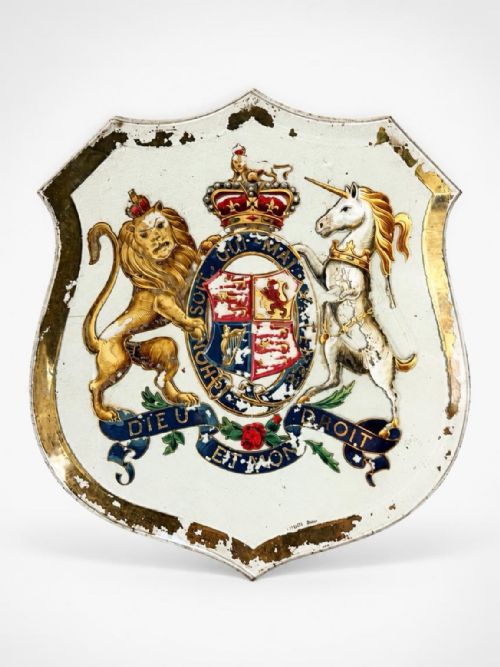
These edwardian coat arms and related heraldic works bring centuries of insignia, lineage, and official emblem directly onto the wall.
Edwardian Coat Arms
When buyers search for edwardian coat arms, they encounter a diverse selection of heraldic wall plaques, painted canvas works, and cast iron emblems. These objects represent official authority, military heritage, and familial lineage spanning the Victorian era through the early twentieth century.
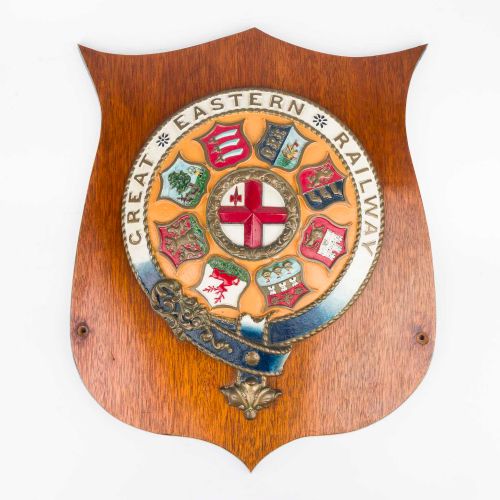
The versions most frequently met on this page include cast iron royal coats of arms, framed heraldic wall shield plaques, and railway crests. Pieces range from the nineteenth century into the 1940s, capturing distinct periods of craftsmanship and institutional pride.
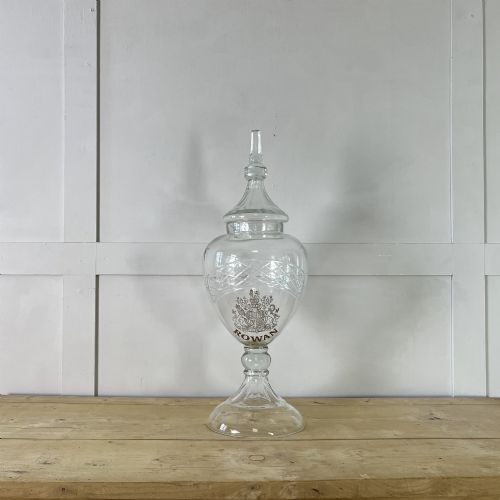
Beyond standard plaques, the selection encompasses related items such as hall chairs, apothecary jars, and clan genealogies. Each piece carries a specific historical narrative, whether tied to royal warrants, railway companies, or specific family histories.
How they were made
Many of the heavier heraldic pieces utilise cast iron, moulded and cast to capture sharp sculptural detail in relief. Other works employ painted canvas, wood, and gilded metal to highlight traditional heraldic colours and insignia.
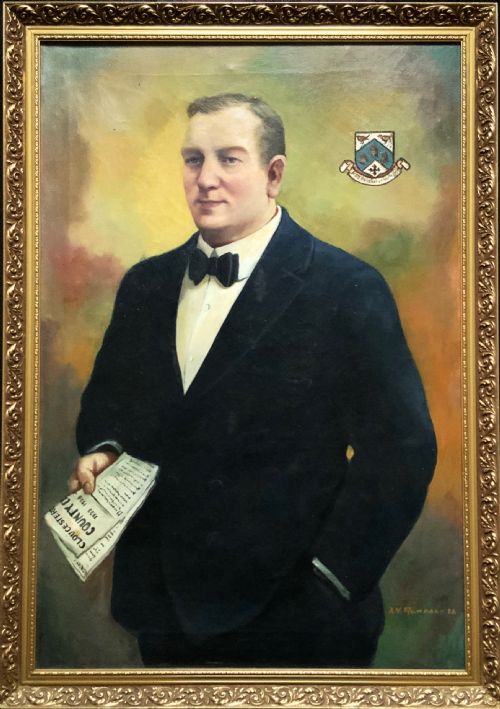
Framed pieces incorporate traditional materials such as mahogany and oak to house canvas paintings, portraits, and genealogical charts. Skilled hands applied paint, gilt, and protective finishes to ensure these crests and portraits endured over decades of display.
Edwardian Coat Arms Retail Price Guide 2026
Typical asking prices for edwardian coat arms among the pieces listed under this phrase on Sellingantiques today, from the lower quarter to the upper quarter. They describe what is for sale here now, not the wider market.
A cast iron crest once overseeing a railway network now supervises quiet domestic hallways instead.
What varies in quality
The distinction between ordinary and superior pieces lies in the crispness of the casting and the fidelity of the heraldic painting. Finer examples display meticulous brushwork, precise lettering, and robust structural integrity in their ironwork or wooden frames.
Patina and surface preservation also dictate quality, as original painted and gilded surfaces command greater interest than later overpainting. The depth of historical association, from recognised railway companies to royal warrants, elevates the standing of individual pieces.
The Edwardian Coat Arms Glossary
- Coat of arms
- A distinct heraldic design on a shield, surcoat, or tabard, historically used to identify noble families, institutions, and monarchs.
- Royal warrant
- An official document recognising a supplier of goods or services to a royal court, often displayed alongside the royal coat of arms.
- Heraldic crest
- The upper component of a complete coat of arms, traditionally mounted on top of a helm or coronet.
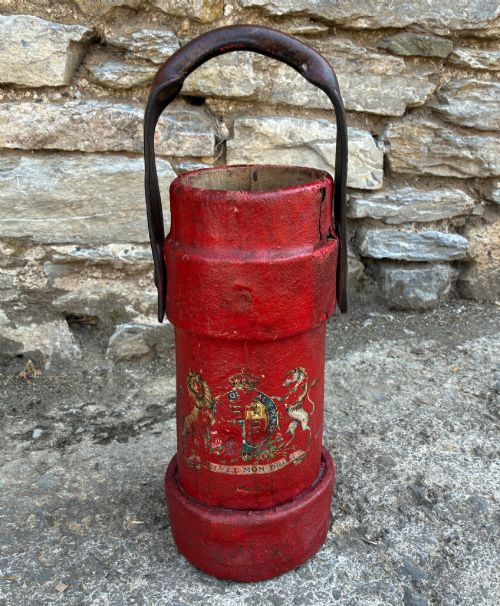
- Cordite bucket
- A metal container originally utilised aboard naval vessels or in military installations for storing propellant charges safely.
Edwardian Coat Arms: Frequently Asked Questions
What periods do these pieces span?
The selection encompasses objects from the nineteenth century through the Edwardian era and into the mid twentieth century. Dates span from Victorian beginnings up to the 1940s.
This broad chronological spread allows collectors to find pieces representing distinct historical eras of British craftsmanship and institutional design.
How were cast iron coats of arms used?
Heavy cast iron coats of arms were typically mounted on public buildings, railway stations, government offices, or military establishments to display official authority.
Today, these robust metal plaques serve primarily as striking interior or exterior wall art for collectors of heraldry and militaria.
Where should I hang a heraldic wall plaque?
These substantial plaques and framed works require a secure wall fixing due to materials like cast iron, oak, and mahogany. They suit studies, hallways, or libraries where their institutional history can be fully appreciated.
Pairing them with period furniture enhances their visual impact within a traditional interior space.
What materials are most common?
The listings feature a robust mix of cast iron, painted canvas, mahogany, oak, tin, and gilded metal. Each material reflects the practical and decorative requirements of its specific period.
From heavy metal castings to delicate oil paintings on canvas, material choice dictates the character and weight of each item.