
Victorian Wall Crest
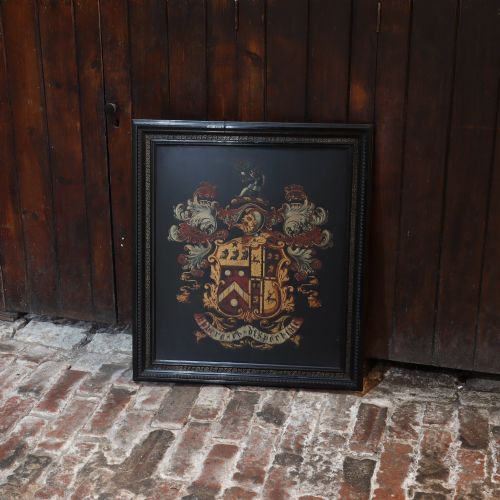
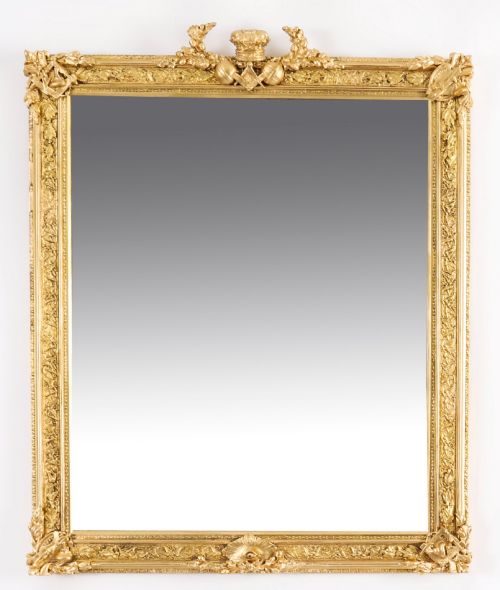
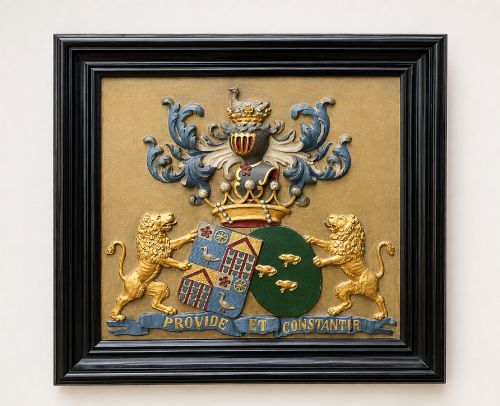
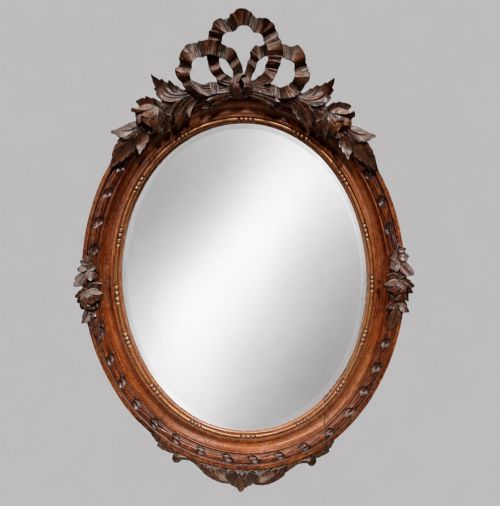
These pieces for victorian wall crest bring carved heraldry, gilded frames and architectural presence directly into a room.
Victorian Wall Crest
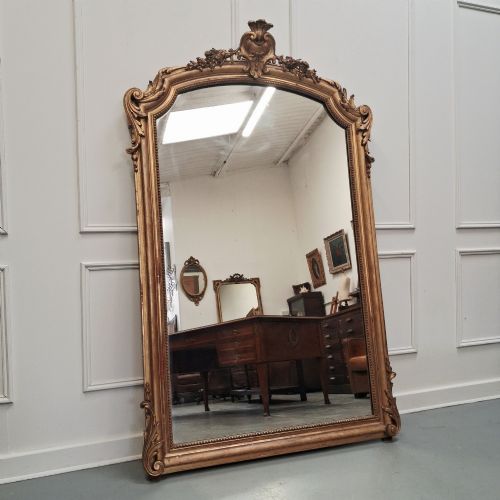
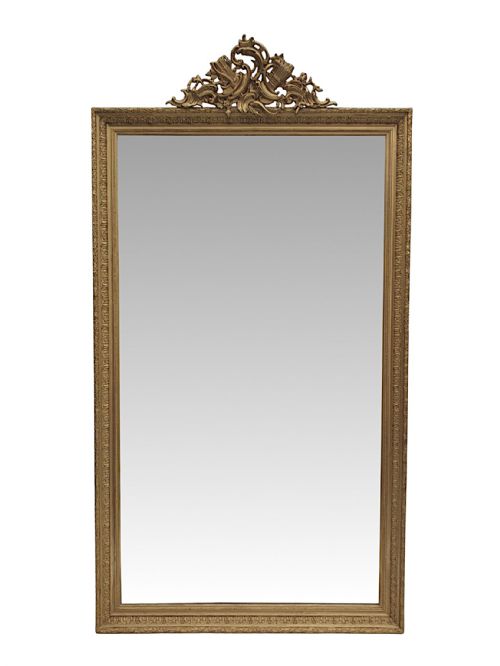
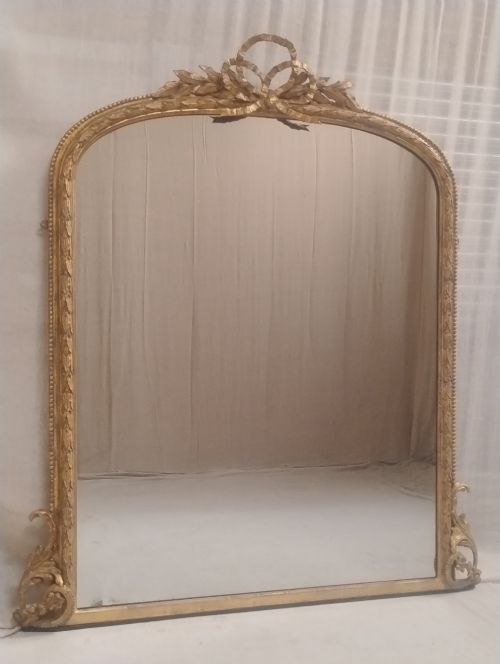
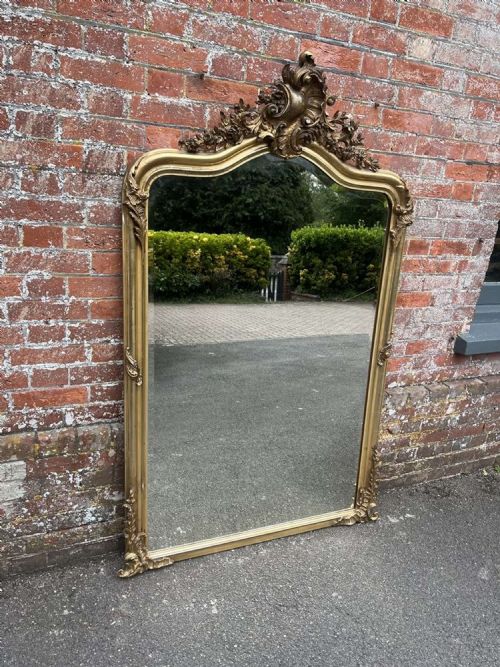
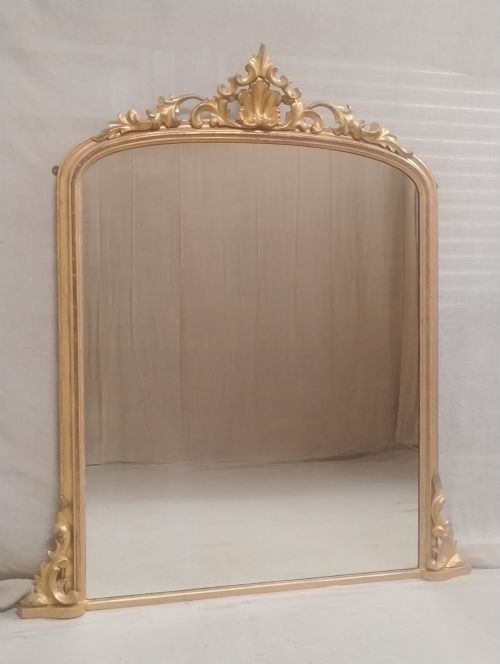
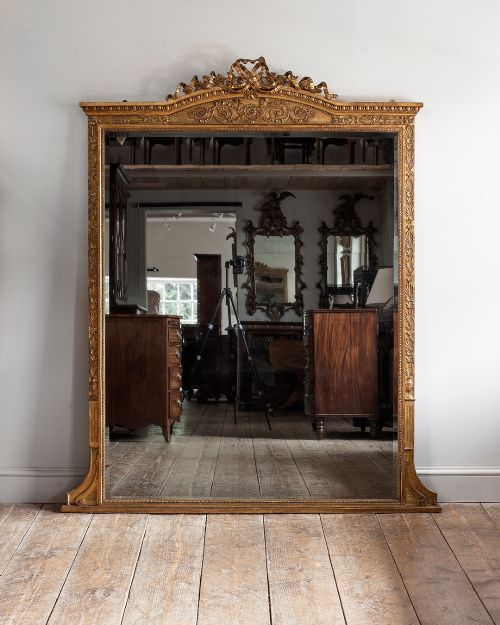
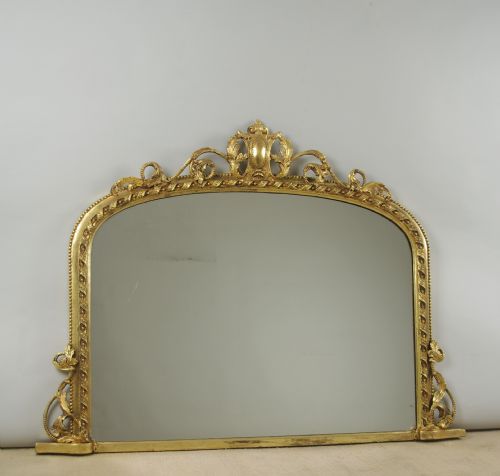
A victorian wall crest typically encompasses heraldic panels, carved coats of arms, and mirrors featuring prominent cresting or pediments. The selection draws heavily from nineteenth-century British and continental European traditions, manifesting as solid iron plaques, carved wood panels, and overmantel mirrors topped with specific motifs.
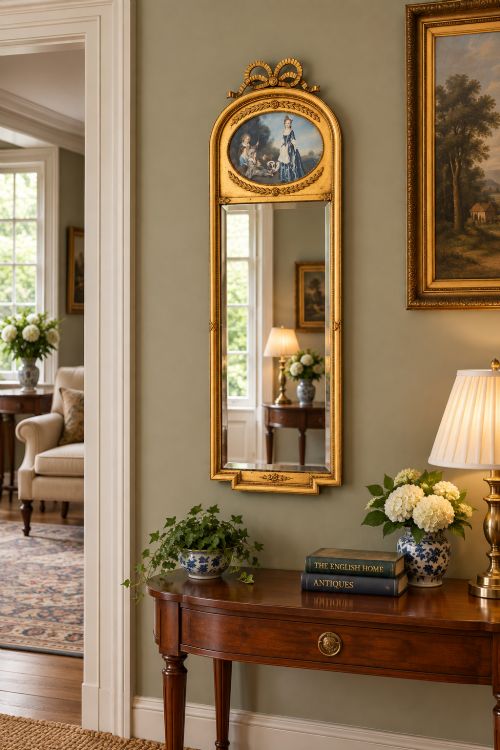
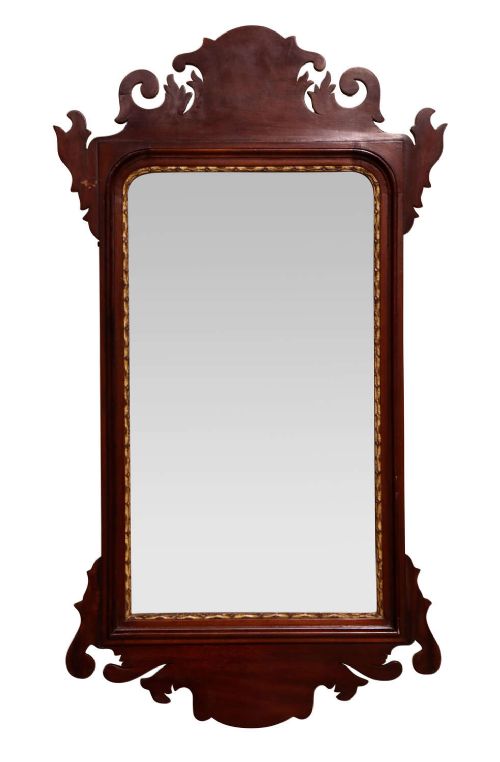
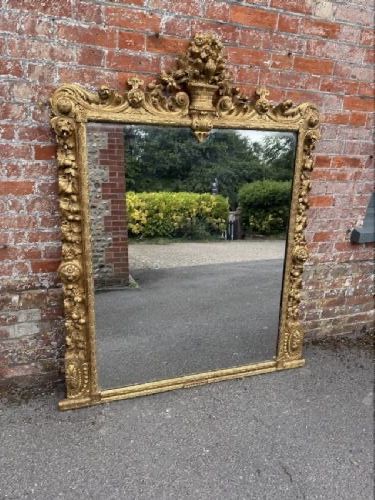
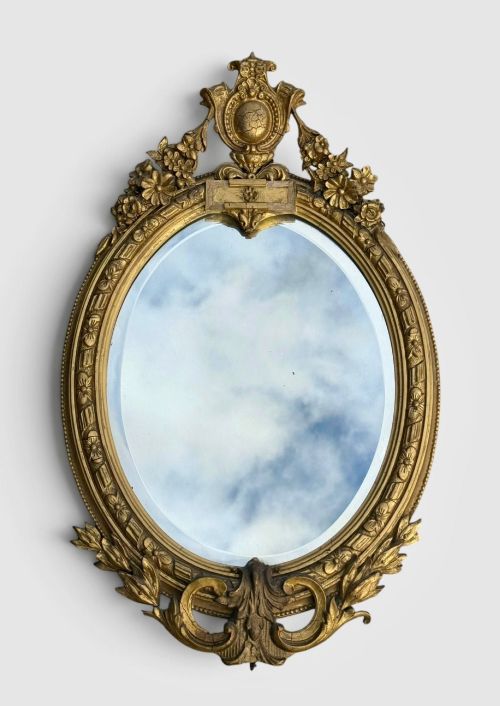
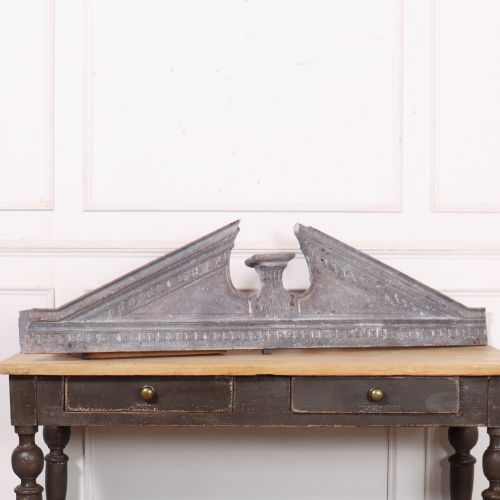
Buyers are most likely to encounter nineteenth-century gilt overmantel mirrors with ornate cresting, alongside dedicated heraldic wall plaques representing historical families and institutions. Mahogany pier mirrors, ebonised frames, and architectural pediments also populate this category, reflecting the period's taste for display and lineage.
How they were made
Wood forms the structural core of these items, with mahogany, oak, and carved timber providing the foundations for mirrors and architectural salvage. Carvers applied gesso over wood before gilding surfaces with gold leaf, creating the reflective, luminous finish seen on nineteenth-century frames.
Composition material frequently supplemented hand-carved wooden details, allowing makers to mould intricate swags, urns, and crests with speed and precision. Iron and bronze also appear in specific metal wall plaques, cast to display civic or organizational crests with lasting durability.
Listings feature items spanning the nineteenth century, including specific dated works from eighteen-fifty-two through to nineteen-hundred.
What varies in quality
The depth and sharpness of the hand-carving define the upper tier of these pieces, distinguishing crisp wooden foliage and heraldic detail from softer, moulded composition ornaments. Original gilding and untouched mirror glass with natural foxing retain greater character and authenticity than modern replacements.
Structural integrity and the retention of original cresting elements dictate overall merit. Pieces that retain their specific heraldic attribution or complex architectural pediments without later alterations stand apart from standard decorative mirrors.
The Victorian Wall Crest Glossary
- Gesso
- A plaster-like mixture applied to wood surfaces to prepare them for gilding or painting. It allows craftsmen to carve intricate relief details before applying gold leaf.
- Parcel-gilt
- Partially gilded woodwork where only specific carved details, highlights, or motifs are covered in gold leaf while the underlying wood or ebonised finish remains visible.
- Overmantel mirror
- A large mirror designed specifically to be hung on the wall directly above a fireplace mantelpiece. These often feature elaborate cresting or shaped tops characteristic of the nineteenth century.
- Cartouche
- An ornamental tablet or oval frame, often resembling a rolled-up scroll, used to display heraldic coats of arms, ciphers, or inscriptions. They appear centrally placed on significant mirrors and architectural panels.
- Pediment
- An architectural gable or crowning feature above a door, mirror, or piece of furniture. In this category, they often incorporate carved crests, shelves, or decorative urns.
Victorian Wall Crest: Frequently Asked Questions
What is a victorian wall crest?
A victorian wall crest refers to decorative items from the nineteenth century featuring heraldic coats of arms, family crests, or mirrors adorned with prominent decorative cresting at the top. These objects range from solid iron plaques representing railway companies and towns to intricately carved wooden panels and gilded overmantel mirrors.
They served as statements of identity, lineage, or civic pride during the nineteenth century, combining utility with distinct symbolic display. Today, they function primarily as striking focal points for interior walls.
How were these pieces used originally?
Heraldic plaques and carved coats of arms were displayed in public institutions, railway stations, and grand homes to signify authority, family heritage, or corporate identity. Mirrors with cresting and architectural pediments were positioned above fireplaces or in grand halls to reflect light and enhance the perceived space of a room.
Overdoor pediments and wall shelves were integrated directly into the architectural fabric of nineteenth-century interiors. They added a layer of formal dignity and structured ornamentation to domestic and civic buildings.
How do I hang a heavy gilt overmantel mirror?
Hanging large nineteenth-century mirrors and iron plaques requires locating secure wall studs or masonry anchors capable of supporting substantial weight. Using professional mirror plates or heavy-duty wire fixed securely to the wooden frame ensures the piece remains stable against the wall.
Due to the weight of gesso, wood, and thick mirror glass, professional installation is often recommended to protect both the wall and the antique frame. Ensuring the weight is distributed evenly across multiple fixing points prevents strain on the historic structure.
How can I tell the period of a wall crest?
Dating relies on examining the construction materials, the style of the carving, and the backing of the mirror or plaque. Nineteenth-century pieces frequently utilise hand-carved wood beneath gesso, combined with traditional joinery and older mirror glass that displays characteristic age spots.
Stylistic revivals, such as Chippendale or Neoclassical revivals popular during the Victorian era, provide additional clues through their specific decorative vocabulary. Comparing the heraldic subject or maker's recorded context helps narrow down the decade of production between eighteen-sixty and nineteen-hundred.