




Brown Oak Plaque
A brown oak plaque delivers rich grain and historic carving straight to a wall, offering centuries of woodworking skill in a compact form.
Brown Oak Plaque
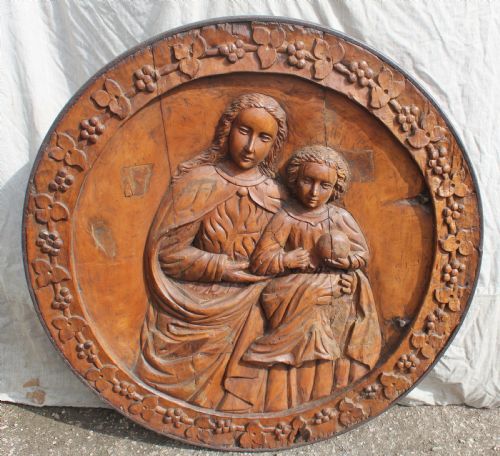
A brown oak plaque brings together architectural salvage, carved panels, and heraldic shields produced across multiple centuries. Buyers searching for this term encounter items ranging from medieval fragments to later revival pieces meant for display.
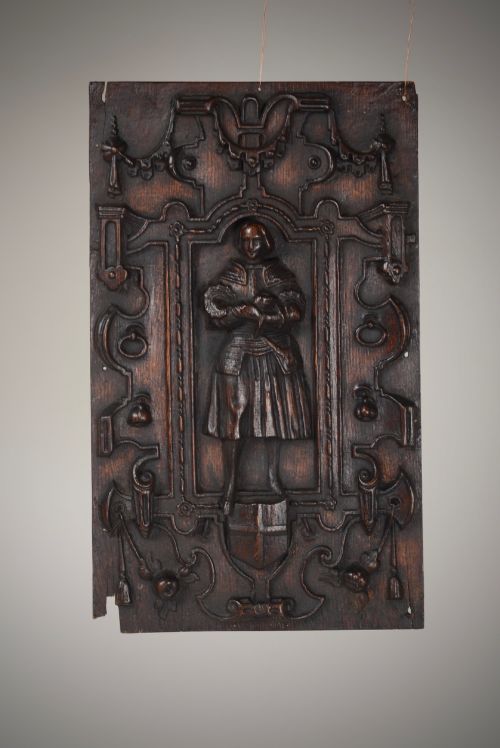
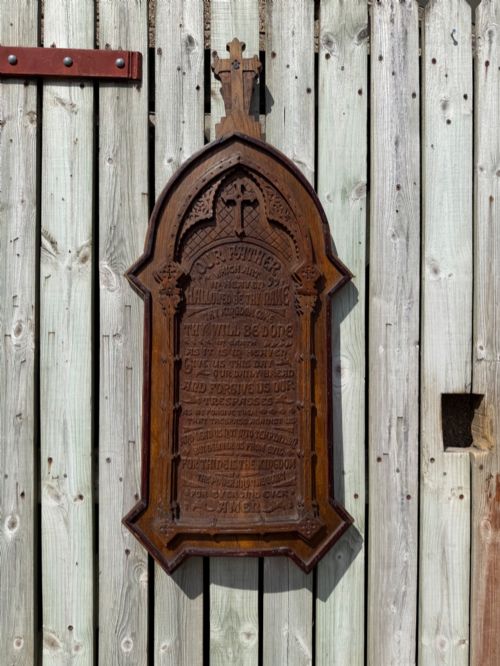
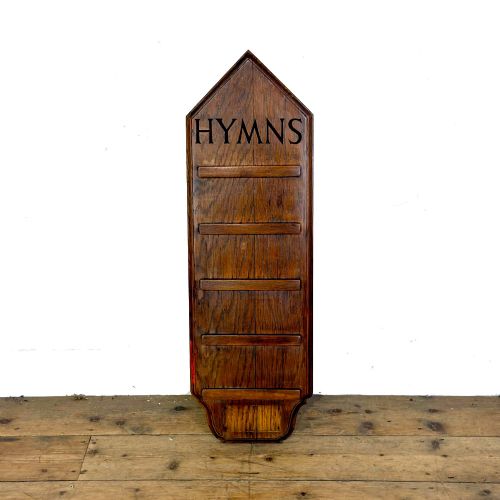
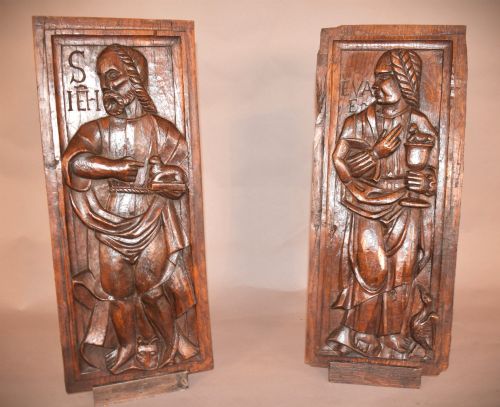
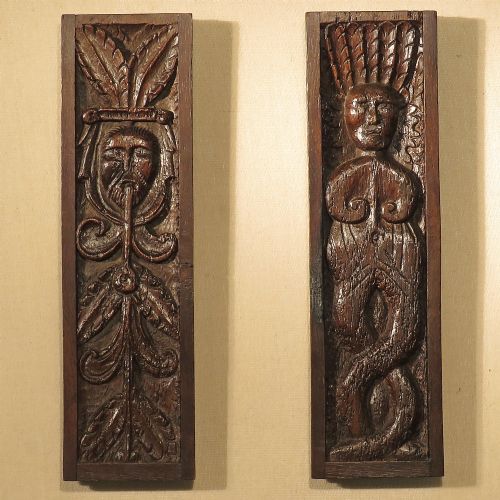
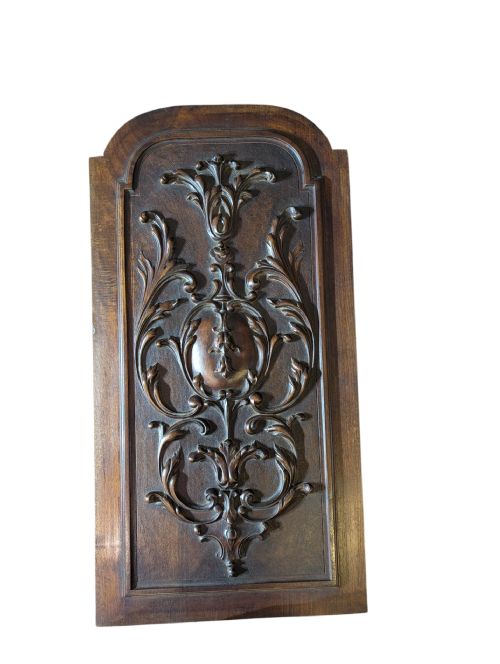
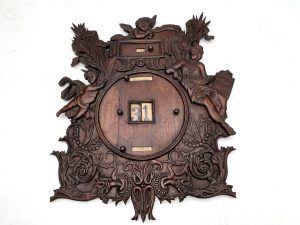
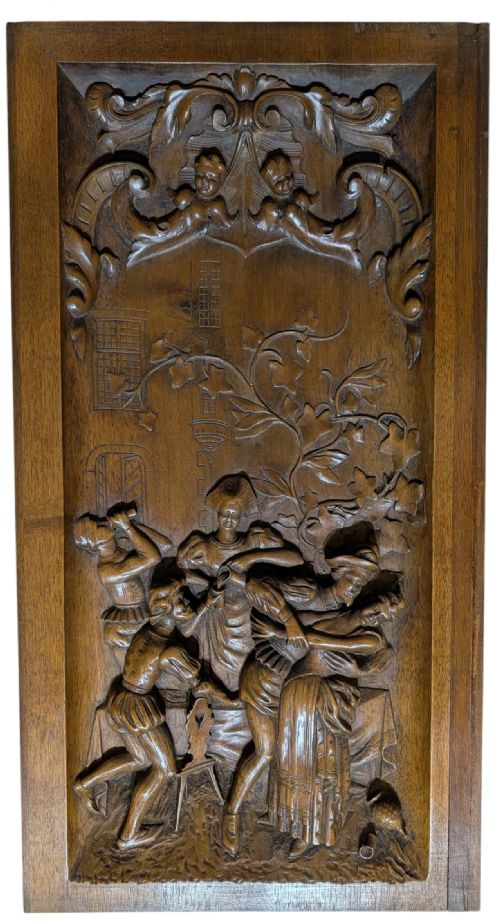
The selection on this page leans heavily toward carved wooden panels, wall plaques, and armorial shields created in oak, incorporating figures, foliage, and crests. Many pieces originate from domestic interiors, churches, or civic buildings.
Dated examples stretch from the sixteenth century through the nineteenth and twentieth centuries, showing shifts in taste from Gothic and Tudor styles to Baroque and Victorian designs. Each object serves as a tangible fragment of interior woodwork.
Materials and Techniques
Makers utilised solid timber, primarily oak, selected for its dense grain and durability in architectural settings. Carvers worked directly into the seasoned wood using gouges and chisels to create relief scenes, lettering, and decorative borders.
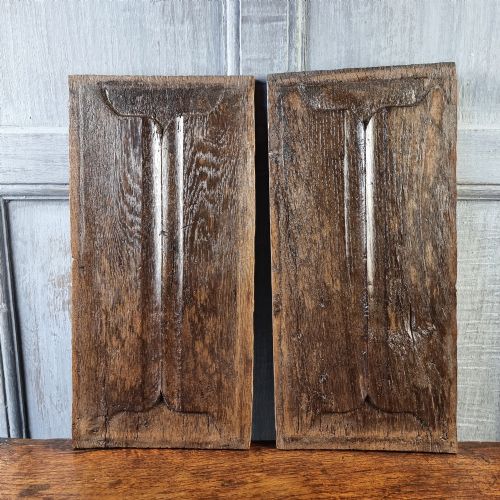
Surface treatments vary from bare polished wood to remnants of historic paint, natural hide, and metal mounts in brass. Joinery techniques like linenfold panels or pegged frames secure the carvings within architectural contexts.
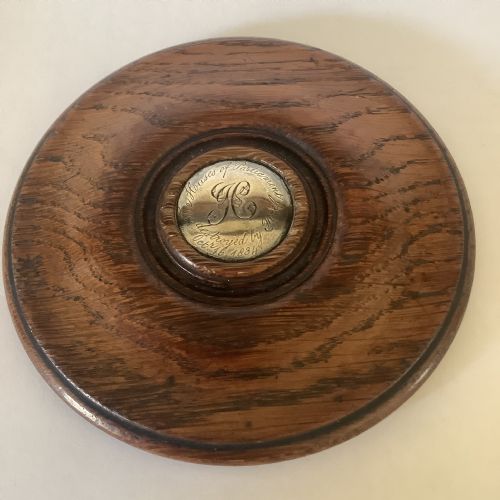
Among the wood and metal, an unexpected nineteenth-century survivor is a charred oak snuff box rescued from the great Houses of Parliament fire of 1834.
Assessing Quality
Quality rests on the depth and crispness of the carving, where confident handling of anatomy, drapery, and foliage separates masterwork from standard workshop production. A sharp, well-defined relief shows a deep understanding of the material.
The integrity of the timber and the survival of the original surface determine the historic value of a piece. Well-preserved edges and minimal later intervention preserve the character intended by the original maker.
Peter Spicer & Sons
The Brown Oak Plaque Glossary
- Relief
- Carving that projects from a flat background surface, varying in depth from shallow incisions to near-three-dimensional figures. This technique brings architectural panels and plaques to life under directional room lighting.
- Linenfold
- A style of wood panelling carved to resemble folded vertical sheets of linen fabric. It appears frequently on sixteenth-century domestic and ecclesiastical woodwork.
- Gothic Revival
- An architectural and decorative style inspired by medieval forms, popular during the nineteenth century. Pieces in this idiom utilise pointed arches, tracery, and heraldic motifs.
- Baroque
- An ornate European style characterised by dynamic movement, acanthus scrolls, and dramatic sculptural forms. It dominates seventeenth-century decorative carving.
- Architectural Salvage
- Building elements rescued from structures undergoing alteration or demolition. These fragments retain the physical texture of their original historic context.
Brown Oak Plaque: Frequently Asked Questions
How do I hang a heavy wooden plaque safely?
Most antique plaques require sturdy wall anchors matched to the weight of the timber and backing structure. Utilising existing bracket points or reinforced rear fixings protects the integrity of the antique wood.
Avoid relying on simple picture wire for heavy carved panels, as the vibration of a door can cause failure. Professional mirror plates screwed securely into the frame offer a reliable alternative.
What is the best way to clean carved oak?
Dust accumulated in the recesses of deep carvings should be removed gently using a soft, natural-bristle brush. Avoid modern chemical sprays and excessive moisture that might damage old wood and historic finishes.
A light application of microcrystalline wax can nourish dry timber and protect the surface from household humidity fluctuations, provided the piece has a clean, stable finish.
How can I tell a sixteenth-century panel from a later copy?
Early pieces display tool marks left by hand chisels, irregular grain patterns, and signs of shrinkage appropriate to centuries of ageing. Oak surfaces develop a deep, dry patina that modern mechanical reproduction struggles to replicate.
Examine the back of the panel for peg construction, hand-sawn board marks, and compatible wear. Consistency between the front carving style and the rear construction methods confirms the period.
Where were these plaques originally displayed?
Many historic carved plaques and panels originated as wall decorations inside manor houses, guildhalls, churches, and institutional buildings. Some served as architectural elements integrated into larger wood-panelled rooms or overmantels.
Others functioned as armorial shields or corporate presentation pieces displayed in reception areas and meeting rooms. Their migration to domestic wall decor happened across centuries of interior redesign.