



Gothic Revival Shield
These gothic revival shield pieces combine medieval heraldic form with nineteenth-century craftsmanship, offering striking wall decoration and distinctive period furniture for the home.
Gothic Revival Shield
The gothic revival shield search brings up a distinct selection of nineteenth-century decorative items and period furniture that draw upon medieval heraldry and architecture. Buyers searching this phrase typically encounter items fashioned directly in the shape of heraldic shields or incorporating shield motifs into larger designs.
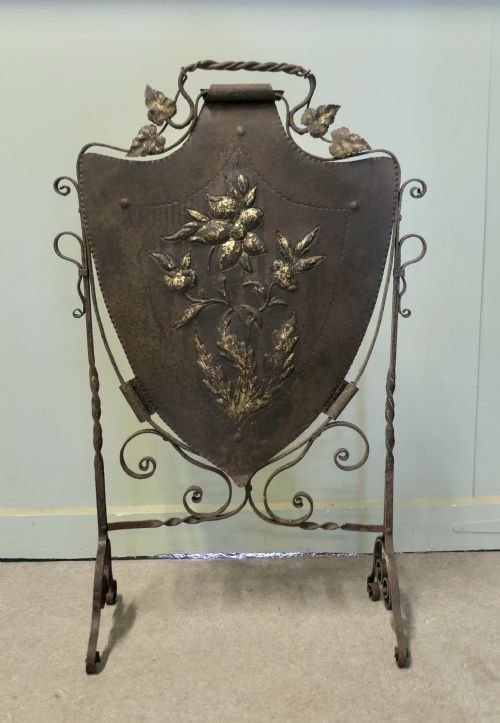
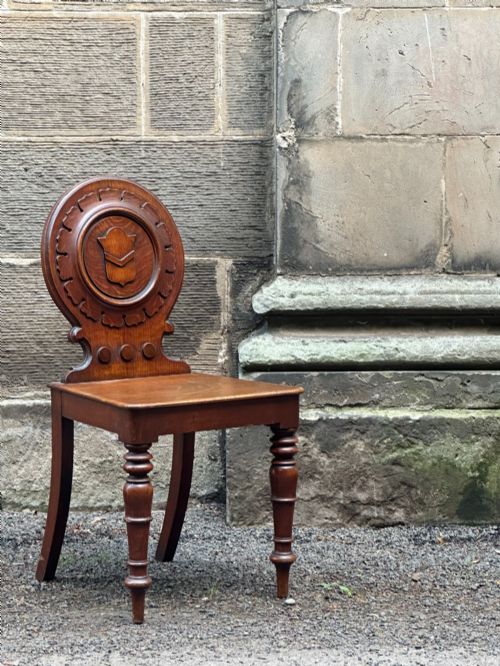
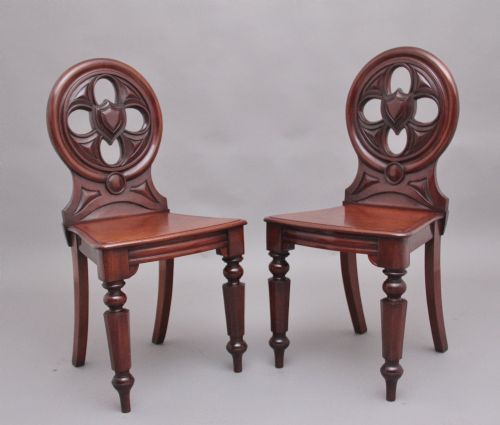
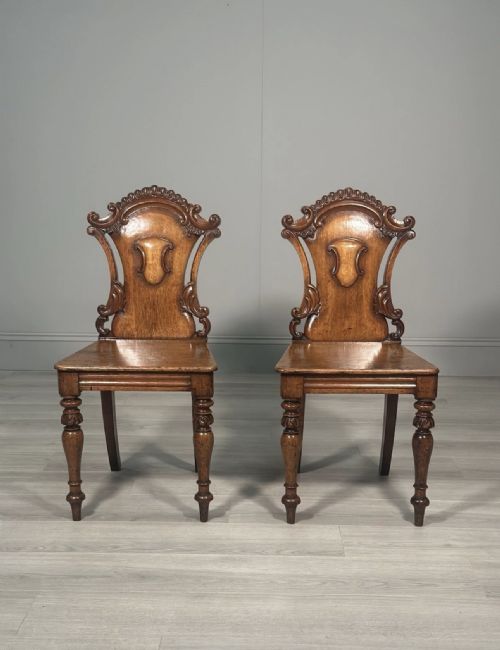
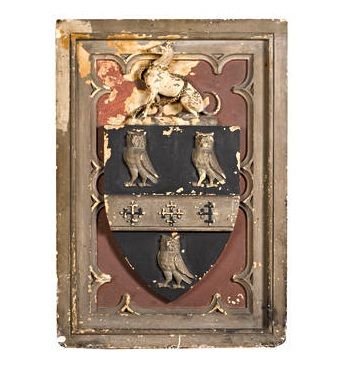
The objects listed on this page span several practical and decorative forms originating primarily from the nineteenth century and the Victorian era. These include wall plaques, fire screens, mirrors, and carved crests alongside seating furniture featuring heraldic shield carvings.
Originating largely from the nineteenth century, these pieces reflect the Victorian appetite for medievalism and architectural revival styles. Oak, mahogany, and walnut provide the structural foundation for carved plaques and chairs, whilst brass, iron, and steel define the metalwork items.
How they were made
Makers utilised solid timbers such as oak, mahogany, and walnut to construct carved plaques, mirror frames, and hall chairs. Woodcarvers shaped these materials into heraldic crests and lions, often employing tiger oak to achieve deep texture and pronounced grain patterns.
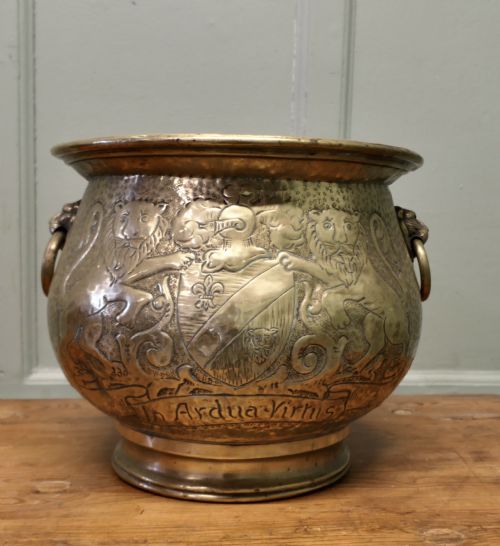
Metalworkers employed brass, wrought iron, and steel to produce fire screens, jardiniere mounts, and framed crests. These metallic elements combine rigidity with decorative detail, frequently integrating cast or chased surfaces alongside plain structural framing.
Gothic Revival Shield Retail Price Guide 2026
Typical asking prices for gothic revival shield among the pieces listed under this phrase on Sellingantiques today, from the lower quarter to the upper quarter. They describe what is for sale here now, not the wider market.
What varies in quality
The depth and crispness of the carving separate ordinary joinery from superior sculptural work on wooden plaques and chairs. Sharp contours in oak foliage and heraldic beasts indicate a practiced hand at the chisel.
Material selection and structural integrity define the higher tiers of these pieces. Dense tiger oak, substantial brass gauges, and well-fitted timber joints distinguish the more ambitious nineteenth-century commissions from simpler production.
Louis-François-Frémiet·Pugin
The Gothic Revival Shield Glossary
- Gothic Revival
- An architectural and decorative style drawing inspiration from medieval design, prevalent throughout the nineteenth century. It reinterprets pointed arches, tracery, and heraldry in domestic furnishings.
- Heraldic Lion
- A traditional symbolic beast depicted in medieval coat of arms, frequently carved into wood or cast in metal during the nineteenth century. This motif appears centrally on armorial panels and shield crests.
- Jardiniere
- An ornamental receptacle designed to hold plants or flowers, often constructed from brass and decorated with shield reliefs in nineteenth-century examples. These vessels stood in reception rooms and halls.
- Fire Screen
- A movable panel placed before a fireplace when not in use, sometimes taking the form of an iron or brass shield with adjustable positioning. These screens protected rooms from drafts and excessive heat.
- Armorial Panel
- A flat decorative display featuring a coat of arms or family crest, rendered in plaster, wood, or metal. These panels served as prominent interior wall decorations in Victorian homes.
Gothic Revival Shield: Frequently Asked Questions
How were shield fire screens used?
Shield fire screens stood before domestic fireplaces during warmer months when fires were unlit. They served to block drafts coming down the chimney and concealed the empty grate.
Victorian households utilised adjustable brass or iron screens to manage hearth aesthetics. The shield form added a decorative military motif to the domestic interior.
How do you date nineteenth-century pieces?
Dating nineteenth-century pieces relies on examining material composition, construction techniques, and stylistic markers. Oak and mahogany items from this period often display machine-sawn timber elements combined with hand finishing.
Design influences from the Victorian era or specific architects like Pugin help narrow the timeframe. Maker signatures or patent stamps also provide definitive chronological anchors.
Where should you place them?
These pieces suit entrance halls, libraries, and living spaces where historic architectural elements are present. Wall plaques and mirrors mount securely above mantelpieces or along primary corridor walls.
Free-standing items like hall chairs function practically while displaying heraldic carvings. Their strong vertical lines complement period interiors and eclectic gallery walls alike.