




Gothic Oak Wall Plaque
These gothic oak wall plaques bring rich architectural history into a room, offering deep carvings and centuries of craftsmanship.
Gothic Oak Wall Plaque
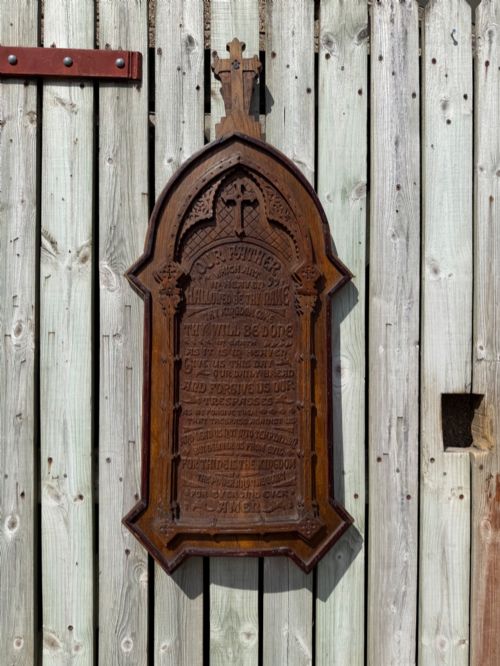
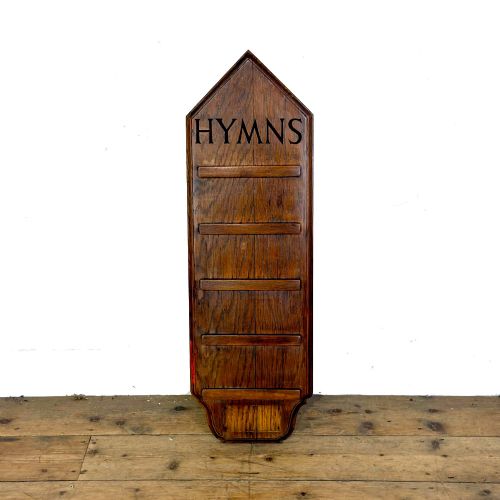
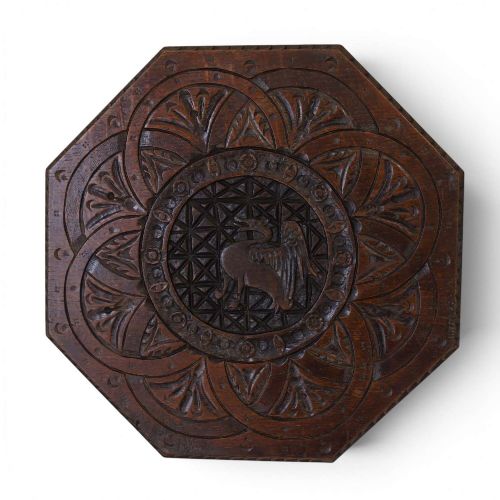
A gothic oak wall plaque is a carved wooden relief or panel designed to hang upon a wall, drawing on architectural and ecclesiastical motifs. The selection includes works from the 16th century through to the 19th century, featuring styles such as Gothic Revival, Tudor, and Flemish Renaissance.
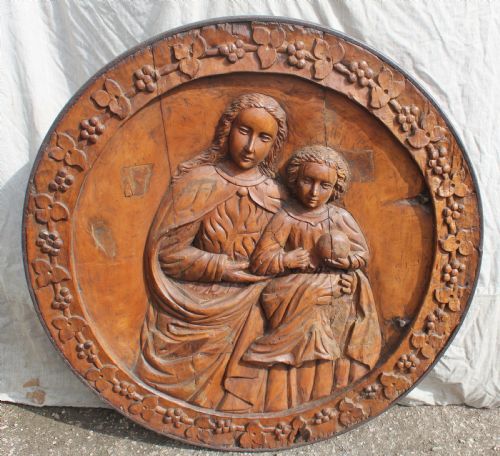
Buyers will encounter various forms in this category, ranging from heraldic lion shields and portrait plaques to repurposed architectural salvage and devotional panels. Oak is the primary medium, frequently paired with fruitwood or brass framing.
The assortment spans from early continental panels depicting biblical scenes to Victorian interpretations of Pugin designs. These pieces often originate from larger furnishings or buildings, later adapted for wall display.
Materials and Construction
The core material across these pieces is solid oak, sometimes specified as quarter-sawn or tiger oak, chosen for its durability and prominent grain. Carvers worked the timber using hand chisels and gouges to achieve deep relief work.
Secondary materials such as fruitwood provide tonal contrast in specific portrait plaques, while brass frames occasionally border 19th-century crests. Surfaces display the tool marks and patination expected of hand-worked historic timber.
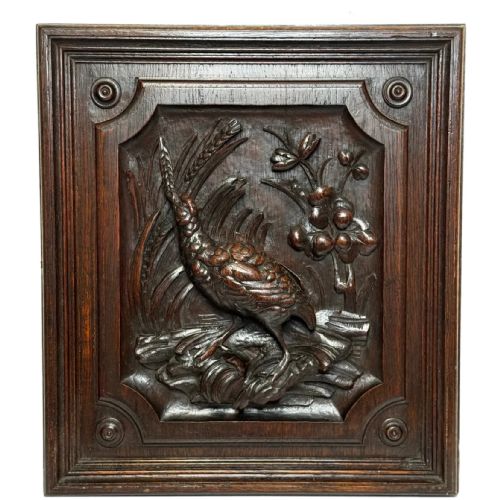
Colonel Sir Edward Massey shares shelf space here with a chicken thief and a carved lion mask.
Assessing Quality and Depth
Quality in these carvings rests upon the crispness of the chisel work and the depth of the relief. Finer examples display detailed facial expressions, intricate drapery, and well-proportioned architectural framing.
The integrity of the timber and the honesty of the preservation also separate pieces. Panels that retain their original surface patination and uncompromised structural form stand out against heavily restored or altered examples.
The Gothic Oak Wall Plaque Glossary
- Linenfold
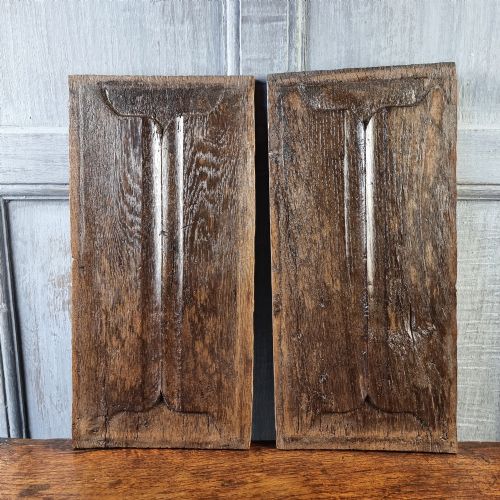
- A style of wood carving that mimics folded fabric or linen, commonly seen on 16th-century panels. It provides a textured surface with simple vertical folds.
- Quarter-sawn oak
- Timber cut radially from the log, producing a distinct grain pattern known as medullary rays. This cut offers increased stability and an attractive figure.
- Gothic Revival
- An architectural and decorative style popular in the 19th century that revives medieval gothic forms. It incorporates pointed arches, trefoils, and heraldic motifs.
- Architectural salvage
- Building elements rescued from structures undergoing demolition or alteration. These pieces are often repurposed as decorative wall art.
- Relief
- A sculptural technique where figures or designs project from a flat background. High relief elements stand out boldly from the wood plane.
Gothic Oak Wall Plaque: Frequently Asked Questions
How do I hang a heavy wooden wall plaque safely?
Most heavy oak panels require secure fixing directly into wall studs or the use of heavy-duty mirror plates screwed into the rear frame. Weight distribution must be calculated carefully before mounting older timber.
Professional installation is recommended for larger architectural salvage pieces to ensure the wall structure can support the sustained load without shifting.
How do I clean and care for antique oak carvings?
Dust the carvings gently with a soft, dry brush to remove particles from deep recesses without disturbing the wax or patination. Avoid using water, modern polishes, or chemical cleaners on historic wood.
Maintain stable humidity levels in the room to prevent the oak from drying out, cracking, or warping over seasonal changes.
What is the difference between a panel and a plaque?
A panel typically originates as part of a larger structure, such as wall wainscoting, furniture, or a chest front, before being framed for display. A plaque is often conceived and carved specifically as an independent decorative object.
Both forms share similar sculptural techniques and historical motifs, but their original functions differ within historic interiors.
How can I tell the difference between 16th and 19th-century pieces?
Sixteenth-century panels often display hand-hewn tool marks, dense wear patterns, and regional continental carving styles associated with Flemish or Tudor workshops. Nineteenth-century pieces frequently reflect a self-conscious Gothic Revival aesthetic, such as Pugin designs.
Examining the back of the wood, joinery methods, and the type of saw marks helps establish the likely period of manufacture.