


Victorian Urn Planter
These robust victorian urn planter designs bring formal nineteenth-century gravitas directly to garden terraces and interior spaces alike.
Victorian Urn Planter
A victorian urn planter serves as a traditional vessel for displaying garden flora, drawing upon centuries of classical design to anchor herbaceous borders and patio displays. Buyers searching this phrase will find a heavy emphasis on nineteenth-century examples shaped by classical revivalism and utilitarian garden needs.
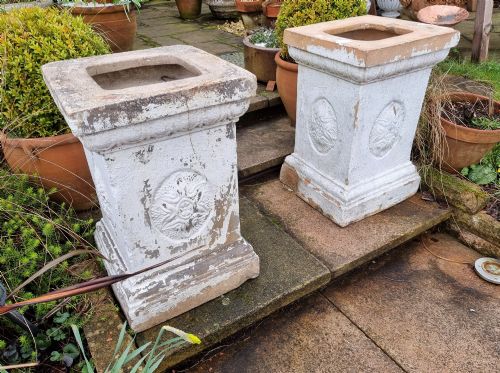
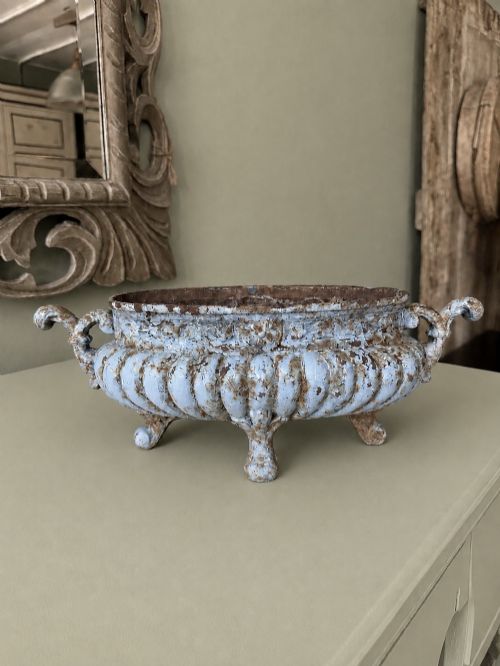
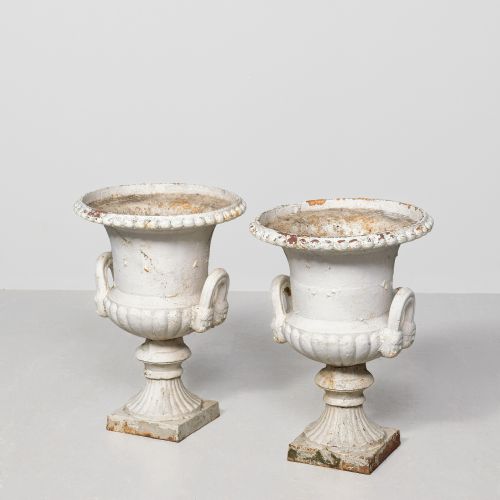
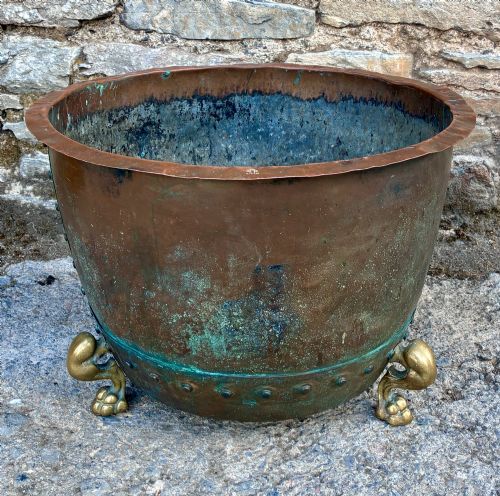
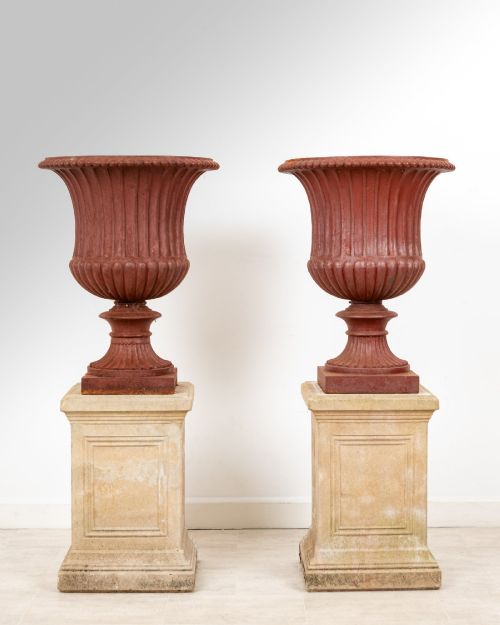
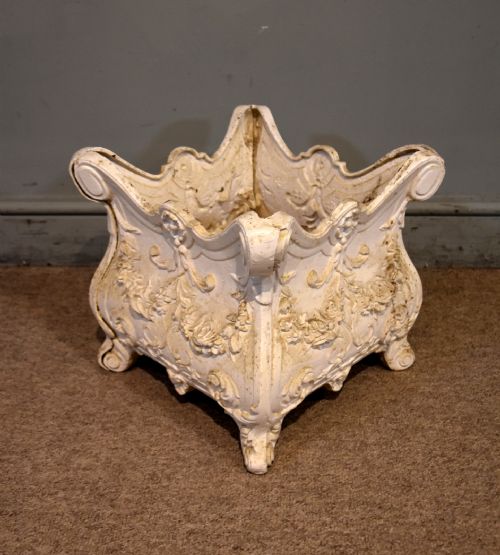
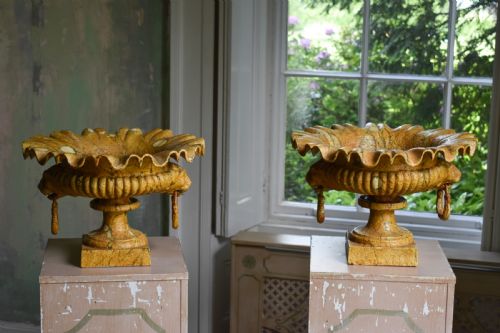
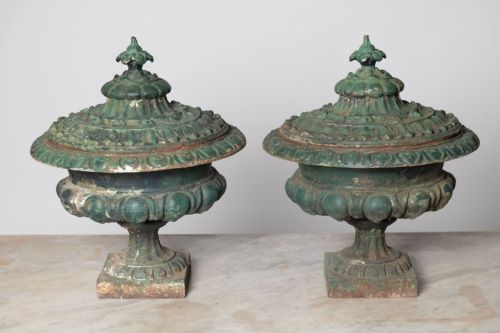
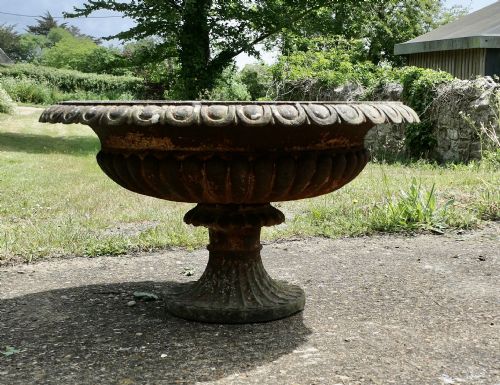
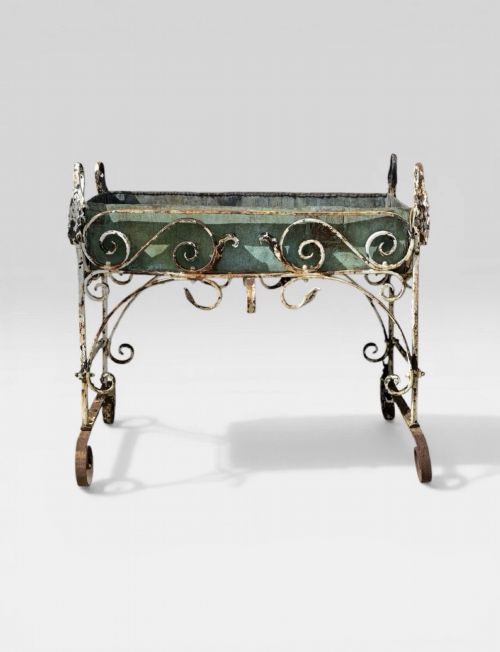
The most common forms on this page include cast iron campana shapes, terracotta vessels, and riveted metal pots often mounted on matching stone or iron pedestals. These pieces range from modest tabletop jardiniere versions to monumental garden ornaments intended to stand permanently out of doors.
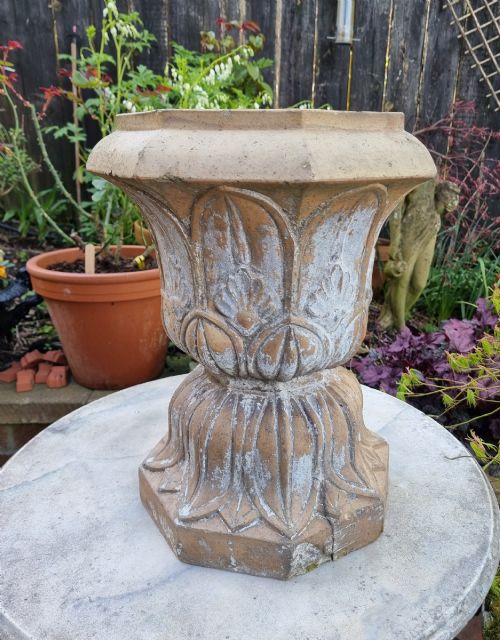
Origins stretch across British, French, and Scottish foundries and potteries, reflecting the industrial capacity of the period alongside domestic handcraft. Pieces frequently incorporate classical motifs such as acanthus leaves or simple fluting to bridge the gap between architecture and horticulture.
Materials and Manufacture
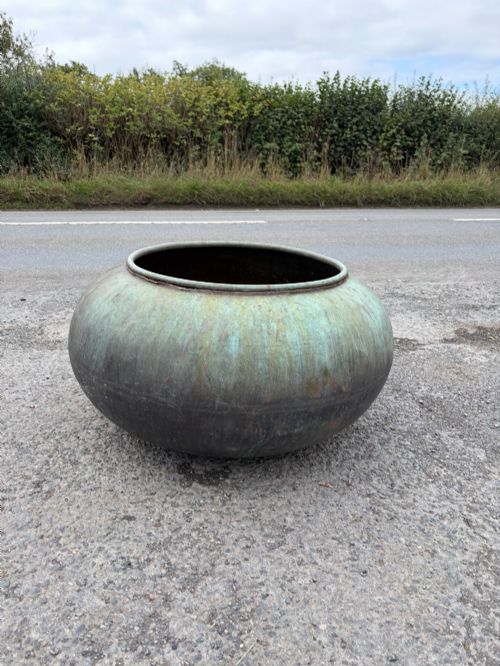
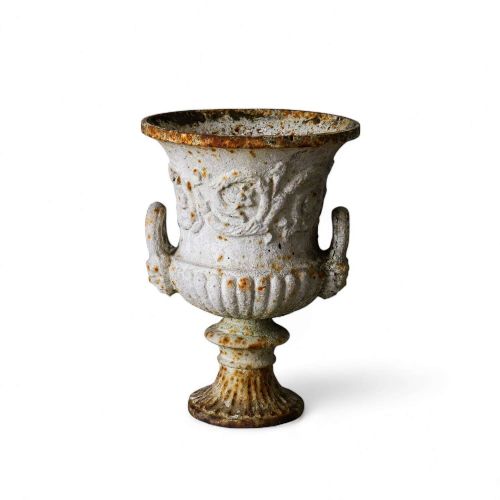
Cast iron production dominates the selection, shaped in foundry moulds to create crisp classical lines and durable garden vessels that weather over decades. Metalwork often relies on traditional joining methods, such as riveting sheet copper and brass or utilising wrought iron for structural integrity.
Terracotta, salt-glazed stoneware, and soft stone represent the ceramic and mineral traditions of the era, shaped by local potters and specialised clay companies. Glazes, paint layers, and natural oxidation create the patinated surfaces found on surviving examples today.
Form variations range from monumental campana garden urns on stone plinths to small tabletop table urns and indoor jardiniere stands.
Judging Quality and Execution
Quality in a victorian urn planter reveals itself in the crispness of the casting and the depth of relief ornament, where finer pieces retain sharp botanical or classical details. Heavier metal gauge and substantial ceramic walls indicate superior substance, while lighter pressed metal versions offer a more delicate profile.
The integrity of the surface finish and the preservation of original pedestals or lids significantly elevate a piece above standard utilitarian garden stock. Surviving manufacturer stamps or foundry marks provide historical weight and confirm authentic period production.
Dunfermline Clay Company·Coalbrookdale·Andrew Handyside·Val D'Osne Foundry·Royal Doulton
The Victorian Urn Planter Glossary
- Campana
- A bell-shaped garden urn featuring a flaring rim and a tapering body, frequently mounted on a square plinth. This classical form remains a staple of nineteenth-century garden ornament.
- Jardiniere
- An ornamental pot or stand designed to hold growing plants or flowers, usually intended for interior display or sheltered verandas. These objects appear in ceramic, brass, and carved wood.
- Salt Glaze
- A glossy, slightly textured finish achieved by throwing common salt into the kiln during high-temperature ceramic firing. This technique creates a durable, weather-resistant surface on nineteenth-century stoneware.
- Faux Bois
- A decorative technique mimicking natural wood grain, often rendered in durable terracotta or cement for garden furnishings. This style reflects nineteenth-century rustic tastes.
- Plinth
- A heavy rectangular or square base supporting an urn or pedestal. It raises the vessel to improve sightlines in a garden scheme.
Victorian Urn Planter: Frequently Asked Questions
Can cast iron urns stay outside all winter?
Cast iron handles frost remarkably well, though prolonged standing water inside a freezing vessel can create structural stress over time.
Ensure adequate drainage holes remain clear and elevate the base slightly off frozen ground during the coldest months to protect the metal.
How do I date a nineteenth-century garden urn?
Examine the casting seams, surface patina, and any visible foundry marks or registration numbers stamped into the metal or clay. Heavier ornamentation and neoclassical styling typically point toward the middle and late decades of the nineteenth century.
Matching pedestals and original painted surfaces also help confirm the era of manufacture.
Where should I place a heavy stone or iron planter?
Position these substantial pieces on firm, level foundations such as stone paving, reinforced gravel, or dedicated garden terraces to prevent sinking. Their considerable weight requires stable ground once filled with soil and plants.
Consider sightlines from interior windows so the urn acts as a focal point throughout the year.
How do I clean an antique copper or brass planter?
Remove surface dust and loose debris with a soft brush, preserving the aged patina rather than aiming for a bright polished shine. Aggressive chemical cleaners strip away the historical oxidation that collectors value.
Wash gently with mild soap and warm water if indoor display requires removing accumulated grime.