



Traditional Brass Urn
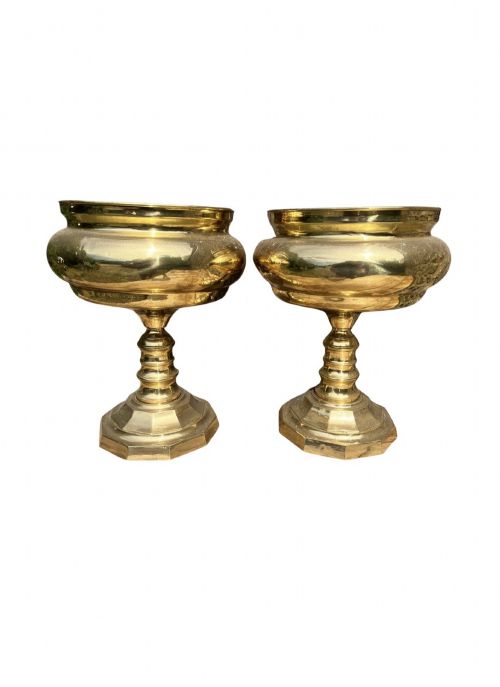
Traditional brass urn describes the vessels and tea urns shaped by nineteenth and eighteenth century metalworkers for domestic display and service.
Traditional Brass Urn
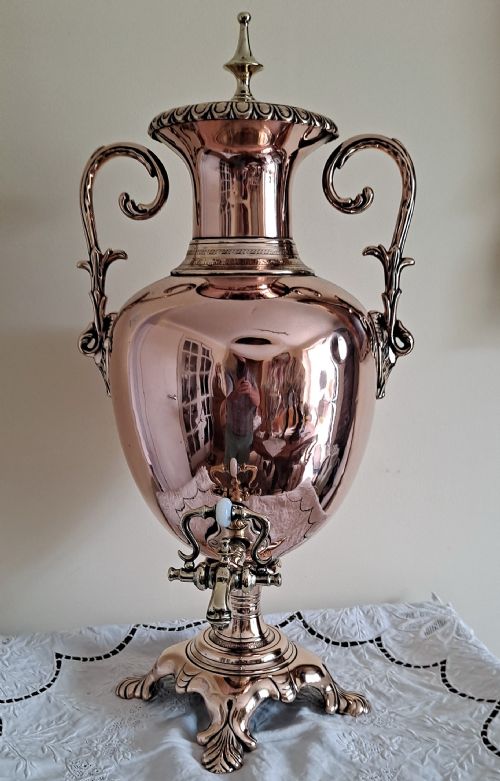
A search for a traditional brass urn brings up metal vessels, samovars, and tea urns originating mainly from the Victorian and Edwardian eras. These objects combine practical nineteenth century heating functions with decorative metalwork.
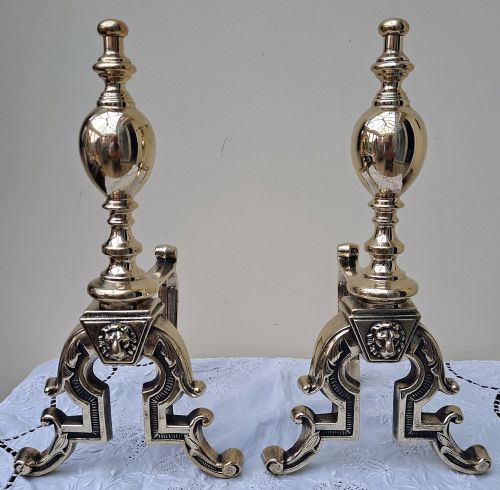
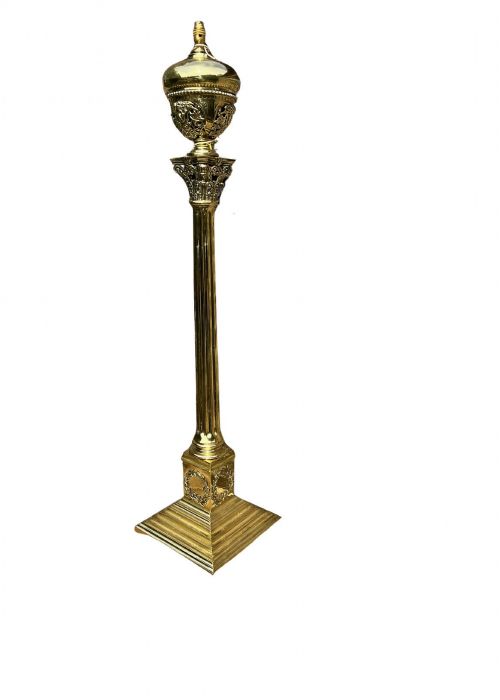
Most examples found on this page date from the nineteenth century, alongside a smaller number of eighteenth century items and Edwardian pieces. Formats span tea urns, samovars, kettles, and related fireplace accessories.
Makers utilised brass and copper frequently, sometimes pairing them with ceramic, iron, and enamel elements. The resulting items reflect Victorian, Georgian, and Classical Revival design influences.
What varies in quality
Quality rests in the weight of the metal and the crispness of the cast mounts and handles. Thicker brass and copper retain their structural integrity better over generations of use.
Detailing on spigots, feet, and handles distinguishes standard domestic items from finer decorative examples. The integration of secondary materials like enamel or ceramic also indicates the maker's ambition.
Victorian households expected these gleaming metal urns to anchor tea service while quietly enduring the heat of internal charcoal chimneys.
The Traditional Brass Urn Glossary
- Samovar
- A heated metal urn traditionally used to boil water for tea in Russian and European households. These vessels typically feature an internal central tube for charcoal heating.
- Tea urn
- A large standing vessel designed for holding and dispensing hot water or tea at social gatherings. They often incorporate brass spigots and wooden insulated handles.
- Cast brass
- Molten brass poured into moulds to create solid decorative mounts, handles, and feet. This technique allowed makers to achieve intricate classical relief patterns.
- Neoclassical
- A design style drawing inspiration from classical antiquity, featuring symmetrical forms, urn motifs, and restrained ornamentation. It appears frequently on nineteenth century metalwork.
- Patina
- The surface sheen and colour developed on brass and copper over decades of exposure to air and handling. Collectors value a natural, undisturbed patina for its historical depth.
Traditional Brass Urn: Frequently Asked Questions
What is a traditional brass urn used for?
These vessels historically served to heat and dispense water for tea, functioning as decorative centerpieces in formal rooms.
Today, collectors primarily display them as decorative objects or repurpose specific forms for interior styling.
How do I date a brass urn?
Dating relies on observing manufacturing techniques, maker marks, and stylistic clues such as Victorian or Georgian design motifs.
Heavier cast components and hand-finished seams generally point to nineteenth century or earlier production periods.
How do I care for antique brass?
Maintenance involves gentle dusting and occasional cleaning with non-abrasive cloths to preserve the existing surface metal.
Harsh chemical polishes should be avoided to protect the authentic historical patina accumulated over generations.
Are brass samovars and tea urns different?
Samovars specifically feature an internal heating chimney for fuel, whereas traditional tea urns often rely on external heat sources or simply hold pre-heated water.
Both forms utilise brass and copper construction with spigots for dispensing.