
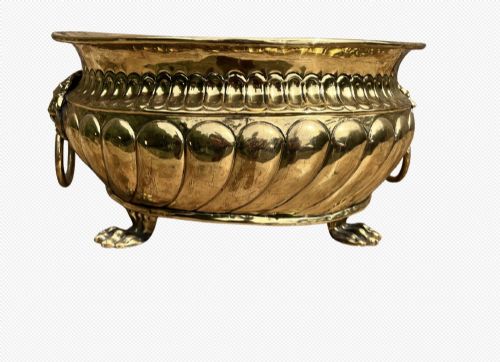


Gold Metal Cachepot
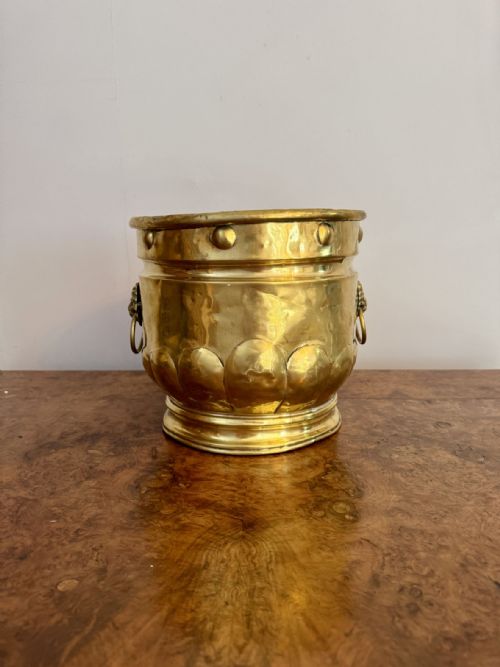
These gold metal cachepot selections bring sculptural plant display into interior spaces through decorative metal vessels.
Gold Metal Cachepot
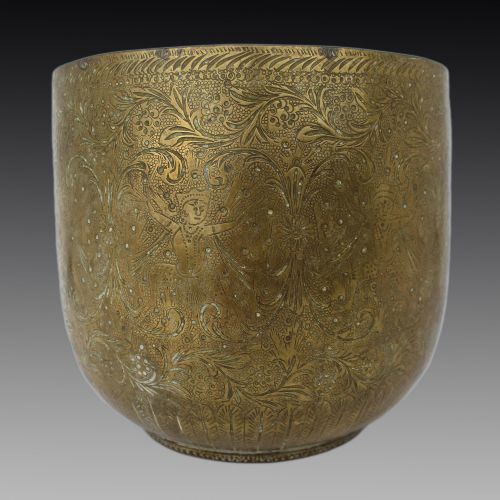
A gold metal cachepot search leads to a variety of jardiniere vessels and planters designed to hold indoor plants. The examples shown here span from the eighteenth century through to the early twentieth century, taking forms such as large brass planters and decorative jardinieres.
Most pieces encountered on this page date from the Victorian era and the nineteenth century, reflecting broad historical periods of domestic horticulture. These range from simple polished brass vessels to ornate French ormolu designs.
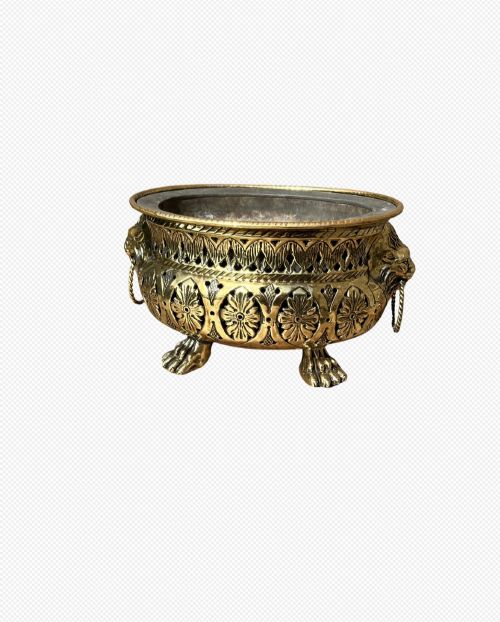
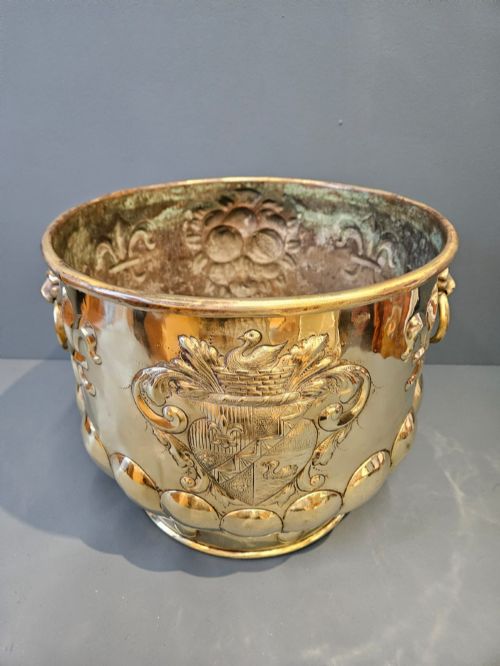
The assortment includes regional variations such as Anglo-Indian pieces alongside European French Baroque and Aesthetic Movement styles. Buyers will also find items featuring specific decorative details like animal heads and crests.
Materials and construction
The listings record construction primarily in brass, bronze, and gilt metal, utilising casting and repoussé techniques to shape the metal bodies. Surface treatments include gilding and polishing to achieve the golden appearance associated with ormolu and gilt bronze.
Many items display detailed hand-work, such as pierced metalwork and cast animal heads or crests attached to the main body. Heavier pieces utilise substantial bronze casting, resulting in solid bowls designed to support potted plants securely.
Materials represented across the selection include brass, bronze, gilt metal, and ormolu, shaped into planters, cachepots, and jardinieres.
Judging quality in metal planters
Quality separates simple utility vessels from exceptional decorative objects through the crispness of casting and the depth of repoussé detail. Superior pieces exhibit finely rendered motifs like animal heads, crisp piercing, and well-balanced proportions.
The finish of the metal also dictates the standing of a piece, where hand-chased details and rich gilding on ormolu or gilt bronze elevate the visual impact. Heavy gauge metal and careful assembly of decorative mounts denote higher standards of period craftsmanship.
The Gold Metal Cachepot Glossary
- Cachepot
- An ornamental container designed to hold a flowerpot and conceal its utilitarian appearance. These vessels lack drainage holes in the base.
- Jardiniere
- A large ornamental pot or stand for plants and flowers, typically used as a central decorative feature in a room.
- Repoussé
- A metalworking technique in which a malleable metal is hammered from the reverse side to create a low relief design on the front.
- Ormolu
- Gilded bronze used for decorative mounts and objects, popular in French furniture and decorative arts from the eighteenth century onwards.
- Aesthetic Movement
- A late nineteenth-century design movement that emphasised visual and artistic qualities over narrative or moral content.
Gold Metal Cachepot: Frequently Asked Questions
What is a cachepot used for?
A cachepot serves to hold potted plants and flowers, hiding standard nursery pots inside a decorative exterior vessel.
Because these metal containers generally lack drainage holes, they protect interior surfaces from water while displaying greenery.
How do I date a brass planter?
Dating relies on stylistic clues, manufacturing techniques, and material composition recorded in the piece.
Victorian and nineteenth-century examples often feature specific decorative movements like the Aesthetic style or French Baroque motifs.
What is the difference between a jardiniere and a planter?
The terms are often used interchangeably to describe vessels intended for displaying plants inside the home.
Historically, a jardiniere frequently denotes a more decorative, freestanding bowl, while a planter can refer to various containers holding soil or pots.
How do I care for antique metal vessels?
Maintenance involves gentle cleaning suitable for brass, bronze, or gilt surfaces without harsh abrasives.
Using a liner inside the cachepot prevents moisture damage to the antique metal interior over time.