
Victorian Table Lighting
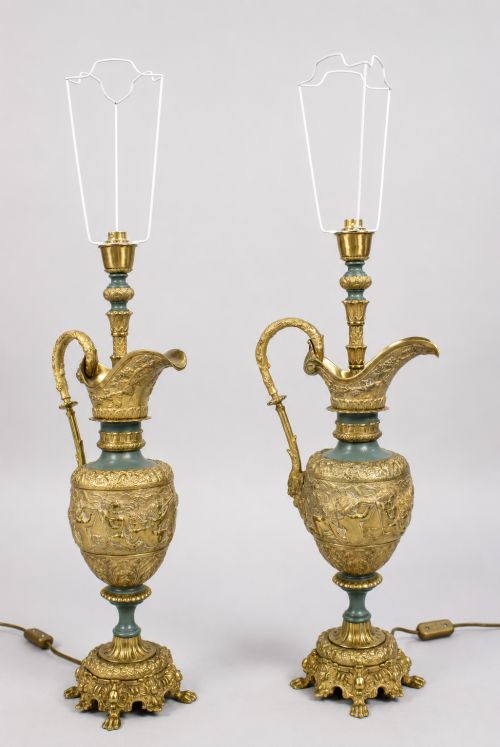
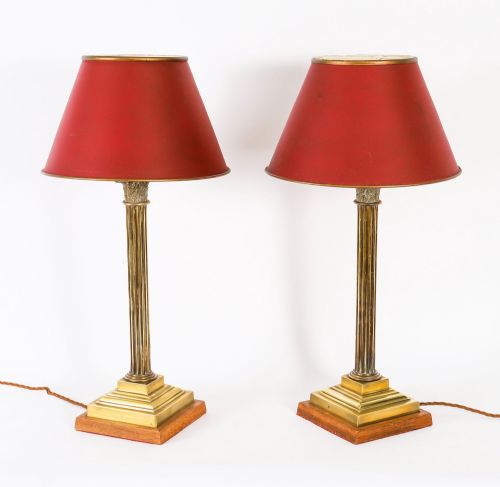
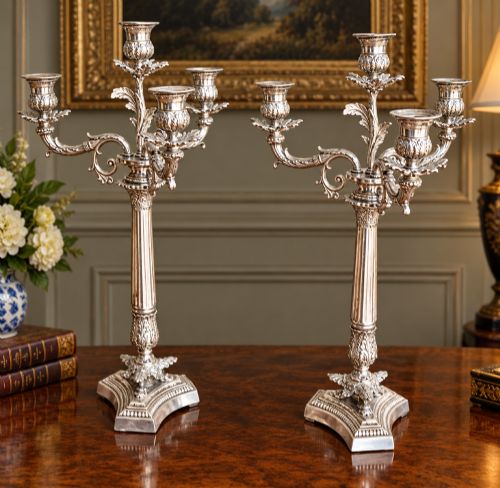
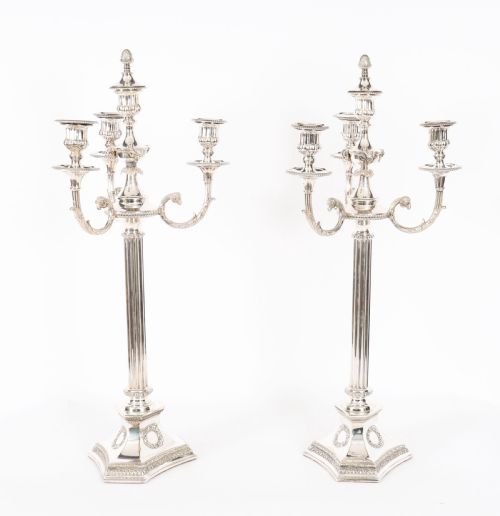
Victorian table lighting gathers brass columns, oil burners, and silver plated candelabras designed to illuminate nineteenth century rooms.
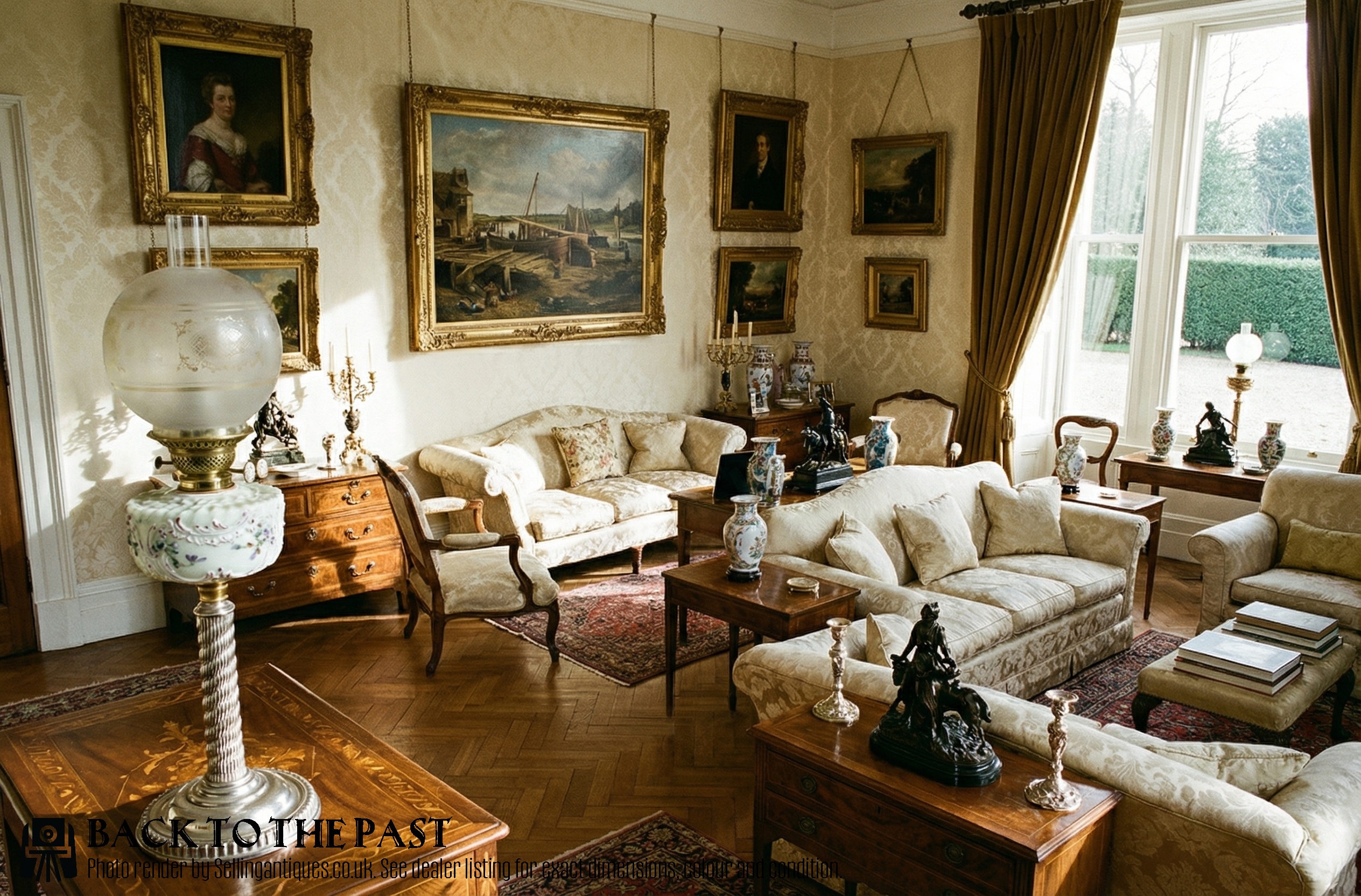
Victorian Table Lighting
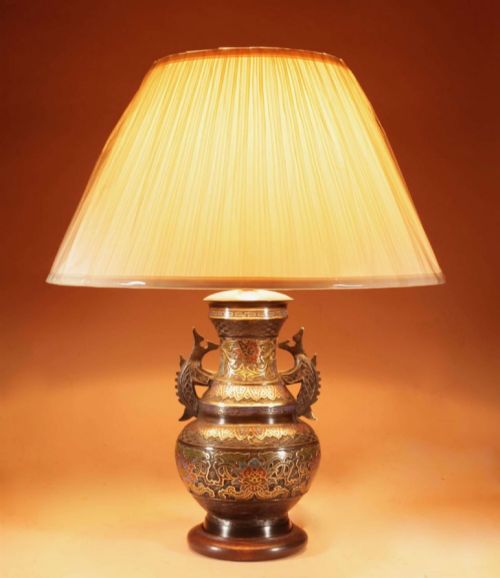
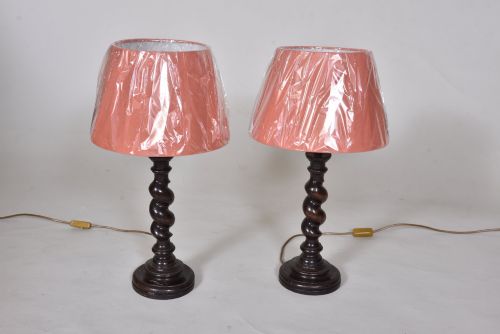
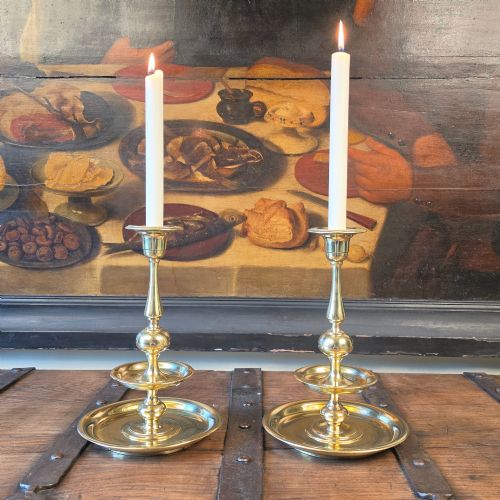
Victorian table lighting encompasses functional pieces created to illuminate nineteenth century rooms through candles, oil, or early electricity. Buyers searching for victorian table lighting encounter table lamps, oil lamps, candlesticks, and multi-light candelabras originating across the nineteenth century.
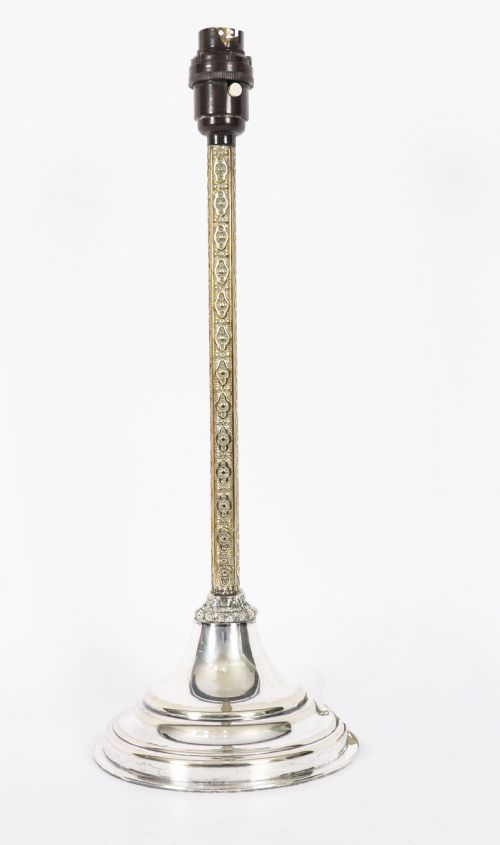
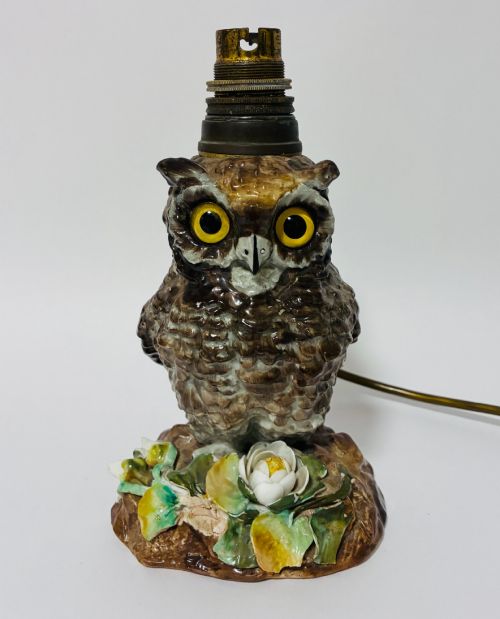
Brass columns, silver plated fixtures, and ceramic bodies dominate the selection. Many pieces reflect revival aesthetics including Gothic and Neoclassical styles, alongside practical reading lamps and adjustable designs.
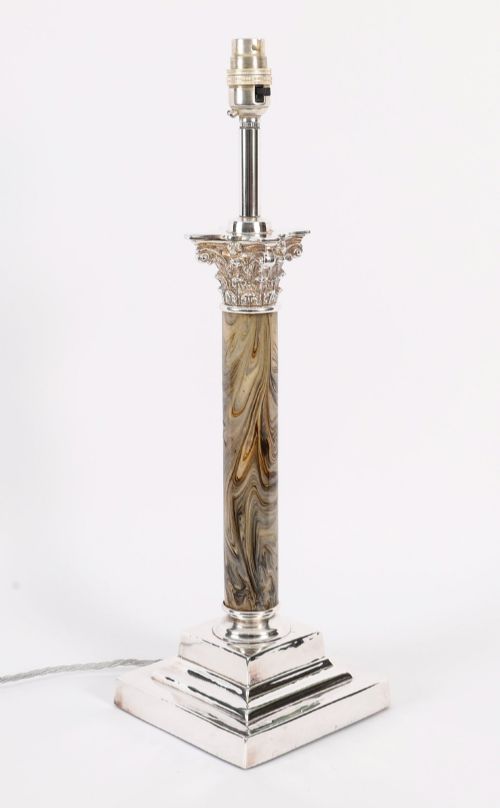
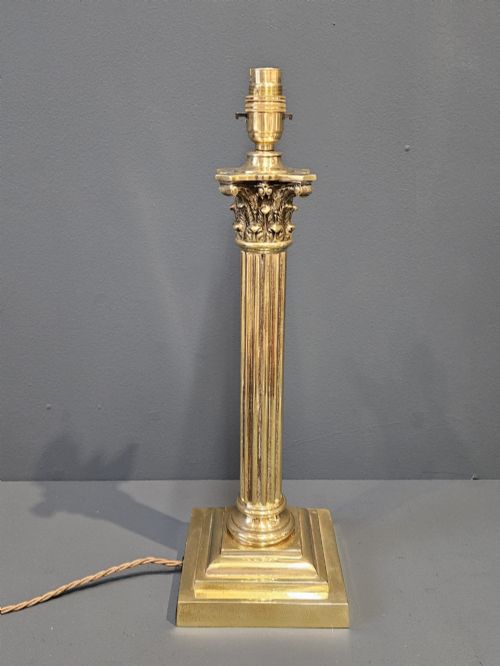
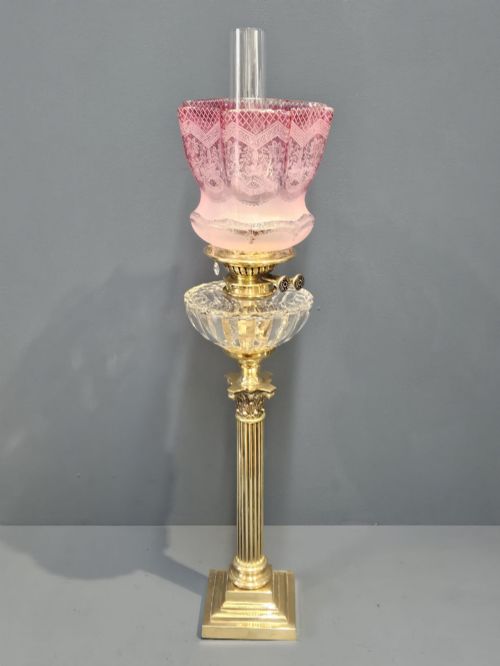
The objects span simpler domestic lighting and substantial decorative examples made for formal reception rooms. Column forms, particularly Corinthian designs, appear frequently among the surviving brass and silver plated examples.
Materials and construction
Makers utilised cast and spun brass, silver plate, and various metals alongside porcelain, ceramic, and glass for shades. Structural integrity relied on weighted bases and threaded metal components to support taller columns and glass reservoirs.
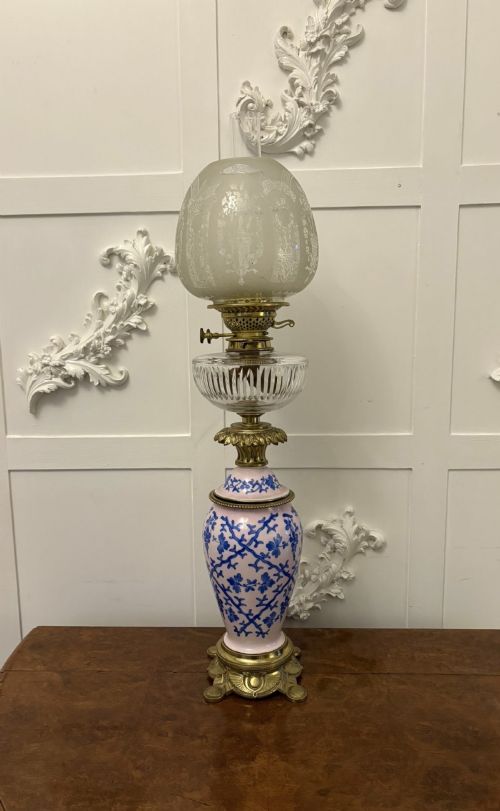
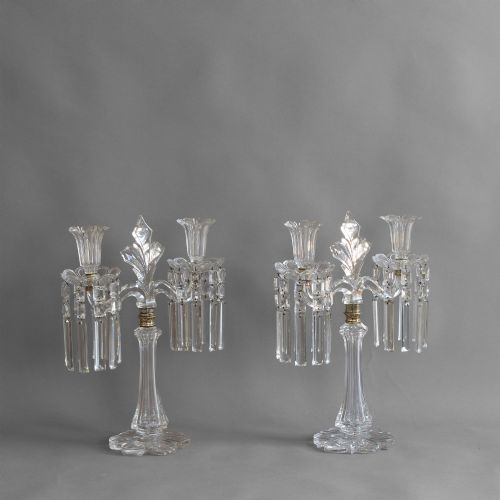
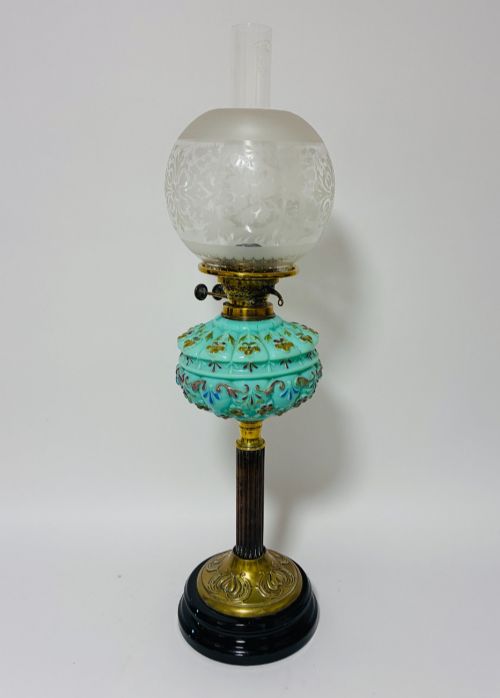
Glass elements range from coloured opaline and vaseline glass to cut crystal and painted cranberry shades paired with metal burners. Timber components appear in oak lamp bases, while gilt bronze and ormolu provide decorative mounts on ceramic and porcelain bodies.
Victorian Table Lighting Retail Price Guide 2026
Typical asking prices for victorian table lighting among the pieces listed under this phrase on Sellingantiques today, from the lower quarter to the upper quarter. They describe what is for sale here now, not the wider market.
Some Victorian oil lamps feature winter snow scenes painted directly onto the glass shades.
Judging quality in these pieces
Quality rests in the crispness of casting detail, particularly on Corinthian capitals, foliage, and figural mounts. Heavy gauge metalwork and substantial proportions distinguish better examples from lighter production pieces.
The integrity of secondary materials, such as undamaged coloured glass shades and original silver plating without excessive wear, separates superior survivors from altered or heavily restored items.
Mappin & Webb·W.A.S. Benson
The Victorian Table Lighting Glossary
- Corinthian column
- A classical architectural column form featuring ornate acanthus leaf capitals, frequently adapted for nineteenth century lamp bases and candlesticks.
- Duplex burner
- A twin-wick oil burner mechanism that provided increased illumination, common on larger Victorian table lamps.
- Opaline glass
- An opaque, milky white glass used extensively for lamp shades to diffuse light softly across a room.
- Ormolu
- Finely chased and gilt bronze mounts applied to ceramic and porcelain lamp bodies for decorative effect.
Victorian Table Lighting: Frequently Asked Questions
How do I convert an oil lamp?
Many nineteenth century oil lamps receive modern electrical wiring while retaining their original burners, reservoirs, and decorative chimneys.
Professionals thread modern internal cords through the existing channels so the external appearance remains undisturbed.
Are these lamps safe for daily use?
Original nineteenth century lighting requires inspection by a qualified electrician to ensure safe wiring standards meet modern requirements.
Old brass components and weighted bases generally provide a stable foundation for contemporary domestic placement.
What glass shades belong on these lamps?
Late Victorian oil lamps often pair with cranberry, opaline, or etched glass shades designed to match the period of the burner.
Matching the shade fitter size to the gallery ensures the glass sits securely on the lamp.
How do I clean tarnished brass bases?
Gentle dusting with a soft cloth preserves the aged patina built up across the nineteenth century.
Harsh metal polishes strip the historic surface character and should be avoided on antique brass and silver plate.