
Antique Oil Lamp Shade
When you handle an antique oil lamp shade, you hold the coloured, blown and etched glass that once softened the flame of a Victorian room.
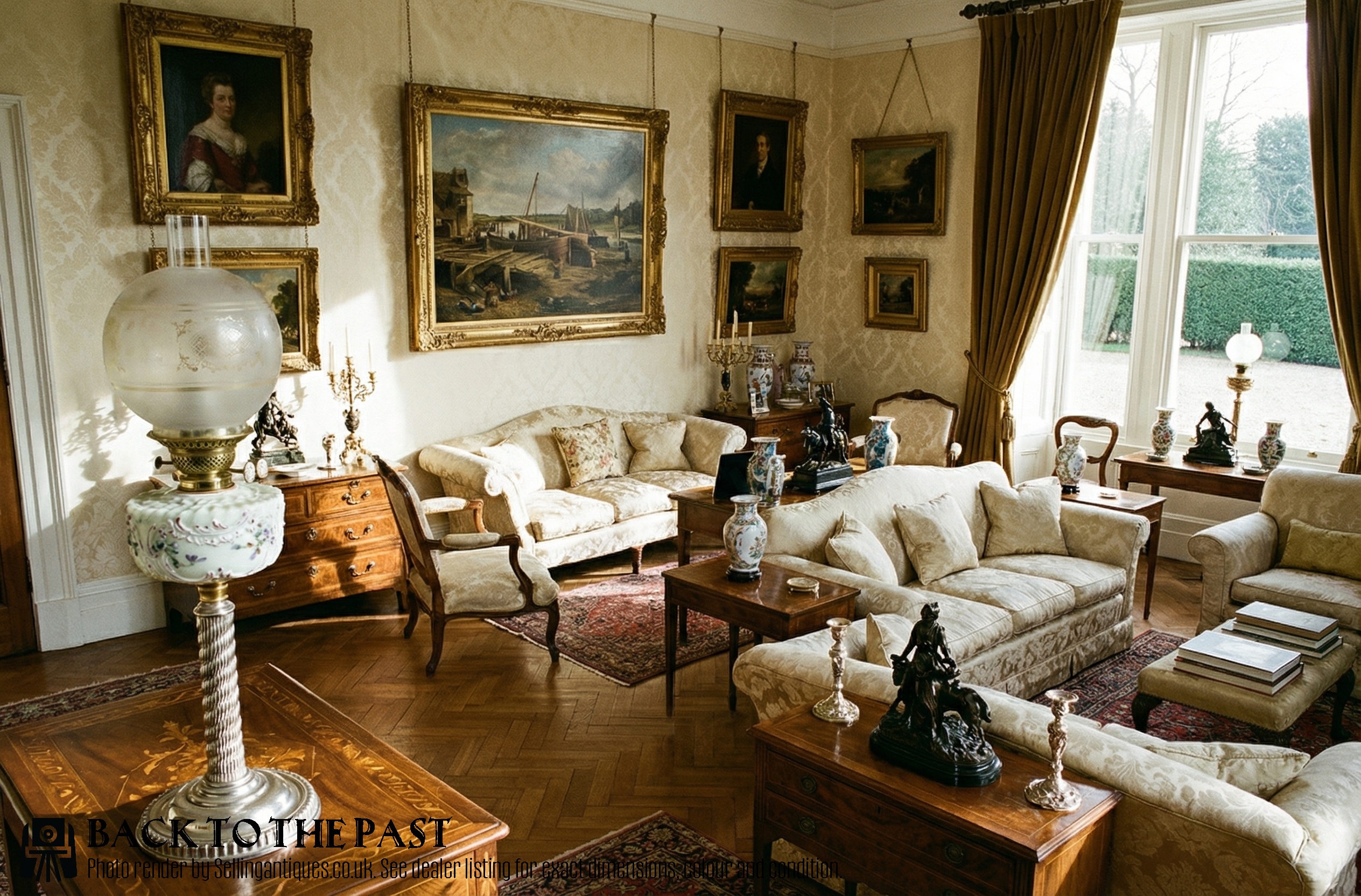
Antique Oil Lamp Shade
An antique oil lamp shade is a decorative glass globe or tulip cover designed to sit atop a nineteenth or early twentieth-century lighting standard. These shades diffuse the harsh glare of a burning oil font while adding colour and pattern to a room.
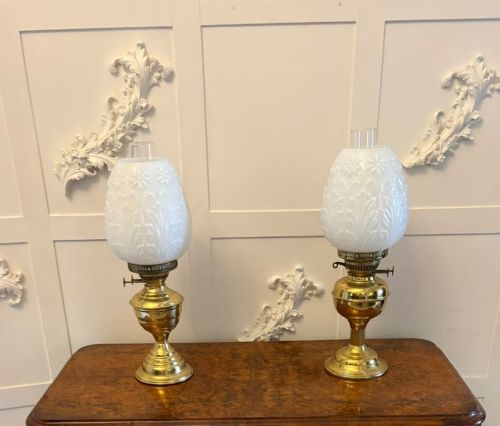
Most pieces you meet on this page date from the Victorian and Edwardian eras, spanning the mid-nineteenth century up to 1910. They appear either paired with matching brass and ceramic lamps or offered as standalone globes in vibrant hues.
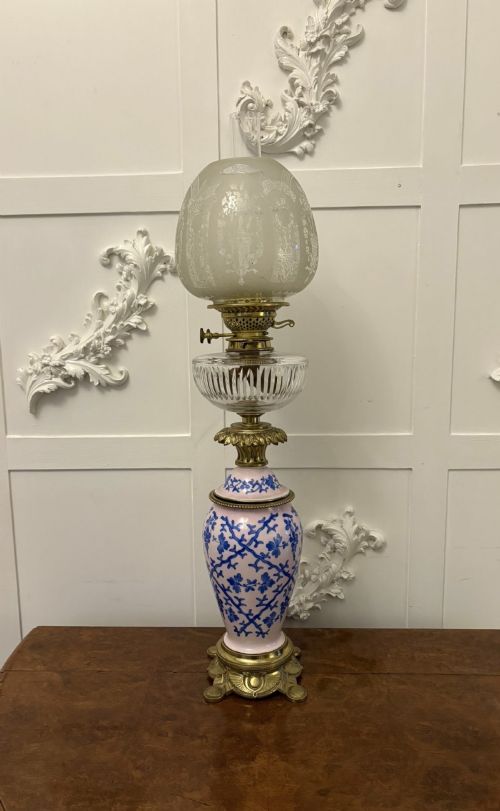
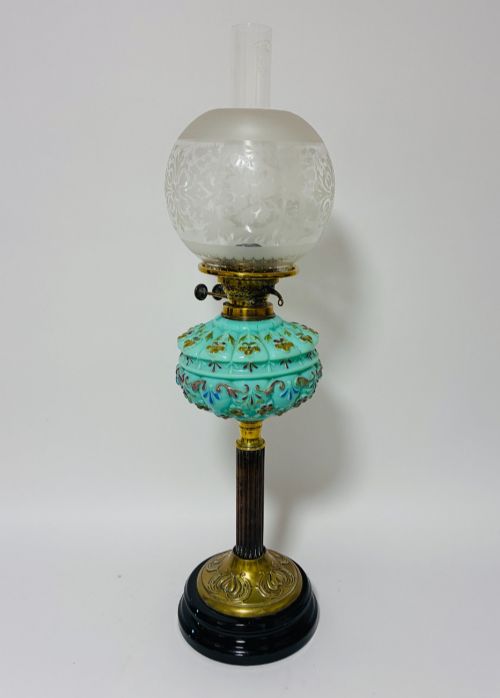
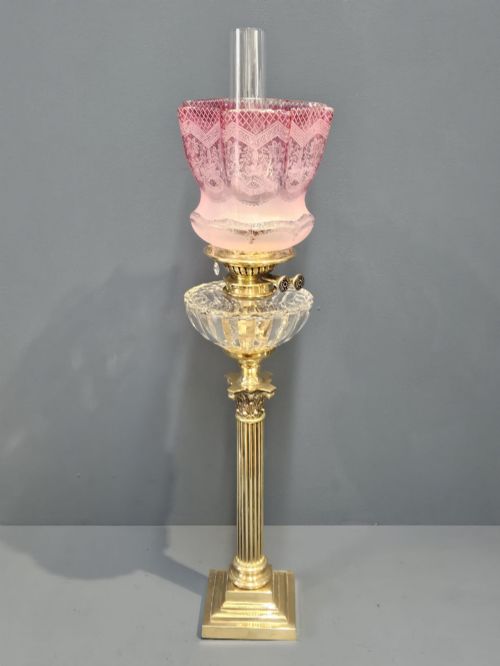
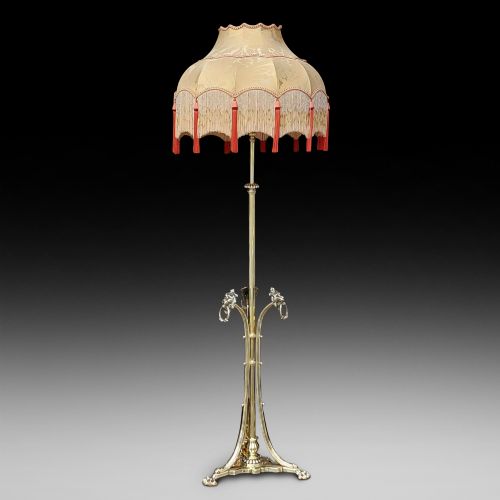
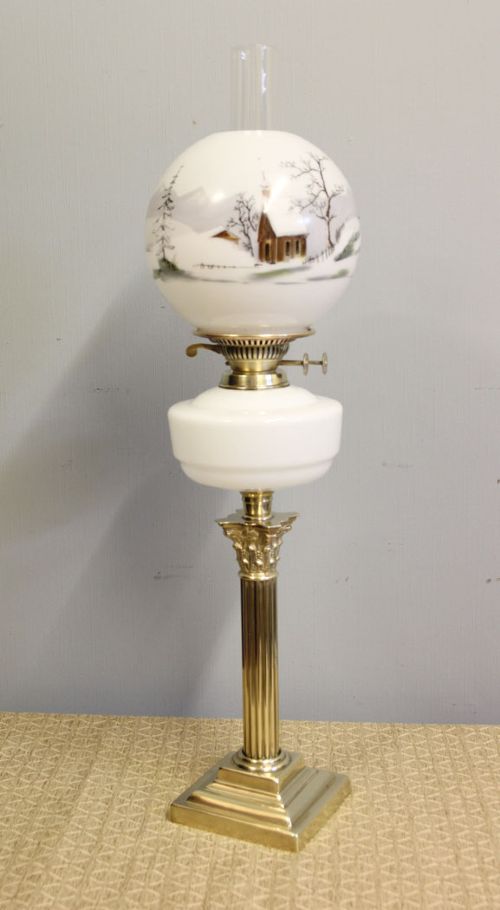
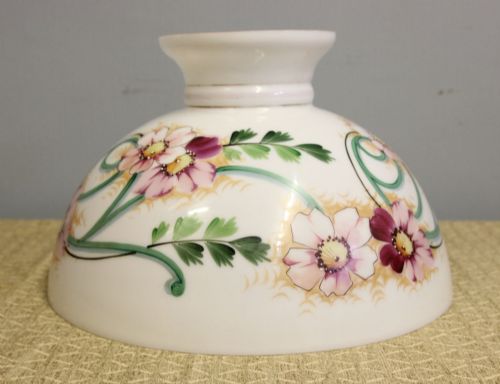
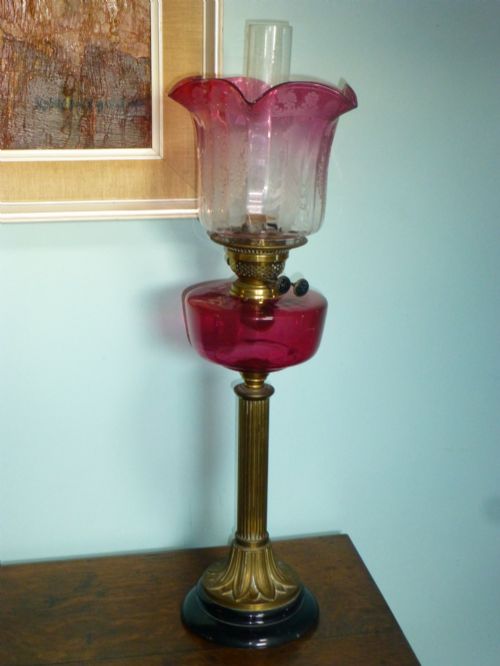
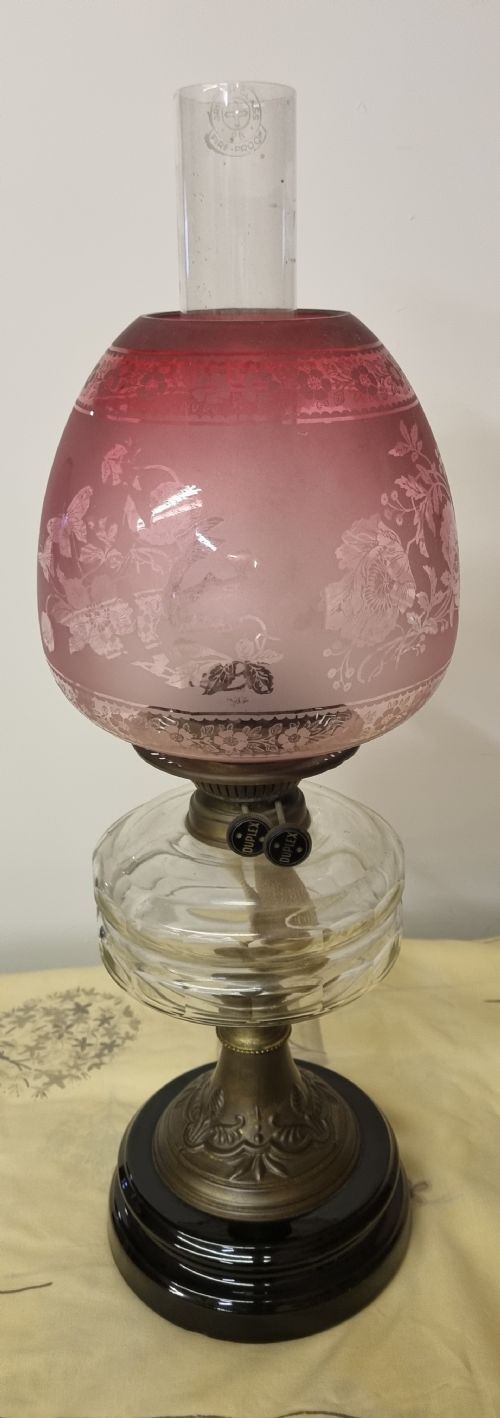
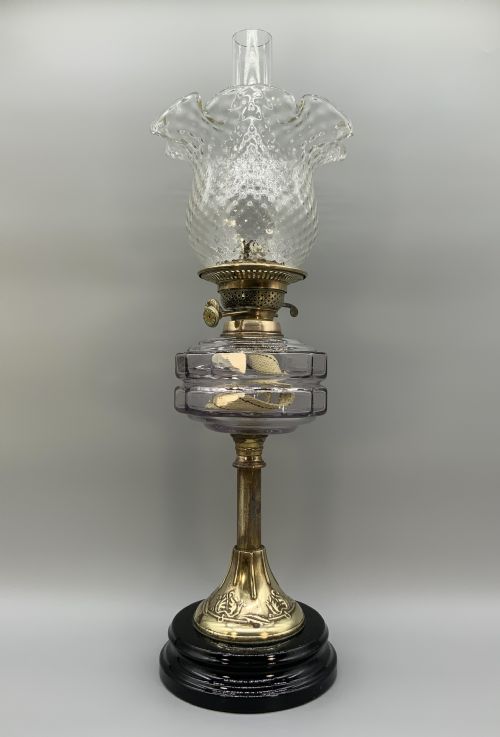
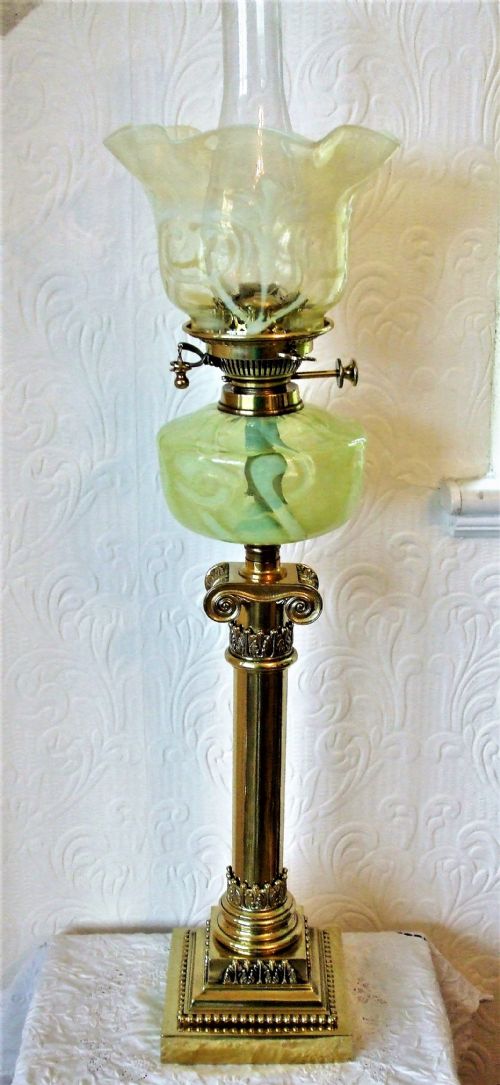
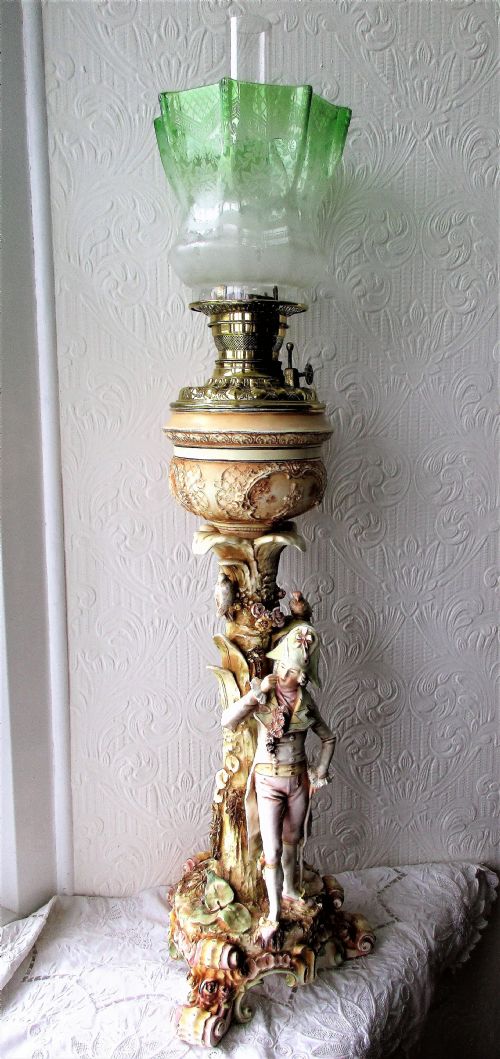
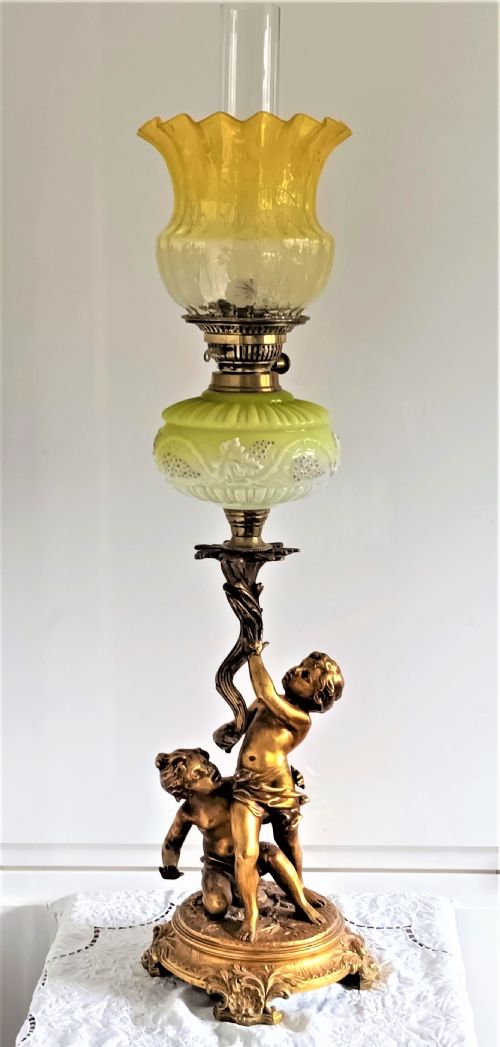
You will encounter various distinct forms among these listings, including wide tulip shapes, spherical globes, and frilled edges. Many feature painted motifs, winter scenes, or etched botanical designs that catch the light.
How They Were Made
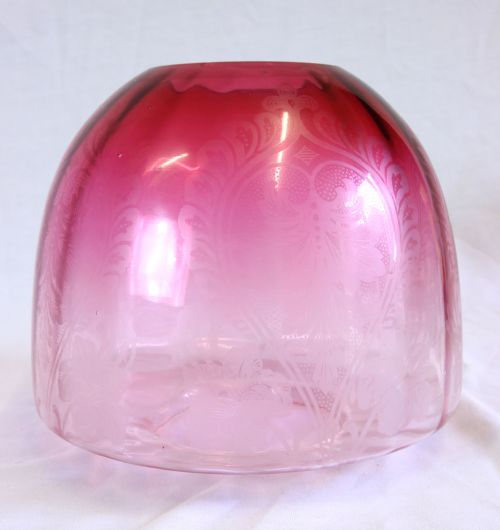
Glassmakers utilised traditional hand-blowing techniques to shape molten glass into globes and tulip profiles. Artisans incorporated mineral oxides into the hot batch to achieve rich colours like cranberry, opaline white, green, and amber.
Surface decoration required skilled hand painting, enamelling, or acid etching to cut floral and geometric patterns through an outer layer of coloured glass. Brass mounts and galleries were cast and turned to secure these delicate shades to the burner assemblies.
Antique Oil Lamp Shade Retail Price Guide 2026
Typical asking prices for oil lamp shade among the pieces listed under this phrase on Sellingantiques today, from the lower quarter to the upper quarter. They describe what is for sale here now, not the wider market.
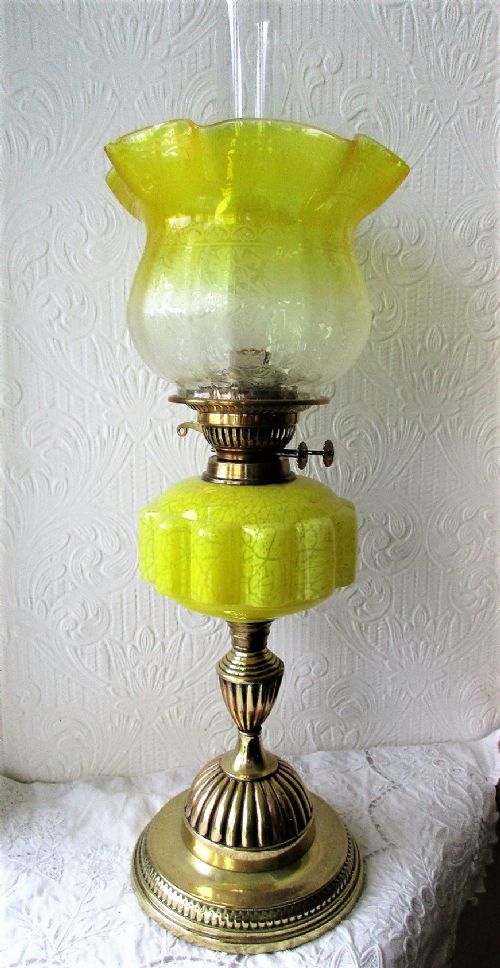
Listings include brass, ceramic, and copper lamp bases paired with glass shades in cranberry, opaline, green, amber, and vaseline.
What Varies in Quality
Quality rests upon the depth of the glass colour, the crispness of the wheel-cut or etched patterns, and the weight of the material. Heavy, saturated cranberry or vaseline glass demonstrates a higher grade of manufacture than thin, pressed alternatives.
The finesse of any hand-painted botanical or figural detail separates standard production from superior examples. Smooth, polished fitter rims without chips indicate careful historic handling by previous owners.
Hinks of B'ham·Gustave Serrurier Bovy·Taylor Tunnicliff·Sitzendorf
The Antique Oil Lamp Shade Glossary
- Cranberry Glass
- A rich red-pink transparent glass created by adding gold chloride to the molten batch. It remains a hallmark of Victorian interior lighting.
- Opaline Glass
- An opaque, milky-white glass that diffuses light evenly without harsh shadows. It was frequently painted with floral or landscape scenes.
- Tulip Shade
- A shade flared outward at the rim in the profile of an opening flower. This form directs illumination downward while exposing decorative etching.
- Duplex Burner
- A double-wick mechanism that produced a brighter flame, requiring a wider shade gallery to accommodate the increased heat.
- Vaseline Glass
- A yellowish-green transparent glass containing uranium oxide that glows under ultraviolet light. Collectors prize its distinct hue in lamp globes.
Antique Oil Lamp Shade: Frequently Asked Questions
What periods do these shades come from?
The pieces span the Victorian and Edwardian periods, stretching from the mid-nineteenth century through to 1910.
Most items reflect the decorative tastes of the 1880s, 1890s, and early twentieth century.
What materials are used for these shades?
The listings feature various types of glass, including cranberry, opaline, cut, etched, and vaseline glass.
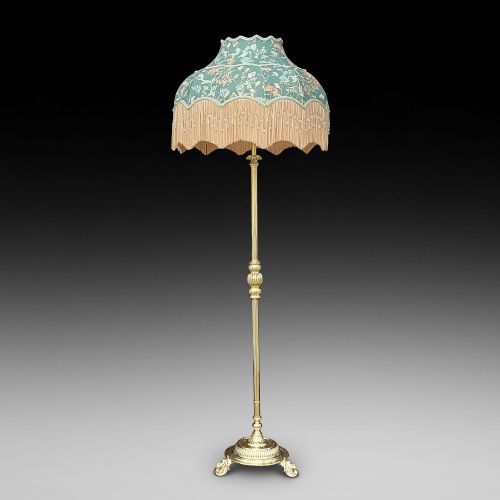
Fabric shades also appear alongside these traditional glass forms.
How were these shades originally used?
They sat on brass, ceramic, or copper oil lamps to soften and diffuse the light from burning fuel.
Many fitted onto table standards, hanging fixtures, or tall floor lamps.
How do I identify different shade styles?
Styles range from plain Victorian and late Victorian designs to ornate Art Nouveau and Secessionist hand-blown pieces.
Forms include tulip shades, frilled globes, and etched patterns featuring botanical or winter scenes.