

Victorian Storage Trunk
These Victorian storage trunks are robust, practical boxes built to hold blankets, silver and travel gear during the nineteenth century.
What They Are
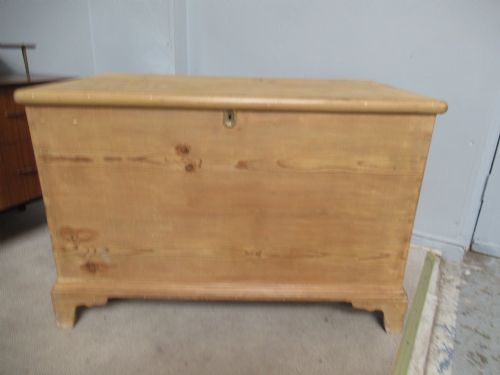
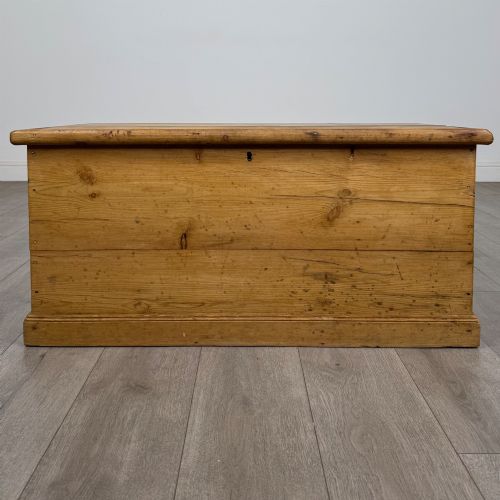
A victorian storage trunk is a utilitarian box created to house blankets, travelling kit and domestic possessions during the nineteenth century. These pieces appear as blanket boxes, kists, campaign chests and silver chests spanning the Victorian era and the broader nineteenth century, including specific dates around eighteen seventy.
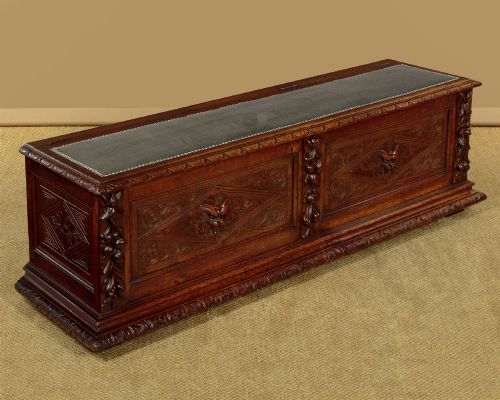
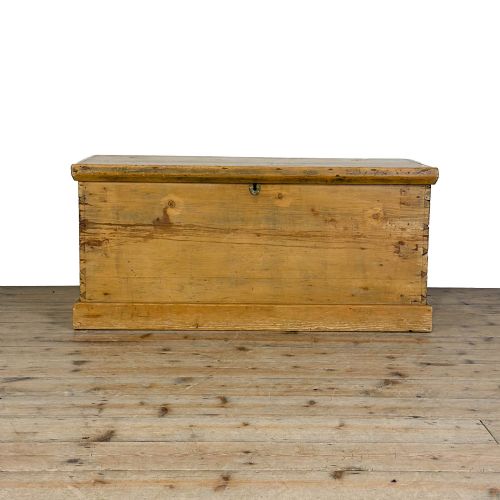
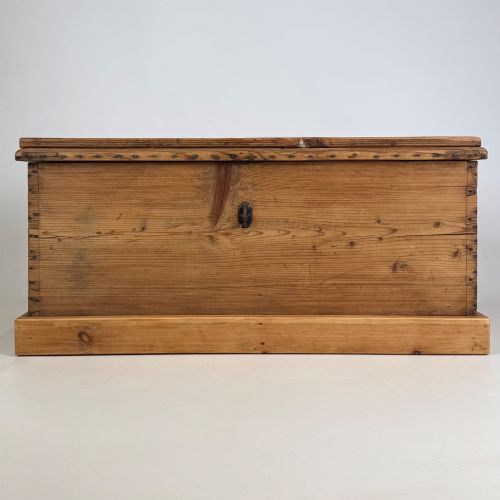
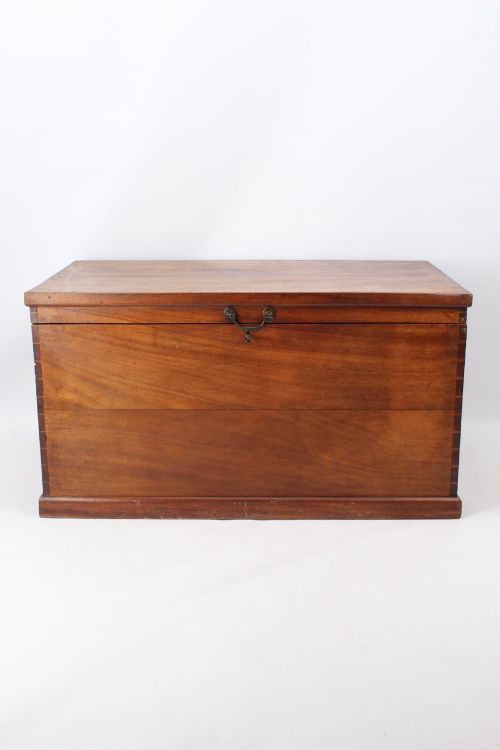
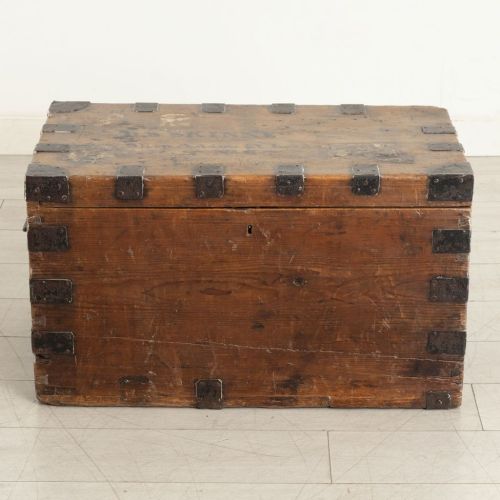
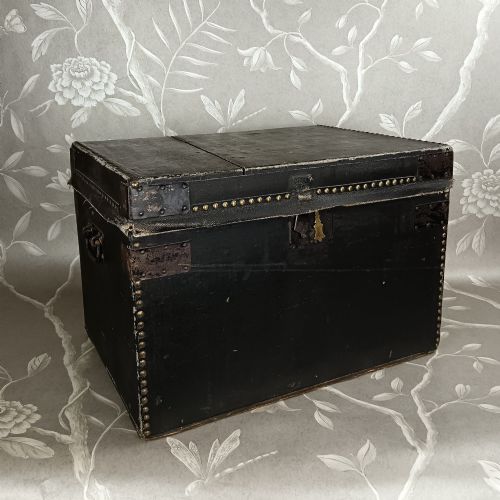
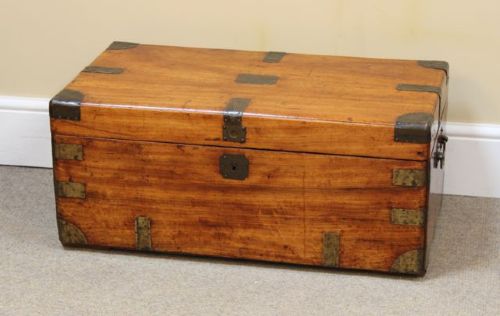
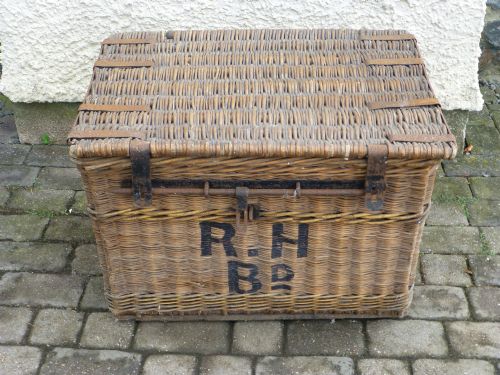
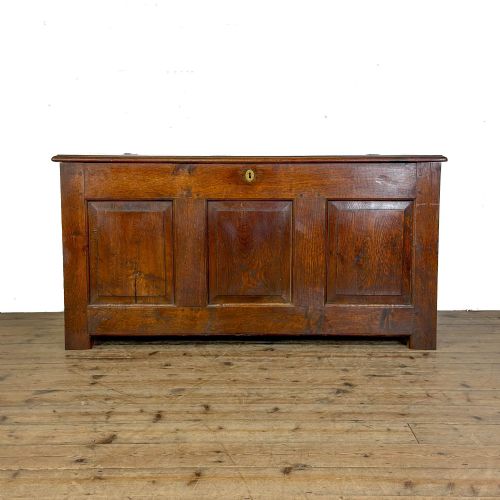
The most common version met on this page is the pine blanket box or trunk, often built with large proportions for domestic storage. Alongside pine, listings feature golden oak, mahogany, teak, camphorwood and upholstery fabric with braid trim, reflecting varied domestic and travel purposes.
How They Were Made
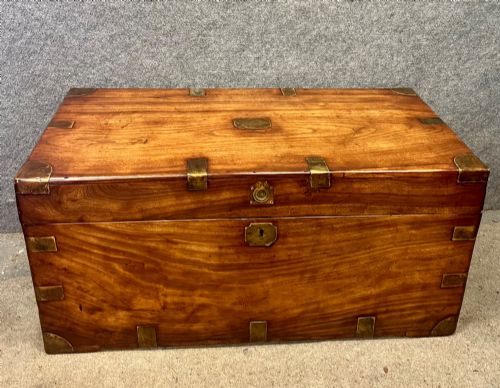
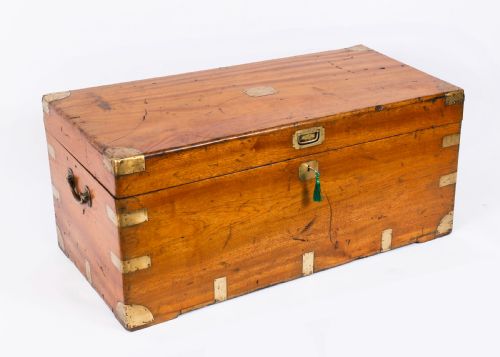
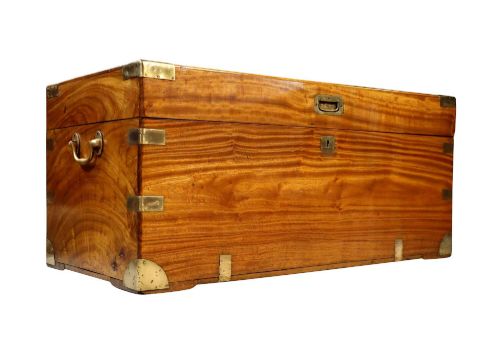
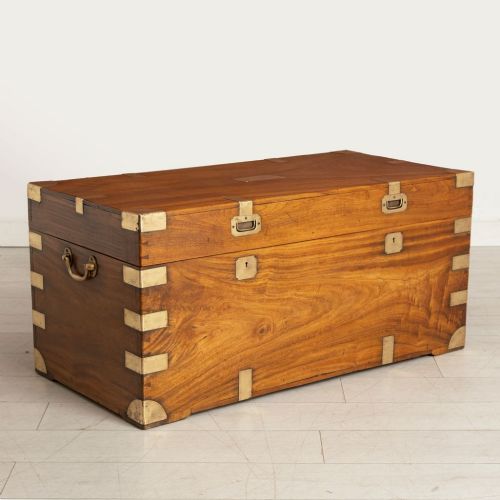
Joiners and cabinetmakers utilised solid timbers such as pine, oak, mahogany and teak to construct these durable storage vessels. Iron and brass hardware, including corner brackets, carrying handles and binding, reinforce the heavy wooden carcases.
Surface treatments vary from waxed finishes on pine and oak to painted exteriors and upholstered fabrics with braid trim. Interiors often remain plain or feature fitted compartments designed for specific items like silver or travel gear.
Retail Price Guide 2026
Typical UK retail prices for victorian storage trunk, calculated from the Sellingantiques database of over a million retail prices indexed since 2003. This retail price guide relies exclusively on Sellingantiques data; no external sources or auction records are used, so the figures do not describe the wider market.
Travel trunks often retain faint traces of paper shipping labels and steamship stickers from nineteenth-century voyages.
What Varies in Quality
The distinction between ordinary utility boxes and finer examples lies in the selection of timber and the sophistication of the hardware. Solid mahogany, golden oak, or heavily brass-bound teak campaign pieces indicate a higher status than basic painted or unpainted pine domestic chests.
Construction details also separate the grades, with dovetailed joints, original cast iron or brass fittings and maker-stamped silver chests standing above plain nailed boxes. The presence of fitted interior trays or specialist linings elevates a piece from simple storage to bespoke craftsmanship.
Elkington
The Victorian Storage Trunk Glossary
- Campaign trunk
- A portable chest built in sections with recessed brass handles for military officers on the move. These pieces utilise sturdy hardwoods like teak or camphorwood to withstand travel.
- Silver chest
- A heavy storage box lined for cutlery or plate, frequently reinforced with iron bands and carrying heavy drop handles. They often bear maker plaques from firms such as Elkington.
- Kist
- A traditional regional term for a large wooden chest or box used for domestic storage. In these listings, the term describes substantial pine blanket boxes.
- Dome top
- A curved lid construction that sheds water and allows for extra internal volume in travel trunks. This form appears across nineteenth-century pine examples.
- Linen fold
- A carved panel decoration resembling folded cloth, found on certain oak coffers and storage boxes. This style references earlier Gothic traditions revived in later pieces.
Frequently Asked Questions
What were victorian storage trunks used for?
These trunks served multiple domestic and travel functions, from housing household blankets and toys to protecting valuable silver and military equipment. Families relied on them to keep possessions secure from dust and damp.
Larger chests stayed at the foot of beds or in hallways as furniture, whilst smaller brass-bound campaign versions accompanied owners on journeys across the British Empire.
How do I date a victorian storage trunk?
Dating relies on observing the combination of timber, construction methods and hardware present on the piece. Earlier nineteenth-century examples often feature solid camphorwood or teak with flush brass mounts, while later pine boxes frequently utilise simple dovetailed joints and waxed finishes.
Specific clues like stamped maker marks, cast iron corner brackets or contemporary hinges help narrow down the period of manufacture within the Victorian era.
Are pine trunks original or later additions?
Pine trunks range from honest utility pieces made in local workshops to items that have received later painted surfaces or wax treatments. Examining the interior timber colour and the wear around the base helps determine the age of the finish.
Most pine blanket boxes on the market retain their original structural timber even if the surface has been stripped, waxed or painted during their long history of domestic use.
Can I use a storage trunk as a coffee table?
These chests offer a flat top surface and sturdy internal storage, making them a practical alternative to standard living room tables. Their generous proportions provide ample space to conceal blankets and books.
When using a trunk in this way, ensure the lid remains stable and that the timber finish is protected from moisture by using coasters and trays.