

Victorian Sterling Tableware
Victorian sterling tableware comprises functional silver items for the dining table, offering robust weight and elaborate nineteenth-century ornament that elevates any meal.
Victorian Sterling Tableware
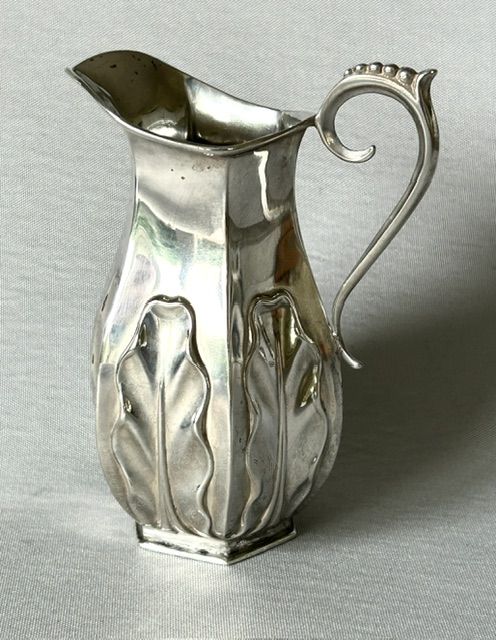
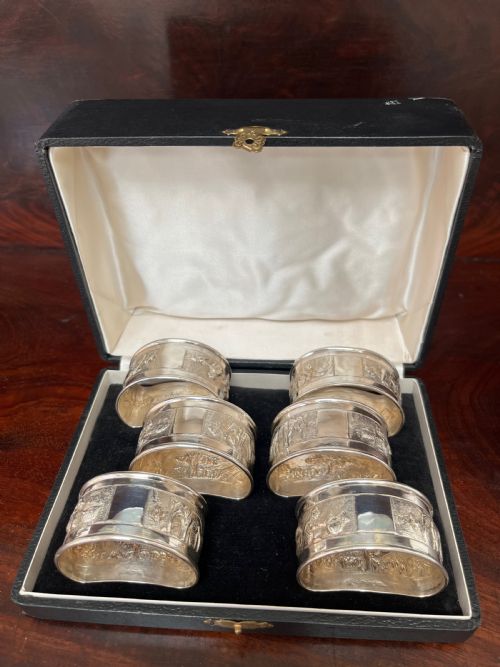
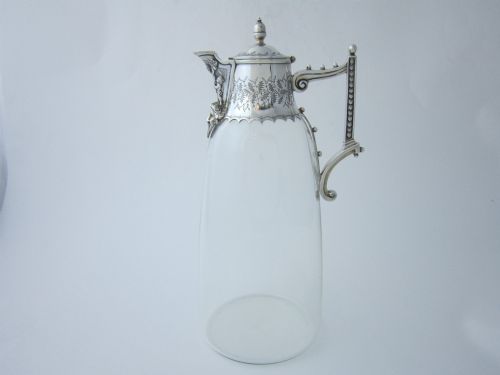
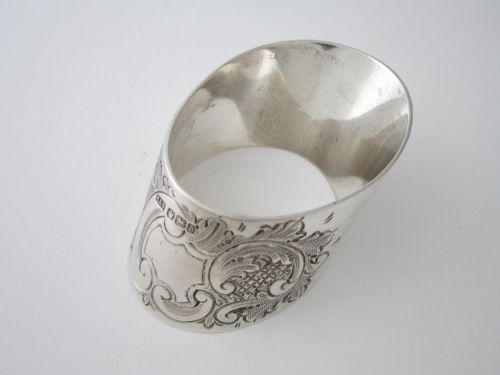
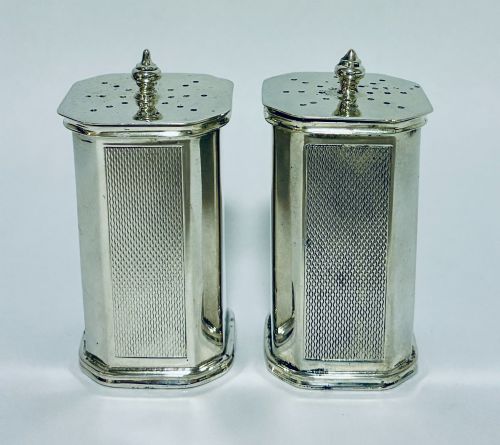
Victorian sterling tableware encompasses salt cellars, mustard pots, napkin rings, flatware, serving spoons, grape scissors, and cream jugs. These pieces originate primarily from the Victorian period, alongside related examples from the Georgian, Edwardian, and later eras.
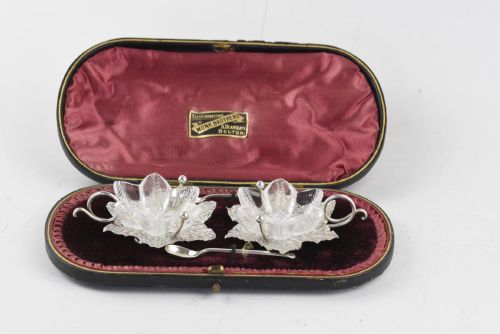
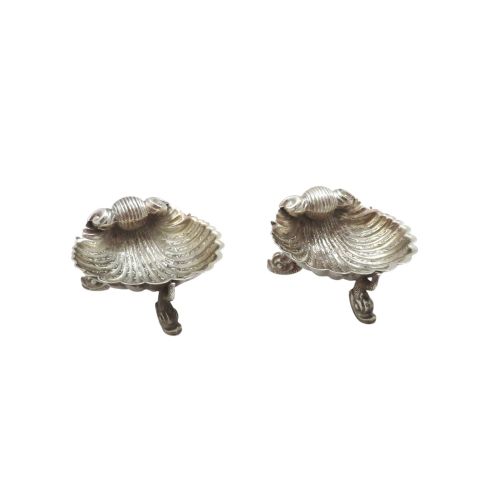
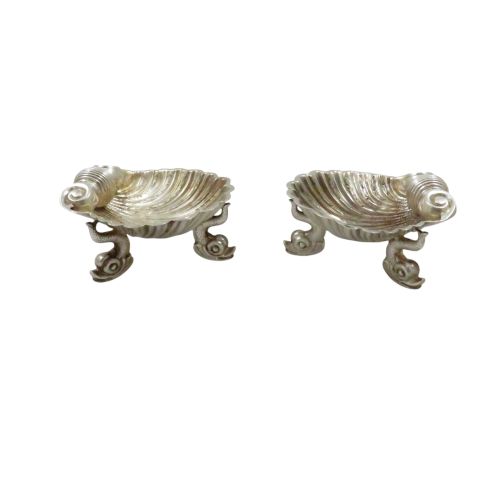
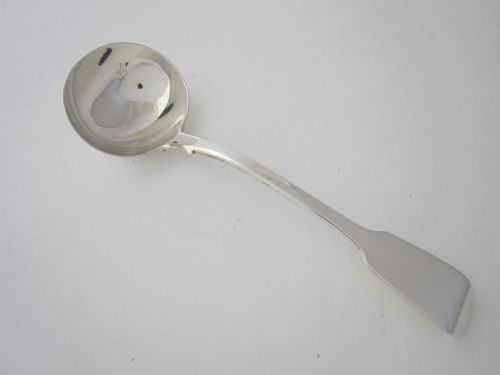
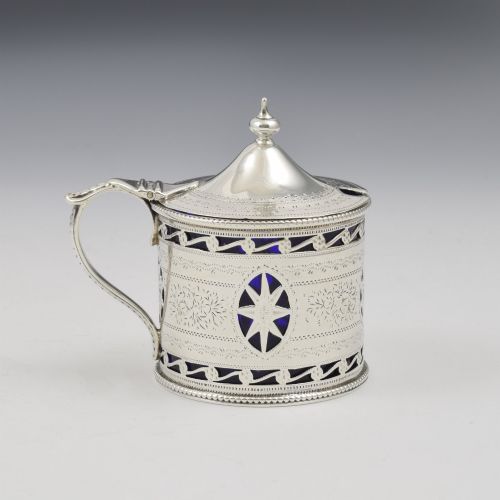
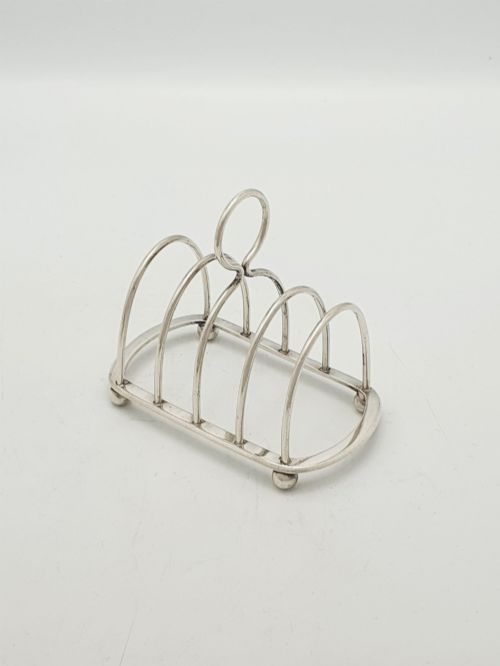
Salt cellars and mustard pots appear frequently, often paired with glass liners, matching spoons, or distinctive details such as dolphin feet, shell motifs, or pierced designs. Basting spoons, sauce ladles, toast racks, and menu holders further populate the dining range.
Makers and workshops across London and Chester produced these items using sterling silver, frequently incorporating cobalt glass liners, velvet, silk, leather, and steel components.
Materials and Technique
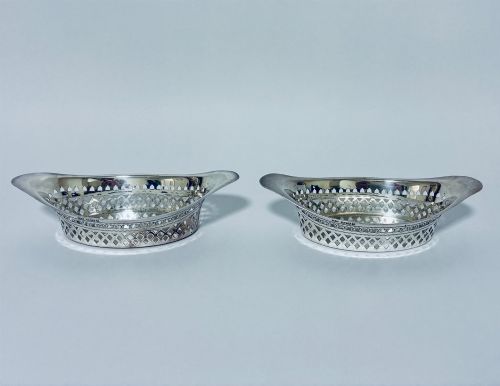
Silversmiths employed sterling silver alongside glass liners in cobalt or clear tones, shaping components through casting, piercing, and hammering. Pierced mustard pots and baskets demonstrate intricate hand-piercing techniques combined with chased foliate decoration.
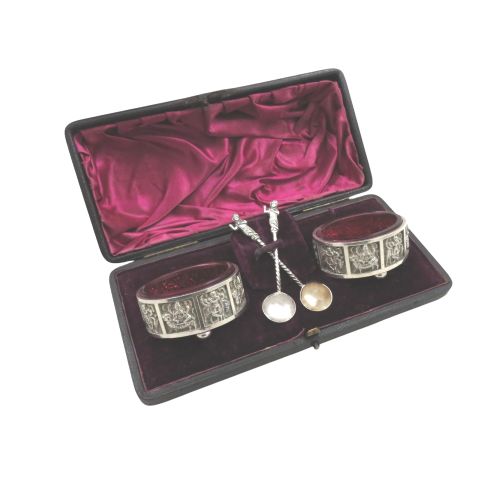
Handles and decorative elements incorporate specialised styling such as snake motifs, fiddle pattern flatware, and cast figural details including Hindu deities or monkeys playing drums. Makers utilised fitted cases lined in silk, velvet, and leather for sets of salts and napkin rings.
Dining tables gained personality through novelty silver peppers shaped as thistles, monkeys playing drums, and ham bone holders.
Evaluating Execution
Quality rests in the crispness of the chased foliate work and the precision of the piercing on mustard pots and baskets. Sharp, deeply struck hallmarks and well-defined cast figures indicate superior workshop standards.
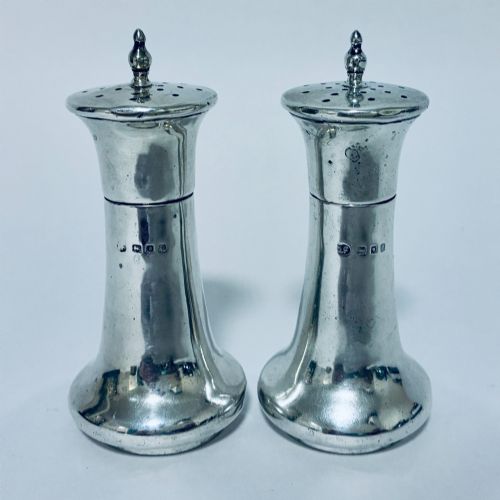
The integrity of matching elements, such as paired pepper pots, identical salt cellars, and corresponding glass liners, dictates the desirability of a service. Substantial gauge silver provides a reassuring weight that separates utilitarian items from lighter wares.
Nathan and Hayes·Barnards·Charles and George Fox·William Comyns·Goldsmiths and Silversmiths Co
The Victorian Sterling Tableware Glossary
- Sterling silver
- An alloy containing 92.5 percent silver and 7.5 percent other metals, traditionally copper. This standard ensures durability while maintaining a bright metallic lustre for dining implements.
- Chasing
- A metalworking technique where the silversmith depresses the front surface with hammers and punches to create raised ornamental designs. Foliate chasing gives depth and texture to bowls and dishes.
- Piercing
- The method of cutting decorative openwork patterns through the silver sheet. Pierced mustard pots and baskets use this technique to lighten heavy metal forms.
- Fiddle pattern
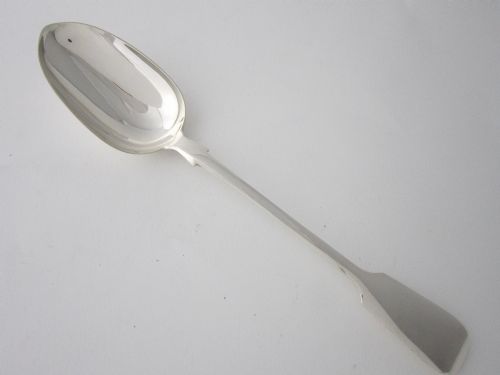
- A traditional nineteenth-century flatware handle design featuring a distinctive broadened shoulder near the terminal. It remains a standard shape for Victorian serving spoons and ladles.
- Cobalt glass
- Deep blue glass utilised for the interior liners of salt cellars and mustard pots. It provides a striking visual contrast against pierced sterling silver.
Victorian Sterling Tableware: Frequently Asked Questions
How do I clean Victorian silver?
Use a specialised silver polishing cloth and a gentle, non-abrasive silver cream to remove tarnish without damaging chased or pierced details. Avoid harsh chemical dips that strip the natural dark oxidation from recessed areas.
Store pieces in tarnish-resistant cloths or dry environments away from direct sunlight and humidity. Hand wash items promptly after use, particularly after contact with acidic foods like mustard or fruit.
Are glass liners original?
Many salt cellars and mustard pots retain their original cobalt or clear glass liners, which were mouth-blown or pressed to fit specific silver frames. Replacement liners appear frequently in historical tableware due to accidental breakage over generations of use.
Examining the fit and the wear marks inside the silver base helps determine if a glass liner is contemporary to the piece. A snug fit without excessive movement generally indicates a correct period match.
What is fiddle pattern flatware?
Fiddle pattern refers to the silhouette of a nineteenth-century flatware handle that widens gracefully near the end, resembling the body of a stringed instrument. This design appeared extensively across serving spoons, ladles, and table forks.
Silversmiths often engraved family crests or initials onto the terminal of fiddle pattern pieces. The handle shape offers a balanced, comfortable grip during dining service.
How are Victorian hallmarks read?
British hallmarks stamped onto the metal typically include a standard mark for sterling silver, a town mark indicating the assay office, a date letter for the year of production, and a maker's mark. London and Chester are common assay office locations found on these dining pieces.
Reference charts link specific date letter shapes and fonts to exact years of manufacture. The maker's mark identifies the specific silversmith or manufacturing firm responsible for the piece.