
Victorian Silver Pocket Box
A victorian silver pocket box is a portable case for snuff, cards, or matches, combining practical utility with fine nineteenth-century metalwork.
Victorian Silver Pocket Box
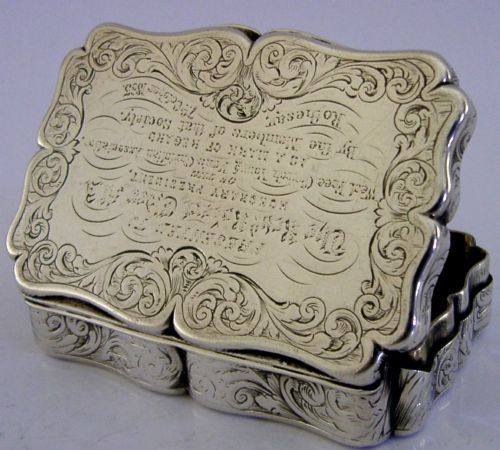
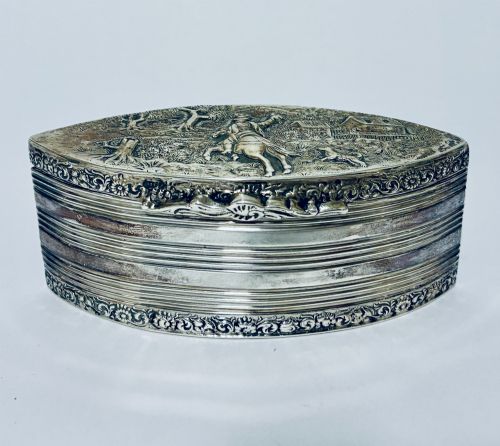
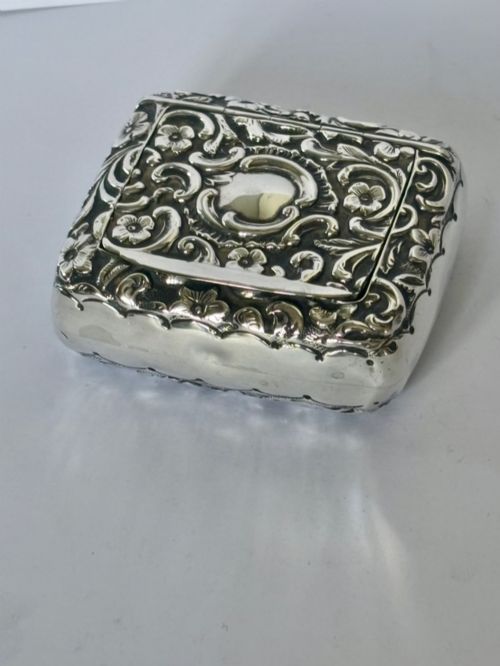
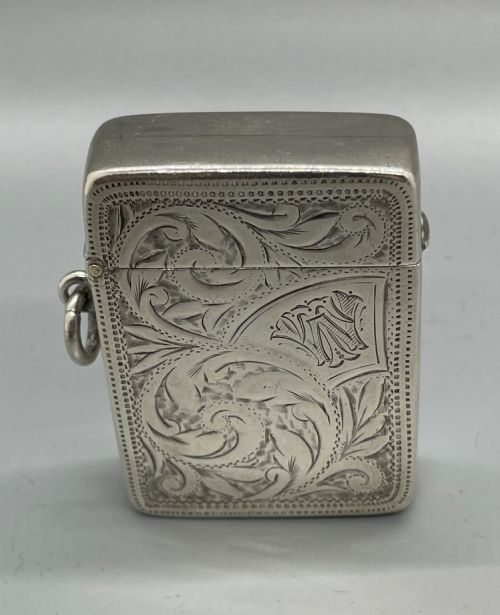
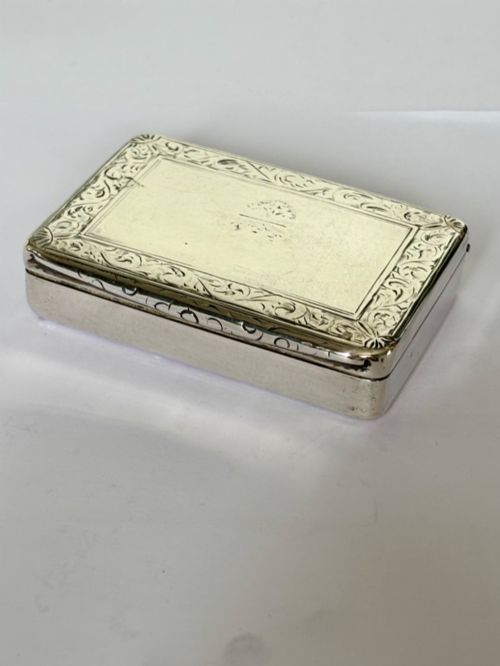
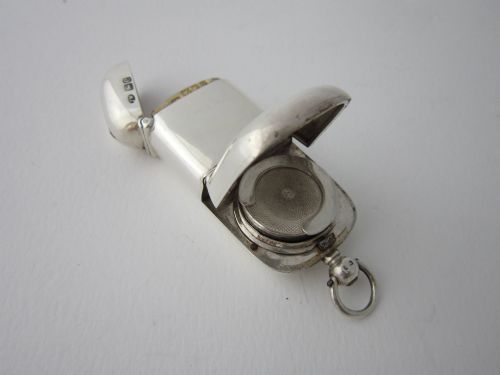
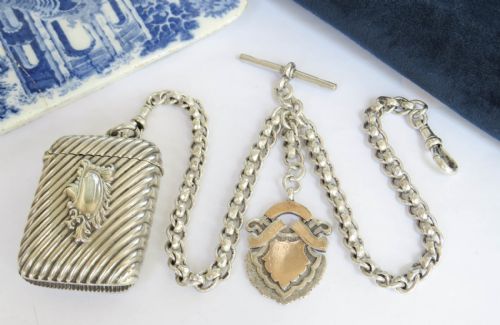
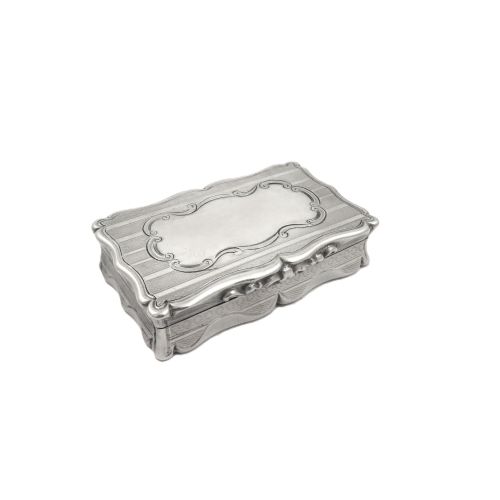
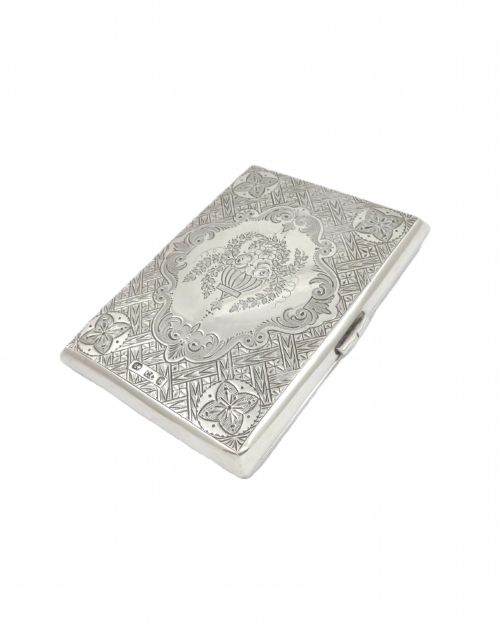
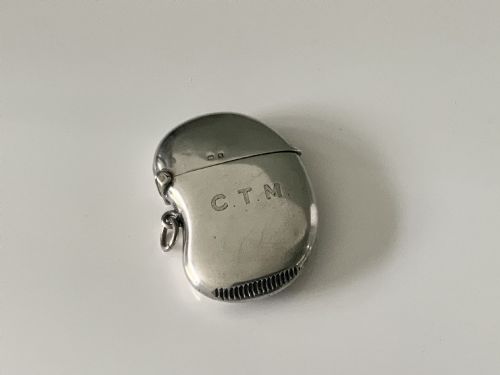
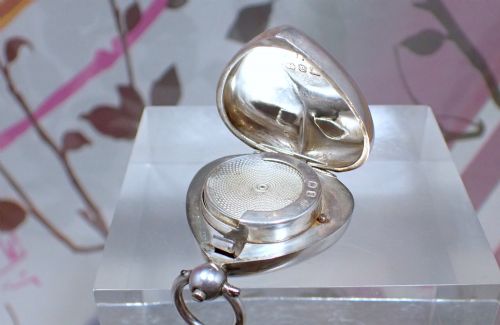
When you search for a victorian silver pocket box, you encounter a varied group of small containers designed to hold snuff, calling cards, vestas, or sovereign coins in the pocket. The items on this page span the Victorian and Edwardian eras, reaching back into the mid nineteenth century and forward to nineteen ten.
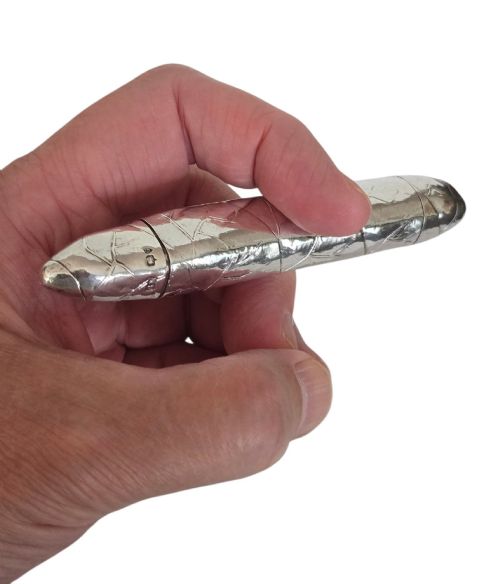
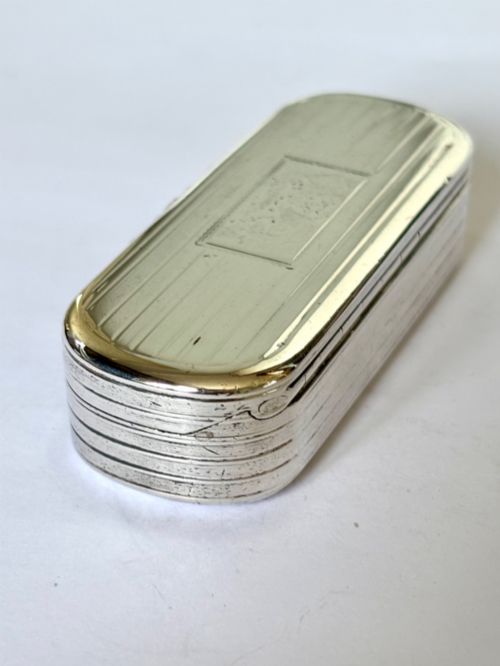
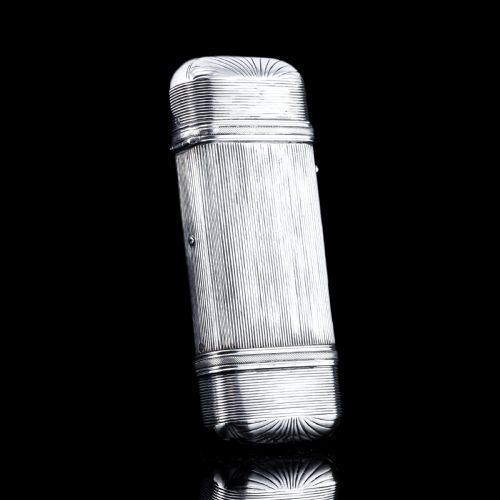
Snuff boxes and card cases form the bulk of the domestic items, alongside novelty vesta cases shaped as double-ended cigars or sentry boxes. Form follows function closely, resulting in rectangular snuff boxes, kidney-shaped match holders, and slim card cases hinged for daily use.
English assay offices dominate the selection, particularly Birmingham and London, though Dutch, French, and Anglo-Indian pieces appear with distinct regional decoration. You will also find combination pieces that pair a vesta with a cigar cutter or a double compartment snuff box.
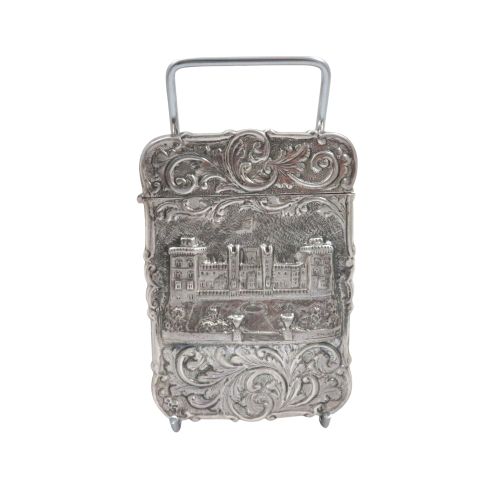
Makers such as Nathaniel Mills, Sampson Mordan, and Henry Matthews created specialised containers that reflect the strict social codes of the nineteenth century. Whether handling a simple reeded cigar case or an engraved castle top card case, you are holding an item meant for the waistcoat pocket or reticule.
Materials and construction
Sterling silver provides the primary body for these containers, often augmented by silver gilt interiors or highlights applied through parcel gilding. Tortoiseshell, mother of pearl, and enamel occasionally form the core or decorative panels of card cases and pill boxes.
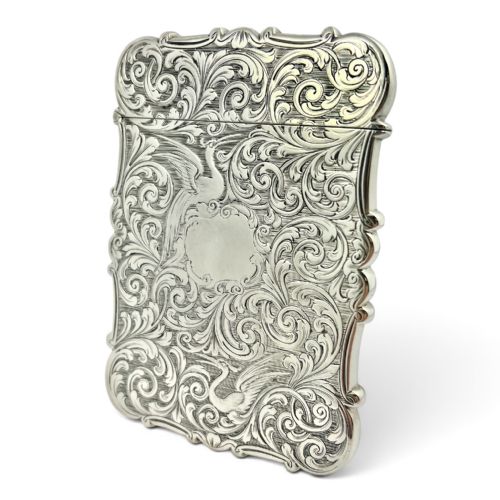
Silversmiths utilised techniques including engine-turning, repoussé, and hand engraving to ornament the metal surfaces with floral motifs, scrolls, or architectural scenes. Cast silver elements appear on heavier snuff boxes, while thinner sheet silver is folded and soldered for lighter pocket cases.
Hinges and spring-loaded lids require precise engineering to ensure tight closures for dry goods like snuff or matches. Hallmarks stamped directly into the silver provide reliable evidence of the assay year and the maker's mark.
Materials documented across the inventory include sterling silver, silver gilt, tortoiseshell, mother of pearl, enamel, and rose gold.
Judging quality and craftsmanship
Quality rests primarily on the crispness of the chasing and engraving, where deeply carved repoussé work or sharply defined castle top scenes indicate superior hand skill. Cast details on novelty vesta cases show greater depth and definition in better workshops.
The integrity of the hinge and the snap of the lid reveal the original precision of the maker, as well as how carefully the box has been kept over the decades. Crisp hallmarks and intact silver gilt interiors further distinguish standard production from exceptional work.
Henry Matthews·Sampson Mordan and Co·Nathaniel Mills·Robert Thornton·Edward Smith·A and J Zimmerman·George Unite
The Victorian Silver Pocket Box Glossary
- Vesta case
- A small pocket container designed to hold matches, typically fitted with a striking surface on the base. These cases often feature hinged lids to keep the contents dry.
- Silver gilt
- Sterling silver that has been coated with a thin layer of gold on the interior or exterior surface. This technique protected the silver from corrosive substances like snuff.
- Repoussé
- A metalworking technique where the artisan hammers the design from the reverse side to form raised relief patterns on the front. It creates tactile surface decoration on card cases and boxes.
- Castle top
- A style of card case or snuff box featuring an engraved or chased depiction of a famous English building on the lid. Windsor Castle is a frequent subject on mid nineteenth-century examples.
- Vinaigrette
- A small ornamental box containing a perforated internal grill that held a sponge soaked in aromatic vinegar. Victorians carried these to counter unpleasant odours in public spaces.
Victorian Silver Pocket Box: Frequently Asked Questions
What fits inside a victorian silver pocket box?
These containers held whatever small personal commodities their owners required during the day. Snuff boxes carried powdered tobacco, while card cases protected visiting cards from bending in the pocket.
Other variants accommodated matches, postage stamps, nutmeg for drinks, or gold sovereigns for financial transactions.
How do I read the hallmarks?
British silver hallmarks typically consist of a maker's mark, a standard mark indicating sterling silver purity, an assay office mark, and a date letter. Together these stamps reveal exactly where and when the piece was made.
Foreign items, such as Dutch or French boxes, carry alternative national silver marks that indicate their continental origins.
Were these boxes used by men or women?
Both gentlemen and ladies carried these pocket containers depending on the specific object type. Card cases were essential accessories for making social calls, used extensively by women and men alike.
Snuff boxes, vesta cases, and sovereign holders were more commonly carried in men's waistcoats or pockets, though small pill boxes and vinaigrettes rested in reticules.
Why do some boxes have gilt interiors?
Silver gilt interiors protected the base metal from the corrosive oils and moisture found in substances like snuff or tobacco. The gold wash prevented the silver from tarnishing or pitting from chemical reactions.
Over time, handling and use often wears away parts of this interior gilding, though well-preserved examples retain a rich golden glow.