
Victorian Silver Plated Stand
A victorian silver plated stand combines utilitarian function with ornate metalwork, offering a refined centrepiece for dining tables, sideboards and desks.
Victorian Silver Plated Stand
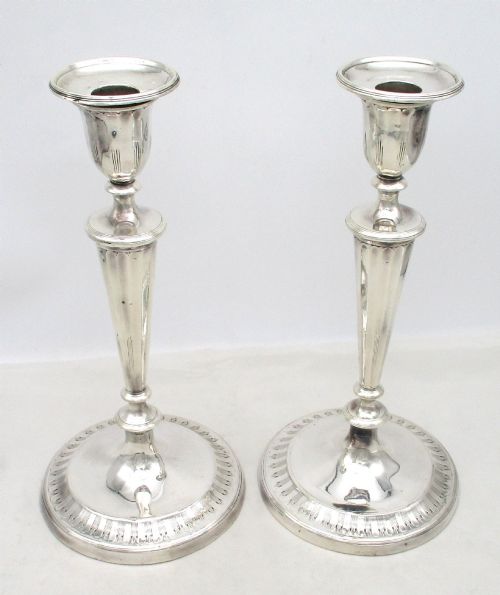
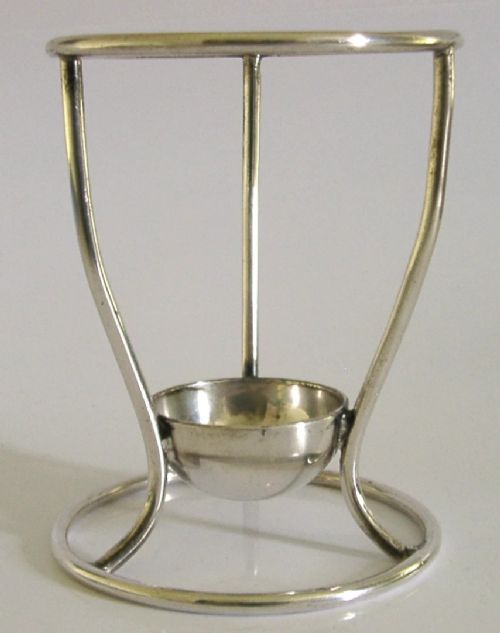
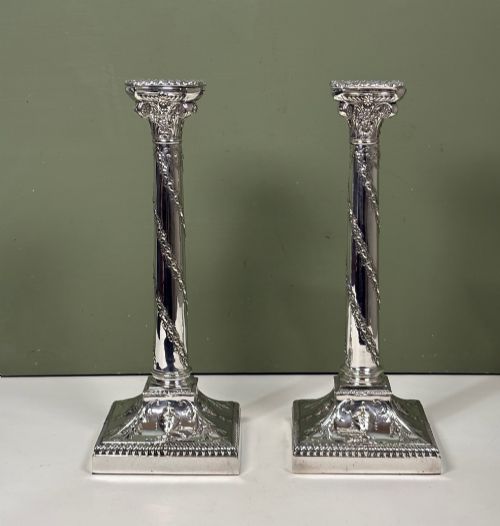
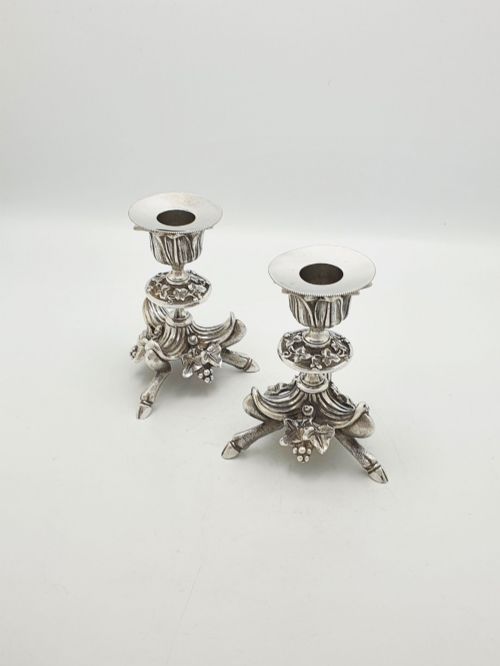
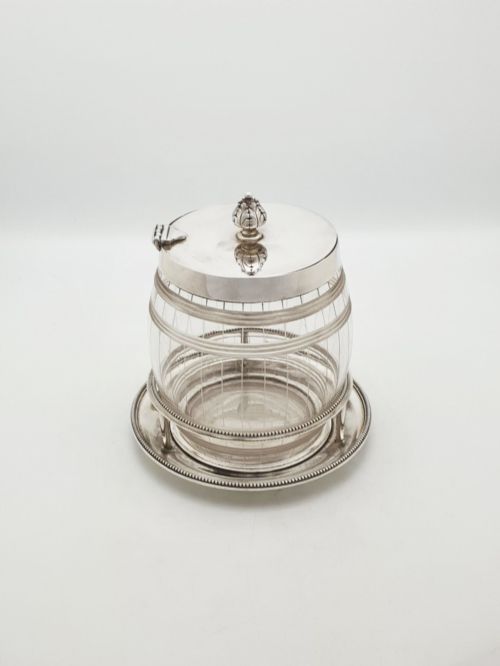
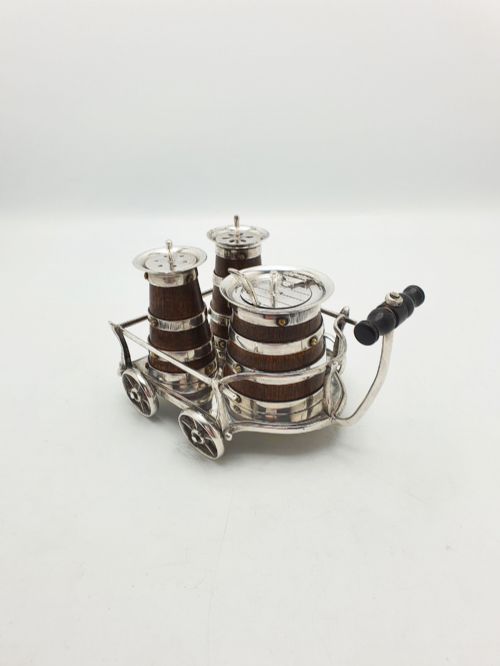
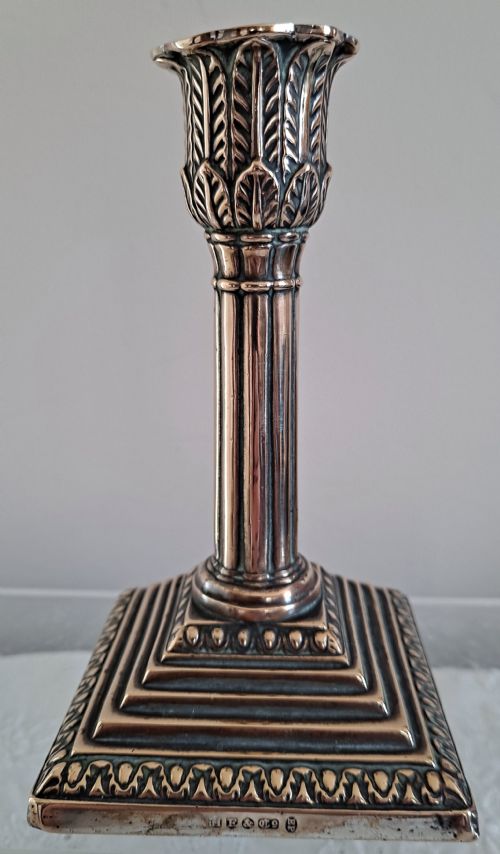
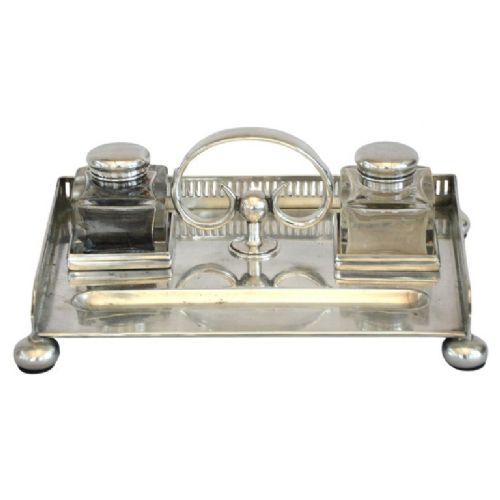
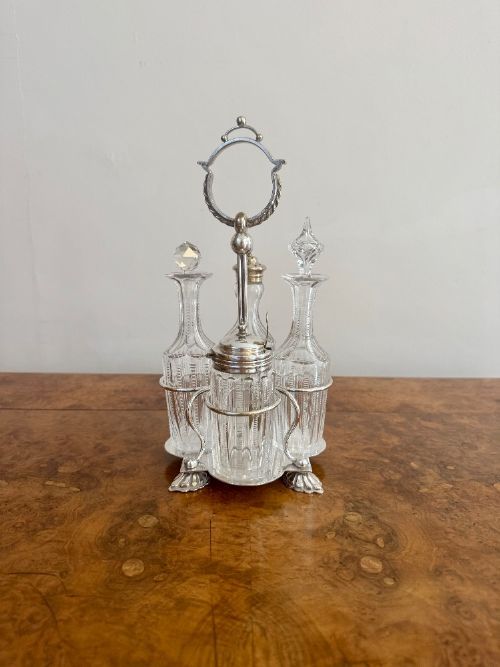
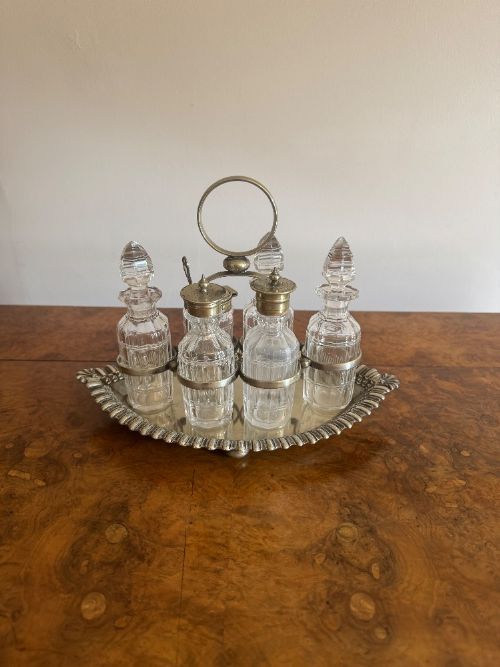
A victorian silver plated stand encompasses a diverse array of tablewares and desk accessories designed to hold bottles, cruets, kettles, sweets and candles. These functional objects range from simple bottle coasters and wine holders to elaborate spirit kettles, multi-bottle cruet sets and mirrored plateau cake stands.
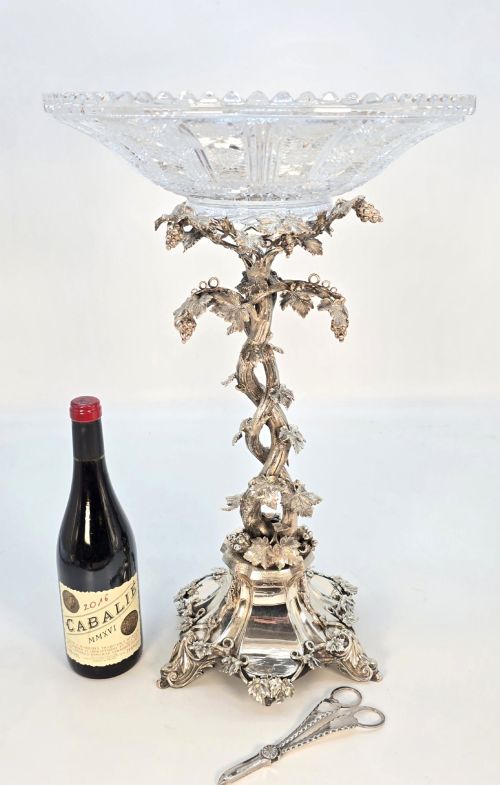
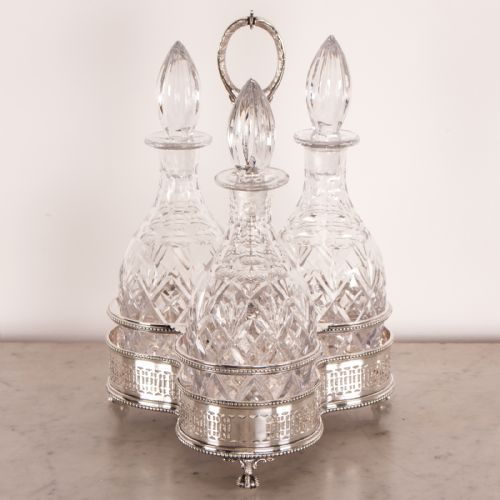
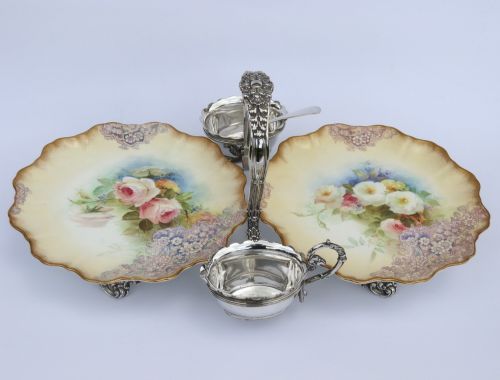
The objects frequently incorporate glass and ceramic elements alongside metal frameworks. Cut crystal decanters, cranberry glass bowls, vaseline glass dishes and hand-painted ceramic plates are often integrated directly into the silver plated architecture of the stand.
Originating predominantly from the nineteenth century and the Edwardian era, these pieces reflect the elaborate domestic rituals of their time. Surviving examples demonstrate how silver plating techniques allowed households to display impressive dining and entertaining hardware without the cost of solid silver.
Materials and Techniques
The foundation of these pieces relies heavily on base metals such as nickel silver, brass or Britannia metal, coated in a layer of silver via electroplating. Earlier items utilise older Sheffield plating methods, where a thin sheet of silver is fused to a copper core.
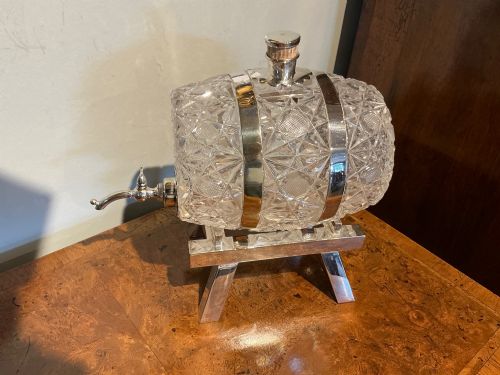
Many stands incorporate heavy cut glass, cut crystal, or coloured glass inserts, including amber, cranberry and vaseline glass. Wooden elements like oak or walnut occasionally form the base of barrel-style condiment and biscuit stands.
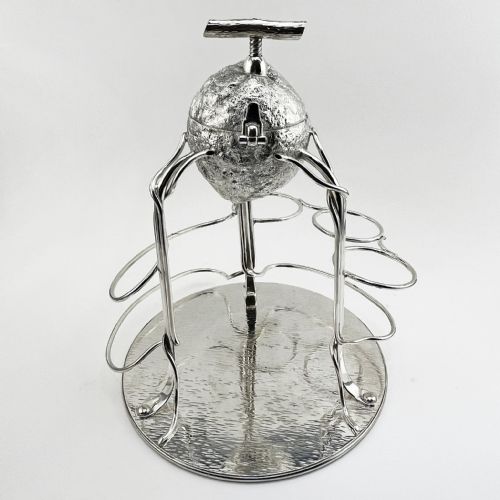
Decorative detailing is achieved through casting, chasing, engraving and applied wirework. Stylistic influences span from rococo revival curves and neoclassical symmetry to historicism and figural novelty designs.
Listings feature stands incorporating cut glass, cut crystal, oak, walnut, brass, and coloured glass alongside silver plate.
Evaluating Quality
Quality in a victorian silver plated stand rests upon the crispness of the casting, the depth of hand-engraving and the structural integrity of the frame. Superior examples display sharply defined relief ornament, secure joints and well-balanced proportions.
The preservation of the original silver plating significantly influences desirability. Thicker initial plating layers and minimal wear down to the base metal indicate higher grade manufacturing from established workshops and silversmiths.
Walker & Hall·Elkington & Co·Hukin & Heath·Mappin Brothers·John Grinsell & Sons·Henry Wilkinson & Co
The Victorian Silver Plated Stand Glossary
- Electroplated Nickel Silver
- A process of depositing a layer of silver onto a nickel-copper-zinc alloy base through electrolytic action, widely adopted in the nineteenth century.
- Cruet Set
- A matched collection of glass bottles or cruets for holding condiments, oils, and sauces, held securely within a metal stand.
- Tantalus
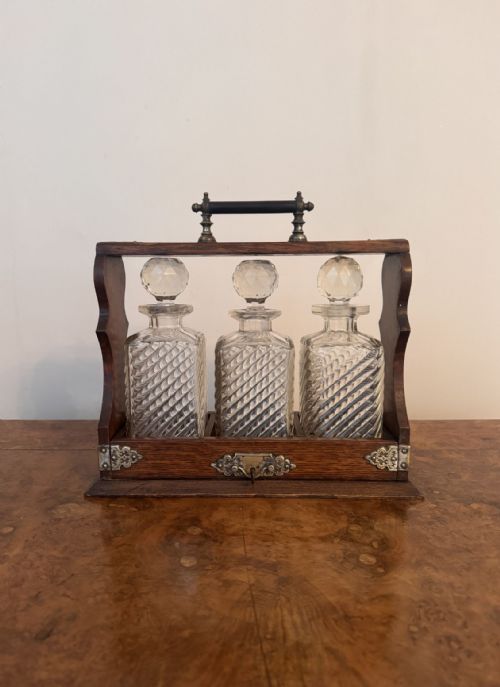
- A locking wooden or metal stand that secures decanters of spirits behind a frame, keeping the contents visible yet inaccessible without a key.
- Spirit Kettle
- A water kettle mounted on a metal stand with an integrated spirit burner underneath, used for maintaining hot water for tea at the table.
- Plateau
- A mirrored circular or clover-shaped table stand with a raised metal gallery, traditionally placed under centrepieces, lamps, or cakes to reflect candlelight.
Victorian Silver Plated Stand: Frequently Asked Questions
What was the original purpose of a cruet stand?
Cruet stands held bottles of vinegar, oil, mustard, and pepper for dining room service. They kept condiments organised and accessible at the centre of the table.
Over time, these sets evolved from simple frames into elaborate centrepieces incorporating cut glass bottles and decorative silver work.
How do I clean an antique silver plated stand?
Clean silver plating gently using a soft cloth and a specialised silver polish formulated for plated items. Avoid harsh abrasives that can wear through the thin silver layer.
Regular, light dusting and minimal washing prevent tarnishing and preserve the underlying metalwork.
Are glass inserts usually original to the stand?
Many surviving stands retain their original matching cut glass, cranberry, or vaseline glass inserts. Replacements are common due to accidental breakage over the decades.
Checking the fit, colour consistency, and wear patterns helps determine whether the glass components belong to the frame.
How do I identify the maker of a plated stand?
Makers stamp their identifying marks, initials, or trade symbols directly onto the metal base, often near the rims or feet. These hallmarks frequently indicate the plating method and manufacturing firm.
Consulting reference guides on nineteenth-century silversmiths helps attribute the piece to specific workshops.