
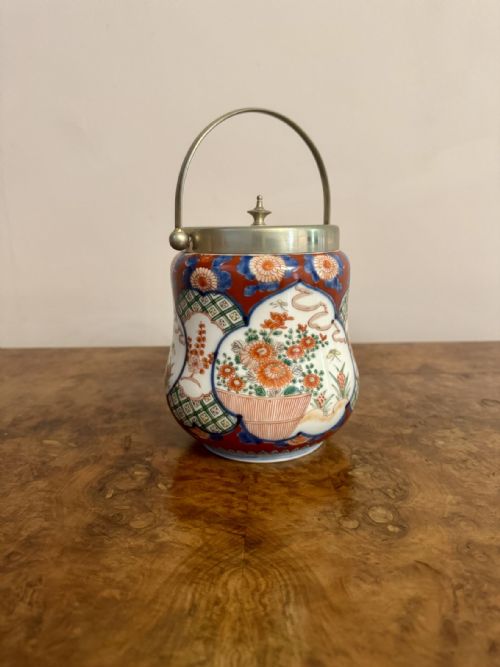


Victorian Silver Plate Jar
These Victorian silver plate jars are tactile vessels of the dining table, combining bright metal mounts with rich glass or ceramic bodies to store biscuits and preserves.
Victorian Silver Plate Jar
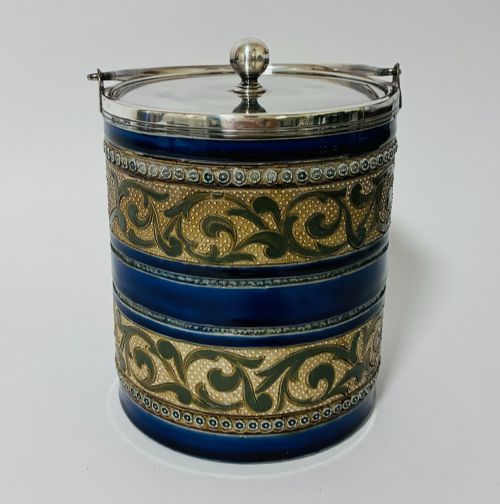
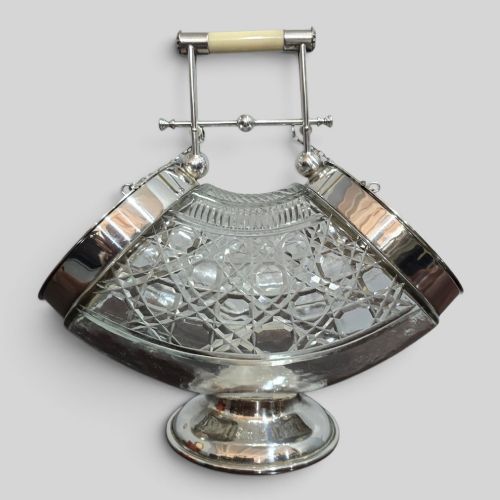
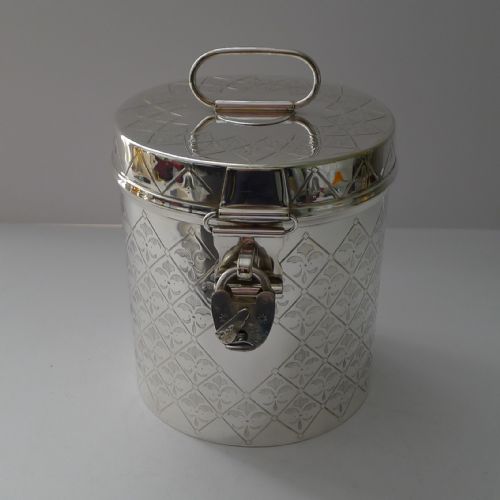
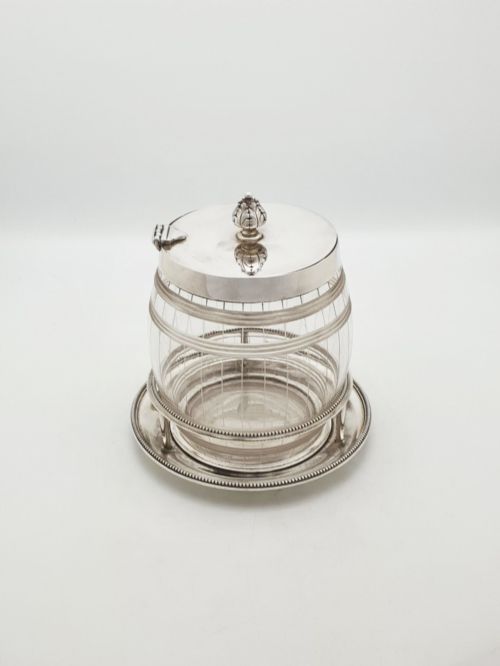
A victorian silver plate jar most commonly takes the form of a biscuit barrel or cylindrical container produced during the nineteenth and early twentieth centuries. These vessels served polite society for storing dry goods in the drawing room or dining parlour.
Makers utilised various domestic materials, pairing silver plate with cut glass, cranberry glass, oak, stoneware, and Jasperware. The surviving pieces originate primarily from English workshops spanning the Victorian and Edwardian periods.
Materials and Techniques
Silversmiths applied thin layers of silver onto base metals through electroplating or older plating techniques, mounting the metal lids, handles, and collars onto bodies of blown glass or turned ceramic. These combined elements required precise joinery to ensure secure fits between the metal mounts and fragile ceramic or glass walls.
Glass bodies received decorative treatments through hobnail cutting, etching, or colouring with mineral oxides to produce deep cranberry hues, while ceramic bodies utilised stoneware bodies or applied relief ornamentation.
Craftsmanship and Proportion
Quality rests in the weight of the silver plate and the crispness of any cast ornamentation upon the finials, handles, and mounts. Heavier gauge metalwork and deeply struck maker marks distinguish standard domestic wares from exceptional commissions.
The harmony between the glass or ceramic body and its metal housing dictates the overall success of the piece. Well-proportioned mounts fit the vessel snugly without obscuring the cut facets or ceramic reliefs beneath.
Mappin and Webb·Elkington and Co·Thomas Bradbury·Robert and Belk·Walker and Hall·William Hutton·John Grinsell and Sons
The Victorian Silver Plate Jar Glossary
- Biscuit barrel
- A covered container designed specifically for holding dry biscuits on the dining table. They grew popular in middle-class households during the mid-Victorian era.
- Silver plate
- A layer of silver bonded to a base metal such as copper or nickel silver. This technique allowed manufacturers to produce durable tableware with the appearance of solid silver.
- Jasperware
- A type of fine stoneware developed by Josiah Wedgwood, characterised by a matte unglazed surface and contrasting applied white relief figures. It appears frequently on nineteenth-century biscuit containers.
- Cranberry glass
- A rich pinkish-red glass coloured by the addition of gold chloride during the melting process. It became a fashionable material for decorative tableware during the late Victorian period.
- Finial
- A decorative knob or ornamental sculpture attached to the centre of a lid for lifting. Makers often shaped these as heraldic beasts, fruit, or abstract forms.
Victorian Silver Plate Jar: Frequently Asked Questions
What were victorian silver plate jars used for?
These lidded vessels functioned primarily as biscuit barrels, keeping dry baked goods fresh during parlour gatherings and afternoon tea.
Secondary forms included jam dishes, preserve jars, and tea caddies designed to protect precious household provisions from humidity and dust.
How do I clean silver plate mounts?
Maintenance requires gentle wiping with a soft, dry cloth to remove dust and fingerprints without wearing away the thin silver layer.
Harsh chemical dips and abrasive metal polishes should be avoided entirely, as they strip the plating and damage adjacent glass or ceramic surfaces.
How do I date a biscuit barrel?
Dating relies on examining the registration marks, maker stamps, and stylistic cues present on the metal mounts and ceramic bodies.
Victorian pieces often display gothic or neoclassical revival motifs, whereas Edwardian examples favour lighter, simpler profiles or deep cranberry glass.
Can I use them for food today?
Most antique jars remain structurally sound for holding dry items like biscuits, provided the interior glass or ceramic lining is thoroughly washed.
Acidic foods and wet preserves should be kept away from older plated interiors where the underlying base metal might become exposed.