
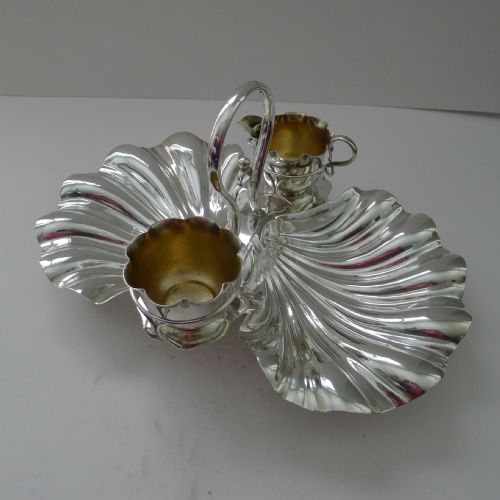


Victorian Silver Plate Caddy
When you search for a victorian silver plate caddy, you discover receptacles engineered to preserve leaf tea or store biscuits with ornamental distinction.
Victorian Silver Plate Caddy
The objects gathered under a victorian silver plate caddy search span tea containers, biscuit barrels and multi-bottle stands produced across the nineteenth and early twentieth centuries.
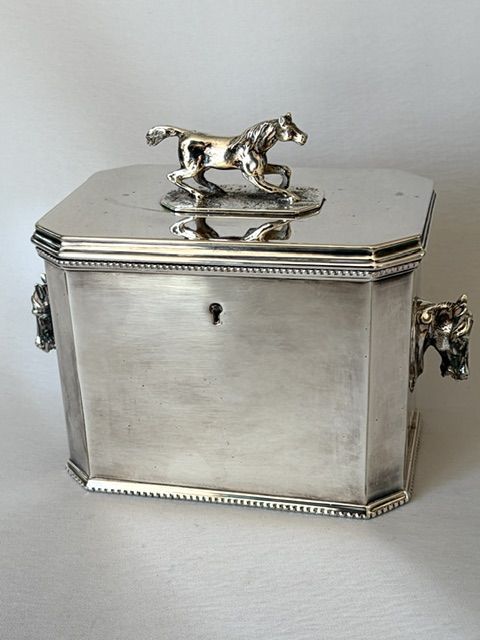
Tea caddies often appear in rectangular, oval or double-compartment formats utilising oak bodies strengthened with metal mounts.
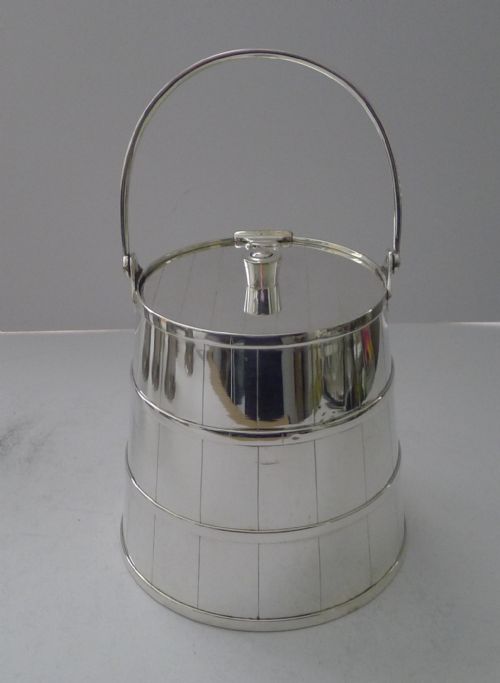
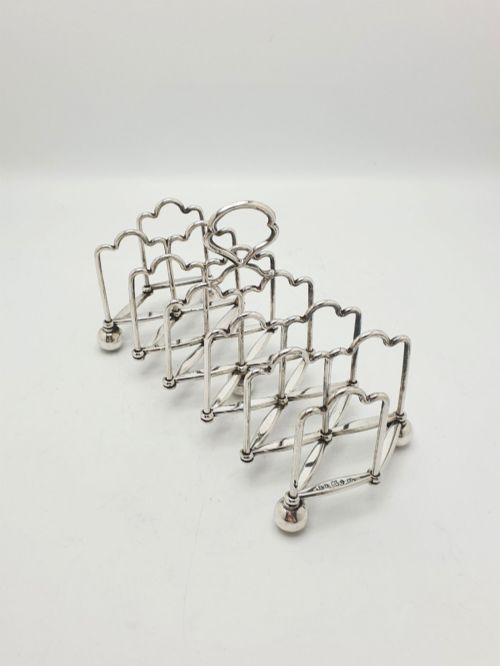
Biscuit barrels and novelty forms emerge frequently, alongside cruet sets and toast racks that share the same electroplated metal techniques.
Materials and construction
Manufacturers built these pieces using electroplated nickel silver, plain metal or solid oak foundations overlaid with silver plate.
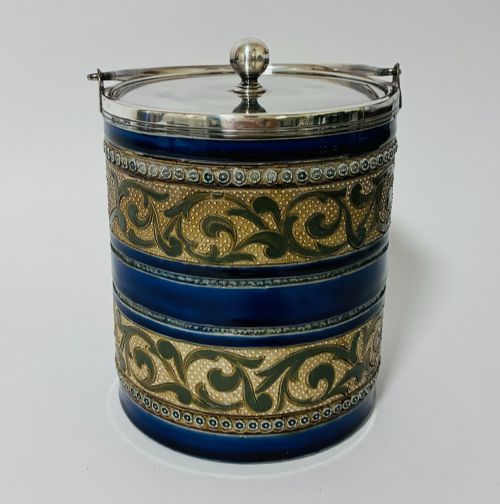
Many designs incorporate cut glass, hobnail glass or ceramic inserts from potteries like Doulton Lambeth and Carlton Ware.
Engraving, ball feet and locking mechanisms complete the construction methods recorded in the period evidence.
The listings span the Victorian, Edwardian, and Georgian periods, incorporating materials such as oak, cut glass, ceramic, and silver plate.
Judging execution and design
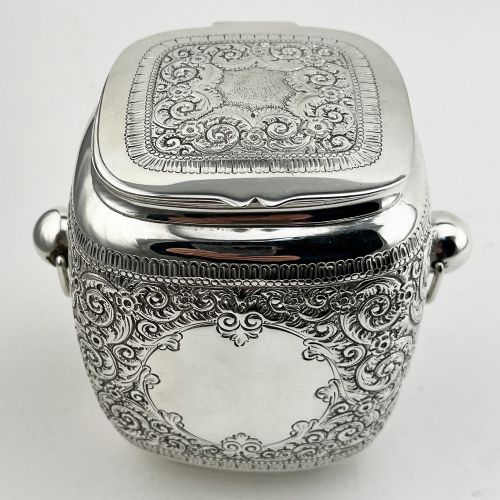
Distinction lies in the crispness of the engraving and the structural integrity of the oak bodies and hinged lids.
Maker attribution to known firms like Elkington, Mappin and Webb or William Hutton elevates the standing of an item.
Novelty mechanisms and complex locking systems separate standard utility wares from ambitious workshop output.
Doulton Lambeth·Martin Hall And Co·Elkington·Mappin And Webb·Daniel Arter·Mappin Brothers·Robert And Belk·Carlton Ware·William Hutton·William Briggs Of Sheffield·John Grinsell·Wade Wingfield Wilkins
The Victorian Silver Plate Caddy Glossary
- Electroplated nickel silver
- A base metal alloy coated with a layer of silver via an electrical process. This method democratised domestic metalware during the Victorian era.
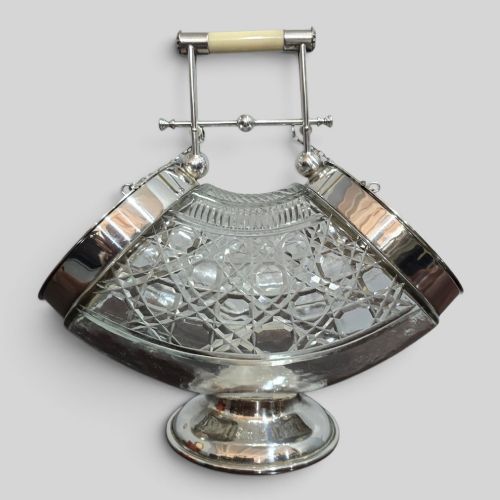
- Biscuit barrel
- A covered container designed for storing dry baked goods on the dining table or sideboard. These vessels often combine metal frames with glass or ceramic bodies.
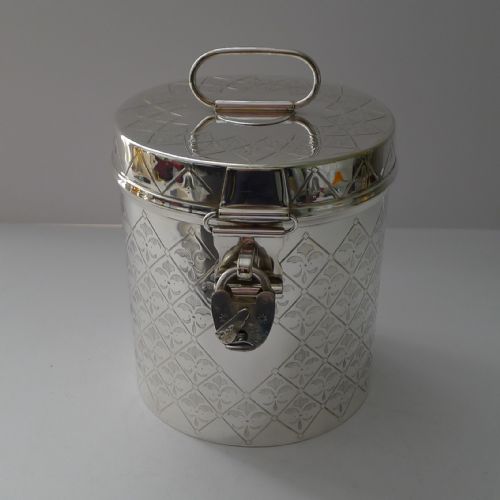
- Tea caddy
- A lidded box or jar intended for holding loose tea leaf blends. Specimens frequently feature interior partitions or locking lids.
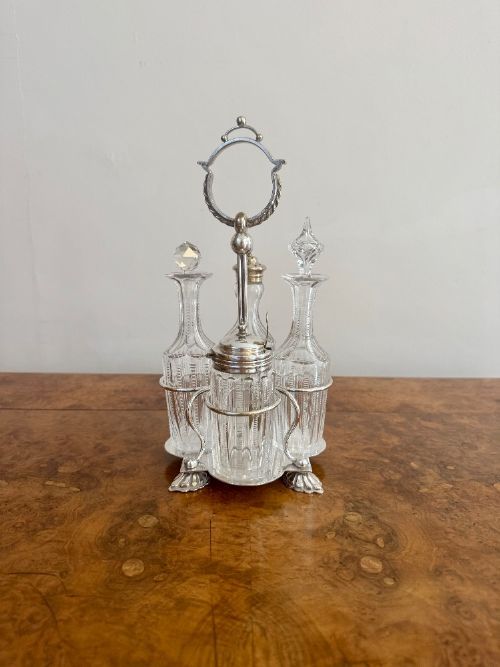
- Cruet set
- A matched collection of glass bottles for holding condiments such as oil, vinegar, salt and pepper held within a metal stand. They sit on dining tables for individual seasoning.
- Toast rack
- A metal framework fitted with vertical dividers to hold slices of toast upright. Designs range from simple wire arches to elaborate novelty models.
Victorian Silver Plate Caddy: Frequently Asked Questions
How do I clean silver plate caddies?
Clean silver plate gently using non-abrasive cloths and dedicated silver cleaning pastes. Avoid harsh scrubbing that wears away the thin plated layer over the base metal.
Wash glass and ceramic inserts separately with warm soapy water and dry thoroughly before replacing them in the metal frames.
Were these caddies used only for tea?
While tea caddies primarily stored valuable leaf tea, makers also adapted oak and metal boxes for tobacco or cigars. Similar lidded vessels functioned as biscuit barrels or trinket boxes.
Interior divisions in double-compartment examples allowed households to store two distinct varieties of tea simultaneously.
How can I date my silver plate item?
Dating relies on maker marks, design styles, and registration numbers stamped into the metal mounts. Victorian and Edwardian pieces often exhibit stylistic cues ranging from Gothic revival to Arts and Crafts motifs.
Makers frequently registered novel mechanical actions, providing precise chronological clues through patent dates.
What is Old Sheffield Plate?
Old Sheffield Plate is an earlier precursor to electroplating where a thin sheet of silver was fused to a copper core by heat and pressure. Items marked in this manner predate standard nineteenth-century electroplated nickel silver.
This technique produced durable wares with distinctive edge seams where the underlying base metal occasionally shows through.