


Silver Plated Cream Jug
A silver plated cream jug brings nineteenth and early twentieth century elegance to the table, offering practical charm for daily tea service.

Silver Plated Cream Jug
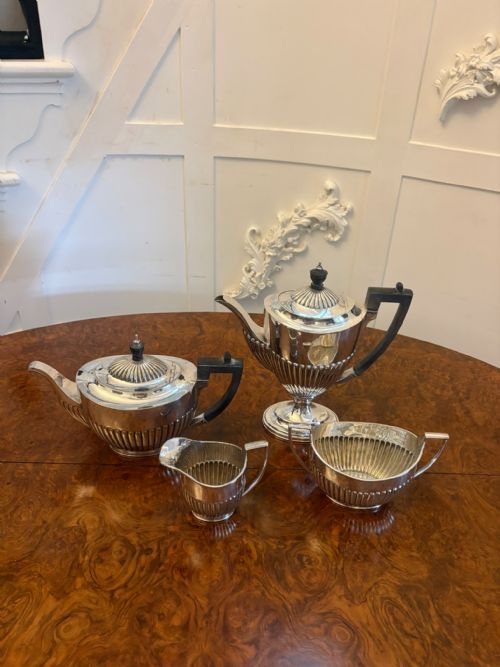
A silver plated cream jug is a tabletop essential designed for serving milk or cream alongside tea and coffee, appearing frequently within this selection as part of larger tea services or paired with matching sugar bowls. These pieces emerge from periods spanning the Georgian, Victorian, Edwardian, and Art Deco eras, reflecting the changing domestic fashions of British households.
The most common formats on this page range from standalone vessels dating to the nineteenth century up to matching sets produced in the early nineteen-hundreds. Makers produced these items in various regional workshops, sometimes incorporating novelty shapes or combining the primary metal body with contrasting internal washes.
Materials and production methods
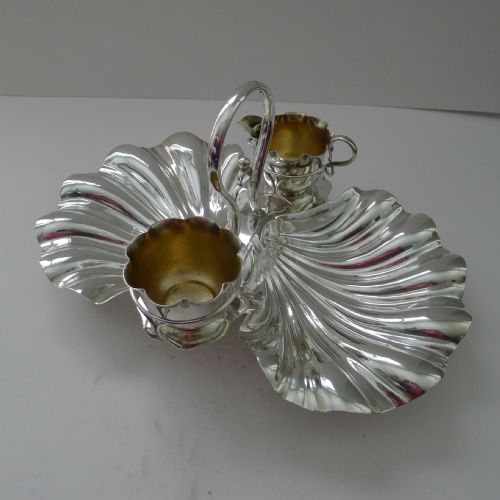
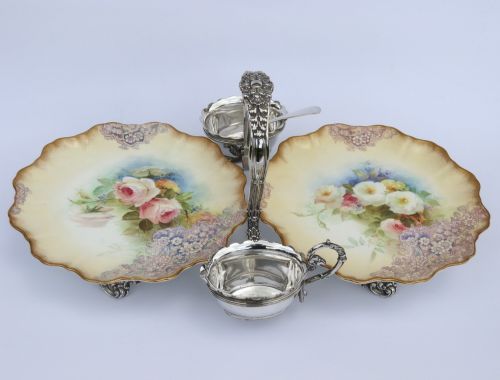
Silversmiths utilised base metals such as copper and nickel silver as the foundation for electroplated nickel silver and standard silver plate, applying a thin outer layer of precious metal over the sturdy core. Certain examples incorporate interior gold wash or gold gilt finishes, while others integrate supplementary materials like ebonised wood handles or porcelain components.
Makers shaped the metal through spinning, stamping, and casting, often adding decorative elements such as ornate grapevine detailing or engraved patterns by hand. These combined techniques ensured durable domestic service while maintaining the polished appearance associated with solid silver.
Silver Plated Cream Jug Retail Price Guide 2026
Typical asking prices for silver plated cream jug among the pieces listed under this phrase on Sellingantiques today, from the lower quarter to the upper quarter. They describe what is for sale here now, not the wider market.
Listings feature periods from the Georgian era through to Art Deco, utilising materials including silver plate, porcelain, and ebonised wood.
Factors defining superior craftsmanship
Quality rests upon the thickness of the applied plating and the crispness of any chased or cast ornamentation, distinguishing master workshops from standard commercial production. Heavier gauge metal bases provide better structural resilience and prevent denting during everyday handling.
Design coherence also elevates certain examples, particularly where handles, spouts, and footrims integrate harmoniously with the main body. Pieces bearing identifiable maker marks from established firms display superior attention to interior finishing and detail retention.
Daniel Arter·Walker and Hall·Doulton Burslem·Mappin & Webb·WMF·Elkington
The Silver Plated Cream Jug Glossary
- Electroplated nickel silver
- A process where a layer of silver is deposited onto a nickel brass alloy base using an electrical current. This method became widespread in the nineteenth century as an affordable alternative to solid silver.
- Gold wash
- A thin coating of gold applied to the interior surface of a vessel. Silversmiths often utilised this technique on cream jugs to protect the base metal from the acidic properties of dairy products.
- Sheffield plate
- An early method of fusing a thin sheet of silver to a thicker copper core by heating and rolling the metals together. Pieces produced this way often show subtle traces of copper visible along wear points.
- Ebonised wood
- Timber treated to imitate ebony, commonly used for insulating handles on teaware. This material prevented heat transfer from hot liquids to the user's hand.
Silver Plated Cream Jug: Frequently Asked Questions
How do I clean a silver plated cream jug?
Wash the vessel gently in warm, soapy water using a soft cloth, avoiding harsh abrasive dips that might strip the historic plating. Dry thoroughly with a lint-free cloth to maintain the natural shine.
Polish sparingly with a specialised silver cloth only when necessary to remove tarnish. Regular gentle care preserves both the metal surface and any delicate decorative detailing.
Can I use an antique cream jug daily?
These items were built for practical domestic use, making them durable enough for occasional or daily service on the dining table. Take care to avoid using metal utensils inside the vessel to prevent scratching the interior surface or plating.
Hand washing is essential, as dishwashers will damage the antique finish and any organic handle components. Treating the piece with reasonable care ensures it remains functional for years to come.
How do I date a silver plated cream jug?
Examine the overall style, shape, and decorative motifs, comparing them against known periods like the Victorian or Edwardian eras. Stylistic cues such as geometric Art Deco lines or ornate Victorian grapevine relief provide clear chronological markers.
Maker marks and registration numbers stamped on the base offer further clues for pinpointing the decade of manufacture. Consulting historical maker archives helps confirm the active production years of the firm.
What is the difference between silver plate and solid silver?
Silver plate consists of a thin layer of pure silver bonded over a base metal core such as copper or nickel silver. This technique allowed manufacturers to produce durable tableware at a fraction of the cost of solid silver.
Solid silver items are made entirely of precious metal throughout and typically carry official hallmarks indicating silver purity. Plated pieces usually feature maker-specific electroplate marks rather than standard government assay office hallmarks.