



English Silver Cream Jug
An english silver cream jug brings domestic history to the tea table in solid metal.

English Silver Cream Jug
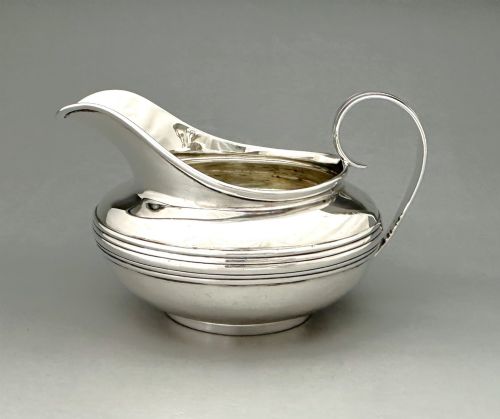
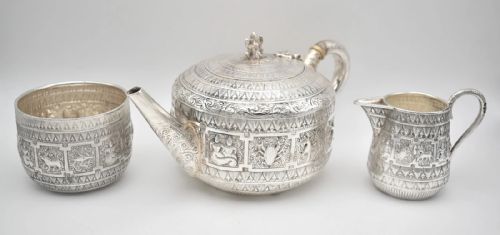
When you search for an english silver cream jug, you encounter small pouring vessels designed for tea service, milk, and cream. The selection spans centuries of domestic silver production, encompassing formal tea sets and individual jugs.
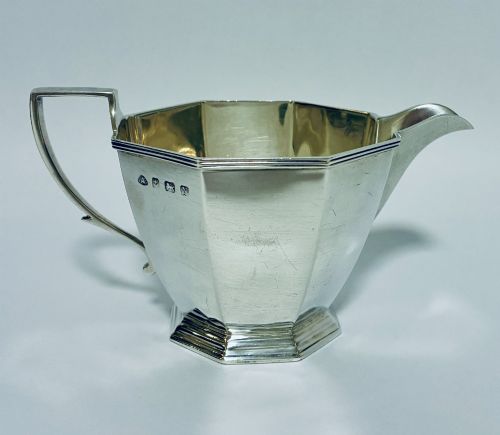
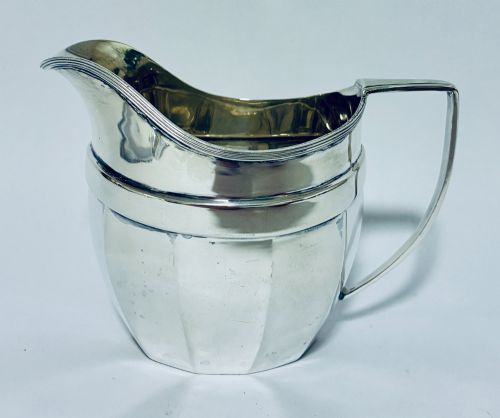
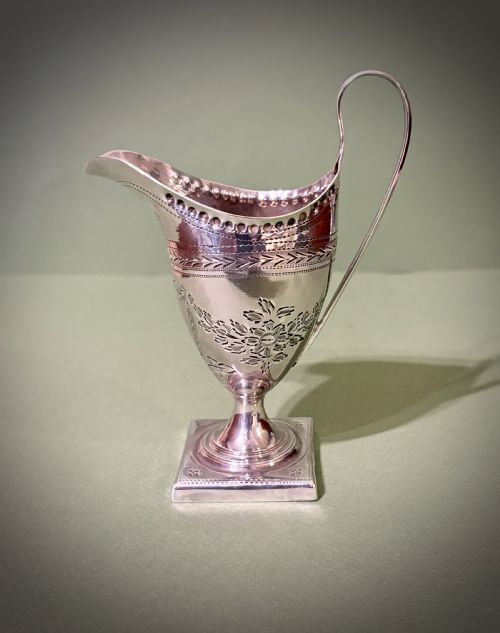
Georgian and Victorian examples appear frequently, alongside Art Deco pieces from the twentieth century. These domestic items take forms ranging from helmet shapes to sparrow beak designs and cow creamers.
Makers produced these milk pourers and creamers in sterling silver, silver plate, and electroplated nickel silver. Many bear full hallmarks indicating their assay office and date of production.
Materials and construction
Silversmiths constructed these vessels primarily from solid sterling silver or silver plate over a base metal. Workshops utilised hammering, casting, and soldering techniques to shape the body, handle, and pouring lip.
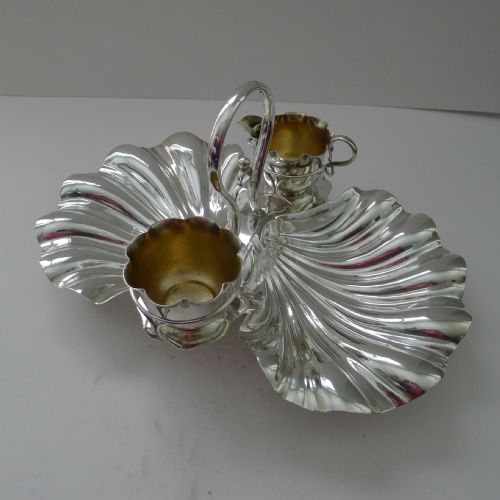
Decoration often involved hand engraving, chasing, or applied borders. Some examples incorporate gold wash or gilt interiors to protect the silver from dairy acids.
Listings feature sterling silver, silver plate, and gold wash materials across Georgian, Victorian, and Art Deco periods.
Assessing quality
Quality rests in the weight of the metal and the precision of the silversmith's hand. Heavier gauges of sterling silver provide structural integrity and a substantial feel in the hand.
Crispness in engraved details and balanced proportions distinguish finer examples from standard production pieces. The integration of the handle and spout demonstrates the maker's skill.
Daniel Arter·Benjamin Smith·George Fox·Asprey
The English Silver Cream Jug Glossary
- Hallmark
- Official marks stamped on precious metals to guarantee purity and origin. These symbols typically include a maker's mark, assay office mark, and date letter.
- Sterling silver
- An alloy comprising a high percentage of pure silver combined with other metals for durability. British standards require specific purity levels for items bearing this designation.
- Silver gilt
- Silver objects coated with a thin layer of gold on the surface. This technique produces a rich two-tone appearance, frequently seen on the interior of cream jugs.
- Helmet cream jug
- A specific eighteenth-century form featuring a flared lip and footed base resembling a classical helmet. This silhouette remains popular among collectors of Georgian silver.
- Cow creamer
- A figural pouring vessel shaped like a bovine with a removable lid on the back. These uncommon pieces represent whimsical domestic silver from British workshops.
English Silver Cream Jug: Frequently Asked Questions
How do I clean an english silver cream jug?
Wash the vessel in warm water with mild washing-up liquid and dry it immediately with a soft cloth. Avoid abrasive dips that strip the natural patina accumulated over decades.
Store the jug away from direct sunlight and damp environments to minimise tarnishing. Regular handling naturally retards heavy tarnish formation on raised surfaces.
What is the difference between sterling silver and silver plate?
Sterling silver consists of solid precious metal throughout the entire body of the vessel. Silver plate applies a thin layer of silver over a base metal such as copper or nickel.
Marks on the base or interior usually distinguish solid metal from plated alternatives. Hallmarks indicate solid sterling, while specific trade marks denote electroplated items.
Can I use an antique cream jug daily?
Solid silver milk jugs function adequately for serving cream at the breakfast or tea table. Hand washing prevents damage to soldered joints and delicate engraved decoration.
Acidic dairy products should not remain in contact with unlined silver for extended periods. Rinsing the interior after use preserves the metal condition.
How do I date an english silver cream jug?
Assay office letters stamped within the hallmark sequence provide the precise year of manufacture. Stylistic indicators such as helmet shapes or Art Deco geometries offer an initial chronological guide.
Matching the maker's mark against historical records confirms the active period of the workshop. Weight and construction techniques also align with specific eras of British silversmithing.